
The clock is ticking down to the end of the fiscal year. And in a frantic, last-minute legal maneuver, the Trump administration has made an emergency appeal to the Supreme Court to block the release of nearly $12 billion in foreign aid funds that were appropriated by Congress.
This is not just a dispute over funding; it is a high-stakes constitutional drama. The case is a direct test of Congress’s most fundamental power – the power of the purse – and the President’s authority to defy it. It is a battle over a 50-year-old law, now being fought on the Supreme Court’s controversial “shadow docket.”
How We Got Here: A Legal Labyrinth
The path to this emergency appeal has been a complex legal back-and-forth.
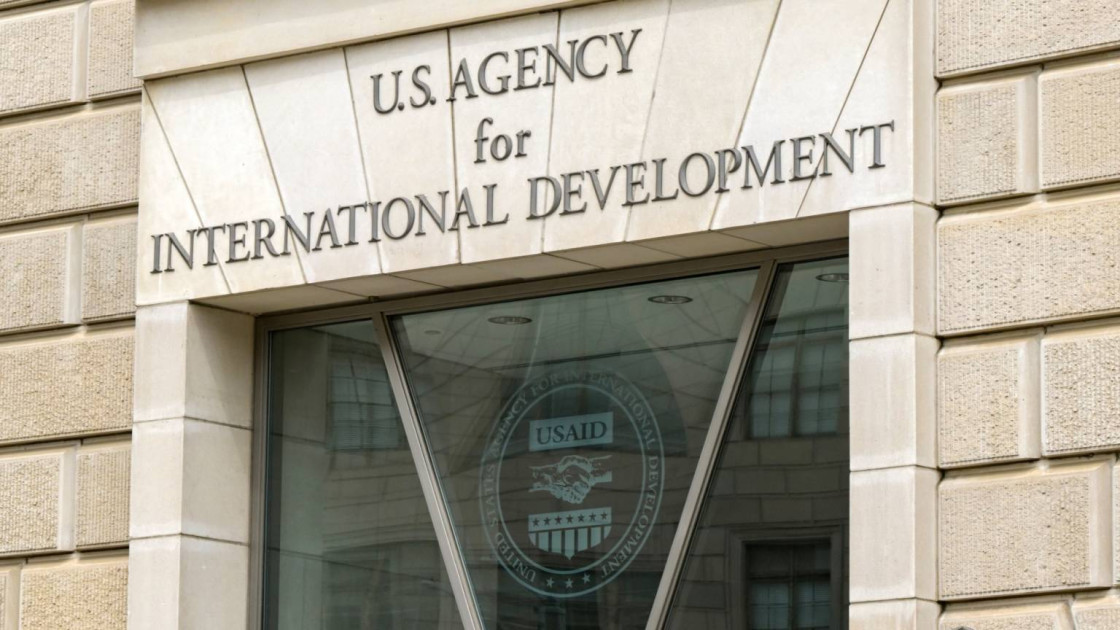
- On his first day in office, President Trump issued an executive order to freeze nearly all foreign aid, including funds for the U.S. Agency for International Development (USAID).
- A federal district judge blocked this move, issuing an injunction that ordered the administration to spend the money as Congress had directed.
- Earlier this month, a panel on the D.C. Circuit Court of Appeals overturned that injunction in a 2-1 decision, handing the administration a major victory.
- Crucially, however, the appeals court has not yet issued its formal “mandate” to make that ruling effective. This procedural delay means the lower court’s original order to spend the money technically remains in place, forcing the administration into this emergency appeal before the funds expire on September 30.
The Constitutional Heart of the Matter
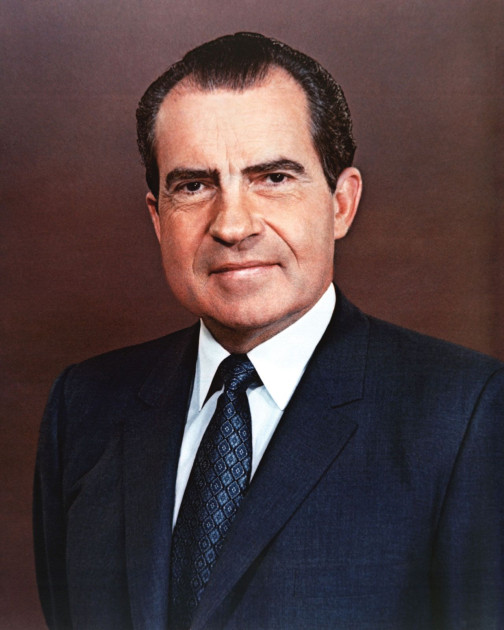
At the center of this conflict is the Impoundment Control Act of 1974 (ICA). This is not a minor statute; it is a law born from a constitutional crisis. Congress passed the ICA to explicitly forbid President Richard Nixon from doing exactly what President Trump is doing now – unilaterally refusing to spend money on programs that Congress had lawfully funded.
The President’s effort to freeze these congressionally-approved funds is a direct challenge to this 50-year-old law and the constitutional principle it protects: that under Article I, Congress, and not the President, controls the nation’s purse strings.
An Appeal to the “Shadow Docket”
The administration’s argument to the Supreme Court is a direct challenge to the judiciary’s role in this conflict. The Solicitor General has argued that any dispute over these funds should be “left to the political branches” and not be “prejudged by the district court.”
This argument is deeply ironic. One of the political branches – Congress – has already spoken clearly by passing a law appropriating these funds. The administration is now asking the Supreme Court to step aside and allow the President’s will to override the expressed will of the legislature.

This request for an emergency stay brings the battle to the Court’s controversial “shadow docket.” This means the justices are being asked to make a decision with billion-dollar consequences on a rapid timeline, without the full public arguments and deliberation that accompany a regular case. It is another example of a major constitutional question being decided through an expedited and often opaque process.
This emergency appeal is about far more than foreign aid. It is a test of whether the constitutional separation of powers has any meaning when confronted by a determined executive and a procedural loophole. The Impoundment Control Act was designed to be a clear line in the sand. The Supreme Court’s decision on this request will tell us whether that line has been effectively erased.