When gas prices jump fast, the federal government has a familiar temptation: loosen the rules that shape what can be sold at the pump. That is exactly what the Trump administration is doing now, temporarily waiving seasonal gasoline regulations in response to sharply higher fuel costs tied to the ongoing U.S. war with Iran and the resulting oil supply disruption.
What the EPA changed
The Environmental Protection Agency is temporarily lifting restrictions that limit the sale of certain gasoline blends during the summer months. Specifically, the agency is allowing broader sales of E15, gasoline blended with 15% ethanol.
Ordinarily, E15 faces seasonal limits across roughly half the country from June through September because of summer fuel rules aimed at reducing air pollution. The point of those rules is not to micromanage fuel recipes for sport. It is to reduce emissions during the months when heat and sunlight can intensify smog-forming reactions.
The EPA also issued a waiver to remove all federal impediments to selling E10, the more common 10% ethanol blend that is widely available throughout the year. In addition, the agency is suspending federal enforcement of certain state fuel requirements as well, allowing the production and distribution of gasoline with 9% to 15% ethanol content.
Timing: a tight window
The waiver is set to begin May 1 and run through May 20, though the EPA signaled it could last longer if conditions warrant.
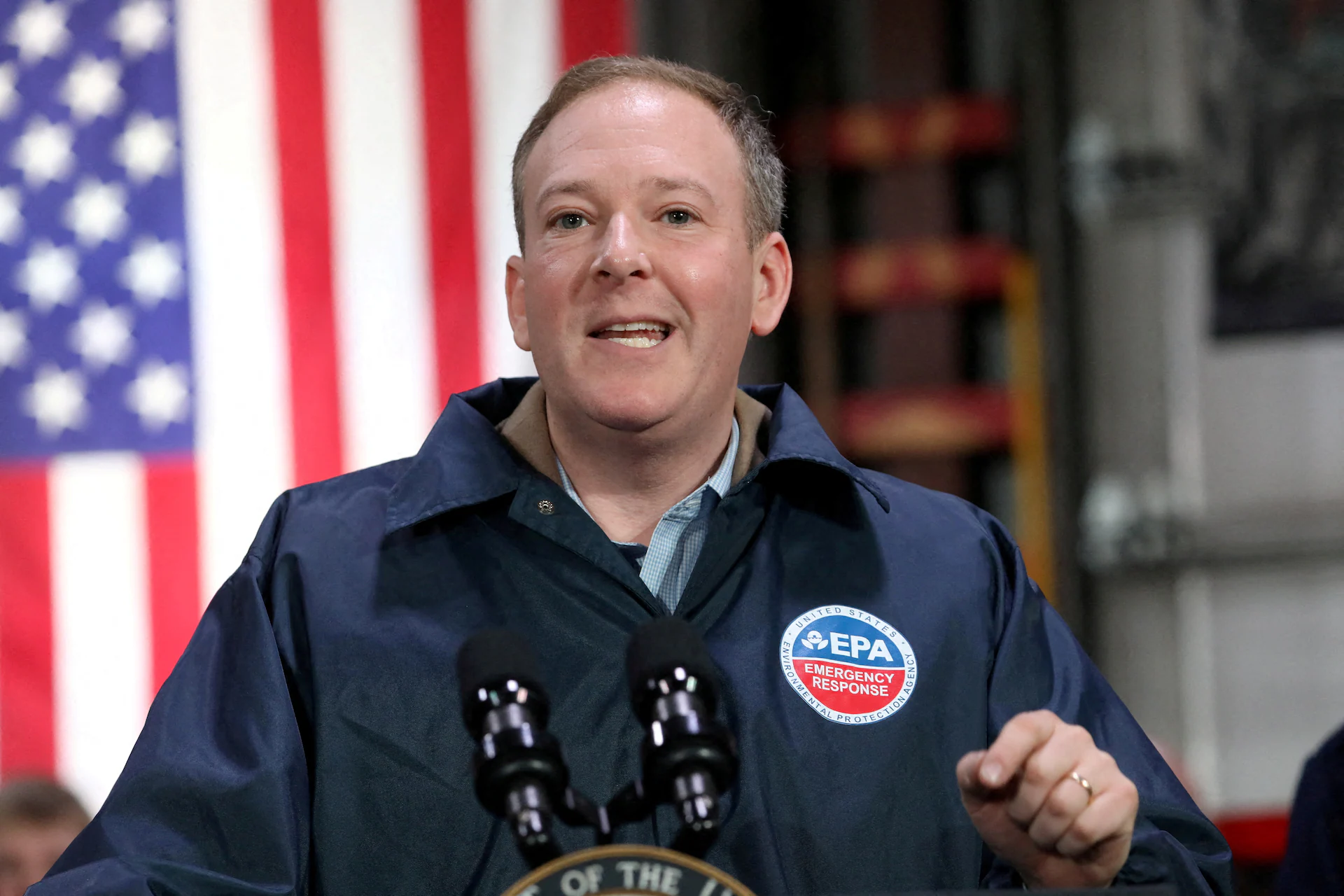
EPA Administrator Lee Zeldin framed the move as a supply-stabilizing measure while speaking to reporters at S&P Global's CERAWeek conference in Houston, Texas: "EPA waivers will work to prevent disruption in America's fuel supply by keeping E15 and E10 on the market and giving Americans more fuel options,"
he said.
He also emphasized that the agency is watching market conditions and may continue emergency waivers if the disruption persists. "We will continue to monitor the supply with industry and federal partners,"
Zeldin said. "The agency will be ready to extend the emergency fuel waivers as ongoing issues continue to present the need for action."
Why this is happening now
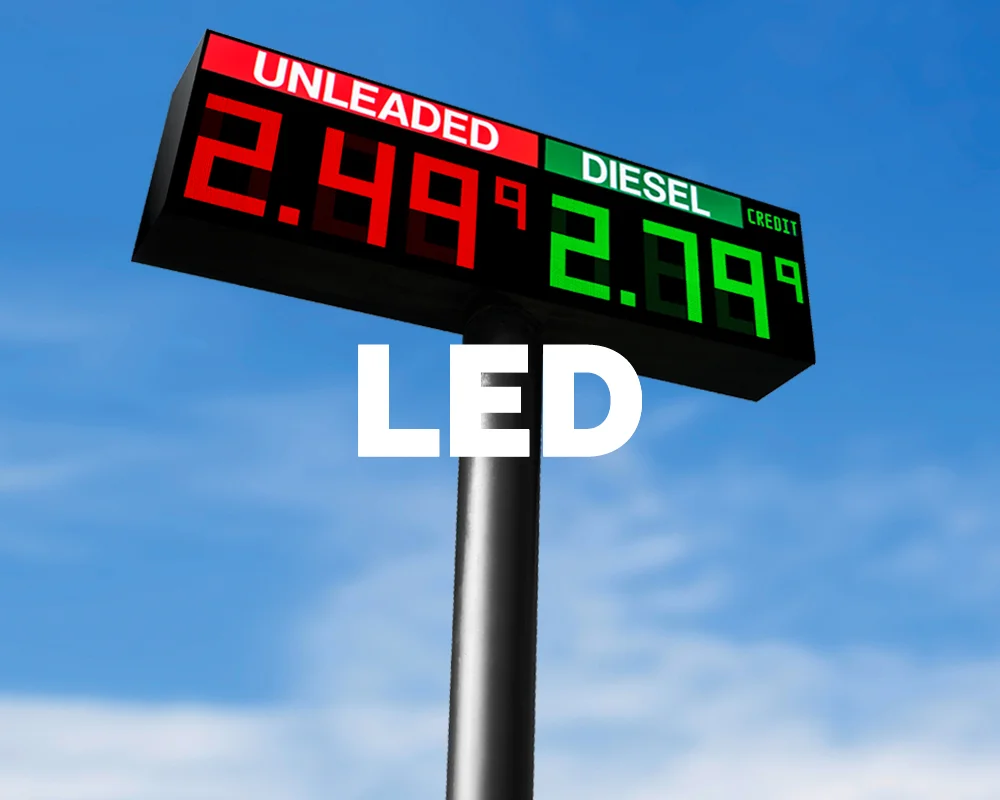
The immediate backdrop is price shock. Since the U.S. war against Iran began, gasoline prices have climbed more than 30% to $3.98 per gallon, according to AAA data, due to the ensuing massive oil supply disruption. Diesel has risen more than 40% to $5.37 per gallon.
Prices at the pump are the highest levels since 2022, when Russia's invasion of Ukraine shook global energy markets.
Those numbers matter beyond commuter frustration. Diesel is the workhorse fuel of the supply chain, powering trucks and freight trains that move food, retail goods, and industrial inputs. When diesel spikes, inflationary pressure can ripple outward, sometimes invisibly, into the price of almost everything else.
How a waiver works
It is easy to treat an emergency fuel waiver as a purely technical change, the sort of regulatory lever that can be pulled without raising deeper questions. But in our system, even technical levers have a constitutional architecture behind them.
Congress writes the statutes that empower federal agencies to regulate air pollution and fuel standards. Agencies then translate those statutes into rules, and, crucially, build in lawful off ramps for emergencies. The waiver is not the Constitution speaking directly. It is the executive branch using authority that exists because Congress delegated it by law.
This division of labor is one of the quiet ways separation of powers shows up in daily life. Voters often ask why a president cannot simply order cheaper gas. This is part of the answer: the tools available to any administration are bounded by statutes, delegations, and administrative procedure. A waiver is a narrow tool, but it is a real one.
Will it lower prices?
The promise of the waiver is straightforward: when refiners and distributors have more flexibility in what blends they can sell, supply disruptions can be softened. If the market can move fuel more freely across regions, there is less chance of localized shortages that push prices even higher.
But no waiver can repeal global oil fundamentals. If the underlying problem is a massive oil supply disruption, then regulatory flexibility is best understood as a pressure-release valve, not a full solution. It may reduce friction at the margins, expand options, and prevent the worst bottlenecks. It cannot conjure barrels of crude that are not reaching market.
Diesel is next
Administration officials have also pointed to diesel supply as a priority. Energy Secretary Chris Wright said the administration has plans to increase diesel availability: "We do have some ideas on diesel, that we can bring extra diesel to the marketplace. I think we'll see that happen before too long."
That focus is telling. Diesel shocks are politically dangerous because they hit commerce first and families second. When transport costs rise, the bill often arrives later, folded into prices at the grocery store and the hardware aisle.
The question to keep asking
In a crisis, speed is seductive. But waiving environmental rules, even temporarily, always raises the same civic question: what tradeoffs are being made, and who gets to decide?
To be precise, this is not a blanket suspension of environmental regulation. It is a targeted set of emergency waivers focused on ethanol blends and the enforcement posture that shapes what fuel can legally be produced and sold in specific places, for a limited period.
Agencies exist to apply expertise, but they operate inside a constitutional framework that depends on public accountability. Emergency powers and emergency discretion are not inherently illegitimate. They can be necessary. The danger is when “temporary” becomes habitual, and when short-term price relief becomes an all-purpose justification to treat guardrails as optional.
This waiver may help stabilize supply in a volatile moment. It also reminds us that energy policy is never just about engines and ethanol. It is about governance, delegated power, and how a republic responds when global events slam into domestic life.