
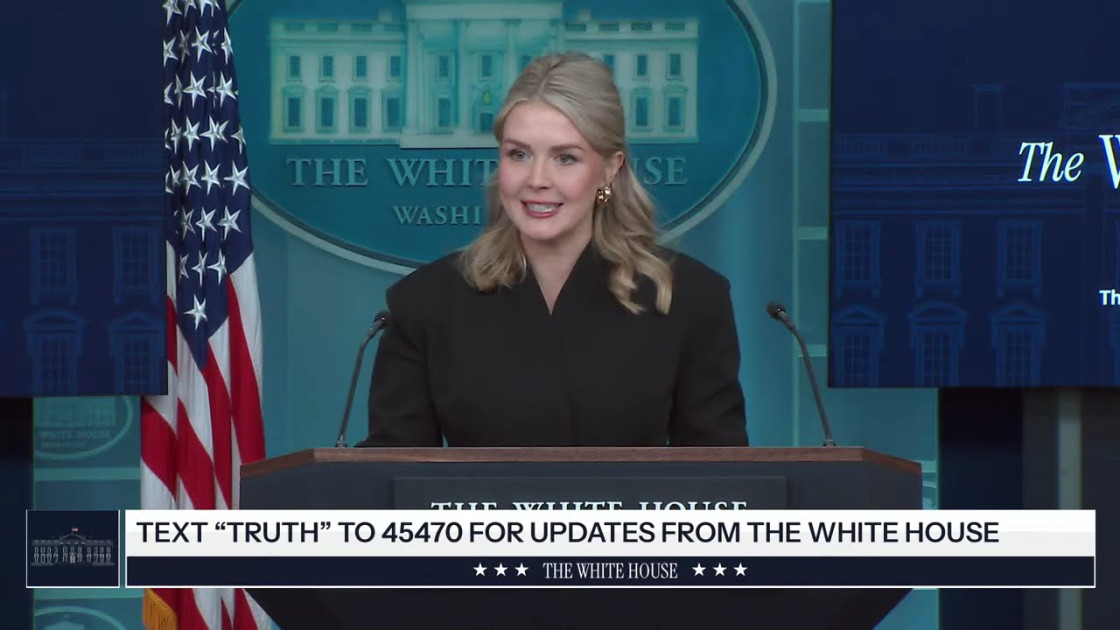
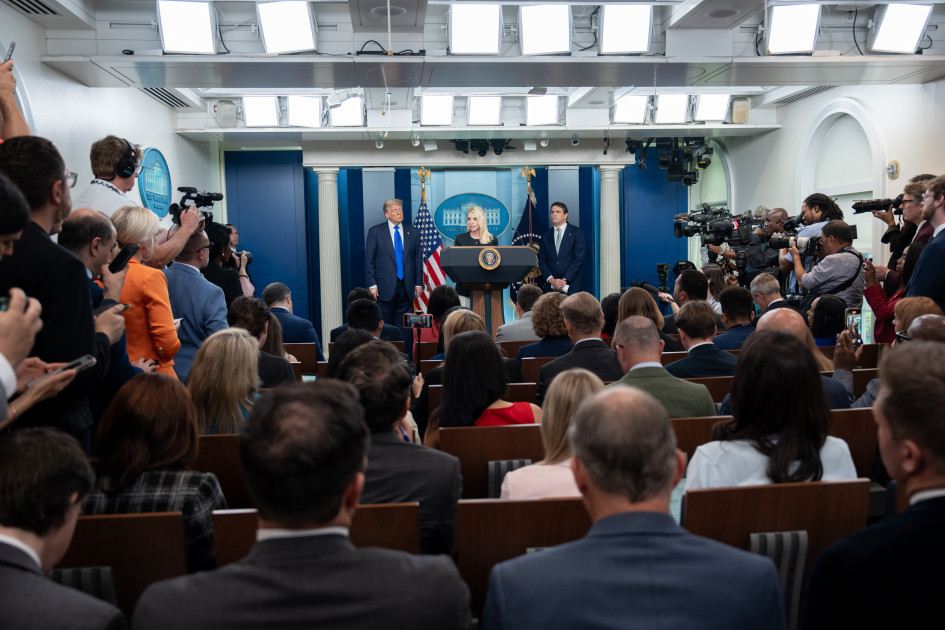
White House Press Secretary Karoline Leavitt called Tuesday’s jobs report “strong” and credited President Trump with “creating a strong, America First economy in record time.”
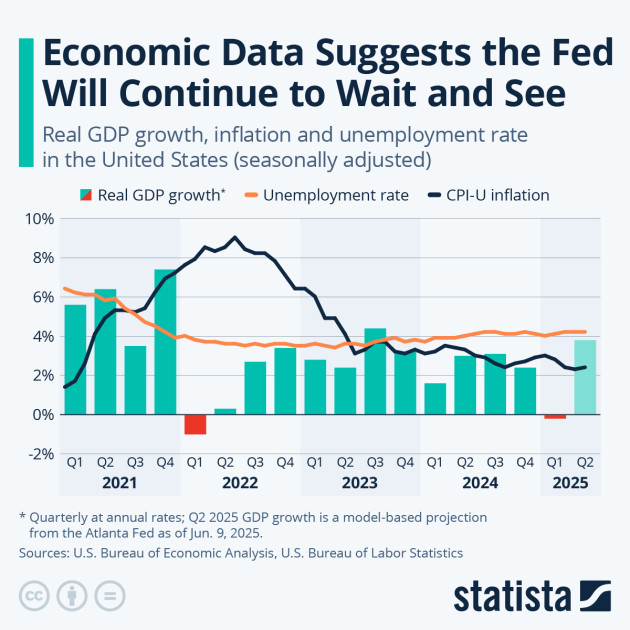
The actual data shows the economy lost jobs in three of the past six months. Job growth since Trump’s “Liberation Day” tariffs in April has averaged 17,000 jobs per month – a tenth of what the “awful” Biden economy was producing at the same point last year. The unemployment rate hit its highest level in more than four years.
This isn’t spin meeting reality. This is spin operating in a different dimension from reality entirely.
The constitutional question isn’t whether the White House can lie about economic data – the First Amendment protects political speech, even false political speech. The question is what happens to democratic accountability when the government controls both the levers of economic policy and the narrative about whether those policies are working.
Voters can’t hold elected officials accountable for economic performance if official government statements systematically misrepresent what’s actually happening in the economy.
The constitutional system assumes voters will receive accurate information to make informed choices. When the White House calls failure success and expects Americans to believe it, that assumption collapses.
What the Data Actually Shows
The Bureau of Labor Statistics reported that the economy added jobs at the slowest pace since the Great Recession recovery. The total for the first eleven months of 2025: 610,000 jobs. At the same point in 2024 – when Trump was calling the economy a disaster – the total was 1.7 million jobs.
The economy actually lost jobs in June, August, and October 2025. The last time the U.S. experienced three months of net job losses within six months was late 2009 to early 2010, when the country was still crawling out of the worst economic crisis since the Depression.
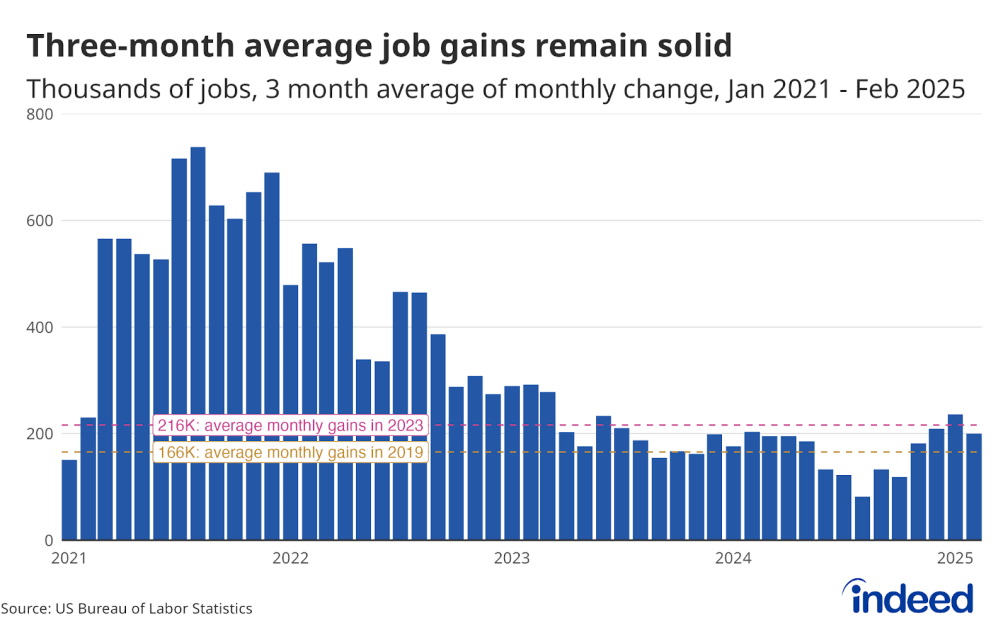
Since Trump announced his tariff policy on April 2, the economy has added just 119,000 jobs total – not per month, but cumulatively over seven months. That averages roughly 17,000 jobs per month. During the same period in 2024, the job market averaged 168,000 jobs per month.
These aren’t projections or estimates. They’re measurements from the Bureau of Labor Statistics, the federal agency responsible for tracking employment data.
The White House isn’t disputing the numbers. They’re just calling terrible numbers “strong” and hoping repetition makes it true.
Why Presidential Economic Spin Matters Constitutionally
The Constitution doesn’t regulate presidential truthfulness. Presidents can make false statements about the economy without violating any legal provision. But the constitutional system of democratic accountability depends on voters having access to accurate information about government performance.
Article II makes the President responsible for executing the laws, which includes economic policy implementation. Congress has Article I authority over taxing, spending, and interstate commerce regulation. The separation of powers assumes both branches will compete for voter support based on their respective economic records.
That competition only produces accountability if voters can distinguish between economic success and failure. When the administration with the worst job creation numbers since the Great Recession claims it’s producing the strongest economy in history, voters can’t make that distinction based on official government statements.
The constitutional harm isn’t that Trump is lying – presidents have always spun economic data favorably. The harm is the gap between the spin and reality has become so extreme that official government statements about the economy bear no relationship to measurable economic outcomes.
The Tariff Policy That Triggered the Collapse
Trump’s “Liberation Day” tariffs took effect April 2, 2025. That’s when job creation fell off a cliff.
Before the tariffs: the economy was adding an average of 168,000 jobs per month.
After the tariffs: 17,000 jobs per month. The correlation is unmistakable.
The causation is also fairly straightforward – tariffs increase costs for businesses that rely on imported materials, reduce consumer purchasing power, and create economic uncertainty that makes companies hesitant to hire.
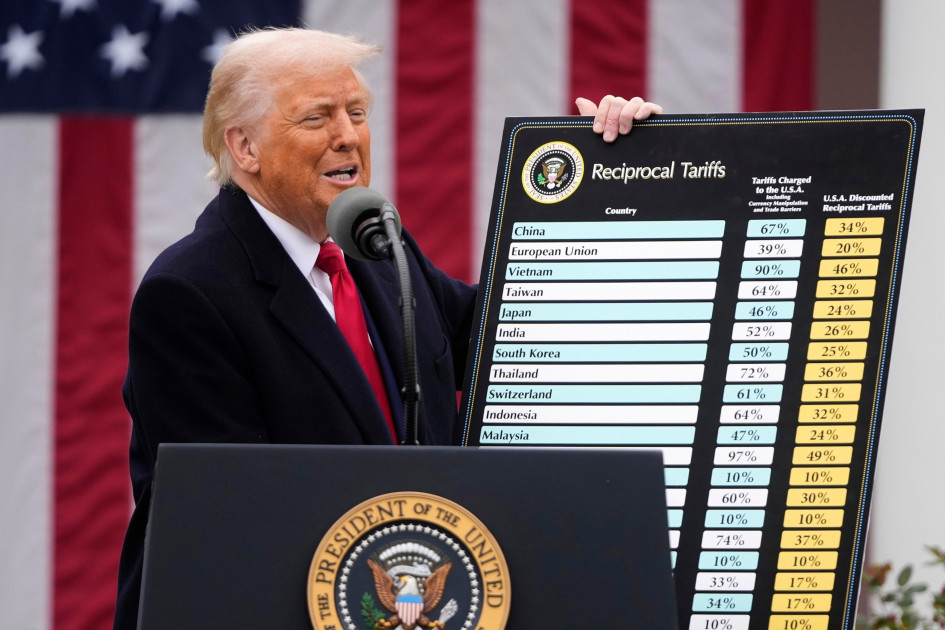
Trump campaigned on the idea that tariffs would bring jobs back to America by making domestic production more competitive. The actual result has been the opposite: job creation collapsed once tariffs took effect.
This is a policy failure by any objective measure. The stated goal was more American jobs. The measurable outcome is dramatically fewer American jobs. A constitutional system of democratic accountability would require acknowledging that failure and either reversing the policy or explaining why short-term job losses will produce long-term gains.
Instead, the White House is calling the job losses “strong” and insisting the policy is working exactly as intended.
When the Commerce Clause Meets Reality
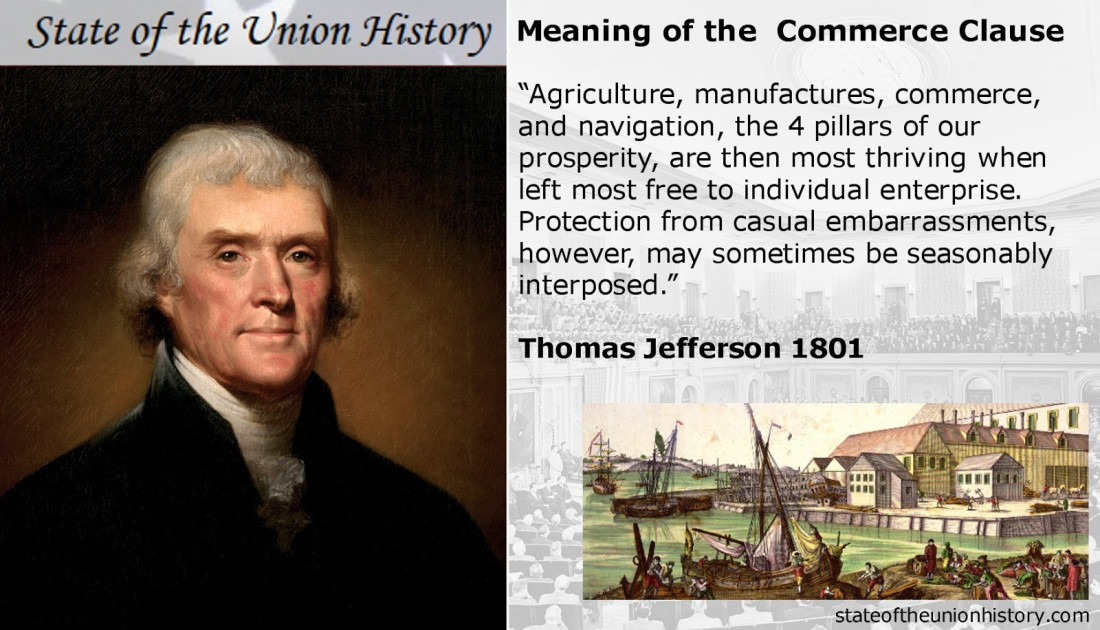
Congress has constitutional authority under the Commerce Clause to regulate interstate and international trade. Presidents have delegated authority under various statutes to impose tariffs in specific circumstances – national security, unfair trade practices, emergency conditions.
Trump’s tariffs rest on statutory authority Congress provided. Whether those tariffs serve the national interest is a political question, not a constitutional one.
Congress could revoke the President’s tariff authority or pass legislation overriding specific tariffs if it disagreed with how that authority is being exercised.

But congressional action requires political will, which requires voters demanding accountability, which requires voters understanding that the tariff policy is causing job losses rather than creating jobs. When the White House characterizes job losses as strength and insists the policy is succeeding, that chain of accountability breaks down.
The constitutional structure assumes voters will punish officials whose policies produce bad outcomes. But that assumption only holds if voters can identify what counts as a bad outcome. If the White House can successfully convince voters that the worst job creation year since 2009 represents economic strength, then electoral accountability becomes impossible.
The Credibility Problem That Undermines Everything
Karoline Leavitt’s statement about the “strong” jobs report came during the same news cycle where she falsely claimed Trump invented “drill, baby, drill,” falsely stated that 100% of Biden-era job gains went to foreign-born workers, and falsely boasted that many states have gas prices under $2 per gallon (the actual number is zero).
These aren’t minor exaggerations or debatable interpretations. They’re statements that are demonstrably, verifiably false – and they’re coming from the White House press secretary whose job is to provide official information about administration policies and their effects.
The constitutional system tolerates a lot of political spin. Presidents can emphasize positive data and downplay negative data. They can credit themselves for outcomes they didn’t cause and blame predecessors for problems they inherited. That’s normal politics within a democratic system.
What the system can’t tolerate indefinitely is official government spokespeople making statements that are completely disconnected from verifiable reality. When the gap between what the White House says and what’s actually true becomes that large, government statements stop providing information and start functioning purely as propaganda.
What Happens When Voters Can’t Trust Government Data
The Bureau of Labor Statistics operates with a significant degree of independence from political pressure. Career economists compile employment data using established methodologies that have remained consistent across administrations. The BLS doesn’t work for Trump or for any president – it works for Congress under statutory mandates to provide accurate economic data.
But most voters don’t read BLS reports. They get economic information filtered through media coverage and official government statements. When the White House characterizes BLS data in ways that contradict what the data actually shows, voters receive conflicting messages about economic reality.
Some voters will check the underlying data and realize the White House is misrepresenting it. Others will trust official government statements and conclude the economy must be doing well if the White House says so. Still others will assume everyone in government lies about everything and tune out economic data entirely.
All three responses undermine democratic accountability. The first group gets accurate information but loses trust in government. The second group maintains trust but receives inaccurate information. The third group disengages entirely, making informed voting impossible.
The constitutional system needs voters who have accurate information and sufficient trust in institutions to use that information when making electoral decisions. Systematic misrepresentation of economic data by the White House corrodes both requirements simultaneously.