
The federal takeover of Washington, D.C. has entered a new and constitutionally troubling phase. The administration, touting the success of its crime crackdown, has now authorized the U.S. Marshals Service to offer $500 cash rewards for any tip from the public that leads to an arrest.
While this may sound like a common-sense tool to get criminals off the street, it is a policy fraught with constitutional danger. This “cash for arrests” program threatens to turn citizens into paid informants and risks undermining the Fourth Amendment’s protection against wrongful arrest – the very legal standard that separates a constitutional republic from a police state.
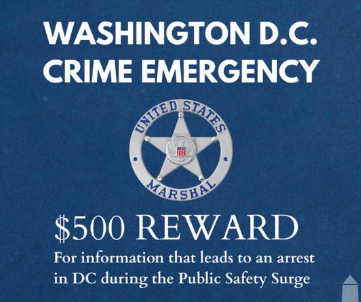
We have now made over 550 arrests in Washington, DC and have taken 76 illegal firearms off the streets—saving lives. You can help—
@USMarshalsHQ is offering a reward for any information leading to an arrest. Together, we will make DC safe again!

A New Tool in the Federal Arsenal
The new policy was announced by Attorney General Pam Bondi as the administration celebrated the results of its federal intervention in the capital.
Citing over 550 arrests and the seizure of 76 illegal firearms since the takeover began, she presented the reward program as the next logical step to “Make DC Safe Again!”
The D.C. Police Union has backed the federal presence, reporting a significant short-term drop in violent crime and carjackings. From the administration’s perspective, their aggressive tactics are working, and this new reward program is simply another tool in a successful strategy.

The Constitutional Price of a Bounty
This is where the policy collides with the Constitution. The Fourth Amendment is an absolute guardrail, protecting citizens from “unreasonable searches and seizures” and requiring that arrests be based on probable cause. The Supreme Court, in the landmark case Illinois v. Gates, established the “totality of the circumstances” test for evaluating whether a tip from an informant is reliable enough to help establish that probable cause.
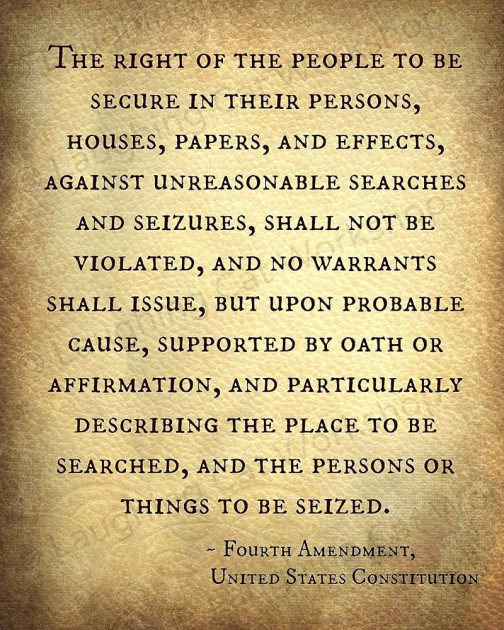
A cash reward system directly corrupts this test. It fundamentally changes the motivation of the person providing the tip. A tip from a concerned citizen acting out of civic duty is one thing; a tip from a paid informant who gets a bounty for an arrest – not a conviction – is something else entirely. It creates a perverse incentive to generate a high volume of tips, regardless of their accuracy, which could lead to a wave of arrests based on flimsy or fabricated information. This is a direct threat to the integrity of the probable cause standard.
Turning Citizens into Agents of the State
Beyond the legal standard, this policy has a corrosive effect on civic life. A healthy community’s relationship with law enforcement is one of partnership and trust. A system that encourages people to inform on their neighbors for cash can breed suspicion, resentment, and distrust.

It risks turning ordinary citizens into paid, unaccountable agents of the state’s surveillance apparatus. It is a tactic that may produce impressive short-term arrest statistics, but it does so at the long-term cost of undermining the civic trust that is essential for a free and lawful society.
The administration is hailing its D.C. takeover as a success. But the methods we use to achieve public safety matter just as much as the outcome.
A policy that places a bounty on arrests may clear corners, but it does so by eroding the Fourth Amendment’s protections and weakening the bonds of community. That is a steep, and perhaps unconstitutional, price to pay.