
The Trump administration is asking the Supreme Court to step in and clear the way for ending Temporary Protected Status for about 350,000 Haitian migrants, escalating a fight that sits at the intersection of immigration policy, judicial power, and how courts review executive branch decisions.
At stake is not only the future of one TPS designation, but whether the administration can immediately revoke protections that were extended in the prior administration, even when federal courts conclude the consequences are severe and the process was legally defective.
What the administration asked the Court to do
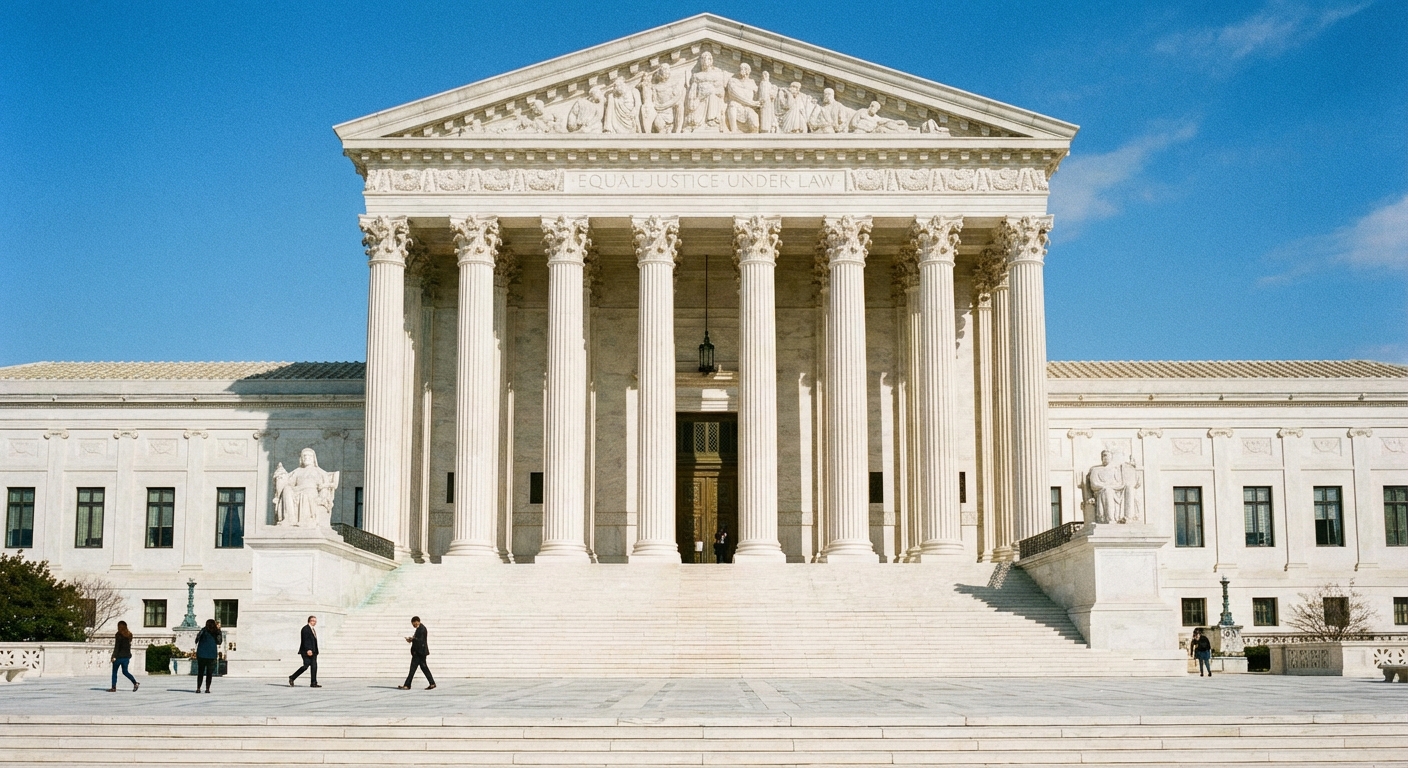
In a filing Wednesday, U.S. Solicitor General D. John Sauer urged the Supreme Court to immediately intervene and overturn a lower-court order that has blocked the administration from ending TPS for Haitians currently covered by the program.
Sauer framed the dispute as bigger than Haiti. He argued the justices should address recurring legal challenges to TPS rollbacks nationwide, warning that without a definitive ruling, the government will remain trapped in what he called an unsustainable cycle
of emergency litigation and conflicting court orders.
His filing says the Court should settle the underlying merits because, in his words, this unsustainable cycle will repeat again and again, spawning more competing rulings and competing views of what to make of this court’s interim orders
, adding: This court should break that cycle.
TPS, in plain terms
Temporary Protected Status is a federal program that allows people from designated countries to live and work in the United States when returning home is deemed unsafe due to conditions such as armed conflict, major disasters, or other extraordinary and temporary circumstances.
TPS is not a green card. It does not automatically lead to citizenship. It is, by design, a stopgap. But in practice, TPS can become long-lasting when conditions in a home country remain unstable and successive administrations repeatedly extend protections.
Why Haiti’s TPS designation has lasted
Haitians first received TPS in 2010 after an earthquake that killed more than 200,000 people and left about 1.5 million homeless, according to the figures cited in coverage of the program’s origins.
The designation was extended multiple times over the years. Under the Biden administration, it was extended again in 2021, after the assassination of Haiti’s last democratically elected president, Jovenel Moïse.
That history matters because it illustrates why TPS tends to become politically and legally complicated. The longer a designation exists, the more it begins to function like a semi-permanent legal status for people who have built lives, jobs, and families in the United States.
How this lawsuit started
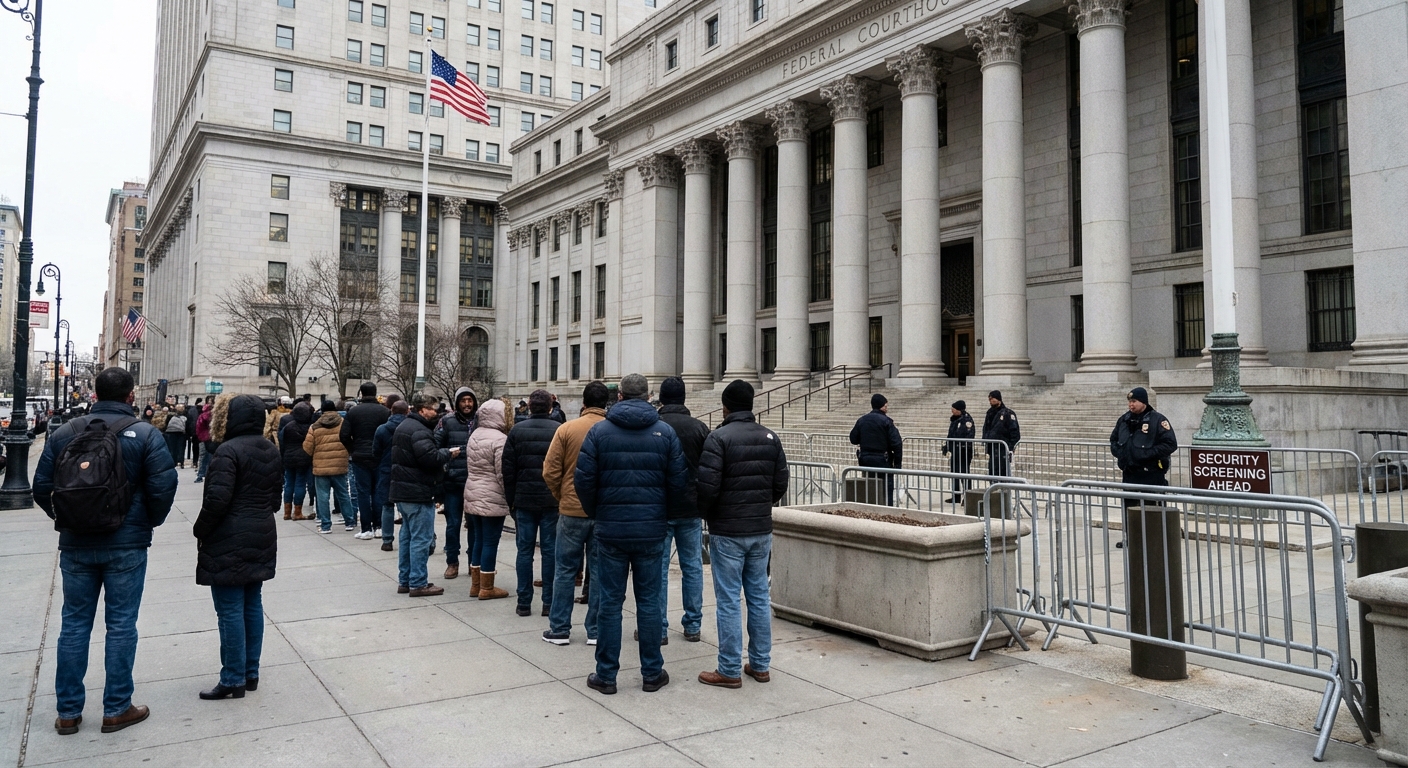
The current legal fight traces back to a policy announcement from the Department of Homeland Security. DHS Secretary Kristi Noem announced in November that the U.S. would be ending TPS protections for Haitians in the U.S., prompting a group of individuals living in the U.S. with protected status to file suit.
The rulings blocking termination
The administration’s request arrives after multiple judicial roadblocks.
U.S. District Judge Ana Reyes blocked the Department of Homeland Security from immediately revoking the TPS designations for Haitians. In her analysis, the effort to end protections abruptly was arbitrary and capricious
, and she faulted the government for not properly grappling with current dangers in Haiti. Reyes accused Noem of failing to consider the overwhelming evidence of present danger
in Haiti.
Reyes also rejected the idea that keeping TPS in place during the litigation would harm the government, writing: The government cannot name a single concrete harm from maintaining the status quo.
A majority of judges on the U.S. Court of Appeals for the D.C. Circuit also blocked the administration’s attempt to end the program, citing what the court described as substantial
and well-documented harms
that Haitian TPS holders would likely face if protections were terminated immediately.
The core dispute
The administration has argued that lower-court orders pausing TPS terminations improperly interfere with executive authority over immigration policy. More broadly, Trump officials have taken aim at judges who block or pause efforts to wind down TPS protections, accusing them of exceeding their authority and unlawfully intruding on the executive branch.
But federal agencies still have to comply with the law, including basic administrative requirements that courts enforce through judicial review. That is why TPS cases often become a test of how much discretion the executive branch has to unwind a designation quickly and how closely courts will scrutinize the reasoning and process, especially when protections are being immediately revoked.
A pattern, not a one-off
The Haiti TPS dispute is part of a broader push to unwind protections associated with the prior administration’s immigration posture. Fox News Digital reports this is the second time this year the Trump administration has asked the Supreme Court for emergency intervention related to TPS.
Last month, Justice Department lawyers asked the Court to allow it to revoke TPS designations for Syrian migrants as well. The Court had not yet ruled on that request at the time of the report.
The appeal also comes as the Trump administration has sought to wind down most TPS designations, arguing the programs have been extended for too long under Democratic presidents.
What happens next
If the Supreme Court takes up the administration’s request and grants immediate relief, the practical effect could be swift: Haitian TPS holders could face an accelerated loss of work authorization and protection from removal, depending on the details of any order and subsequent agency timelines.
If the Court declines to intervene right now, the lower-court blocks remain in place while litigation continues. That would preserve the status quo for Haitian TPS recipients in the near term, but it would not answer the administration’s larger question about whether it can revoke TPS protections with fewer legal obstacles when challenged in court.