
For nearly two decades, the federal government has made a simple bargain with a generation of teachers, nurses, social workers, and other public servants. If you work in a vital, often lower-paying, public service job for ten years and make your student loan payments, the government will forgive the rest of your debt.
Now, the Trump administration has proposed a new rule that threatens to break that promise.
This is not a simple change to a student loan program. It is a dangerous and constitutionally suspect attempt to create an ideological blacklist. The new proposal would weaponize student debt to punish organizations the administration disapproves of, forcing a profound test of one of our most important legal guardrails: the doctrine of “unconstitutional conditions.”

A Bargain for Public Service
To understand the stakes, we must first understand the purpose of the Public Service Loan Forgiveness (PSLF) program. Created with bipartisan support and signed into law by President George W. Bush in 2007, its goal was to incentivize talented graduates to enter essential but often underpaid fields.
The bargain was clear and based on the type of work, not the employer’s politics. An individual’s eligibility depended on working for a qualifying non-profit or government entity for ten years while making their loan payments. It was a promise made by the federal government.
A New Ideological Litmus Test
The administration’s new proposal would shatter that promise by adding a vague and politically charged new standard. It would allow the government to deny loan forgiveness to a public servant if it decides their employer is an organization that is “undermining national security and American values through illegal means.”
What does this mean in practice? A previous executive order from the President gives us a clear idea.
It uses similar language to refer to organizations that provide legal gender-affirming care (which it falsely describes as “mutilation of children”) or that promote diversity, equity, and inclusion efforts (which it falsely claims are a form of “illegal discrimination”).
This new rule would give a bureaucrat the power to deny a teacher’s earned loan forgiveness because they disapprove of their school’s diversity program.

The Doctrine of “Unconstitutional Conditions”
This is where the proposal collides with the Constitution. A long-standing and critical legal principle known as the “unconstitutional conditions” doctrine holds that the government cannot use a federal benefit as a “cudgel” to force people or organizations to give up their constitutional rights.
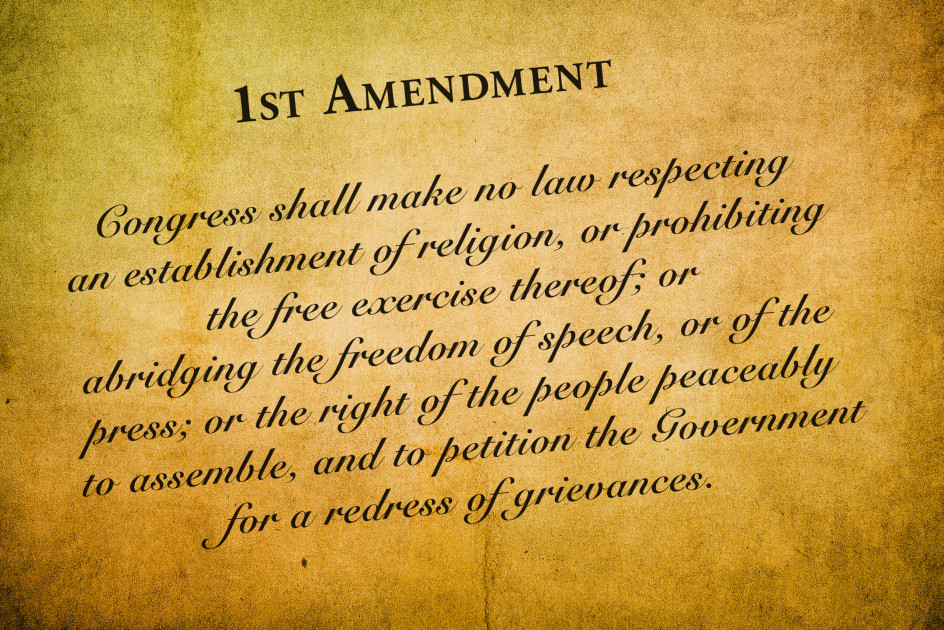
This new rule is a classic example of an unconstitutional condition. It attempts to use an individual employee’s student debt as leverage to punish their employer for engaging in legally protected speech and activity.
The government may not be able to directly ban a hospital from providing gender-affirming care, but this rule would allow it to financially punish every nurse who works there that has a student loan.
This is an attempt to achieve by coercion what the government cannot do by direct command.
This proposed rule is one of the most insidious and constitutionally dangerous actions of the new administration. Its target is not just a few thousand public servants; its target is the independence of American civil society itself – the vast network of non-profits, schools, and hospitals that serve our communities.
By weaponizing student debt, the administration is attempting to force these organizations to choose between their principles and the financial well-being of their employees. This is a direct assault on the pluralism and freedom of association that are essential for a healthy constitutional republic.