
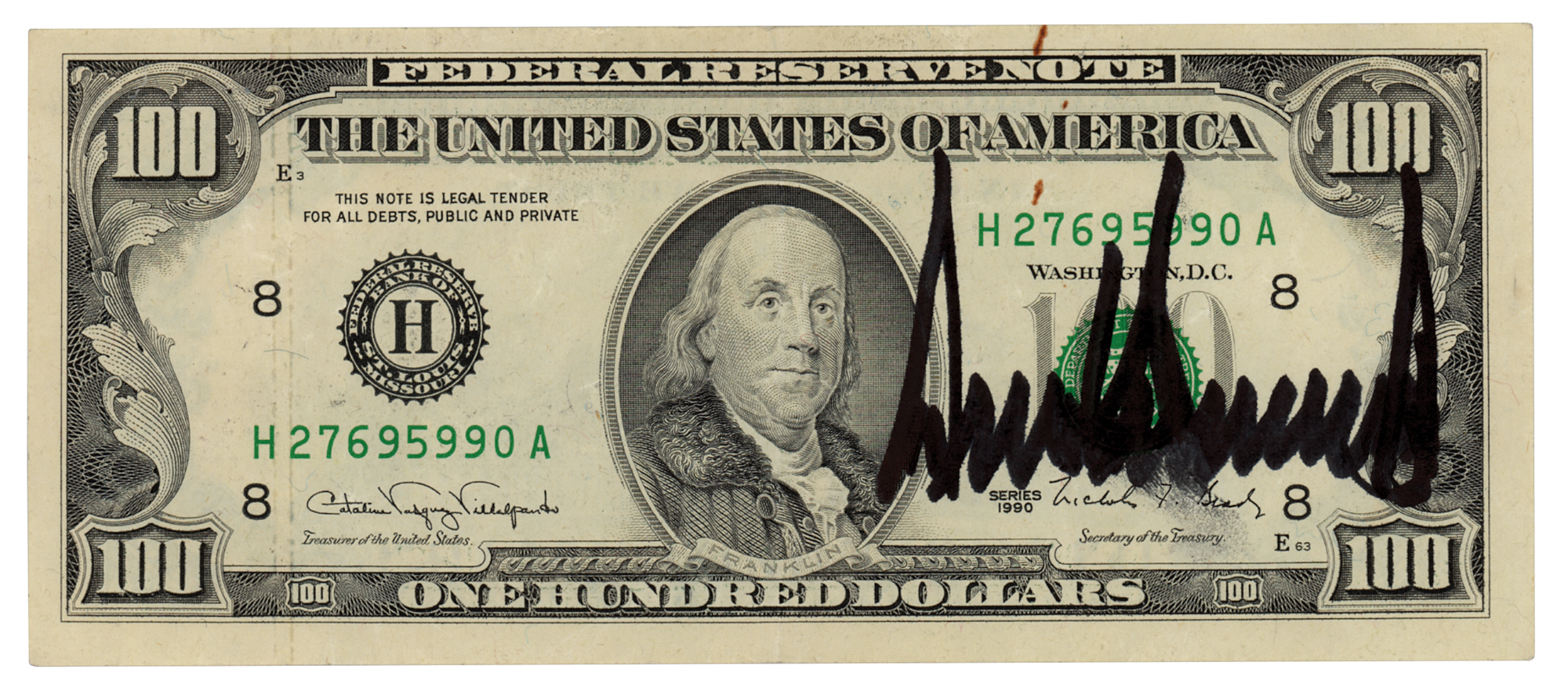
The Treasury Department says it plans to place President Donald Trump’s signature on U.S. paper currency as part of the country’s upcoming 250th anniversary of independence. If implemented as described, it would be a major break from modern practice, since U.S. banknotes typically carry the signatures of Treasury officials rather than the sitting president.
Join the Discussion
What Treasury says will change
Under the plan announced by Treasury, Trump’s signature would appear on all U.S. paper currency, taking the place of the Treasurer of the United States’ signature. Treasury described the shift as a way to mark the nation’s Semiquincentennial, the 250th anniversary of American independence.
Treasury Secretary Scott Bessent framed the decision as part of a broader message about the administration’s economic direction, stating: “Under President Trump’s leadership, we are on a path toward unprecedented economic growth, lasting dollar dominance, and fiscal strength and stability.”
Bessent also argued the symbolism is the point, saying: “There is no more powerful way to recognize the historic achievements of our great country and President Donald J. Trump than U.S. dollar bills bearing his name, and it is only appropriate that this historic currency be issued at the Semiquincentennial.”
That is a striking choice of symbol. The signature block on a banknote is a small detail most of us barely notice, but it is also one of the most “human” marks on a piece of federal power. Changing it is an easy way to signal who is steering the ship, especially during an anniversary year built around national storytelling.
A first for a sitting president
Treasury’s announcement describes the move as the first time a sitting president would have his signature placed on U.S. paper currency. It also says this would be the first time in 165 years that the Treasurer of the United States’ signature would be replaced on U.S. money.
And the Treasurer whose signature is being displaced publicly welcomed the shift. In a statement, Treasurer Brandon Beach said placing Trump’s signature on U.S. currency is “not only appropriate, but also well-deserved,” given his “mark on history as the architect of America’s Golden Age economic revival.”
Even if you are not a currency hobbyist, the “why” matters: American money is designed to look stable across time. When the look of a banknote changes, it tends to be for limited, practical reasons, like anti-counterfeiting upgrades, redesigns of portraits, or changes in the officials whose signatures appear because administrations change. A presidential signature on every bill is a different kind of statement. It is less about security features and more about commemoration and political identity.
When new notes could appear
According to reporting cited alongside the announcement, the first new notes expected to roll off the presses would be $100 bills produced in June, bearing the signatures of President Trump and Treasury Secretary Scott Bessent. Other denominations would follow “in the coming months.”
It is also worth noting that currency production does not pause simply because a new design is announced. The Treasury’s Bureau of Engraving and Printing is still producing notes that bear the signatures associated with the prior administration’s Treasury leadership, including Janet Yellen and Treasurer Lynn Malerba, meaning both versions could circulate side by side during any transition period.

What this does and does not mean
This announcement sits at an interesting intersection of civics and symbolism. The Constitution gives Congress the power “to coin Money” and “regulate the Value thereof,” and Congress has long delegated day-to-day currency design and production decisions to Treasury through statute and administrative practice.
So putting a presidential signature on paper bills is not the same thing as, say, putting a president on Mount Rushmore or changing the text of the Constitution. It is an administrative and statutory lane, not a constitutional amendment lane.
Still, money is one of the federal government’s most universal touchpoints. It is in wallets, tip jars, church donation plates, birthday cards, and vending machines. That makes currency a uniquely powerful canvas for national messages. When an administration chooses to imprint a president’s signature across every denomination, it is doing something more than tweaking a graphic. It is shaping a civic artifact that millions of people handle every day.
Why this will spark debate
Decisions like this often produce a two-track argument: first, whether it is permitted within Treasury’s authority, and second, whether it is wise as a matter of civic taste and long-term precedent.
The practical questions
- Cost and logistics: any large-scale design change has printing and rollout implications, even if the rest of the bill remains the same.
- Timing: with an anniversary date serving as a deadline, the pressure to move quickly can collide with the slow, careful pace of federal production.
- Continuity: if future administrations reverse course, the country could see rapid, politically driven shifts in a place Americans expect steadiness.
The civic questions
- Commemoration vs. personalization: a 250th anniversary naturally invites patriotic symbolism, but placing a living president’s signature on all notes will read to many people as elevating an individual alongside the nation itself.
- Norms: American political culture often draws a line between celebrating institutions and celebrating officeholders. Currency is one of the clearest examples of that norm in daily life.
Related efforts
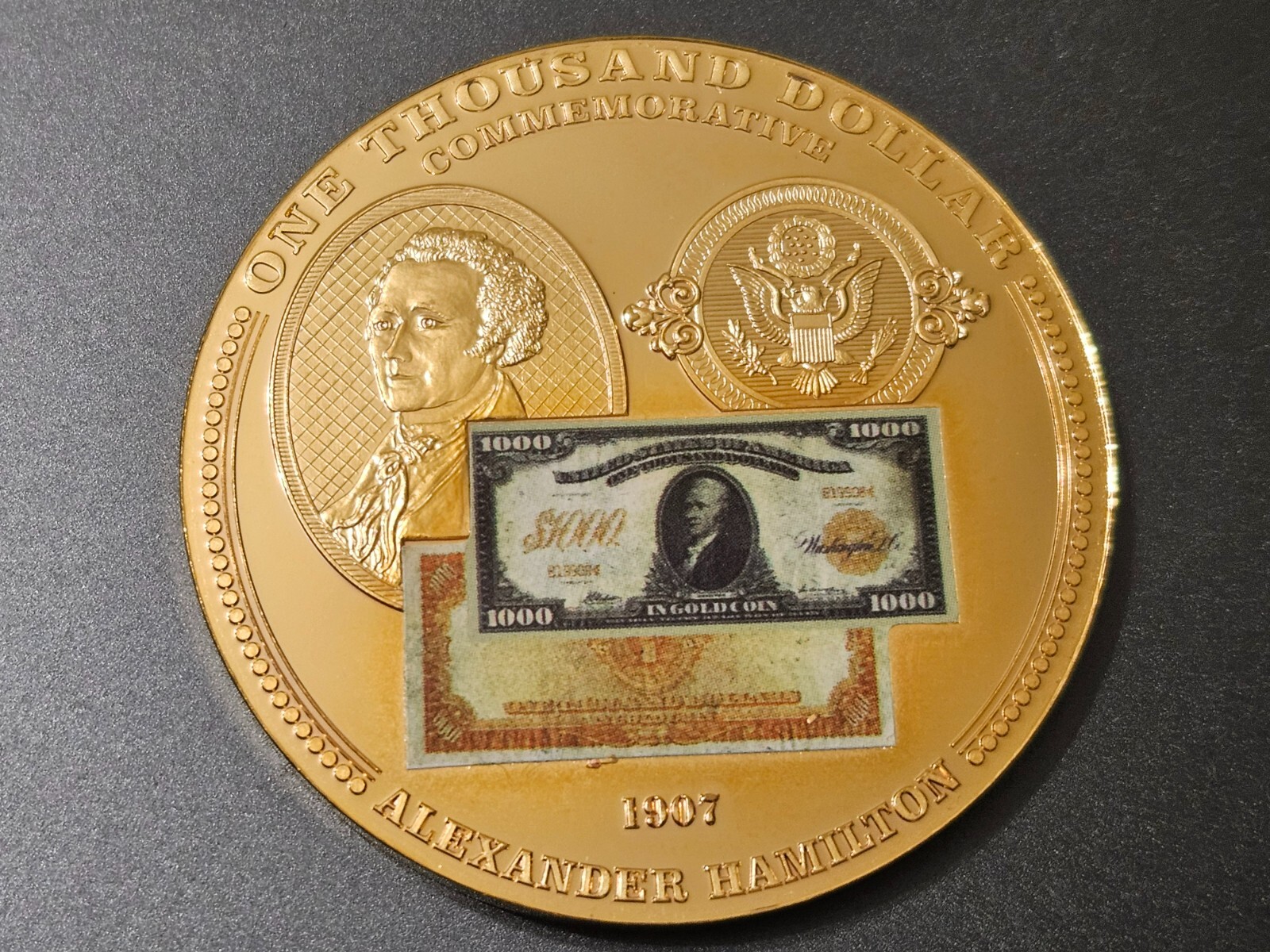
The currency-signature plan arrives amid other moves to place Trump’s name or image in prominent public-facing settings. The design of a commemorative gold coin bearing his image was also approved by a federal arts panel, according to the same reporting context surrounding the Treasury announcement.
Fox News also reports that Trump’s name has been placed on buildings, government programs, and institutions.
Whether you view these steps as patriotic branding or personal legacy-building, they reflect a consistent strategy: use civic objects and official trappings to reinforce a political narrative during a major national milestone.
What to watch next
If you are trying to make sense of what comes next, here are the practical markers that will matter more than the headlines:
- Implementation details: which series of notes change first, and whether all denominations truly shift on the same timeline.
- How long the notes circulate together: older signature combinations often remain common for years.
- Congressional reaction: even if Treasury has room to act, lawmakers can always press for hearings, restrictions, or clarifying legislation when a norm-changing decision touches something as sensitive as the nation’s money.
The United States will only have one 250th anniversary. The question is whether this change will be remembered as a brief commemorative flourish or as a precedent that future presidents feel entitled to follow.