
Join the Discussion
Setting the Stage: A Clash of Leadership
The Senate Judiciary Committee hearing on March 3, 2026, marked a pivotal moment in the ongoing discourse surrounding immigration enforcement and executive accountability.
At the center of this confrontation was Secretary of Homeland Security Kristi Noem, whose leadership has recently come under intense scrutiny following a controversial immigration operation in Minneapolis that resulted in the deaths of two American citizens, Renée Good and Alex Pretti.
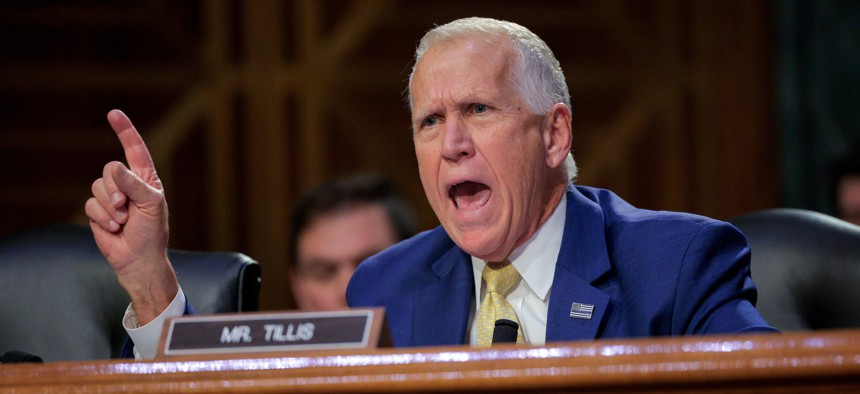
As the hearing unfolded, the rhetoric escalated, revealing deep-seated frustrations among lawmakers about the direction of the Department of Homeland Security (DHS). Senator Thom Tillis of North Carolina, a Republican who announced his retirement at the end of the year, emerged as a vocal critic, labeling Noem’s management as a “disaster.”
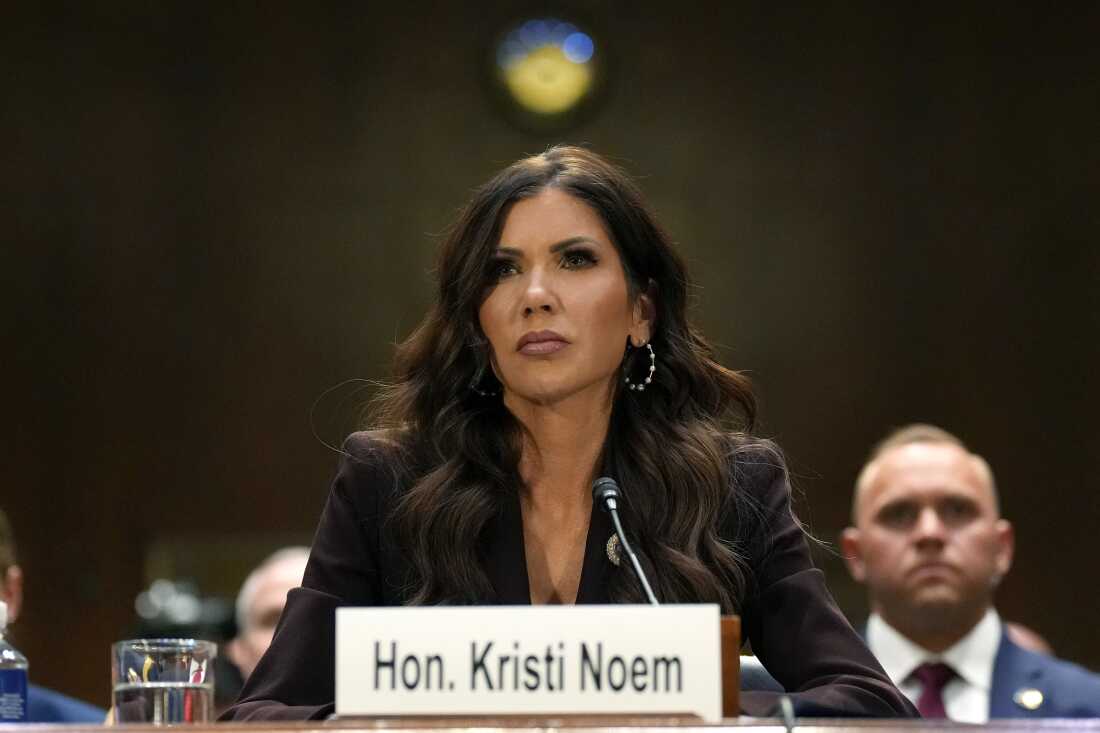
The stakes were high not only for Noem but also for the broader implications on legislative cooperation and the accountability of executive branch officials. The hearing was not merely an inquiry into DHS practices; it became a battleground for political posturing, particularly as tensions rise in an election year.
Legal and Political Friction
Senator Tillis’s critique was underscored by a series of pointed questions and threats to block presidential nominations until he received satisfactory answers about DHS operations. His comments reflected a broader concern regarding the efficacy and moral compass of immigration enforcement under Noem’s leadership.
Tillis referenced a letter from the DHS Office of Inspector General that detailed multiple instances where Noem allegedly obstructed internal investigations, labeling this behavior as a failure of leadership.
Tillis’s threats to hold up nominations can be seen as a strategic maneuver within the Senate, where the balance of power and political alliances dictate legislative outcomes. Given that he serves on several key committees, including Banking and Veterans Affairs, his ability to deny quorum could significantly stall legislative processes.
Denying quorum is a legislative tactic where a minority group of lawmakers or members refuses to attend or participate in a meeting, preventing the minimum number of members (a quorum) required to conduct official business. This action stalls proceedings, specifically blocking votes on legislation or, in some cases, causing a “negative quorum”
This interaction also highlights the challenge of accountability within the executive branch, particularly in how agencies like DHS operate in the context of immigration enforcement. The legal framework that governs these operations is often contentious, with differing interpretations of what constitutes lawful authority and the limits of executive discretion.
Historical Context: Immigration and Executive Authority
Noem’s tenure and the criticism from Tillis can be contextualized within a long-standing debate over the role of federal agencies in immigration enforcement. The DHS was established in the wake of the September 11 attacks, with a mandate to enhance national security.
However, the agency’s aggressive tactics have often sparked controversy, particularly regarding civil liberties and the treatment of American citizens.
The use of federal agents in immigration operations has raised questions about the balance between national security and individual rights. Past administrations have faced similar scrutiny, but the current political climate has intensified these discussions, particularly as the midterm elections approach.
The fear that federal agents could be deployed to polling places, as suggested by some political commentators, adds another layer of complexity to the issue.
Responses and Implications
Noem’s responses during the hearing reflected an attempt to navigate the hostile environment. She acknowledged that “mistakes have been made” but maintained that the operations conducted by her department were necessary for enforcing immigration laws.
This line of defense, however, did little to assuage criticism from both sides of the aisle.
Senate Judiciary Committee Chair Chuck Grassley, a Republican, also commented on the gravity of the situation, stating, “One death is too many.”
This sentiment, echoed by Democrats, underscores a bipartisan recognition of the need for reform in how immigration enforcement is conducted.

Moreover, the reaction from various committee members, including Democratic Senator Dick Durbin, who called for a moral reckoning at DHS, signifies a potential shift in legislative priorities. The political landscape may evolve to reflect a growing demand for accountability within the executive branch, particularly as voters express concerns about the implications of immigration policy on public safety and civil rights.
The Road Ahead: Implications for Governance
As the hearing concluded, the ramifications of Tillis’s accusations and Noem’s defense lingered in the air. With the midterm elections on the horizon, the fallout from this public confrontation may influence how immigration policy is debated and enacted in Congress.
Tillis’s threats to block nominations could lead to a legislative gridlock that hampers the executive branch’s ability to function effectively. This scenario raises essential questions about the balance of power between the legislative and executive branches, particularly regarding the Senate’s role in confirming nominees and overseeing agency operations.
Moreover, the underlying legal and constitutional principles at play—such as the necessity for accountability, the rule of law, and the protection of civil liberties—will continue to shape the discourse surrounding immigration enforcement.
The outcomes of these discussions may ultimately set the stage for future legislative initiatives aimed at reforming DHS and addressing the broader challenges within the U.S. immigration system.