
A congressional staffer hits “send,” and a handful of heavily redacted pages from the infamous Jeffrey Epstein files are released to the world. This small, seemingly procedural act has ignited a new and vicious round of partisan warfare on Capitol Hill.
This is not a story about the names in the documents. It is a story about the complete and cynical collapse of the congressional oversight process. It is a case study in how a solemn, constitutional search for truth can devolve into a chaotic, partisan information war.
A Partisan Document Release
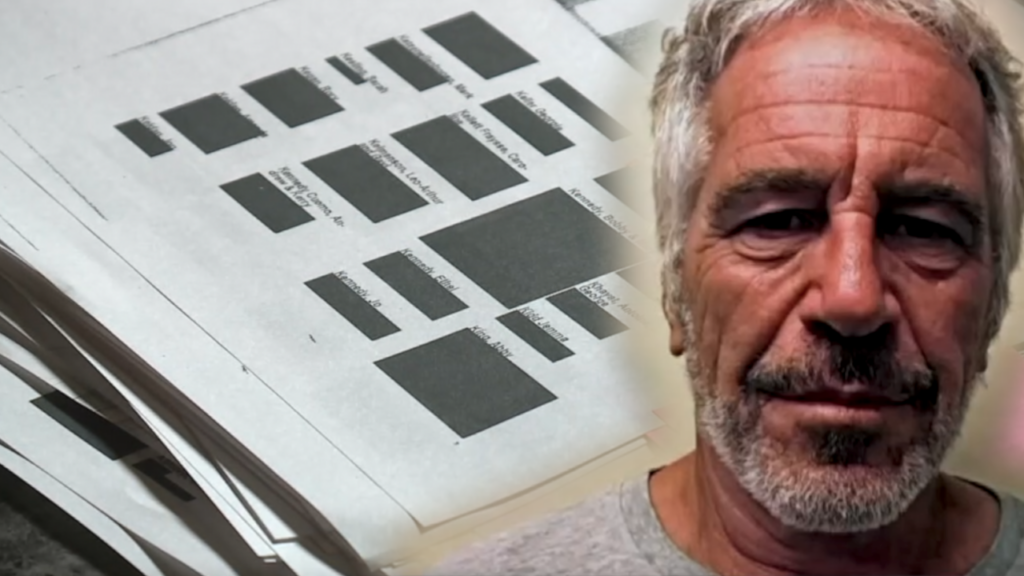
On Friday, Democrats on the House Oversight Committee unilaterally released six heavily redacted pages from the Epstein documents that the committee had received from the DOJ.
The documents, from Epstein’s apparent schedule, contained meetings and potential travel plans with some of the most powerful and controversial figures on the political right, including tech billionaire Peter Thiel, political strategist Steve Bannon, and X CEO Elon Musk.
The Republican response was immediate and furious. A GOP spokesperson for the committee accused the Democrats of “meaninglessly cherry-picking documents and politicizing this investigation.”
They charged that Democrats are “intentionally withholding documents that contain names of Democrat officials.”
The Illusion of a Real Investigation
This is not an act of genuine transparency; it is the weaponization of information. Both sides are now engaged in a cynical and destructive game. Instead of a unified, bipartisan committee working to uncover the full truth for the American people, we now have two warring factions selectively leaking tidbits of information to damage their political opponents.

This transforms a solemn investigation into a partisan food fight. The goal is no longer to find justice for Epstein’s victims, but to score points in the next news cycle.
A Constitutional Duty Corrupted
This is where the story becomes a profound constitutional tragedy. Congress’s power of oversight, rooted in Article I, is one of its most vital functions. Its purpose is to find facts, inform the public, and hold the powerful accountable.

The current spectacle is a corruption of that sacred duty. This is no longer a fact-finding mission; it is a narrative-creation mission. The process has devolved into a “trial by committee,” where innuendo replaces evidence and public accusation replaces due process. Releasing a redacted schedule entry that says “lunch with Steve Bannon” is not proof of a crime, but it is a powerful act of political insinuation.
The release of these six pages has told us very little that is new about Jeffrey Epstein.
It has, however, told us a great deal about the broken state of our Congress. When the constitutional power of oversight is no longer used to seek a shared truth, but to create competing partisan realities, the ultimate victim is not any one political party, but the American people’s faith in their own system of government.