
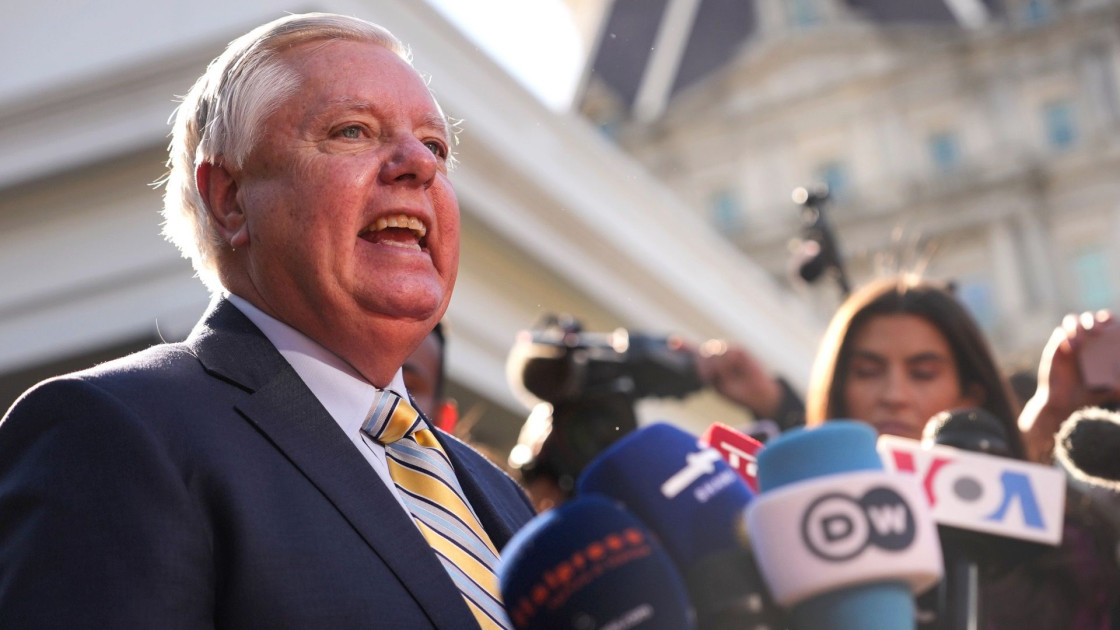
Senator Lindsey Graham wants to amend the Constitution to force members of Congress to forfeit their paychecks during government shutdowns. He introduced the proposal Wednesday – on day 30 of a shutdown that has left 1.3 million federal workers unpaid while senators and representatives continue collecting their $174,000 annual salaries without interruption.
Graham’s logic is straightforward: “If members of Congress had to forfeit their pay during government shutdowns, there would be fewer shutdowns and they would end quicker.”
He calls it “the most constitutionally sound way to deal with this problem.”
But here’s what makes this darkly amusing: The Constitution currently requires that Congress get paid regardless of shutdowns specifically because the Founders understood that making congressional pay dependent on political circumstances creates exactly the kind of leverage that produces shutdowns in the first place. Graham wants to amend the Constitution to fix a problem the Constitution was designed to prevent.
The Constitutional Provision Graham Wants to Change
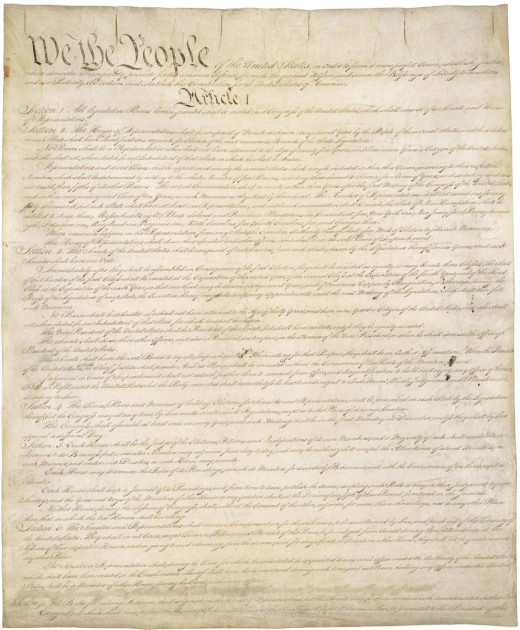
Article I, Section 6 states: “The Senators and Representatives shall receive a Compensation for their Services, to be ascertained by Law, and paid out of the Treasury of the United States.” The Twenty-Seventh Amendment – ratified in 1992 after 203 years – prevents Congress from changing its own pay mid-term.
These provisions weren’t accidents. The Founders worried that if congressional compensation could be withheld or manipulated, it would give presidents or factions leverage to coerce legislators. Guaranteed compensation protects legislative independence.
Graham’s amendment would eliminate that protection during shutdowns – the exact moments when political leverage matters most. He’s essentially proposing to weaponize congressional pay to force votes, which is precisely what the compensation clause was designed to prevent.
The Irony That’s Almost Too Perfect
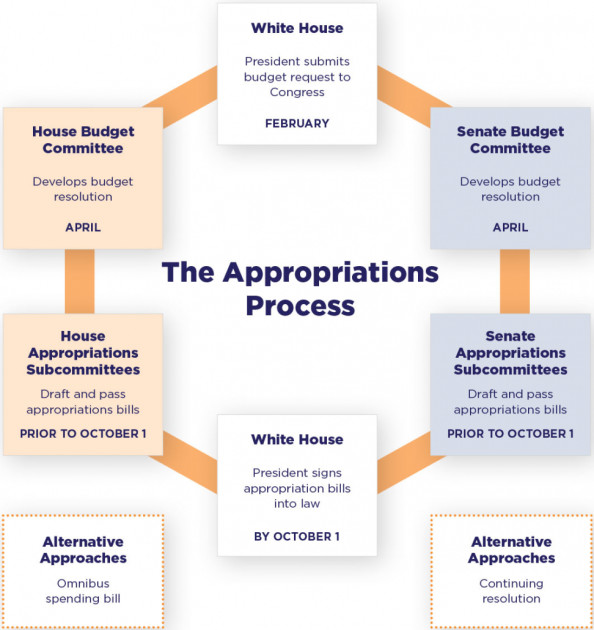
Congress is currently on day 30 of a shutdown they created by refusing to pass appropriations bills. Federal workers miss paychecks. Military families face financial crisis. Government services collapse. But every senator and representative continues receiving their salary on schedule.
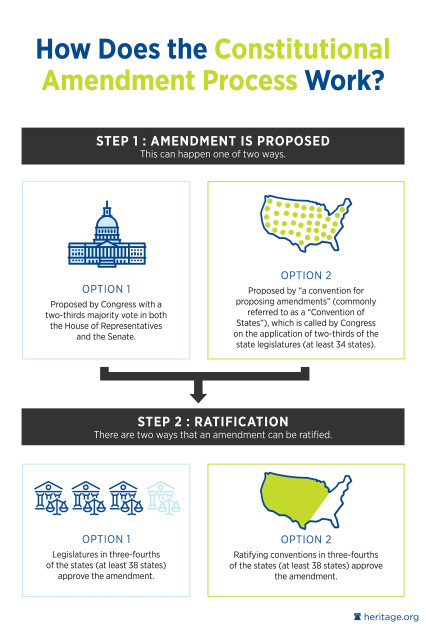
Graham’s proposal would change that. Except it would only apply to future shutdowns – assuming it could get the two-thirds vote in both chambers and ratification by 38 states. So the amendment wouldn’t affect the current shutdown or likely any shutdown in Graham’s remaining Senate tenure.
The senator announced he’s donating his shutdown paycheck to a veterans’ nonprofit. Representatives Nancy Mace and Ralph Norman have refused their paychecks. That’s voluntary charity. Graham wants to make it mandatory constitutional requirement.
But voluntary donation reveals the fundamental problem: If legislators feel guilty enough about getting paid during shutdowns to donate their salaries, why not just end the shutdown? The pay isn’t the obstacle to resolution. The political standoff is.
What Graham Actually Proposes
The amendment would require congressional salaries to be forfeited during shutdowns and used to pay down federal debt. That second part is revealing – Graham wants unpaid congressional salaries to reduce the deficit rather than, say, paying federal workers who aren’t getting paychecks.
So under Graham’s plan: Congress creates a shutdown by failing to appropriate funds. Federal workers go unpaid. Congressmembers forfeit their salaries. And that forfeited money goes to debt reduction rather than the workers Congress has left without income.
The priorities are illuminating. Debt reduction matters more than paying workers. Constitutional amendments matter more than passing appropriations bills. Punishing Congress matters more than ending the crisis Congress created.
The Amendment Process That Makes This Theater
Constitutional amendments require two-thirds majorities in both chambers. That’s 67 senators and 290 representatives voting to forfeit their own pay during future shutdowns. Then 38 states must ratify it.
The political dynamics make passage extraordinarily unlikely. Why would legislators vote to punish themselves? The few who feel strongly enough about shutdown pay have already solved it through voluntary donation. The rest apparently don’t view their continued compensation during crises as problematic enough to support constitutional change.
Even if it somehow passed Congress, state ratification would take years. The Twenty-Seventh Amendment took 203 years to ratify. More recent amendments have taken anywhere from 10 months to 4 years. Graham’s amendment wouldn’t affect any shutdown happening in this decade.
The Leverage Problem Graham Ignores
If congressional pay gets withheld during shutdowns, what happens to the political dynamics? Members with independent wealth can afford to hold out indefinitely. Members living paycheck-to-paycheck face immediate financial pressure to cave.
That creates class-based leverage within Congress. Wealthy members can sustain shutdown standoffs. Working-class members must capitulate or face personal financial crisis. The policy outcome depends not on which side has better arguments but on which side has members who can afford to go without pay longest.
The Founders understood this dynamic. They guaranteed congressional compensation specifically to prevent wealth from becoming a weapon in legislative disputes. Graham’s amendment would undo that protection and make personal finances a factor in political negotiations.
The Federal Workers Who Still Don’t Get Paid
Here’s what Graham’s amendment doesn’t do: pay federal workers during shutdowns. It doesn’t appropriate funds to keep government functioning. It doesn’t prevent shutdowns from occurring. It doesn’t establish automatic continuing resolutions if appropriations lapse.
It just punishes Congress financially for creating shutdowns without doing anything to help the 1.3 million federal workers who suffer when shutdowns occur. Those workers don’t get back pay unless Congress later authorizes it. They face eviction, missed bills, and financial ruin through no fault of their own.
But Graham’s proposal focuses on congressional pay rather than federal worker pay. It’s a solution to the optics problem – Congress looks bad getting paid while workers don’t – rather than the actual problem of government not functioning.

The “Foolish Exercise” Graham Enables
Graham called shutdowns “foolish exercises.” That’s accurate. They’re manufactured crises produced by political dysfunction where Congress fails to perform its basic constitutional responsibility of appropriating funds to operate the government it authorized.
But Graham has participated in this “foolish exercise” for his entire Senate tenure. He’s voted for shutdown strategies. He’s supported continuing resolutions that perpetuate dysfunction. He’s been part of the political calculations that make shutdowns recurring features of American governance.
Now, on day 30 of a shutdown he helped create through decades of enabling broken appropriations processes, he’s proposing a constitutional amendment that wouldn’t end the current shutdown, wouldn’t prevent future shutdowns, and wouldn’t help the workers harmed by shutdowns.
It would just make sure Congress suffers financially alongside the federal workers Congress is already making suffer.
The Constitutional Purpose Graham Wants to Reverse
The compensation clause exists because the Founders studied history. They knew that when legislatures’ pay depends on political circumstances, it creates leverage that distorts decision-making. English monarchs had withheld Parliamentary salaries to coerce votes. American colonial governors had used salary manipulation as political weapon.
Article I, Section 6 guarantees congressional compensation to prevent that leverage. Yes, it means senators get paid during shutdowns. That’s the price of legislative independence. The alternative – making congressional pay contingent on political outcomes – creates incentives for whoever controls the purse to manufacture crises to coerce votes.
Graham’s amendment assumes that financial pressure on Congress would force resolution. But it’s equally likely that financial pressure would be weaponized by factions to force capitulation rather than compromise.
What Actually Ends Shutdowns
Shutdowns end when political pain outweighs the benefits of maintaining standoffs. That pain comes from:
- Federal workers unable to pay bills
- Services deteriorating
- Voters angry about dysfunction
- Media criticism
- Electoral consequences
Congressional pay doesn’t factor significantly into those calculations. Senators earning $174,000 annually can weather a few weeks without paychecks. The financial impact on them is trivial compared to the impact on federal workers living paycheck to paycheck.
If losing a few paychecks would force Congress to end shutdowns, voluntary donation should work equally well. Graham, Mace, and Norman are already forgoing pay. Yet the shutdown continues into its fifth week.
That persistence reveals that pay isn’t the obstacle. Political positioning is. Each side believes maintaining the standoff serves electoral interests better than compromising does.
The Debt Reduction Misdirection
Graham wants forfeited congressional salaries to pay down federal debt. Let’s do the math. There are 535 members of Congress. Average salary is roughly $174,000. A month-long shutdown would generate about $7.7 million in forfeited pay.
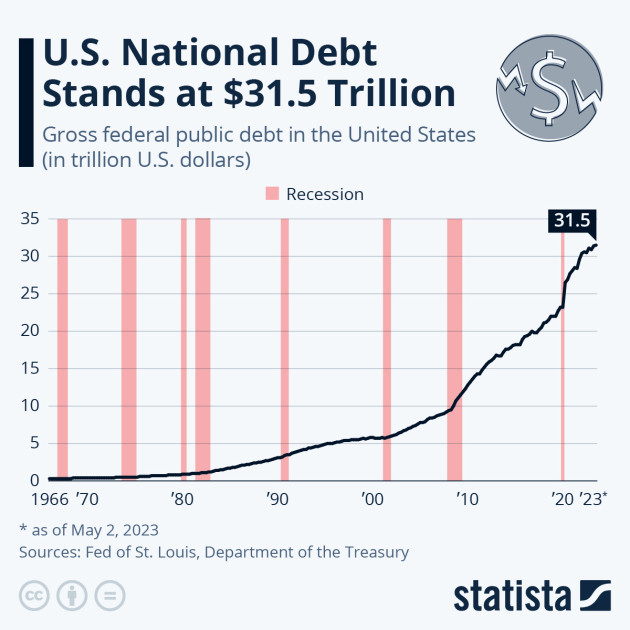
The federal debt exceeds $35 trillion. Congressional salaries forfeited during a month-long shutdown would reduce that debt by 0.000022%. It’s literally a rounding error’s rounding error.
The debt reduction provision isn’t about fiscal impact. It’s about messaging – showing that Congress takes debt seriously by applying forfeited pay to reduction. But if Congress took debt seriously, it would pass budgets that actually address structural deficits rather than lurching from shutdown to shutdown.
The Timing That Reveals Everything
Graham introduced this amendment on day 30 of a shutdown. Not before the shutdown. Not during previous shutdowns. Not when Democrats controlled government and Republicans were in opposition.
He introduced it now, when Democrats are blocking Republican funding proposals, when Trump is in the White House, and when a constitutional amendment that punishes Congress for shutdowns provides useful political messaging about which party is responsible for dysfunction.
The amendment won’t pass. Graham knows it won’t pass. But introducing it allows him to position himself as someone trying to solve the shutdown problem while the shutdown continues.
It’s legislative theater. Performance. A press release masquerading as policy. And it distracts from the actual solution – which is for Congress to pass appropriations bills and end the shutdown they created.
What This Reveals About Shutdown Politics
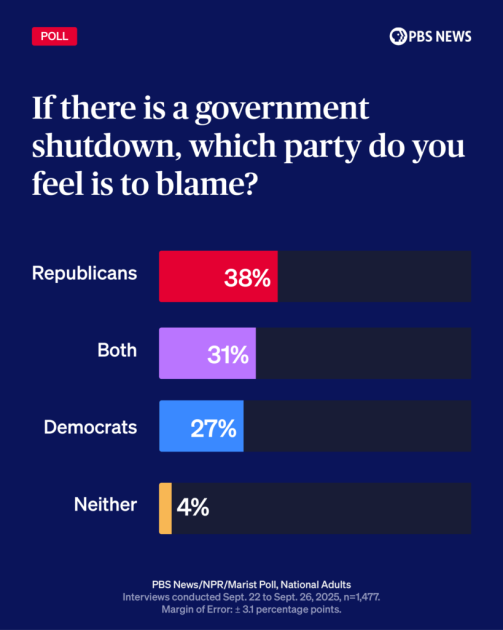
Shutdowns persist because they serve political purposes. Each side believes the other will get blamed. Each side calculates that holding out damages opponents more than compromising would benefit them. And each side has constituents who want them to fight rather than cave.
Congressional pay doesn’t factor into those calculations. Adding financial pressure wouldn’t change the political math. It would just ensure that Congress suffers financially alongside the federal workers they’re already making suffer.
That might satisfy voters’ desire to see Congress punished for dysfunction. But punishment doesn’t equal solutions. It just ensures everyone suffers equally while the fundamental problem – Congress’s inability to pass budgets on time – remains unresolved.
The Amendment That Won’t Happen
Graham’s proposal will die quietly. It won’t get committee hearings. It won’t come to floor votes. It will exist as a press release and talking point, not as serious legislation.
That’s probably for the best. The Constitution’s compensation clause serves important purposes protecting legislative independence. Amending it to create financial leverage during shutdowns would introduce new problems worse than the one it purports to solve.
But the proposal reveals something about how Congress approaches the shutdown crisis. Rather than ending the shutdown through compromise and appropriations, members propose constitutional amendments that won’t pass, donate paychecks that don’t matter, and generate press releases that do nothing for federal workers going without income.
Day 30. Federal workers still unpaid. Services still collapsed. And Congress still getting paid while proposing constitutional amendments to ensure they don’t get paid during future shutdowns they’ll create through the same dysfunctional appropriations process that produced this one.

The Founders guaranteed congressional pay to protect legislative independence. Graham wants to amend that protection to punish Congress for shutdowns. But the real punishment is watching elected officials propose constitutional amendments instead of simply ending the shutdown they created.
The federal workers can’t eat constitutional amendments. They need paychecks. And Congress – currently collecting theirs while proposing not to during future crises – could provide those paychecks tomorrow by doing the job they’re constitutionally required to do: appropriate funds to operate the government.
The amendment won’t pass. The shutdown will eventually end. And Congress will continue getting paid while federal workers bear the costs of political dysfunction that constitutional amendments won’t fix because the problem isn’t congressional pay – it’s congressional failure to govern.