
Colorado tried to do what many states have done over the last decade: use professional licensing law to block licensed counselors from performing so-called “conversion therapy” on minors. On March 31, 2026, the U.S. Supreme Court said Colorado went too far, at least under the legal test the lower courts used.
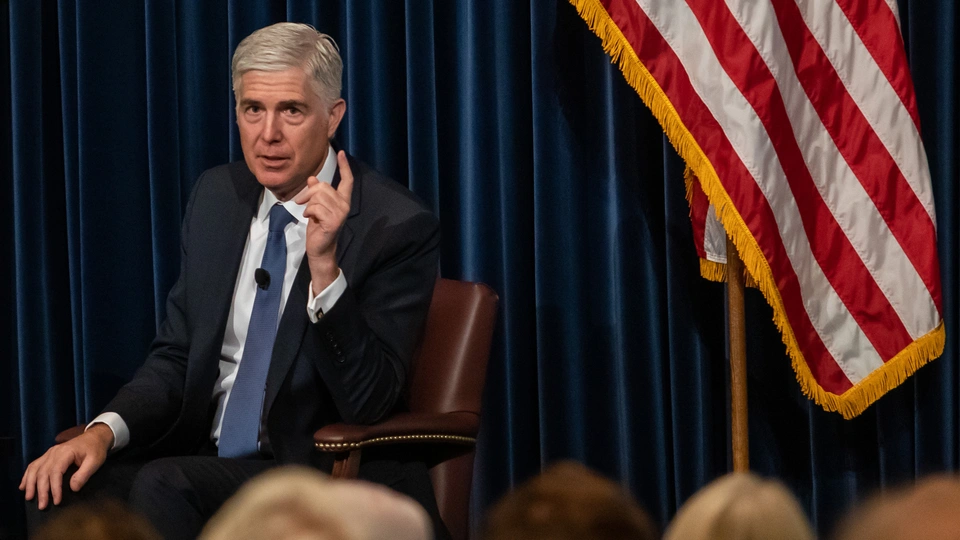
By an 8-1 vote, the Court ruled against the state’s 2019 ban as a likely violation of the First Amendment and sent the case back for further proceedings. Justice Neil Gorsuch wrote the opinion. Justice Ketanji Brown Jackson was the lone dissenter.
Join the Discussion
The basic clash
The question sounds narrow at first: Can a state stop licensed mental health providers from using talk therapy aimed at changing a minor’s sexual orientation or gender identity?
But the Court treated it as a collision between two forces that routinely compete in American life:
- The state’s police power to regulate professions for public health and safety, including licensing rules for counselors.
- The individual’s speech rights, especially when the state bans a particular message rather than a particular procedure.
Colorado argued it was regulating harmful treatment. The majority said the law functioned like a speech restriction because it targeted a viewpoint and punished a counselor for saying the “wrong” thing in the counseling room.
The majority view
Justice Gorsuch framed Colorado’s statute as a rule that “censors speech based on viewpoint”. That label matters because it triggers the highest form of legal scrutiny, which the lower court had not applied.
Gorsuch acknowledged the familiar public-interest argument states offer in these cases, then warned against letting that justification swallow the First Amendment:
“Colorado may regard its policy as essential to public health and safety. Certainly, censorious governments throughout history have believed the same,” he wrote.
Then came the broader warning about government-enforced ideology:
“But the First Amendment stands as a shield against any effort to enforce orthodoxy in thought or speech in this country,” Gorsuch continued. “It reflects instead a judgment that every American possesses an inalienable right to think and speak freely, and a faith in the free marketplace of ideas as the best means for discovering truth. However well-intentioned, any law that suppresses speech based on viewpoint represents an 'egregious' assault on both of those commitments.”
In the majority’s telling, Colorado did not merely set a professional baseline. It crossed into picking sides in a debate and using licensing as the enforcement mechanism. That is the constitutional line the opinion is determined to police.
The dissent’s warning
Justice Jackson’s dissent pressed a practical counterpoint: counseling is speech, but it is also a professional service. When a state regulates what counts as acceptable treatment, speech can be limited as a side effect.
Her bottom line was blunt:
“Our precedents do not compel this conclusion,” she wrote.
Jackson argued that “Speech uttered for purposes of providing medical treatment may be restricted incidentally when the state reasonably regulates the speaker's provision of medical treatments to patients.”
Her concern is straightforward. If professional guidance is treated as protected expression first and regulated conduct second, then the state’s ability to set minimum standards for licensed professions narrows dramatically.
Why this case mattered
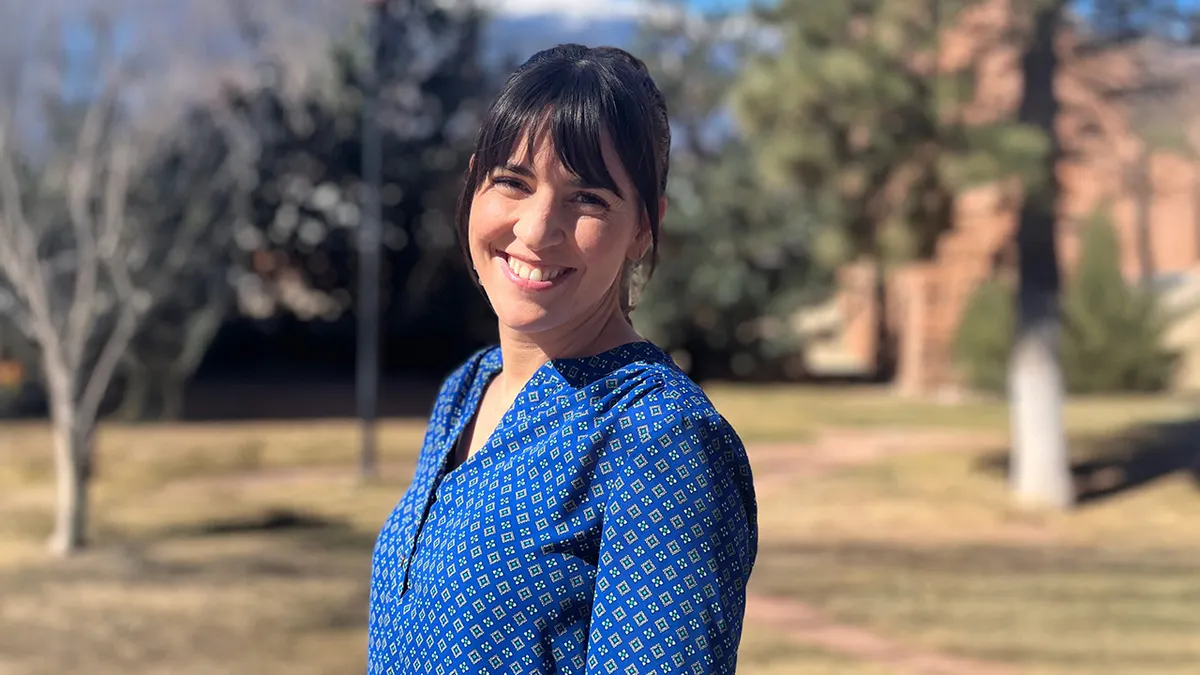
The challenge was brought by a Christian licensed therapist from Colorado Springs, Kaley Chiles, who alleged the law violates her free speech rights and prevents her from openly talking with clients about their desire to rid themselves of same-sex attractions or better align with their biological sex.
For Gorsuch, the problem was not simply that Colorado regulated a counseling technique. It was that the state allegedly dictated which conclusions a counselor could affirm. As he put it, “Colorado law does not just regulate the content of Ms. Chiles' speech. It goes a step further,” by “prescribing what views she may and may not express.”
The national backdrop
Conversion therapy has been widely discredited for decades by major American mental health and medical organizations. Half the states in the U.S. have outlawed the practice as ineffective and harmful to minors, often on a bipartisan basis. Those laws are now in question, and this ruling may reshape how states attempt to defend them.
LGBTQ advocacy groups reacted with alarm, arguing the decision will expose more children to harmful practices. Human Rights Campaign President Kelley Robinson said: “Today’s reckless decision means more American kids will suffer. The Court has weaponized free-speech in order to prioritize anti-LGBTQ+ bias over the safety, health and wellbeing of children.”
Supporters of the challenge hailed the outcome as a free-speech win. Jim Campell, the attorney for Chiles who argued the case before the Court, said: “States cannot silence voluntary conversations that help young people seeking to grow comfortable with their bodies. The decision today is a significant win for free speech, common sense, and families desperate to help their children.”
What happens next
Procedurally, the Court sent the dispute back to a lower court for further review of the law. Practically, Colorado is now on notice that if it wants to regulate counseling in this area through licensing, it must do it in a way that can survive the highest level of First Amendment scrutiny.
That is a hard bar to clear. If a restriction is treated as viewpoint discrimination, courts will be skeptical from the first step, even when the state says it is acting for health and safety.
The bigger question
Here is the civics-class question this decision drags into the daylight: When a state licenses a profession, is it licensing conduct or licensing speech?
If a state can ban particular counseling “messages” by calling them treatment, the First Amendment becomes a thin shield in any licensed field. But if the First Amendment blocks states from restricting what a licensed professional may say in a private session, licensing boards lose one of their sharpest tools for protecting patients, especially minors.
The Constitution does not resolve that tension with a comforting slogan. It resolves it case by case, often clumsily, sometimes brutally. Colorado just learned what it looks like when a free-speech claim becomes the gate that every regulatory argument has to pass through.