
When a headline says “the parliamentarian ruled,” it can sound like a judge has spoken. In reality, the Senate parliamentarian is not a justice, not an elected official, and not the final word on what the Senate can do.
The parliamentarian is closer to an in-house rules librarian with a microphone. The office advises the presiding officer on how the Senate’s rules and precedents apply, especially when the chamber is trying to move fast, avoid a filibuster, or push the boundaries of reconciliation.
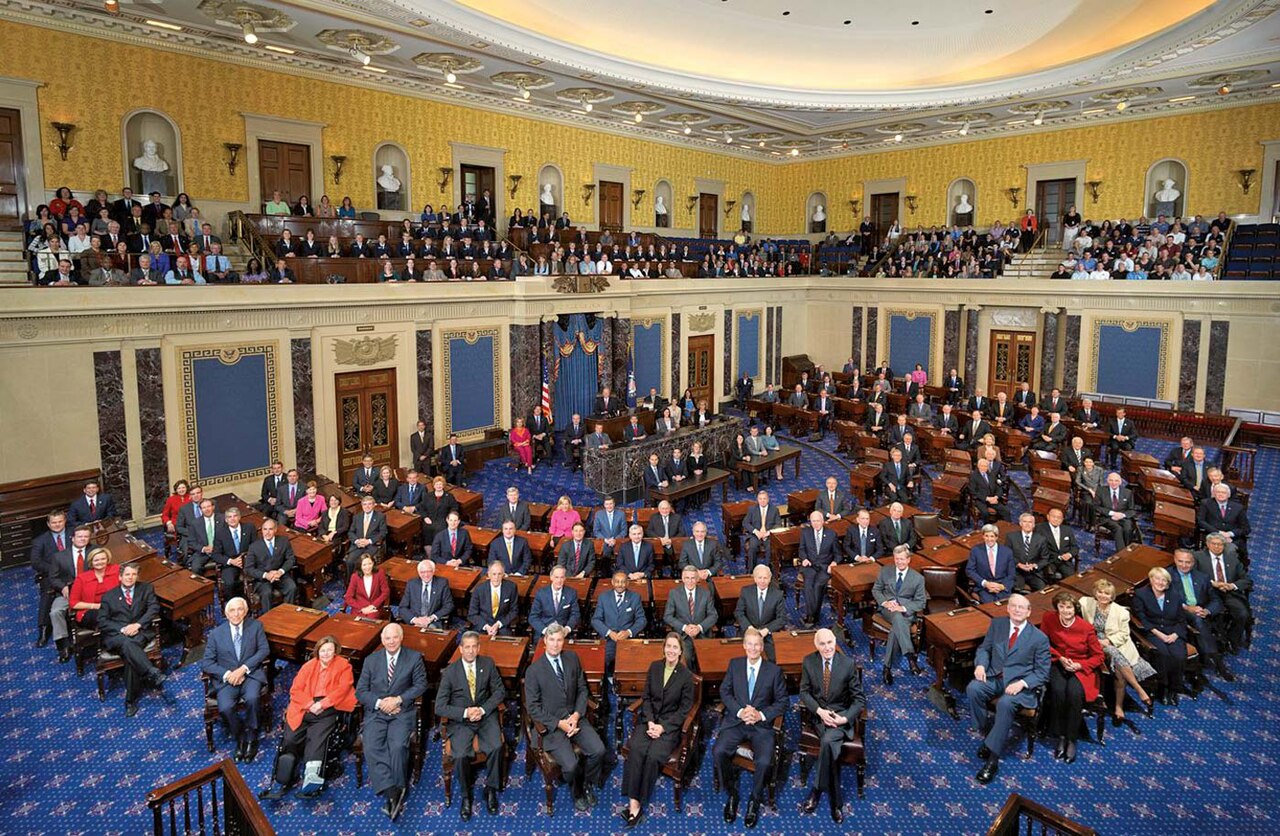
Join the Discussion
What the parliamentarian is
The Senate parliamentarian is a nonpartisan staff officer who advises the Senate on procedure. The job is to track what the rules say and, just as importantly, what the Senate has previously decided the rules mean. In a body where precedent functions roughly like common law, memory matters.
Administratively, the office sits within the Office of the Secretary of the Senate and works with a small staff. Their product is guidance. Their power is credibility. Their influence comes from the Senate’s institutional interest in applying its own rules consistently, even when doing so is politically inconvenient.
Nonpartisan does not mean irrelevant
The parliamentarian is not supposed to “help a side win.” But the parliamentarian’s interpretations can determine whether a proposal gets to pass with 51 votes or must survive the 60 vote cloture threshold. That is why the position is often discussed like a power center even though it is formally advisory.
What “advisory” means
In court, an opinion is binding. In the Senate, the parliamentarian’s guidance is an advisory opinion delivered to the presiding officer, usually the Vice President or a senator acting in that role. The advice is about what the rules require in a specific procedural moment.
Here is the key: the Senate’s rules are ultimately enforced through the presiding officer’s rulings and, behind that, through what the Senate is willing to sustain if a ruling is appealed.
Why senators treat it like law
- Predictability: If the Senate starts improvising its own rules case by case, every vote becomes a procedural brawl.
- Institutional legitimacy: Members of both parties benefit from the idea that the Senate has rules that outlast any majority.
- Time pressure: The parliamentarian’s guidance often prevents time-consuming floor fights.
Most of the time, the presiding officer follows the parliamentarian’s advice. That is a norm, not a constitutional mandate.
The Byrd Rule basics
The Byrd Rule is the Senate’s way of stopping “reconciliation” from becoming a loophole for passing any policy with a simple majority. Named for Senator Robert Byrd, it restricts what can be included in a reconciliation bill by allowing senators to raise a point of order against provisions deemed extraneous.
Reconciliation is a process created by the Congressional Budget Act to bring legislation into conformity with a budget resolution, primarily by changing spending and revenues and sometimes the debt limit. The Byrd Rule tries to keep reconciliation tethered to that budget purpose.
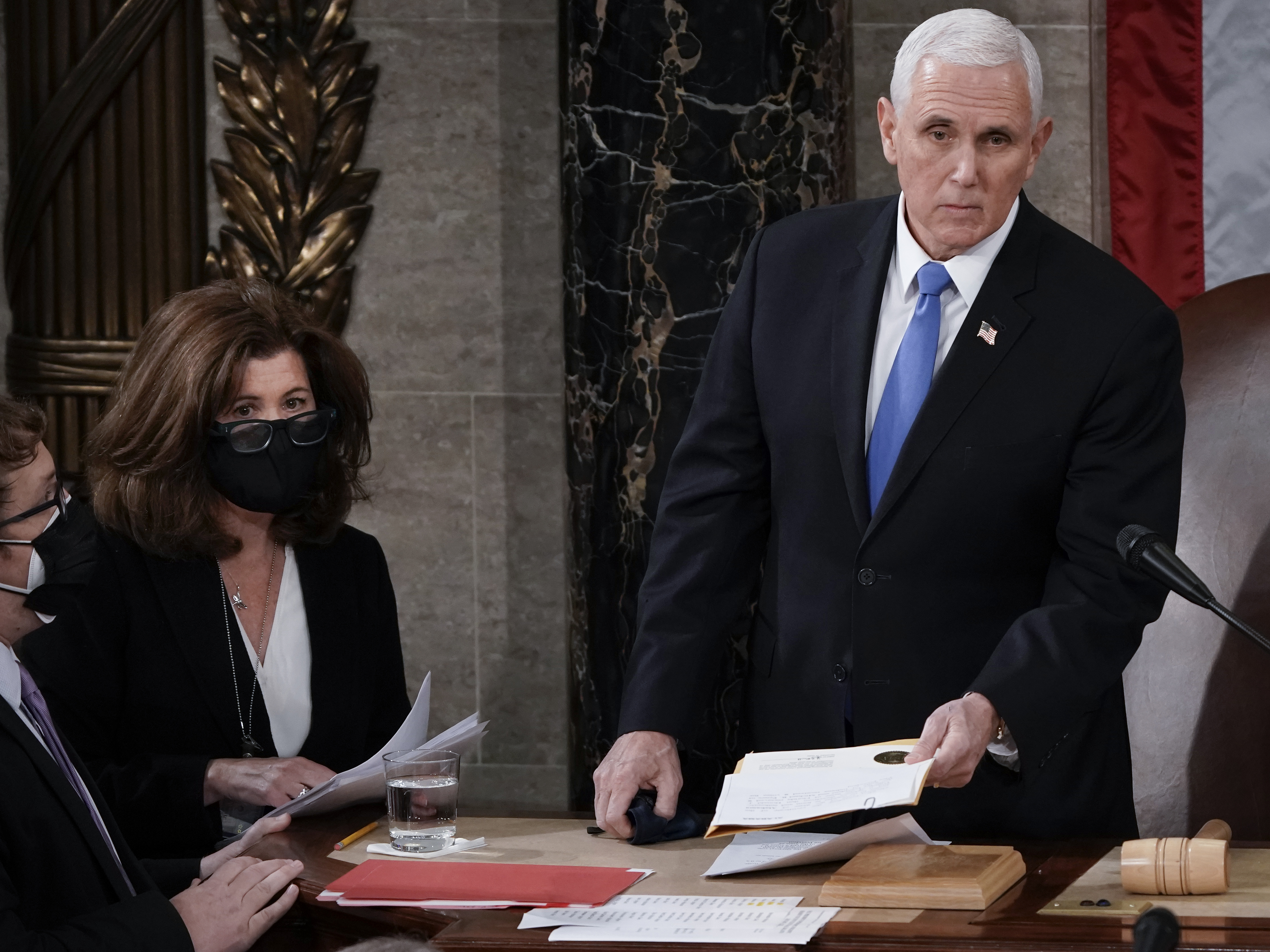
What counts as extraneous
Without turning this into a procedural treatise, the Byrd Rule is generally triggered when a provision:
- Has no meaningful effect on federal spending or revenue.
- Produces budget effects that are merely incidental to a broader policy change.
- Falls outside the jurisdiction of the committees that wrote the reconciliation instructions.
- Increases the deficit beyond the budget window set by the budget resolution.
- Changes Social Security, which is specially protected from reconciliation.
The phrase “merely incidental” is where much of the drama lives. A policy can have some budget impact and still be ruled out if the budget impact is minor compared to the policy’s non-budget purpose.
A quick example
Imagine a reconciliation provision that sets a broad nationwide regulatory mandate, with a small fee attached that raises some revenue. The fee might be real, but if the main point of the provision is regulatory and the budget impact is secondary, it is a classic “merely incidental” problem.
How it works in practice
Reconciliation matters because statute caps debate time on reconciliation measures. In practical terms, that means reconciliation is not subject to a filibuster in the way most legislation is, and it can typically pass with a simple majority rather than needing 60 votes to invoke cloture.
That simple-majority path creates a strong incentive to stuff a reconciliation bill with as many priorities as possible. The Byrd Rule is the counterweight, and the parliamentarian is the referee on what the Byrd Rule excludes.
The Byrd bath
Before a reconciliation bill reaches its most visible floor moments, staff and committees go through an intensive review process often called a “Byrd bath.” Senators and staffers workshop provisions with the parliamentarian’s office to assess what is likely to survive a Byrd Rule challenge.
This is where many provisions are revised, narrowed, or removed. The public may only see the final ruling, but much of the enforcement happens earlier through behind-the-scenes negotiation.
Points of order and what happens next
If a senator raises a Byrd Rule point of order against a provision, the presiding officer rules. In practice, that ruling is usually based on the parliamentarian’s advice. If the point of order is sustained, the provision is removed unless the Senate votes to waive the Byrd Rule.
Two practical clarifiers help here:
- Striking a provision is not the same as killing the bill: the rest of the reconciliation package can keep moving even if one section gets knocked out.
- Waiving is a high bar: waiving the Byrd Rule requires a three-fifths vote of senators duly chosen and sworn, which is typically 60 votes.
Where the public sees it
Many reconciliation fights culminate in the rapid-fire amendment marathon known as a vote-a-rama. The Byrd Rule does not disappear during those long hours. It is one reason the floor action can feel like speed chess with a rulebook.
Who can overrule whom
The parliamentarian cannot overrule anyone. The parliamentarian advises. The Senate decides.
There are three separate layers worth keeping straight:
- The parliamentarian: advises on rules and precedents.
- The presiding officer: issues a ruling from the chair.
- The full Senate: can uphold or overturn the chair if a ruling is appealed.
The chair can ignore the advice, but it is a choice
The presiding officer could rule contrary to the parliamentarian’s guidance. That would be a sharp break from Senate practice and would likely trigger an appeal to the full Senate. If a majority sustains the chair, that decision can become a new precedent, effectively rewriting how the rule is applied going forward.
This is why the parliamentarian’s role is often described as “advisory but powerful.” The office has no vote, but it sits at the pressure point where procedure becomes outcome.
The parliamentarian can be replaced
There is also a simpler, more political reality: the parliamentarian is a staff position. In practice, the majority can push for a change, and the Secretary of the Senate has the authority to appoint or remove the parliamentarian. That is rare and controversial, but it is part of why the office is influential without being untouchable.

Why it is not a court
Courts interpret law and issue binding judgments. The Senate parliamentarian interprets Senate rules and precedents to help the Senate run itself. That difference matters because it changes what “rule” even means.
The Senate controls its own rules
Article I, Section 5 states that each house of Congress “may determine the Rules of its Proceedings.” That is the constitutional foundation for the Senate’s procedural autonomy. The parliamentarian is part of how the Senate exercises that autonomy in a consistent, institutional way.
Courts usually stay out
As a practical matter, internal procedural disputes in Congress are often treated as political questions or otherwise nonjusticiable. That means the “final court” for Senate procedure is usually the Senate itself, not the Supreme Court.
So when people look for a judicial-style authority to stop a majority from stretching reconciliation, the uncomfortable answer is that the enforcement mechanism is mostly internal: norms, precedents, and votes.
Common misunderstandings
“The parliamentarian killed the bill.”
The parliamentarian cannot kill a bill. What happens is narrower: a provision can be ruled out of order under the Byrd Rule, which forces lawmakers to either rewrite it, drop it, or find the votes to waive the rule. The obstacle is the Senate’s rules and vote thresholds, not the parliamentarian’s personal veto.
“Reconciliation means anything can pass with 51 votes.”
Reconciliation is a special process with specific limits. If a provision is mainly regulatory, structural, or symbolic rather than budgetary, it is a prime candidate for Byrd Rule trouble.
“If the parliamentarian is nonpartisan, the outcome should be neutral.”
Nonpartisan means the guidance is grounded in rules and precedents rather than party goals. But Senate rules can have partisan effects depending on what each party is trying to do at a given moment.
Why it matters
The Senate is built to make legislation hard. The filibuster is one reason, but it is not the only one. When reconciliation becomes the path of least resistance, the Byrd Rule becomes the gatekeeper, and the parliamentarian becomes the most visible interpreter of what the gate allows.
That is why a parliamentarian headline is never just trivia. It is a signal that the Senate is operating at the edge of its own rules, where “procedure” is really a fight over how durable major policy change can be.
The takeaway
The Senate parliamentarian is a nonpartisan staff expert who advises on Senate procedure. In reconciliation fights, that advice often determines what survives the Byrd Rule and what gets stripped out. But the office is not a court, and its opinions are not self-enforcing. The Senate can choose to follow the guidance, waive the rule with the required supermajority, or attempt to set new precedents through rulings and appeals.
In other words: the parliamentarian does not run the Senate. The Senate runs the Senate. The parliamentarian simply keeps the rulebook open to the right page.