
Treasury Secretary Scott Bessent sat in the middle rows of the Supreme Court chamber Wednesday, flanked by Commerce Secretary Howard Lutnick and Trade Representative Jamieson Greer. The three men responsible for negotiating Trump’s trade deals watched as the justices spent two and a half hours doing something unexpected – holding a Republican president to the same constitutional standards they’d applied to his Democratic predecessor.
The question before the Court isn’t just about tariffs. It’s about whether the presidency itself has become too powerful for the Constitution to contain.
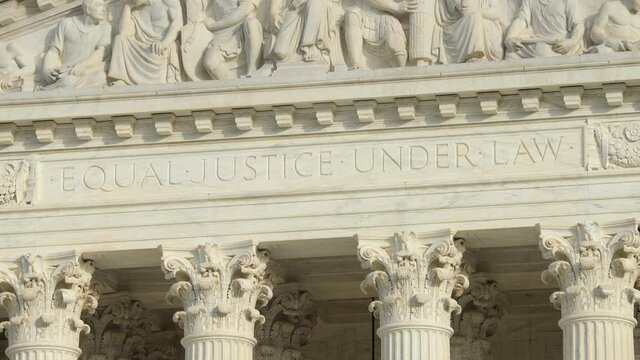
When Your Own Appointees Ask the Hard Questions
Justice Amy Coney Barrett wasn’t accepting easy answers. She drilled down on a single word: “regulate.”
The Trump administration argues that when Congress gave presidents power to “regulate” imports during emergencies, it implicitly authorized tariffs. Barrett wasn’t buying it. She questioned whether the word has “frequently been used to allow for tariffs” – a skepticism that revealed the administration’s central problem.
If Barrett sounds unconvinced, Trump is in trouble. She’s gone her own way before, and her vote will likely determine whether $195 billion in collected tariff revenue gets refunded to American importers.
The Law Trump Says Gives Him Unlimited Economic Power
The International Emergency Economic Powers Act – IEEPA – was passed in 1977. Presidents have invoked it dozens of times over the decades, mostly to impose sanctions on hostile nations. It’s emergency power, meant for genuine crises.
Trump is the first president to use it for tariffs. Not during a war, not during a natural disaster – during negotiations over trade policy.
Here’s what makes this constitutionally problematic: The Constitution explicitly grants Congress the power to impose taxes and regulate commerce. Trump’s lawyers argue that IEEPA lets him do both without asking permission. Chief Justice John Roberts noted the law “has never been used before to justify tariffs.”
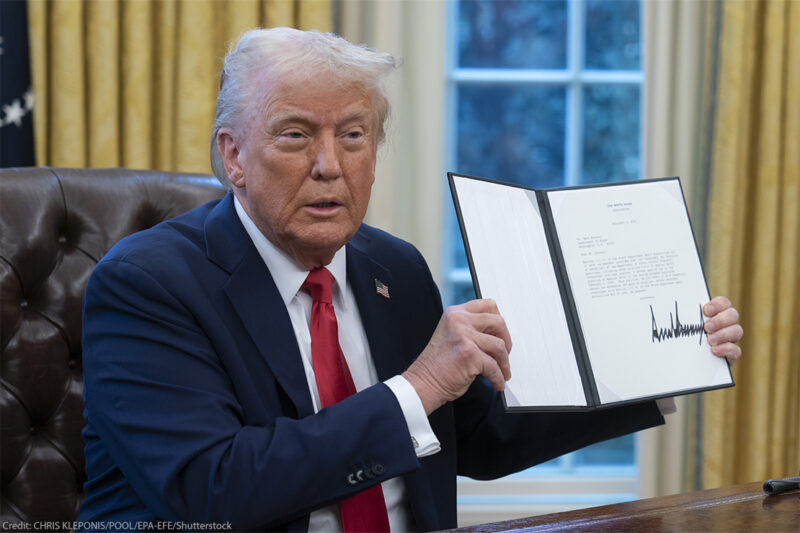
There’s a reason for that. Every other president understood that crossing this line would invite exactly the constitutional crisis now unfolding.
The $195 Billion Question
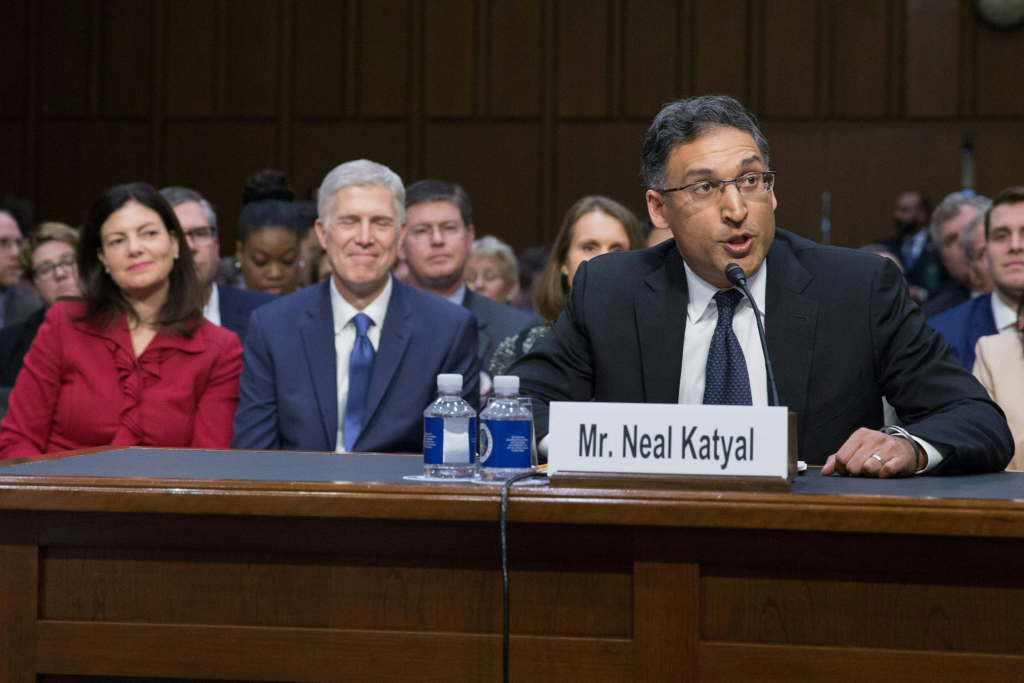
Under questioning, attorney Neal Katyal – representing the small businesses challenging the tariffs – conceded it would be “difficult” to refund the nearly $90 billion Treasury has collected so far from Trump’s emergency tariffs. That figure will climb to $195 billion if the Court rules against the administration.
But there’s precedent. In the 1990s, courts struck down a harbor maintenance fee as unconstitutional and established a system for exporters to reclaim their money.
The Trump administration’s response? These tariffs aren’t really taxes – they’re foreign policy tools. Justice Sonia Sotomayor wasn’t having it. “You want to say tariffs are not taxes, but they are,” she said.
Trump himself has repeatedly boasted about the revenue his tariffs generate. Now his own lawyer stood before the Court claiming revenue wasn’t the main purpose.
What Happens When “Emergency” Becomes Permanent Policy?
Justice Neil Gorsuch – another Trump appointee – posed the question that cuts to the constitutional heart of the case. If the president can declare trade imbalances a national emergency and impose any tariff he wants, what limits exist?
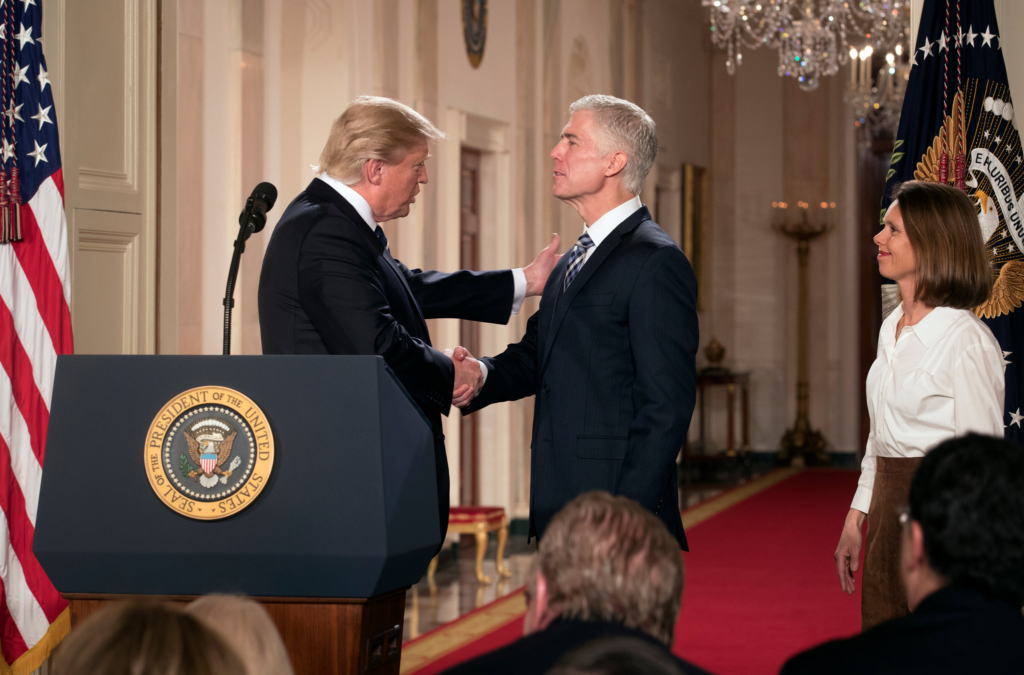
Trump’s Solicitor General John Sauer offered a remarkable answer: A future president could declare climate change a national emergency and use tariffs to address it. Gorsuch extracted this concession deliberately – it reveals that the power Trump claims is limitless.
This is the “nondelegation doctrine” in action – the idea that Congress cannot hand over its constitutional powers to the executive branch without clear limits. The doctrine hasn’t been successfully invoked since 1935, but Justice Samuel Alito couldn’t resist ribbing Katyal about reviving it.
“Mr. Katyal, I wonder if you ever thought your legacy as a constitutional advocate would be as the man who revived the nondelegation argument?” Alito asked.
The courtroom chuckled.
“Heck yes!” Katyal replied.
The Biden Standard Comes Home to Roost
The conservative majority on this Court struck down President Biden’s $500 billion student loan forgiveness plan using the “major questions doctrine” – the principle that Congress must speak clearly on issues of “vast economic and political significance.”
Now Chief Justice Roberts is asking whether that same standard applies here. It should. Trump’s tariffs affect hundreds of billions in trade, reshape America’s relationships with every trading partner, and fundamentally alter who holds economic power in the federal system.
The question is whether the Court will apply its principles consistently – or whether presidential authority expands and contracts based on whose policies are being challenged.

Why Trump Says He’ll Be “Defenseless” Without Unlimited Tariff Power
The president has warned that America will be rendered “defenseless” if he loses this case. It’s dramatic rhetoric disconnected from legal reality.
Trump would still have multiple statutory authorities to impose tariffs. Section 122 of the Trade Act of 1974 allows tariffs up to 15% for up to 150 days to combat trade deficits – no emergency required. There’s also a Depression-era statute authorizing up to 50% tariffs against countries treating American businesses unfairly.
What Trump would lose is nearly boundless authority to impose any tariff he wants, anytime he wants, simply by declaring an emergency. That’s not being rendered defenseless – that’s being subject to the Constitution.
The Doughnut Hole Defense
Justice Brett Kavanaugh posed an intriguing hypothetical to Oregon’s lawyer Benjamin Gutman. The emergency law clearly gives presidents power to completely shut down trade – an embargo. Why would Congress rationally grant that enormous authority but not allow even a 1% tariff?
Kavanaugh called it a “doughnut hole” in the law – an inexplicable gap. Gutman’s response drew laughs: “It’s not a doughnut hole but a fundamentally different pastry.”
The distinction matters. Embargoes stop shipments during genuine emergencies. Tariffs start tax bills – and the Constitution reserves taxation power for Congress. Gutman was arguing that emergency authority to halt commerce in a crisis doesn’t include routine authority to tax it for revenue or negotiating leverage.
Whether that distinction survives depends on five votes.
What the States Say Trump Is Really Doing
Oregon Attorney General Dan Rayfield emerged from the courthouse furious. Trump’s attorney “had the gall to look all of those justices in the eyes and say these are not taxes on the American people, and they’re doing it by abusing an emergency power.”
A dozen states sued over the tariffs, arguing they’re paying the price while Trump claims emergency powers for what amounts to ordinary trade policy.
The tariffs hit “when Americans are facing an affordability crisis,” Rayfield noted – hardly the moment for a president to unilaterally impose what amounts to a national sales tax.

This is the human cost hiding behind the legal abstractions. Small businesses say these tariffs threaten their survival. They’re not debating foreign policy theory – they’re calculating whether they can afford to stay open.
A 1976 Precedent That Might Save Trump
Justice Kavanaugh pointed to a case that could provide the administration an escape route. In 1976, the Supreme Court unanimously upheld President Gerald Ford’s tariffs on oil imports – based on a statute that also didn’t explicitly mention the word “tariff.”
“The court 9-0 rejected the argument” that the absence of the word tariff doomed Ford’s action, Kavanaugh noted. If that precedent controls, Trump wins.
But there’s a difference. Ford acted under a specific statute designed for energy policy. Trump is claiming that any emergency grants him unlimited tariff authority – a far broader assertion of power.
The Foreign Policy Shield That Might Not Protect Him
The Trump administration’s fallback argument is that tariffs are foreign policy tools, and courts traditionally defer to presidents on foreign affairs. Chief Justice Roberts seemed receptive, noting that Trump’s tariffs “were quite effective in achieving objectives.”
But effectiveness isn’t the constitutional test. Justice Clarence Thomas pressed on whether the president could impose tariffs to pressure China into returning an American hostage. Katyal said no – because “tariffs are different because they’re revenue raising.”
That distinction is constitutionally critical. Congress holds the taxation power. Foreign policy authority doesn’t override it.
What This Case Reveals About Power in America
After more than two and a half hours, Roberts announced “the case is submitted.” The justices will now vote in private conference, and a decision could take weeks or months.
But Wednesday’s arguments revealed something immediate: A Court that aggressively checked Biden’s executive power is being asked whether Trump deserves different treatment. The justices – including three Trump appointees – asked the hard questions.
Whether they’ll answer them consistently with their own recent precedents is the test that matters. Not just for these tariffs, but for what the presidency itself has become – and whether the Constitution still constrains it.
The framers gave Congress the power to tax precisely because they feared executive authority would become tyrannical if it controlled the treasury. That wasn’t a suggestion. It was the entire point.