
Sometimes the biggest headline in a Supreme Court story is not what the justices decided. It is what they refused to decide.
When a court labels an issue a political question, it is not saying the issue is “too political” in the everyday sense. Almost everything in constitutional law has political consequences. The Court is saying something narrower and more structural: this is not a question the judiciary is supposed to answer, either because the Constitution assigns it to the elected branches or because there is no workable legal standard for a judge to apply.
That is why you often hear the phrase in the news when stakes are highest: war powers, foreign affairs, impeachment, election disputes, and the rules of democracy itself.
Join the Discussion
What a “political question” is
The political question doctrine is a principle of federal courts law that tells judges: some constitutional disputes are nonjusticiable, meaning they are not appropriate for judicial resolution.
In plain terms, a court may refuse to decide a case even when it involves the Constitution, even when the issue is nationally important, and even when people are clearly harmed, if deciding it would require the judiciary to take over a job the Constitution gives to Congress or the President.
The classic modern formulation comes from Baker v. Carr (1962), which listed several signals that a case presents a political question. You do not need to memorize the list to understand the idea. Most of the time, the doctrine boils down to two themes:
- Textual commitment: the Constitution clearly assigns the issue to another branch (for example, parts of impeachment).
- No judicially manageable standards: even if the issue is important, courts cannot translate it into legal rules a judge can apply consistently (this has mattered in some gerrymandering disputes).
Political question vs. other limits
“Political question” is part of a bigger family of gatekeeping doctrines often grouped under justiciability. When courts talk about justiciability, they are asking: is this the right kind of dispute, at the right time, brought by the right party, in the right posture, for a federal judge to resolve?
Here is how the political question doctrine differs from its close siblings:
Standing
Standing asks whether the plaintiff is the right person to sue. Did they suffer a concrete injury caused by the defendant that a court can likely remedy? A political question case can involve real injuries. The problem is not who is suing. The problem is what the court is being asked to do.
Mootness
Mootness asks whether the dispute is still alive. If the controversy disappears, the case generally goes away. Political question is different: the controversy can be very alive and still be treated as nonjusticiable.
Ripeness
Ripeness asks whether the dispute is premature. Political question is not about timing. It is about institutional role.
Certification and certiorari
Headlines sometimes blur a few Court-related terms. Certiorari is the Supreme Court’s discretionary choice to hear (or not hear) an appeal. When the Court denies certiorari, it usually says nothing about the merits.
Certification is different. It is a procedure in which one court asks another court to answer a specific legal question (for example, a federal court asking a state supreme court to clarify a point of state law).
Both are different from a political question ruling, which is a threshold decision about justiciability and the judiciary’s proper role, not a judgment on who should win on the underlying constitutional claim.
Where it shows up
Political question arguments cluster in a few recurring categories. The details shift, but the underlying theme stays the same: courts are being asked to referee something the Constitution expects the political branches to handle through elections, oversight, diplomacy, and internal rules.
1) Foreign affairs and security
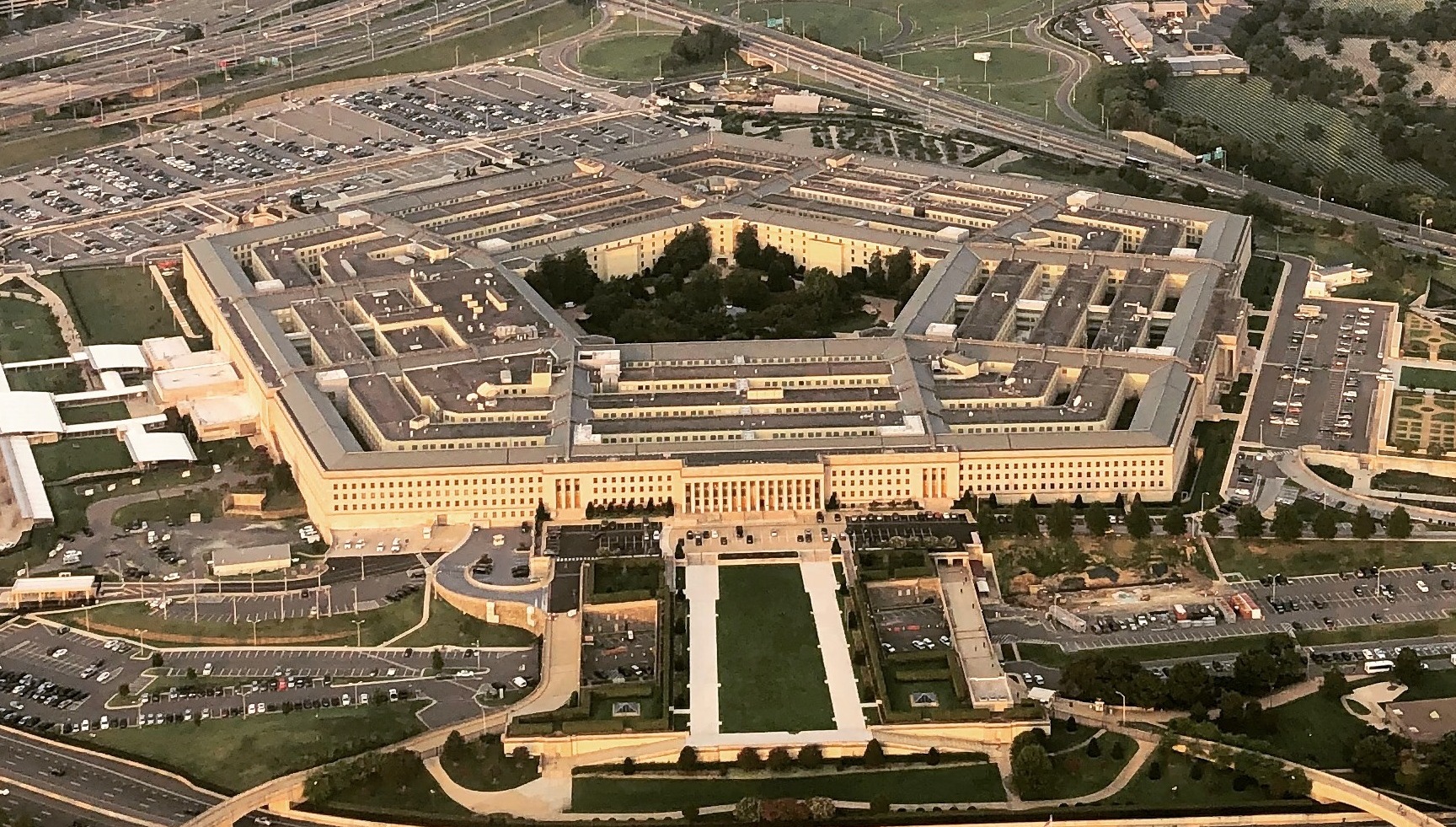
Foreign policy is a frequent candidate because the Constitution divides responsibilities between Congress and the President, and because courts often lack manageable standards for second-guessing high-level diplomatic or military judgments.
That does not mean foreign affairs are automatically immune from judicial review. Courts regularly decide cases involving treaties, executive power, sanctions, and individual rights during wartime. A useful counterexample is Zivotofsky v. Clinton (2012), where the Court rejected the political question defense and held that a dispute touching foreign affairs could still present a standard legal question a court can decide. But when a lawsuit effectively asks a judge to choose between competing foreign policy options, the political question doctrine is often waiting in the wings.
2) Impeachment
If you have ever heard a commentator say the Supreme Court “cannot overturn an impeachment,” they are gesturing at political question logic.
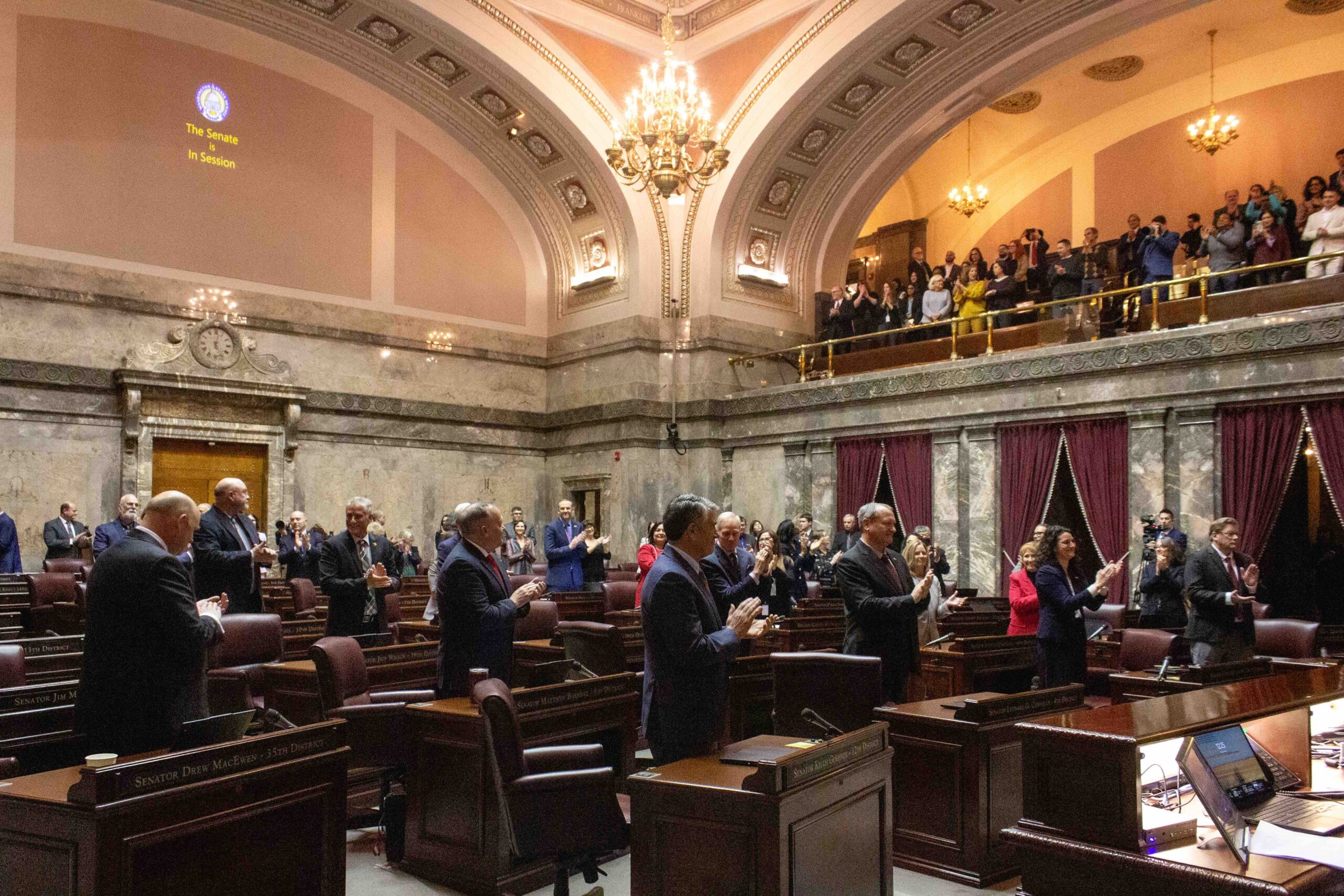
The Constitution gives the House the “sole Power of Impeachment” and the Senate the “sole Power to try all Impeachments.” In Nixon v. United States (1993) (about a federal judge named Walter Nixon, not President Nixon), the Supreme Court treated challenges to the Senate’s impeachment trial procedures as nonjusticiable.
The reasoning was straightforward: the Constitution gives the Senate the power to “try” impeachments, and the judiciary is not meant to supervise how the Senate conducts that trial. The remedy, if you think the Senate did it wrong, is political: votes, accountability, and the Senate’s own rules.
3) Partisan gerrymandering
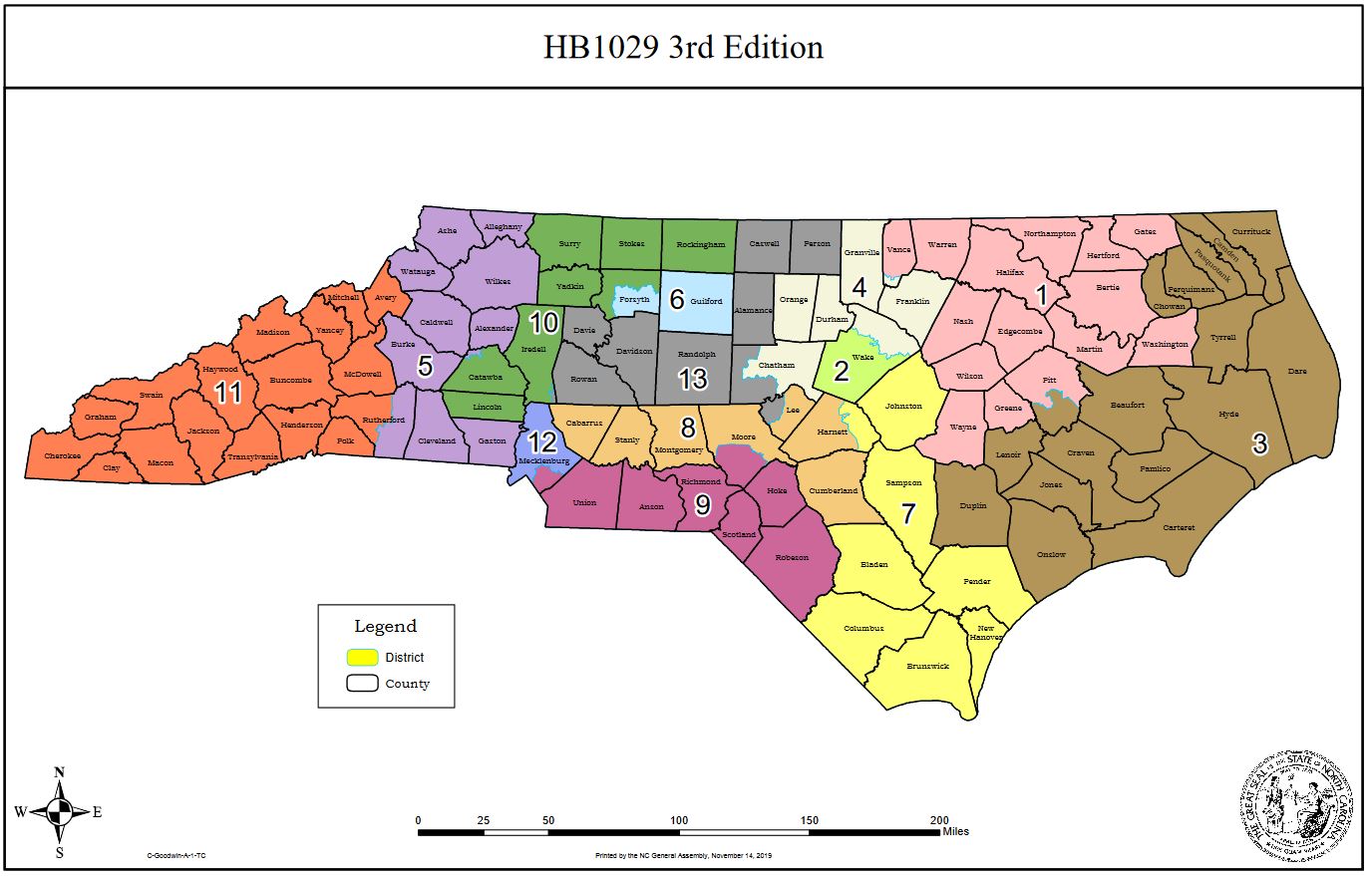
Gerrymandering is where many Americans first encountered the phrase “political question,” because the Court’s approach has shifted over time.
In Baker v. Carr, the Court held that some election districting claims are justiciable, helping open the door to the “one person, one vote” cases under equal protection. But partisan gerrymandering has been treated differently.
In Rucho v. Common Cause (2019), the Court held that claims of partisan gerrymandering are beyond the reach of federal courts. The majority described the claims as presenting political questions and emphasized a familiar concern: there is no clear, judicially manageable federal standard for how much partisanship is too much when drawing district lines, at least under the federal Constitution as the Court understood it.
Two important clarifications often get lost in news summaries:
- Rucho did not say gerrymandering is unfixable. It pointed to Congress, state constitutions, independent commissions, and state courts as possible paths.
- Rucho was about federal courts. Many anti-gerrymandering fights moved to state courts and state constitutional law afterward.
What it protects
It is tempting to hear “political question” as a judicial shrug. Sometimes it can feel like that, especially when the underlying dispute is urgent. But the doctrine is rooted in a particular theory of constitutional design.
Separation of powers
The Constitution does not create one all-purpose national decider. It creates competing institutions with different incentives. Courts are designed for legal reasoning, precedent, and consistent rules. Congress is designed for bargaining, oversight, and representing shifting public coalitions. The President is designed for energy, speed, and unified decision-making.
That is a simplification, but it captures the institutional idea behind the doctrine. Political question doctrine tries to stop the judiciary from becoming a super-legislature or a permanent referee over the internal workings of the other branches.
Legitimacy and enforceability
Courts rely on public acceptance and institutional compliance. If the judiciary issues orders that are not realistically enforceable or that require continuous supervision of another branch’s internal processes, it can weaken the Court’s authority in the long run. Political question doctrine is partly a recognition of those limits.
A classic example
If you want the old-school version of the doctrine, the Guarantee Clause is a frequent reference point. Article IV promises that the United States shall guarantee every state a “Republican Form of Government.”
In Luther v. Borden (1849), the Court treated a Guarantee Clause dispute as a political question, reasoning that deciding which competing state government was legitimate was a job for the political branches, not the judiciary. That history is one reason the Guarantee Clause is often taught as the doctrine’s classic home base, even though modern cases do not always rely on it.
Why you keep hearing it
The phrase tends to surface in three kinds of moments:
- When a lawsuit asks a court to police democracy’s ground rules, like districting and election administration.
- When a case targets internal congressional processes, especially impeachment-related disputes.
- When major national security or foreign policy decisions are challenged, and the requested remedy would require a judge to substitute their judgment for elected officials’ choices.
In each scenario, the Court is not necessarily declaring the issue unimportant. It is deciding which institution the Constitution expects to take responsibility for it. In practice, political question analysis can also overlap with other doctrines and defenses in high-stakes cases, including standing, sovereign immunity, and the state secrets privilege.
Common misconceptions
“It is too controversial.”
No. The Court decides controversial questions constantly. A political question is about constitutional allocation of decision-making power, not about whether a case will produce angry headlines.
“There is no law involved.”
Also no. Many political question disputes involve constitutional text. The point is that the Constitution sometimes assigns enforcement to political mechanisms instead of courts.
“Nobody can challenge it anywhere.”
Not necessarily. The doctrine applies most strongly in federal court. Some claims can be brought under state constitutional law in state courts, and some issues can be addressed through statutes, congressional oversight, elections, or internal rules.
How to spot the argument
If you want a fast mental checklist when you see “political question” in a headline, ask:
- What remedy is the plaintiff asking for? Does it require the court to supervise Congress or direct foreign policy choices?
- Is there a legal standard a judge can apply? Or is the court being asked to pick a “fair” outcome without clear constitutional measuring tools?
- Does the Constitution assign this job explicitly? Words like “sole power” are a flashing signal.
The doctrine is not a guarantee that courts will stay out. It is an argument about institutional boundaries. And like many boundary fights in constitutional law, it tends to matter most when power is contested and the stakes are high.