
The Constitution gives the President a familiar choice when Congress sends a bill to the White House: sign it into law or veto it and send it back. But there is a third option that can feel counterintuitive. The President can do nothing, and if Congress has adjourned in the right way at the right time, the bill dies without a signature and without a standard veto that Congress can override.
That is the pocket veto. It is not a different kind of presidential power so much as a timing mechanism created by the Presentment Clause in Article I, Section 7. And like most constitutional timing rules, it becomes clearest when you walk through it on a calendar.
Join the Discussion
Where the pocket veto comes from
The pocket veto lives in the Presentment Clause, Article I, Section 7, Clause 2. The key language is the part that describes what happens when the President does not sign a bill:
If the President does not return a bill within ten days (Sundays excepted), it becomes law as if signed, unless Congress has adjourned in a way that prevents the President from returning it. In that case, the bill does not become law.
So the pocket veto is not triggered by a special presidential message. It is triggered by a collision between (1) presidential inaction and (2) an adjournment that makes returning the bill impossible in the constitutional sense, meaning impossible to return to the originating chamber in a way that preserves Congress’s ability to promptly reconsider it.
The 10-day rule, in plain English
The Constitution gives the President ten days, excluding Sundays, to decide what to do with a bill after it is presented. Four different outcomes can follow.
Timeline A: Signature
- Day 0: Congress presents the bill to the President.
- Any day before the deadline: President signs.
- Result: The bill becomes law immediately (unless the bill sets a later effective date).
Timeline B: Regular veto (return veto)
- Day 0: Bill is presented.
- By Day 10 (Sundays excluded): President returns the bill to the chamber where it originated with objections.
- Result: Congress can attempt an override by a two-thirds vote in both the House and Senate.
Timeline C: No action, Congress stays available
- Day 0: Bill is presented.
- Day 10 arrives: President has not signed or returned it.
- Result: The bill becomes law automatically. This is sometimes called a bill becoming law without signature.
Timeline D: No action, Congress adjourns in a way that blocks return
- Day 0: Bill is presented.
- Before Day 10: Congress (or the originating chamber) adjourns in a manner that prevents the President from returning the bill with objections in the constitutional sense.
- Day 10 arrives: President still has not signed it.
- Result: The bill dies. No signature, no law, and no standard override vote.
The pocket veto is Timeline D. It is a veto by silence plus an adjournment that blocks a valid return.
What counts as adjourned
This is where the pocket veto stops being a simple civics definition and becomes a recurring constitutional argument.
The text does not say “adjourned at the end of a session.” It says an adjournment that prevents return of the bill. That raises a practical question: return to whom, exactly?
The core idea
A regular veto requires the President to return the bill with objections to the originating chamber. If that chamber is not available to receive it, the President cannot perform the constitutional “return.” The pocket veto is the Constitution’s answer to that scenario.
The least controversial case
The clearest pocket veto scenario is an adjournment sine die at the end of a session, when Congress is truly done and will not reconvene as the same session to take up a returned bill.
Where it gets contested
Harder questions come up during intrasession recesses (breaks within a session) and some intersession adjournments (between sessions), especially when Congress arranges ways to receive messages anyway. In the 18th and 19th centuries, an adjournment often meant legislators left town and Congress was functionally offline. Today, Congress can authorize officers or agents to receive messages, schedule short sessions, and keep a paper trail moving even when most members are away.
That modern reality is why pocket veto disputes tend to focus on whether Congress truly made return impossible, or merely inconvenient, and on whether the originating chamber remained capable of receiving the bill and acting on it.
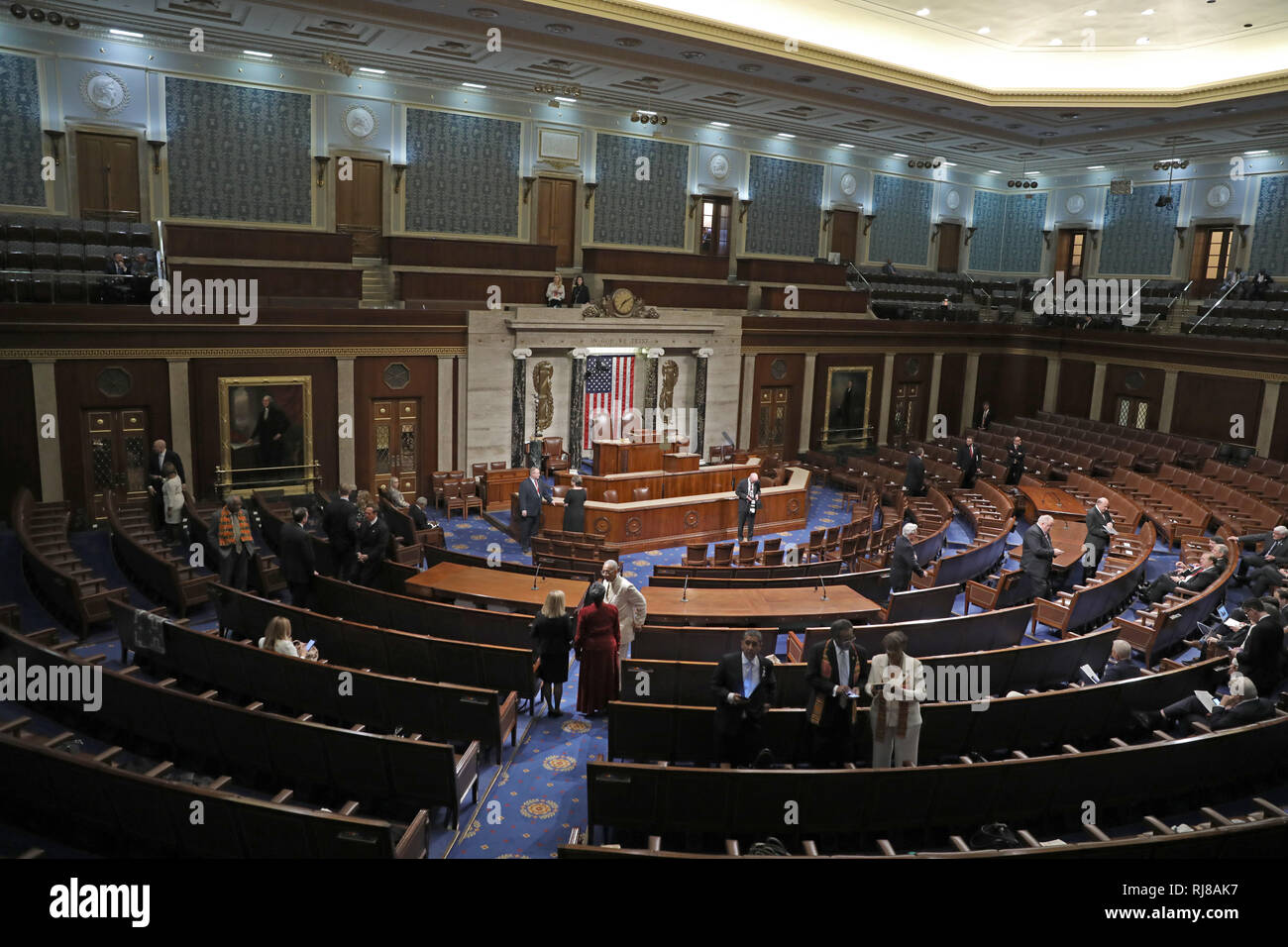
Pocket veto vs regular veto
The difference is not the President’s opinion of the bill. It is what Congress can do next.
- Regular veto: The President sends the bill back with objections. Congress can respond with an override vote. The veto is a direct, visible constitutional confrontation.
- Pocket veto: The President does not return the bill and Congress is adjourned in a way that prevents return. Congress cannot override because there is no returned bill to reconsider while Congress is in session and able to act.
In other words: a regular veto invites a second round. A pocket veto ends the round by running out the clock.
A simple example
Imagine Congress passes a bill on December 18 and presents it to the President that day.
Example 1: Congress stays in session
- Dec 18: Presented to the President.
- Congress remains available.
- By the 10-day deadline (excluding Sundays): If the President does nothing, the bill becomes law without a signature.
Example 2: Congress adjourns and return is blocked
- Dec 18: Presented to the President.
- Dec 20: Congress (or the originating chamber) adjourns in a way that prevents a constitutional return.
- Deadline arrives: President does nothing.
- Result: The bill dies by pocket veto.
This is why end-of-session timing matters. A bill delivered to the President late in a congressional session can be especially vulnerable, not because the bill is weaker, but because the calendar is.
How Congress reduces pocket veto risk
Congress cannot force the President to sign a bill. But Congress can try to deny the President the specific conditions that make a pocket veto possible.
1) Manage the calendar
If Congress wants to reduce pocket veto risk, it can aim to present important bills earlier, giving the President’s ten-day window time to expire while Congress is still available.
2) Use pro forma sessions
One common modern tactic is to avoid lengthy adjournments by holding brief sessions every few days, sometimes with only a handful of members present. The goal is to remain technically in session so the President can return a veto message and Congress can receive it.
3) Designate someone to receive messages
Congress has also relied on the idea that it can designate officers or agents to receive messages even when many members are away. That practice is part of why “adjournment that prevents return” is not always self-evident today.
These strategies do not eliminate pocket veto disputes, but they explain why pocket vetoes are rarer in modern times than the raw constitutional text might suggest.
What courts have said
The Supreme Court has recognized pocket vetoes as real and constitutional when Congress’s adjournment prevents a return. But fights often turn on what counts as prevention, and modern practice is not perfectly settled across every kind of recess or adjournment.
If you want the shorthand case map: The Pocket Veto Case (1929) upheld a pocket veto after an intersession adjournment; Wright v. United States (1938) approved a return veto during an intrasession recess where an officer could receive the message; and Kennedy v. Sampson (D.C. Cir. 1974) is an influential lower-court decision limiting pocket veto use during intrasession adjournments when Congress has arranged for receipt, though it is not a Supreme Court ruling.
Two broad principles show up repeatedly in litigation and historical practice:
- Function over form: If Congress cannot practically receive the returned bill in a way that preserves its ability to reconsider and override, a pocket veto argument gets stronger.
- Availability matters: If Congress builds procedures to stay available, even during breaks, the argument that return is “prevented” gets weaker.
Because the edge cases can get messy, Presidents sometimes use a “protective” approach during disputed adjournments by returning the bill with objections while also asserting that the pocket veto would apply. It is a way to avoid betting everything on one interpretation of “prevents return.”
One real-world anchor
Pocket vetoes are often associated with end-of-session timing. For example, President Franklin D. Roosevelt used the pocket veto repeatedly when bills arrived near adjournments, taking advantage of the fact that Congress could not promptly receive a returned veto and attempt an override.
Why it matters
It is easy to treat the pocket veto like a historical quirk, but it changes bargaining leverage around deadlines.
- For Presidents: It offers a way to kill a bill without issuing a formal veto message that might inflame a political fight or invite an override attempt.
- For Congress: It creates a strong incentive to manage timing and adjournment strategy, especially at the end of a session.
- For the public: It is a reminder that constitutional power is often procedural. The outcome can hinge on a calendar as much as on votes.
Quick pocket veto checklist
- The bill has been presented to the President.
- The President does not sign it within ten days, Sundays excluded.
- Congress (or the originating chamber) adjourns in a way that prevents a constitutional return of the bill with objections.
- The bill does not become law, and there is no standard override vote.
In one sentence
A regular veto is a message Congress can fight. A pocket veto is a clock Congress cannot catch because it stepped away at the wrong moment.