
Every school has its rituals. The morning announcements. The bell schedule. The routines that promise order in a building full of young, unpredictable human beings.
And then there is the Pledge of Allegiance, a daily ceremony that sits at a uniquely American tension point: part civic tradition, part social expectation, and, when handled carelessly, a First Amendment dispute waiting to happen.
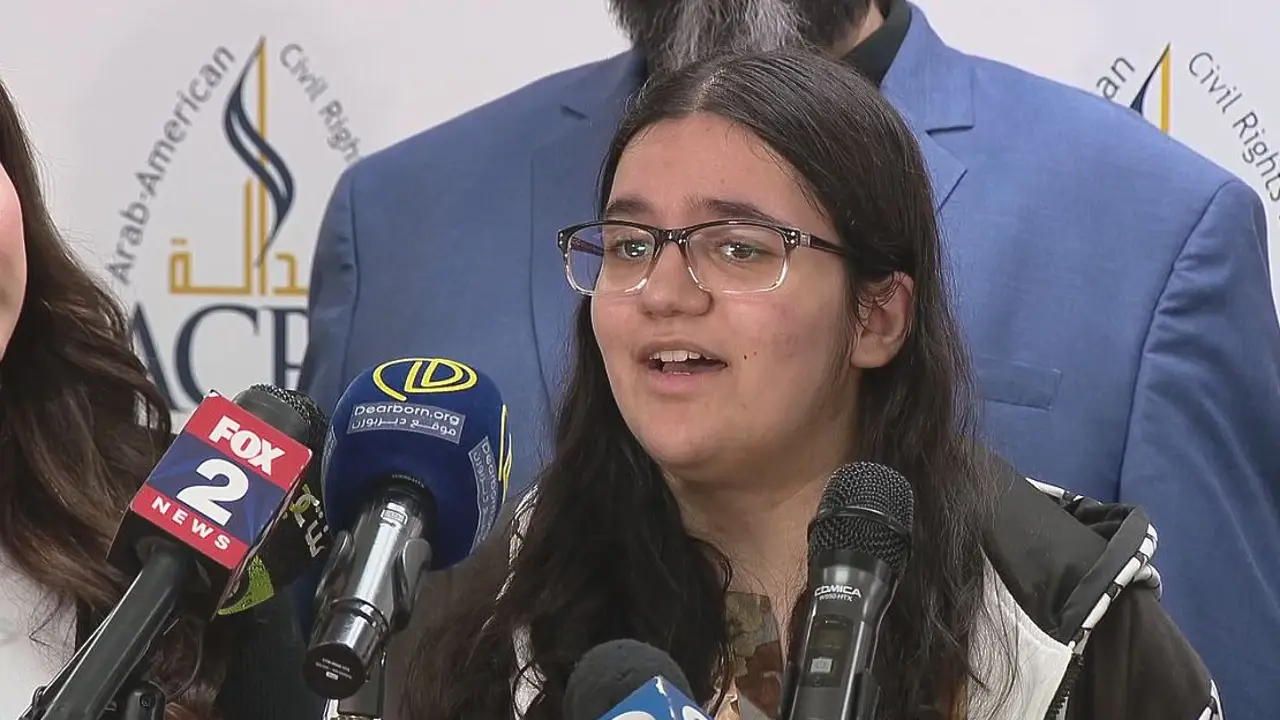
This month, the Plymouth-Canton school district in suburban Detroit agreed to settle a lawsuit brought by a teenager and her father over what happened after she refused to stand for the Pledge. The settlement includes First Amendment training for staff and a $10,000 payment by an insurance company on behalf of a teacher, according to a court filing. The district did not admit liability.
Join the Discussion
What happened in Michigan
The student at the center of the case, Danielle Khalaf, said she chose not to stand for the Pledge of Allegiance over three days in January 2025. Her stated reason was political protest, tied to U.S. support of Israel’s war in Gaza. Her family is of Palestinian descent.
According to the lawsuit, the teacher responded by admonishing her and treating the refusal as disrespect. The complaint attributes this statement to the teacher: “Since you live in this country and enjoy its freedom, if you don’t like it, you should go back to your country.”
The lawsuit also described emotional fallout, including nightmares and strained friendships.
In a statement released through civil rights advocates, Khalaf described the experience as frightening and overwhelming, but said it clarified something for her: “It taught me the importance of speaking up for what I believe is right.”
The rule schools test
If you teach civics long enough, you learn a frustrating truth: some constitutional principles are celebrated in theory and resisted in practice. Student speech is one of them.
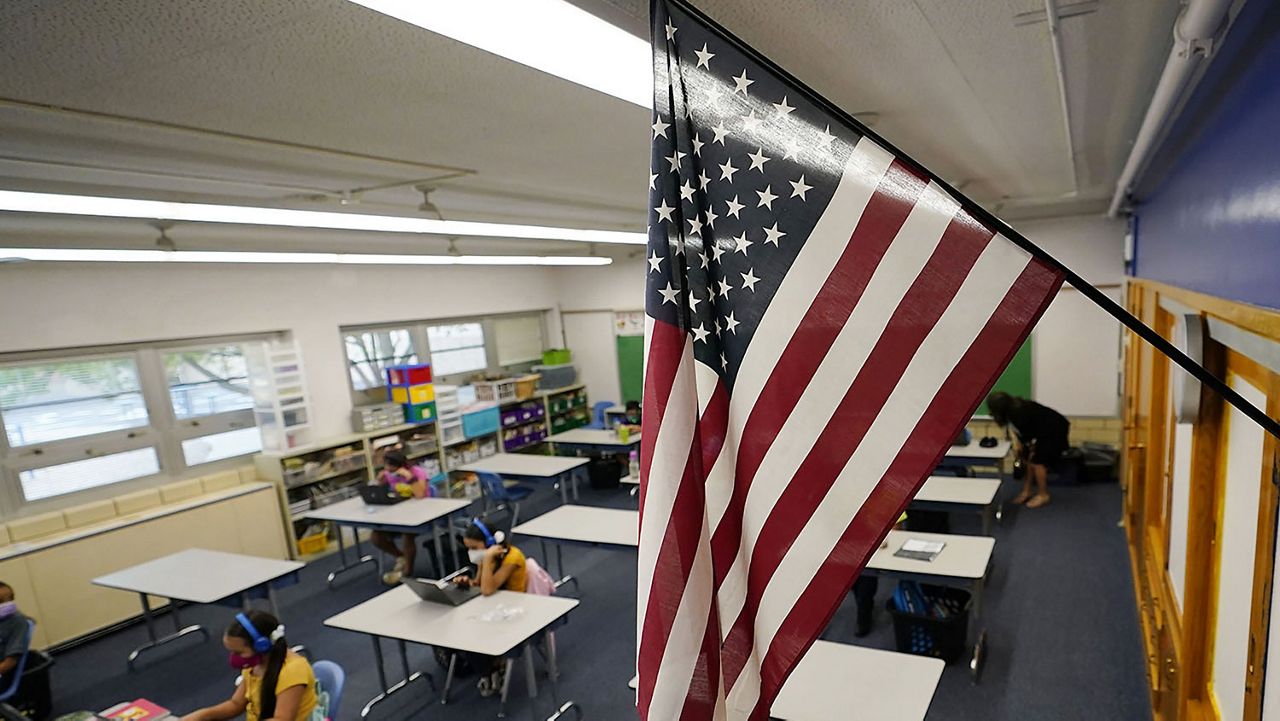
Courts have long recognized that public schools, as government institutions, cannot compel certain expressions of patriotism from students. In plain terms, students generally cannot be forced to salute the flag or recite the Pledge.
The point is not whether standing is polite, or whether the Pledge is admirable, or whether a teacher personally finds refusal offensive. The point is that compelled patriotism is not patriotism. It is compliance. The Constitution protects the difference.
Why “just stand” matters
Schools often defend pressure around the Pledge as a matter of classroom management or “respect.” But that framing matters, because it can blur the line between etiquette and coercion.
When a teacher uses authority to demand a physical act of loyalty, the message to a student can be unmistakable: agreement is expected, and dissent may carry consequences, even if the consequences are informal.
And this is where the hardest question lives: If students only have constitutional rights when they use them in ways adults approve of, do they have rights at all?
What the settlement says
The settlement requires First Amendment training for staff. It also requires the district to remove from Khalaf’s school file anything suggesting her actions violated school policy. The $10,000 payment will be made by an insurance company on behalf of the teacher.
Those details signal something even without an admission of wrongdoing. Training is what institutions do when they want fewer repeats. Cleaning the student’s record is a recognition that a silent protest is not automatically misconduct.
Superintendent Monica Merritt praised Khalaf for “showing courage and speaking up about the incident,” adding, “Our mission is to foster a school environment that is safe, respectful and welcoming for all.”
Belonging and suspicion
This case also lands in a real demographic context. Michigan has more than 300,000 residents of Middle Eastern or North African descent, second in the nation behind California, according to the Census Bureau.
That matters because the teacher’s alleged comment, as described in the lawsuit, was not merely about the Pledge. It was about belonging. “Go back to your country” is not a neutral correction. It is an attempt to mark someone as permanently foreign, even when they are a student in your classroom.
Public schools are not meant to be loyalty checkpoints. They are supposed to be training grounds for citizenship, which includes the messy business of disagreement.
The lesson for adults
The Pledge is often defended as a tool to teach civic unity. But unity that depends on silencing dissent is brittle, and students tend to notice the hypocrisy faster than adults expect.
If a student’s peaceful refusal is treated as insubordination, then the “freedom” celebrated in the Pledge can start to feel conditional: you can enjoy it, so long as you do not use it.
The better civic lesson is harder, and it requires adult discipline: students should learn that they are free to stand, free to recite, and free to remain seated, and that none of those choices gives a teacher permission to humiliate them.
That is not anti-American. That is the American system working as designed.