
Senator Bernie Moreno wants every American with foreign citizenship to choose: Keep U.S. citizenship and renounce the other country, or keep the foreign citizenship and automatically lose American status.
His “Exclusive Citizenship Act of 2025” gives dual citizens one year to decide. Those who don’t actively choose lose U.S. citizenship by default – they become “aliens” for immigration purposes and get treated as foreign nationals trying to enter or remain in America.
Roughly 9 million Americans hold dual citizenship. Moreno’s bill would force all of them to pick a country within 12 months or face automatic expatriation from the United States.
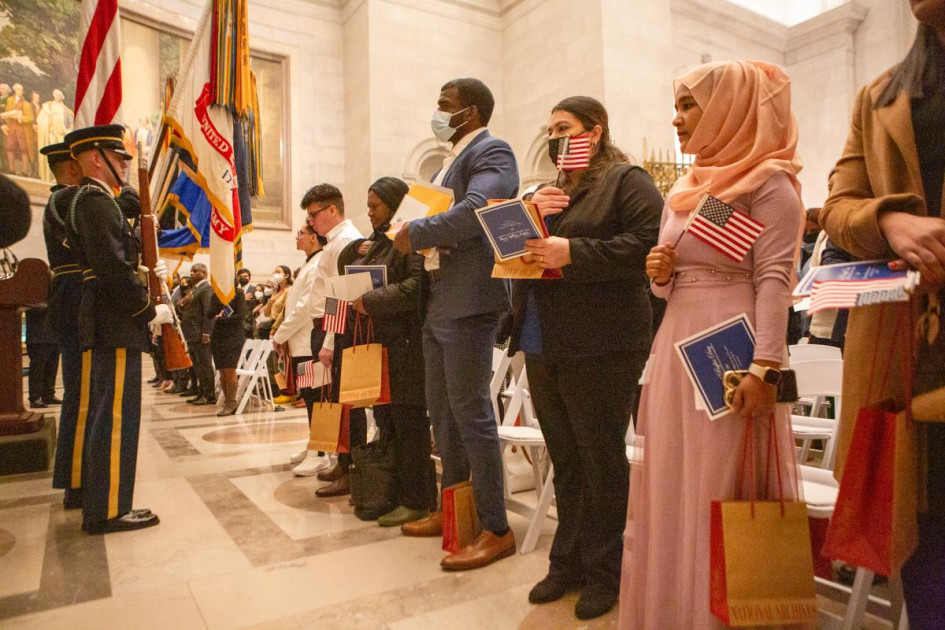
The proposal raises immediate constitutional questions. The Supreme Court ruled in the 1950s that Congress cannot involuntarily strip citizenship except in narrow circumstances. Moreno’s bill creates automatic expatriation for anyone who doesn’t affirmatively choose within the deadline – exactly the kind of involuntary citizenship loss courts have rejected for 70 years.
The Colombian-Born Senator Who Renounced His Own Dual Status
Moreno was born in Colombia and held Colombian citizenship until he renounced it. He became a U.S. citizen at 18 and describes it as “one of the greatest honors of my life.”
“It was an honor to pledge an Oath of Allegiance to the United States of America and only to the United States of America,” Moreno told Fox News. “Being an American citizen is an honor and a privilege — and if you want to be an American — it’s all or nothing.”
His personal experience shapes the legislation. Moreno chose to renounce Colombian citizenship – he’s now proposing forcing that same choice on millions of Americans who may have different circumstances, different relationships with their ancestral countries, and different reasons for maintaining dual status.
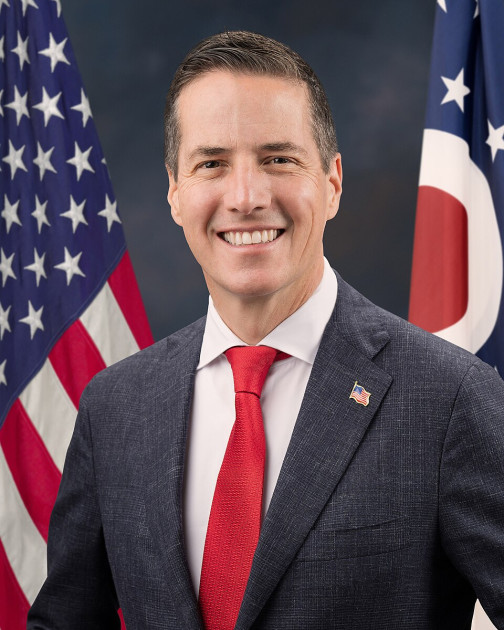
The “all or nothing” framing reveals Moreno’s view: Dual citizenship represents divided loyalty incompatible with American citizenship. But that philosophical position conflicts with both legal precedent and practical reality for millions of Americans.
Who Gets Forced To Choose
The bill targets current dual citizens and future citizenship seekers. If you currently hold both U.S. and foreign citizenship, you get one year to pick. If you seek foreign citizenship in the future, obtaining it would automatically terminate your U.S. citizenship.
This affects:
- Americans born abroad to U.S. parents who automatically acquired both citizenships at birth
- Naturalized Americans whose birth countries don’t recognize renunciation
- Americans who married foreign nationals and obtained spousal citizenship
- Americans whose parents were foreign nationals, giving them citizenship by descent
- Americans who obtained foreign citizenship for work, tax, or family reasons
The bill doesn’t distinguish between these categories. A child born in Germany to American parents stationed at a military base would face the same forced choice as someone who actively sought foreign citizenship as an adult.

The automatic nature matters enormously. You don’t lose citizenship by actively choosing the foreign country – you lose it by failing to affirmatively choose America within the deadline. That’s passive expatriation, which raises serious constitutional problems.
The Supreme Court Precedent Moreno Is Ignoring
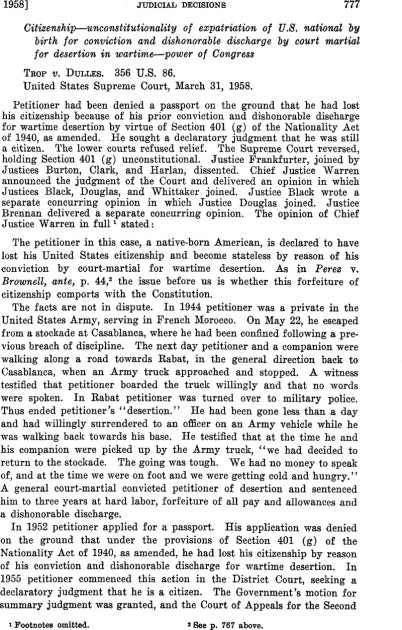
In 1958, the Supreme Court ruled in Trop v. Dulles that stripping citizenship as punishment violates the Eighth Amendment’s prohibition on cruel and unusual punishment. Chief Justice Earl Warren wrote that citizenship is “a right protected by the Fourteenth Amendment” that cannot be taken away without voluntary renunciation.
The Court expanded this protection in subsequent cases, establishing that Congress cannot create automatic expatriation triggers. Citizenship can only be lost through voluntary, intentional renunciation – not through actions that Congress decides should result in citizenship loss.
Moreno’s bill creates exactly what courts have prohibited: automatic loss of citizenship based on failure to take an affirmative action within a deadline. That’s not voluntary renunciation – it’s compelled choice with citizenship loss as the default for non-compliance.
The bill’s language acknowledges this problem by stating that failure to choose means you’re “considered to have relinquished” citizenship. But courts have rejected this kind of statutory fiction – calling something voluntary doesn’t make it voluntary if the alternative is automatic expatriation.
The Supreme Court’s dual citizenship position from the 1950s that Moreno references actually supports dual citizenship rights, not restrictions. Courts have consistently ruled that holding foreign citizenship doesn’t constitute voluntary renunciation of U.S. citizenship unless the person specifically intends to give up American status.
The Oath That Doesn’t Actually Prohibit Dual Citizenship
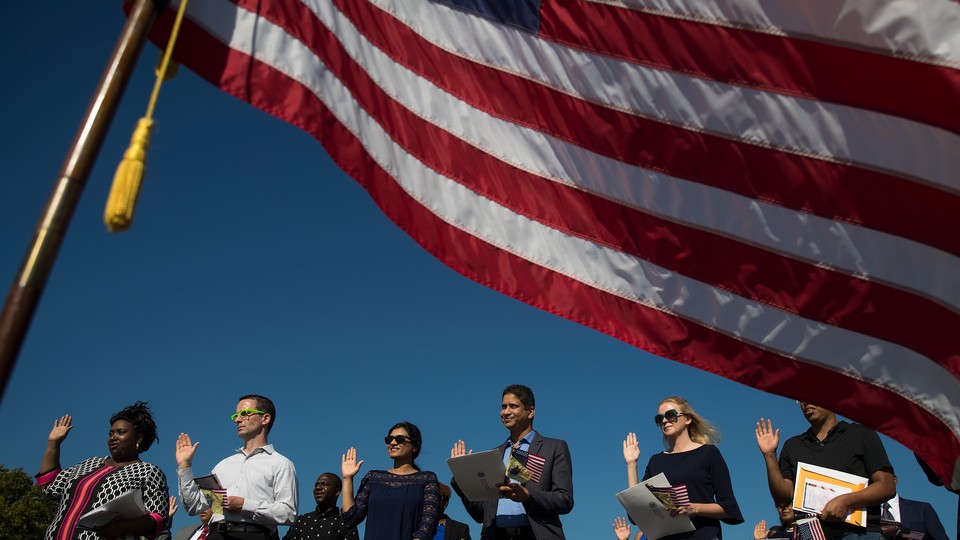
Naturalization ceremonies include an oath renouncing “all allegiance and fidelity to any foreign prince, potentate, state, or sovereignty.” Moreno cites this oath as evidence that citizenship should be exclusive.
But the oath’s legal effect is limited. It doesn’t actually terminate foreign citizenship – it’s a declaration of U.S. allegiance. Many countries whose citizens naturalize in America don’t recognize the oath as renunciation under their laws.
Someone from a country that automatically grants citizenship by birth or descent can take the naturalization oath in perfect good faith while remaining a citizen of their birth country because that country doesn’t recognize the renunciation.

This creates millions of “accidental” dual citizens who never sought foreign status but have it anyway because of birth circumstances or family heritage. Moreno’s bill would force them to actively renounce something they never actively sought.
The State Department explicitly recognizes dual citizenship and doesn’t require Americans to renounce foreign status. That policy reflects both legal precedent and practical reality – the U.S. can’t force other countries to recognize renunciations or terminate citizenship.
The Enforcement Nightmare Nobody’s Addressing
The bill requires State Department and DHS to create databases tracking all dual citizens and enforcing the one-year deadline. How would they identify these people?
Many Americans don’t actively maintain foreign citizenship – they’re simply citizens of another country under that country’s laws. Unless they’ve applied for a foreign passport or actively engaged with the foreign government, the U.S. has no way of knowing they hold dual status.
Would the bill require Americans to self-report foreign citizenship they might not even know they have? Some countries grant citizenship automatically by descent going back generations. Americans could be citizens of countries they’ve never visited, don’t speak the language of, and have no connection to beyond genealogy.

The enforcement mechanics are impossibly complex. Would DHS cross-reference U.S. citizens against foreign citizenship databases? Would other countries cooperate with such data sharing? What happens when someone genuinely doesn’t know they hold foreign citizenship until they’re notified they’ve lost American status for failing to renounce it?
The bill says non-compliant dual citizens get “treated as an alien for purposes of immigration laws.” Does that mean they’re subject to deportation from their own country? Can they reapply for U.S. citizenship after being expatriated for not choosing fast enough?
The National Security Argument That Doesn’t Hold
Moreno frames his bill as addressing “conflicts of interest and divided loyalties” created by dual citizenship. This assumes dual citizens inherently present security risks because of foreign ties.
But that’s not how security clearances or loyalty determinations work. Having foreign relatives, business interests, or travel history all potentially create foreign influence concerns – citizenship status is just one factor among many.
The U.S. intelligence community employs many dual citizens after thorough vetting. What matters isn’t citizenship status but actual foreign ties, financial interests, and susceptibility to coercion or influence. Forcing someone to renounce foreign citizenship doesn’t eliminate those underlying factors.

If national security were the actual concern, the bill would target security clearances and sensitive positions rather than citizenship generally. Instead, it treats a diplomat’s child born abroad to American parents the same as someone actively maintaining close foreign ties.
The “divided loyalty” argument also ignores that many dual citizens maintain foreign status for entirely practical reasons having nothing to do with loyalty – inheritance rights, property ownership, family visits, work authorization in ancestral countries.
How This Fits Trump’s Immigration Agenda
Moreno’s bill aligns with the Trump administration’s broader immigration restrictions, though the White House hasn’t specifically endorsed dual citizenship elimination. Trump has focused on ending birthright citizenship – also facing constitutional challenges – rather than targeting existing dual citizens.
The legislative strategy appears to be incrementally restricting various forms of citizenship and immigration status until “real” American citizenship is narrowly defined. End birthright citizenship for children of undocumented immigrants. Force dual citizens to choose. The cumulative effect is shrinking who qualifies as fully American.
This represents fundamental shift in how America has historically understood citizenship. For most of U.S. history, citizenship was relatively easy to acquire and very difficult to lose involuntarily. The expansive view was that citizenship creates permanent belonging that government can’t easily revoke.

Moreno’s bill reverses that presumption. It treats citizenship as conditional status that must be actively maintained through exclusive allegiance, with automatic loss for those who don’t comply with new requirements fast enough.
Whether that represents appropriate strengthening of citizenship’s meaning or dangerous erosion of citizenship security depends on which matters more – abstract concerns about divided loyalty, or concrete protections against arbitrary expatriation.
The House Efforts That Preceded This
House Republicans recently proposed requiring Congressional candidates to either disclose foreign citizenship on candidacy statements or prohibiting dual citizens from serving in Congress entirely. Those proposals are narrower than Moreno’s – they target elected officials rather than all citizens.
Even those limited proposals face constitutional problems. Article I establishes citizenship, age, and residency requirements for Congress. Adding a prohibition on dual citizenship would likely require constitutional amendment rather than statute.
But the House proposals reveal the thinking behind Moreno’s broader bill: dual citizenship is un-American, creates conflicts, and should be eliminated or disclosed as a potential disqualifier for positions of trust or authority.
The progression from “disclose it” to “choose or lose it” shows where this ends. If dual citizenship is inherently problematic for representatives, the logic extends to all citizens. Why should any American maintain foreign allegiance if such allegiance creates conflicts?
That question assumes allegiance is zero-sum – that loyalty to America requires renouncing all ties to ancestral homelands. But millions of Americans maintain cultural, familial, and emotional connections to other countries while remaining fully loyal Americans.
What Counts As Renunciation (And Who Decides)
The bill requires Americans to “write to the secretary of state for a renunciation of their foreign citizenship” or notify DHS they’re renouncing U.S. citizenship. But renunciation is a legal process that varies by country.
Some countries don’t recognize renunciation at all – they consider citizenship permanent. Others require in-person appearances, fees, complex documentation, or lengthy waiting periods. Some charge thousands of dollars for renunciation.
If you’re an American whose parent was born in a country that grants citizenship by descent, and that country doesn’t recognize renunciation, what happens? You can’t renounce something the other country won’t let you renounce. Do you automatically lose U.S. citizenship because a foreign government won’t process paperwork?
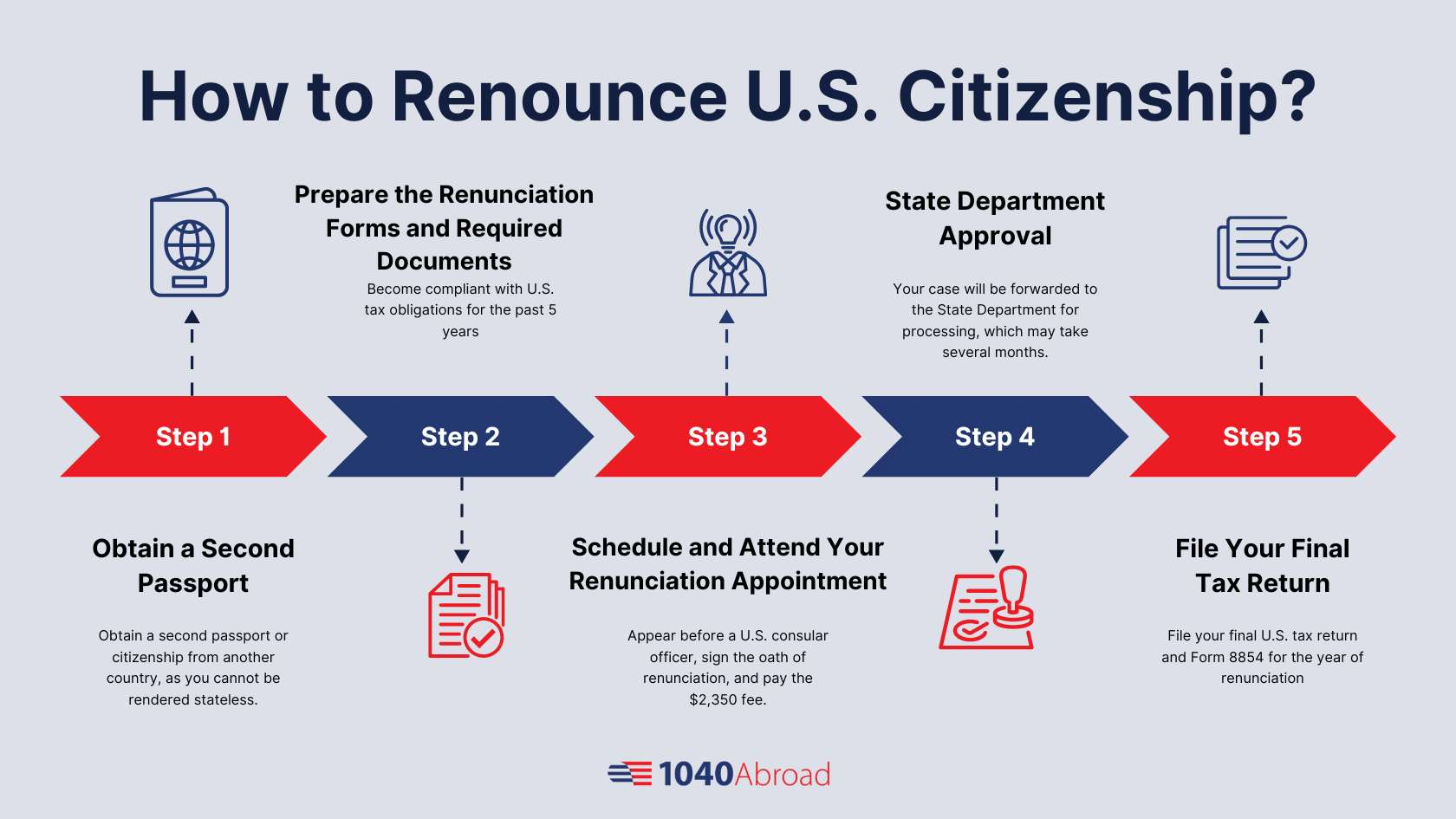
The bill gives State and DHS authority to create rules around this, but the fundamental problem remains: the U.S. can’t force other countries to accept renunciations. Making U.S. citizenship conditional on successful foreign renunciation gives foreign governments effective veto power over American citizenship.
That’s constitutionally backward. Whether you remain an American citizen shouldn’t depend on whether Iran or China or any other country agrees to terminate citizenship they granted under their own laws.
The Children Who Never Chose Either Citizenship
The bill’s harshest impact falls on people who never made active citizenship choices. A child born in the U.S. to foreign parents automatically becomes an American citizen. That same child might also automatically become a citizen of the parents’ country under that country’s laws.
The child didn’t choose either citizenship – both were automatic based on birth circumstances. Moreno’s bill would force that child, once an adult, to pick between two countries they might feel equally connected to.
Some Americans hold citizenship in countries they’ve never visited, languages they don’t speak, and cultures they have minimal connection to – simply because of family heritage. Forcing them to formally renounce creates administrative burdens for status they never actively sought.
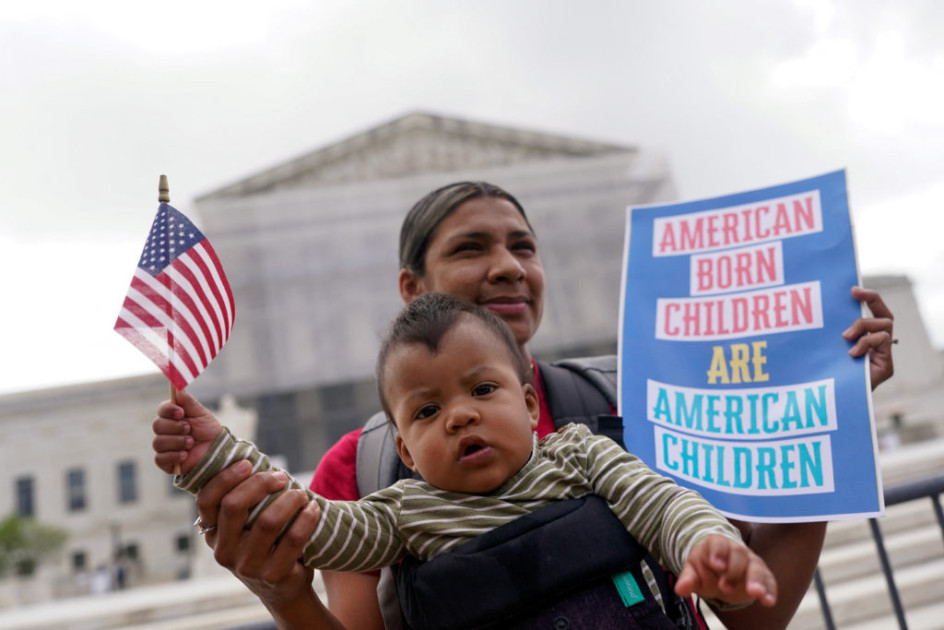
The impact on military families would be severe. American service members stationed abroad whose children are born on foreign soil often see those children granted local citizenship automatically. Under Moreno’s bill, those military families would have to navigate foreign renunciation processes for children who are American by every meaningful measure except technicality of birth location.
Bernie Moreno introduced legislation forcing 9 million Americans with dual citizenship to choose one country within a year or automatically lose U.S. citizenship. His stated reason: dual citizenship creates divided loyalty incompatible with being American.
The bill faces immediate constitutional problems. The Supreme Court ruled 70 years ago that citizenship cannot be involuntarily stripped except in very narrow circumstances. Automatic expatriation for failing to choose within a deadline is exactly what courts have prohibited.
The practical problems are equally severe. How does government identify all dual citizens when many don’t actively maintain foreign status? What happens when foreign countries won’t process renunciations? Why should children who automatically acquired citizenship face forced choices about status they never sought?
Moreno’s personal story – Colombian-born immigrant who proudly renounced his birth citizenship – is compelling. But personal choices about citizenship aren’t universal templates. Different people have different relationships with dual status for legitimate reasons having nothing to do with loyalty.
The bill treats citizenship as privilege that must be actively maintained through exclusive allegiance. The constitutional tradition treats citizenship as right that can’t be taken away without voluntary, intentional renunciation.
Those are irreconcilable positions. If Moreno’s bill passes, courts will decide whether Congress can force Americans to choose between countries or face automatic expatriation. Based on 70 years of precedent, the answer is almost certainly no.
But the introduction of the bill itself signals shifting views on citizenship within Republican immigration restrictionism. Not just limiting who becomes American, but narrowing what it means to remain American through exclusive allegiance requirements.
That’s a fundamental change from how the United States has historically understood citizenship – and whether it survives legal challenge, it reveals where the movement wants