
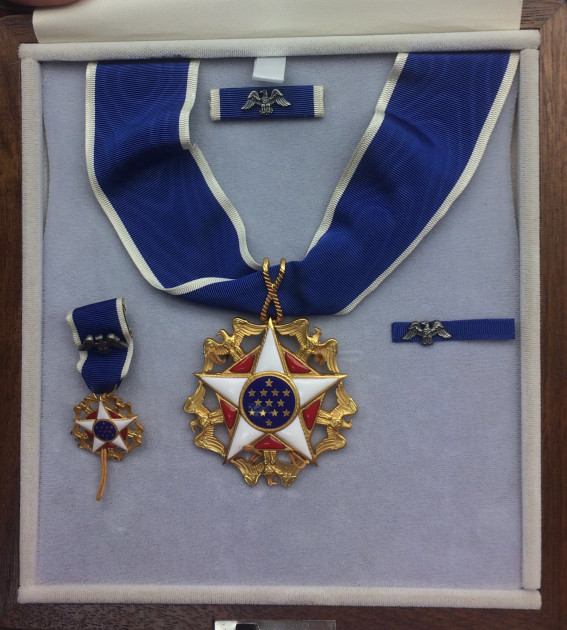
The Presidential Medal of Freedom represents America’s highest civilian honor. Presidents award it to individuals who’ve made exceptional contributions to national security, world peace, cultural endeavors, or public service. And the Constitution doesn’t authorize it at all.
The medal exists through executive order, not congressional legislation. It requires no Senate approval. No constitutional provision explicitly grants presidents authority to create civilian honors or bestow recognition on private citizens. Yet every president since John F. Kennedy has awarded dozens – sometimes hundreds – of medals based solely on personal discretion.
The practice raises fundamental questions about executive power, political favoritism, and whether presidents should possess unilateral authority to grant official national recognition without any institutional check beyond public opinion.
The Constitutional Basis That Doesn’t Exist
Article II of the Constitution establishes the presidency and enumerates executive powers. The president commands armed forces, grants pardons, makes treaties with Senate consent, appoints officials with Senate confirmation, and ensures laws are faithfully executed. Nowhere does it mention creating honors, bestowing medals, or recognizing civilian achievement.
The Presidential Medal of Freedom rests instead on implied executive authority. Presidents serve as heads of state in addition to heads of government. Heads of state customarily grant honors – European monarchs knight citizens, other nations award civilian decorations. American presidents claim similar prerogative through their role representing the nation.
The “Take Care” clause of Article II, Section 3 requires presidents to “take Care that the Laws be faithfully executed.” Legal scholars have stretched this language to encompass managing the nation’s interests broadly, including recognizing exemplary citizens. It’s a generous reading of constitutional text that says nothing about medals.
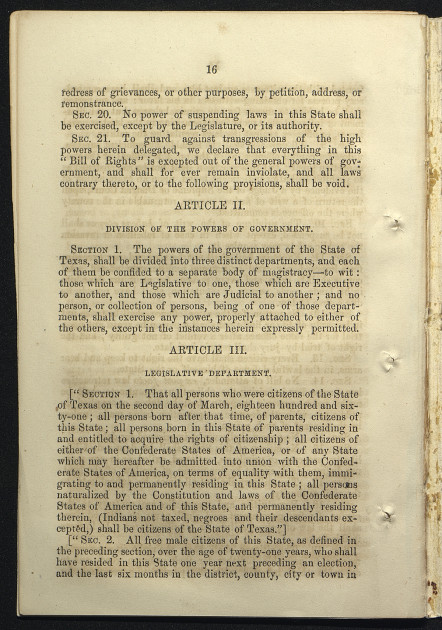
The reality is simpler: presidents award medals because no one stops them. The practice began through executive order, continued through tradition, and now operates as settled executive prerogative regardless of explicit constitutional authorization.
How the Medal Came to Exist
President Harry Truman established the Medal of Freedom in 1945 to honor civilians who contributed to World War II victory. The original medal recognized wartime service specifically – factory workers, civil defense volunteers, and others who supported military operations without serving in uniform.
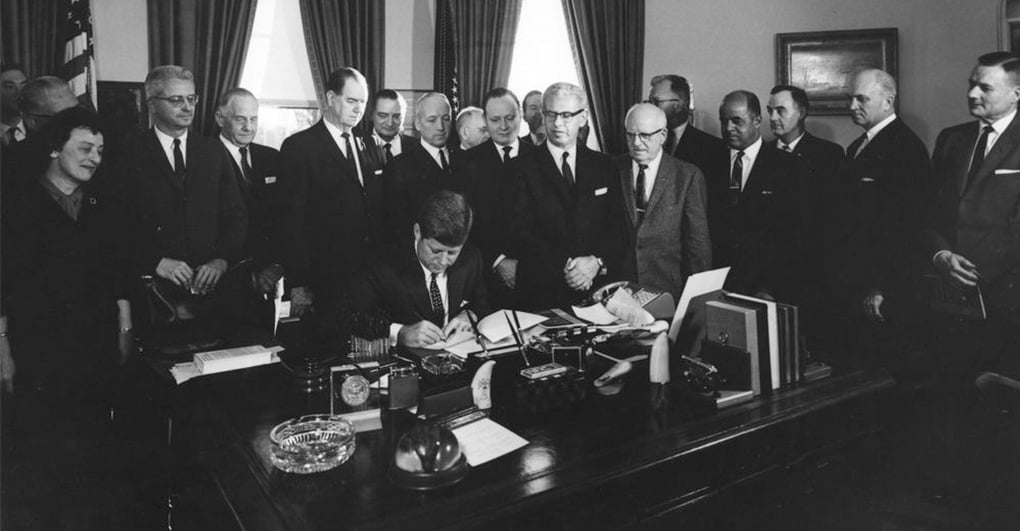
President Kennedy transformed it in 1963 through Executive Order 11085, creating the modern Presidential Medal of Freedom as recognition for peacetime contributions to national interests, world peace, cultural achievement, or public service. Kennedy expanded the medal from wartime honor to general civilian decoration.
The executive order approach matters constitutionally. Congress could have created the medal through legislation, establishing selection criteria, oversight mechanisms, and limitations on presidential discretion. Instead, Kennedy acted unilaterally through executive power, claiming authority to recognize civilians without congressional involvement.
Every subsequent president has inherited and exercised that claimed authority. The medal’s existence depends entirely on executive assertion rather than constitutional grant or legislative authorization.
Presidential Medal of Freedom by the Numbers
Presidents have awarded dramatically different numbers of medals based on their terms, priorities, and selection criteria:
Medal of Freedom Awards by President (1963-2025)
- Lyndon Johnson (1963-1969): 98 medals
- Richard Nixon (1969-1974): 52 medals
- Gerald Ford (1974-1977): 27 medals
- Jimmy Carter (1977-1981): 18 medals
- Ronald Reagan (1981-1989): 87 medals
- George H.W. Bush (1989-1993): 38 medals
- Bill Clinton (1993-2001): 89 medals
- George W. Bush (2001-2009): 78 medals
- Barack Obama (2009-2017): 123 medals
- Donald Trump (First Term, 2017-2021): 27 medals
- Joe Biden (2021-2025): 58 medals
- Donald Trump (Second Term, 2025-present): 24 medals (through October 2025)
The variation reflects different presidential approaches. Obama awarded the most medals, holding multiple ceremonies and recognizing diverse fields from sports to science. Trump’s first term awarded the fewest in modern history, focusing on political allies and conservative figures. Biden maintained moderate pace through his term.
The Most Notable Recipients Across Decades
Certain Medal of Freedom recipients transcended their specific achievements to become cultural touchstones, their recognition reflecting America’s evolving values:
1960s-1970s: Cold War and Civil Rights
- Martin Luther King Jr. (posthumous, 1977) – Civil rights leader whose recognition came years after assassination
- Walt Disney (posthumous, 1964) – Entertainment pioneer who shaped American culture
- John Steinbeck (1964) – Author whose Depression-era novels defined American literature
1980s: Reagan’s Cultural Warriors
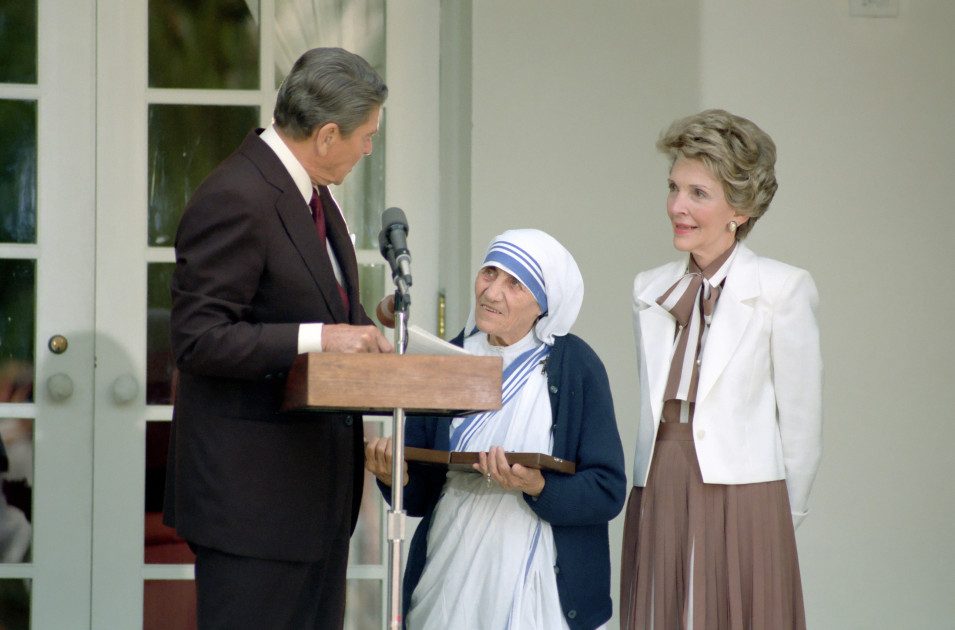
- Mother Teresa (1985) – Humanitarian whose work embodied religious service
- Frank Sinatra (1985) – Entertainer who represented mid-century American culture
- Jimmy Stewart (1985) – Actor whose wholesome image matched Reagan’s vision
1990s-2000s: Expanding Recognition
- Rosa Parks (1996) – Civil rights icon whose bus protest sparked movement
- Fred Rogers (2002) – Children’s television host who influenced generations
- Muhammad Ali (2005) – Boxer and activist who challenged American society
- Stephen Hawking (2009) – Physicist whose scientific contributions transcended nationality
2010s: Obama’s Diverse Honorees
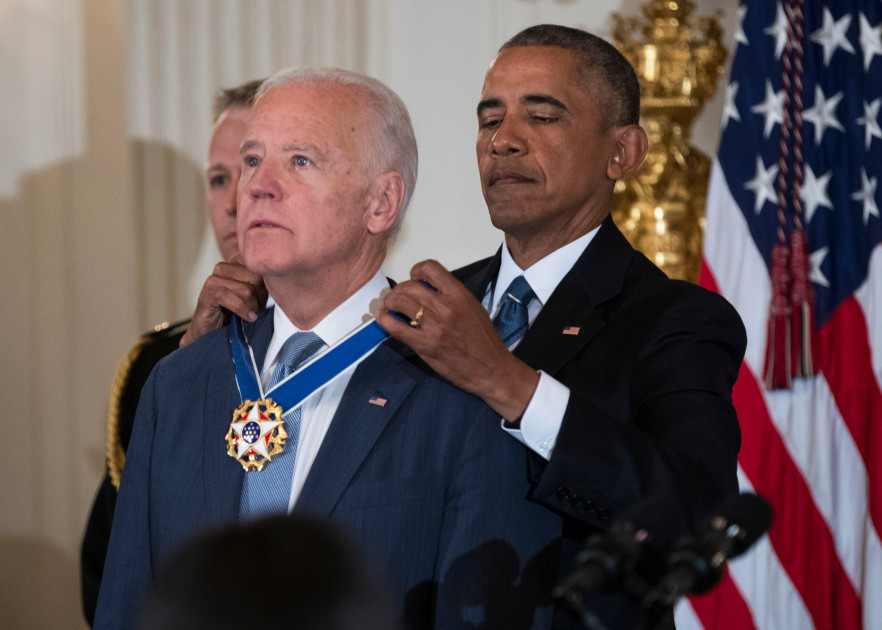
- Joe Biden (2017, with distinction) – Vice President honored by Obama in surprise ceremony
- Ellen DeGeneres (2016) – Comedian whose coming out advanced LGBTQ rights
- Bruce Springsteen (2016) – Musician whose working-class anthems defined American identity
- Tom Hanks (2016) – Actor embodying American optimism
2020s: Political Polarization
- Simone Biles (2022) – Gymnast who prioritized mental health over competition
- Steve Jobs (posthumous, 2022) – Technology innovator who transformed multiple industries
- Miriam Adelson (2018) – Republican megadonor whose selection drew criticism
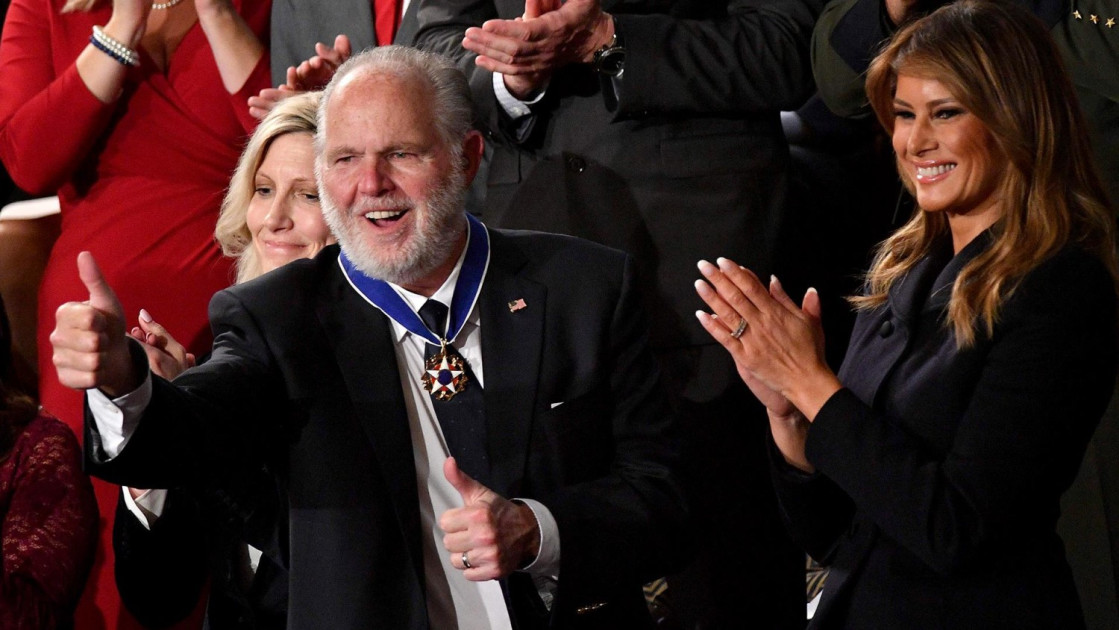
- Rush Limbaugh (2020) – Conservative radio host awarded during State of Union
The Selections That Sparked Controversy
Trump’s first-term Medal of Freedom ceremonies generated significant criticism for selections viewed as politically motivated. Rush Limbaugh received the medal during the 2020 State of the Union despite no traditional qualification beyond conservative media influence. Miriam Adelson, whose primary distinction was donating hundreds of millions to Republican causes, received recognition alongside Jonas Salk and Babe Ruth in justification.
Biden faced similar criticism for awarding medals to political allies including Nancy Pelosi and partisan figures whose primary achievements involved Democratic Party service rather than transcendent national contributions.
The pattern reveals how unlimited presidential discretion enables awards based on political loyalty rather than objective merit. Without selection criteria or oversight, medals become presidential favors distributed to reward allies and signal political priorities.
The Congressional Power That Doesn’t Apply
The Constitution grants Senate “Advice and Consent” authority over presidential appointments to high office. Judges, Cabinet secretaries, ambassadors, and military officers require Senate confirmation. The check prevents presidents from unilaterally placing loyalists in positions of government power.
Medal of Freedom recipients face no such scrutiny. Presidents select honorees without congressional notification, oversight, or approval. The medals carry official national recognition and presidential imprimatur but operate entirely outside the appointment confirmation process.
The distinction makes sense for truly non-political recognition. If presidents honored only uncontroversial figures – scientists whose discoveries advanced humanity, artists whose work transcended politics, humanitarian workers whose service was universally admired – Senate involvement would be unnecessary bureaucracy.
But when medals reward political donors, partisan media figures, and party loyalists, the lack of any institutional check becomes problematic. Presidents can grant official national honors to anyone for any reason with no accountability beyond public criticism.
What “Sole Discretion” Actually Means
The Presidential Medal of Freedom operates through “sole discretion of the president” – a phrase that appears nowhere in the Constitution but has come to define the award’s administration. Presidents can select recipients based on recommendations from advisors, suggestions from interest groups, or personal preference without explaining their reasoning.
This discretion occasionally produces inspired choices that unite Americans across political divides. Fred Rogers, Rosa Parks, and Stephen Hawking represented recognition that felt appropriate regardless of partisan affiliation. Their medals honored genuine achievement and character that transcended politics.
But sole discretion also enables choices that serve presidential political interests rather than national recognition standards. Megadonors receive medals shortly after contributing to presidential campaigns or political parties. Media figures who amplify presidential messaging get honored. Family friends and business associates find themselves recipients.
The absence of stated criteria or selection standards means presidents can justify any choice without meaningful accountability. The medal means whatever the current president wants it to mean.
The Stolen Valor Case and First Amendment Limits
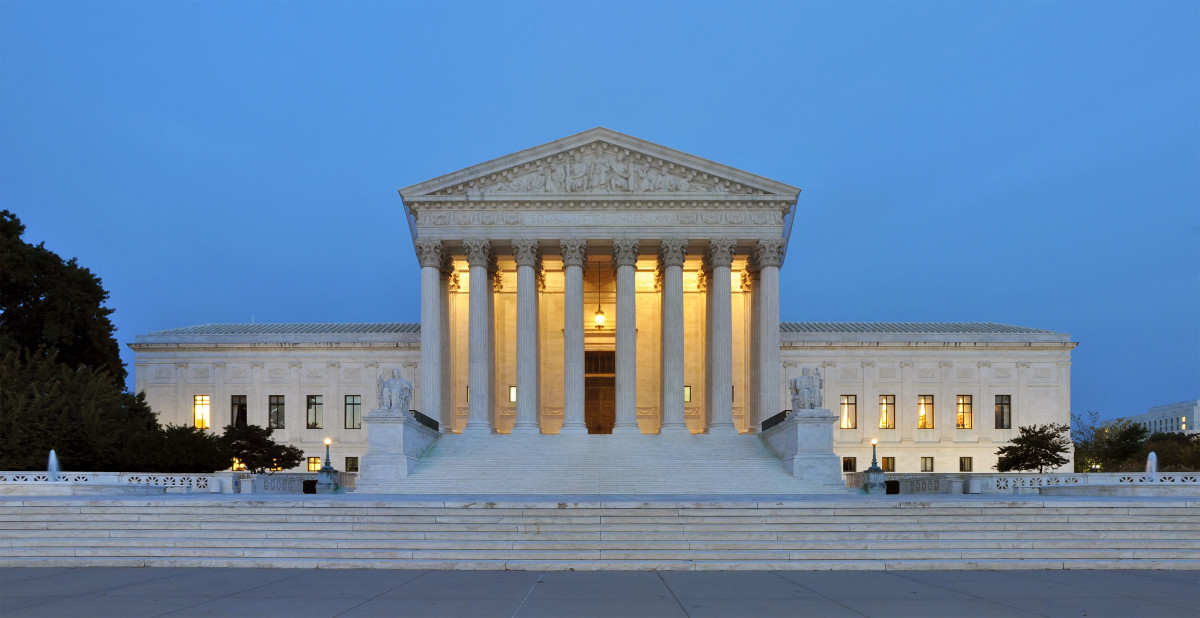
The Supreme Court’s 2012 decision in United States v. Alvarez addressed whether government could criminalize false claims about receiving military decorations. Xavier Alvarez had lied about receiving the Medal of Honor. The Stolen Valor Act made such lies illegal. The Court struck down the law as violating First Amendment protections for speech, even false speech.
Justice Kennedy’s plurality opinion emphasized that the government cannot suppress speech simply because it’s untrue. Lies about military honors, while offensive to veterans and disrespectful to genuine recipients, don’t cause sufficient direct harm to justify criminal prosecution.
The decision has implications for civilian honors like the Presidential Medal of Freedom. If someone falsely claims to have received the medal, government likely cannot prosecute them. The First Amendment protects even false statements about awards unless they cause specific, demonstrable harm.
The case reveals judicial limits on governmental power over honors and recognition. Courts won’t allow Congress to criminalize false claims about medals. But courts also haven’t addressed whether unlimited presidential discretion to award medals violates separation of powers or creates opportunities for constitutional abuse.
The Implicit Congressional Limits
Congress retains theoretical oversight authority even without direct approval power over Medal of Freedom selections. Legislative committees could investigate potential abuse if a president used the medal in ways that violated specific laws or constitutional principles.
If a president sold medals for money, Congress could investigate bribery. If a president awarded medals exclusively to family members, oversight committees could examine whether this constituted improper use of executive authority. If patterns emerged showing medals systematically going to campaign donors, congressional scrutiny could expose corruption.
But these implicit limits operate weakly in practice. Congressional oversight requires majority will to investigate. When the president’s party controls committees, oversight vanishes. And even when investigations occur, they produce reports and criticism rather than binding limits on presidential authority.
The practical reality is that presidents award medals to whomever they choose with minimal risk of meaningful congressional consequence beyond political criticism they can easily ignore.
The Distinction Between Military and Civilian Honors
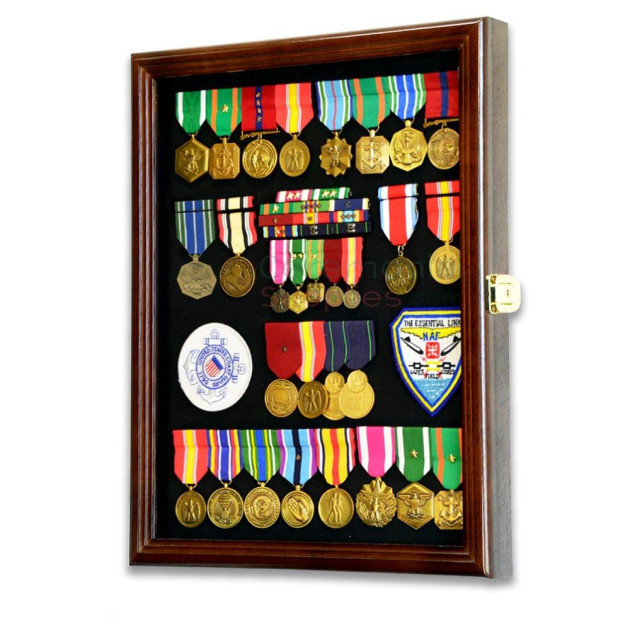
Congress has explicitly authorized military decorations through legislation. The Medal of Honor, Purple Heart, Bronze Star, and other military awards exist through congressional statute, not executive order. Congress defined eligibility criteria, established approval processes, and maintains oversight over military decorations.
The difference matters constitutionally. When Congress authorizes an honor, it operates through proper legislative process with democratic accountability. When presidents create honors through executive order, they claim authority the Constitution doesn’t explicitly grant.
Military decorations also serve clearer governmental purposes. They maintain discipline, reward valor, and advance military effectiveness. The connection to legitimate executive function is direct and obvious.
Civilian medals serve murkier purposes. Recognizing achievement benefits society broadly but doesn’t advance specific constitutional executive functions. The medals are purely honorific – they convey prestige and recognition but don’t serve governmental operations the way military decorations do.
The Head of State Function Defense
Legal scholars defending presidential medal authority emphasize the head of state role. While the Constitution makes the president both head of government and head of state, other nations separate these functions. Parliamentary systems typically have monarchs or presidents who serve ceremonial roles while prime ministers govern.
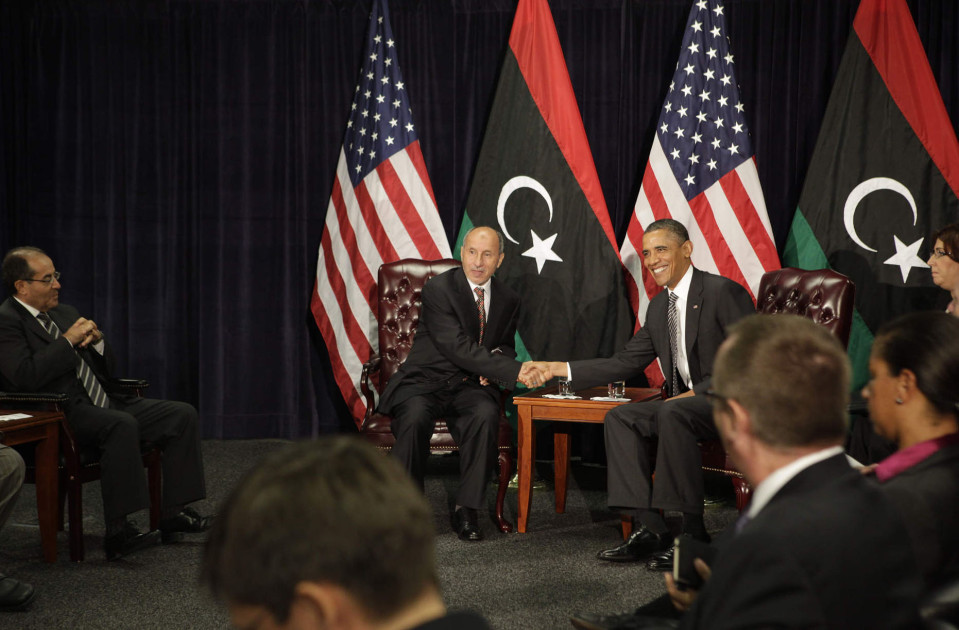
American presidents perform both functions simultaneously. As head of government, they manage executive branch operations, implement laws, and conduct policy. As head of state, they represent the nation symbolically, receive foreign dignitaries, and embody national unity.
Granting civilian honors falls naturally into the head of state category. The medals don’t govern, they symbolize national appreciation. European monarchs exercise similar authority without legislative oversight. American presidents claim comparable prerogative.
The argument has logical force but constitutional weakness. The Constitution doesn’t explicitly recognize a head of state function separate from executive power. All presidential authority theoretically derives from constitutional grant. Implied powers must connect to enumerated authorities, not simply to what other nations’ heads of state do.
When Medals Become Political Currency
The most troubling use of Medal of Freedom authority involves apparent quid pro quo – medals awarded to individuals who’ve provided political support, financial contributions, or public advocacy benefiting the president.
Sheldon and Miriam Adelson donated over $500 million to Republican causes and candidates. Miriam received the Medal of Freedom in 2018. The award citation praised her philanthropy and humanitarian work, but the timing and beneficiary raised obvious questions about whether political contributions influenced the selection.
Joe Biden received the medal with distinction (the highest level) from Barack Obama in a surprise 2017 ceremony. While Biden’s decades of public service arguably warranted recognition, the award from his political partner and close friend to whom he’d been intensely loyal for eight years created appearance of political favor rather than objective merit.
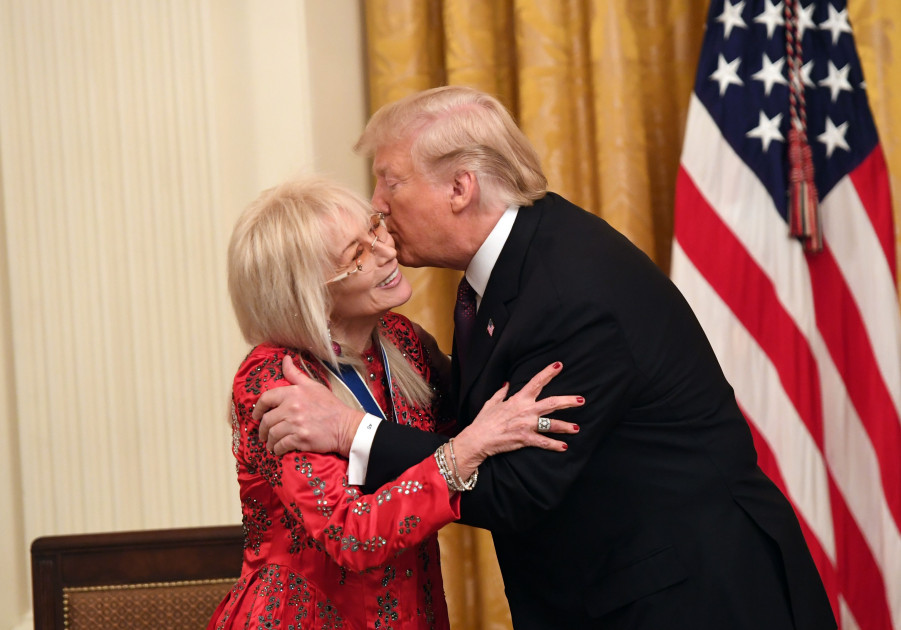
These examples don’t prove quid pro quo corruption. Recipients may have deserved recognition independent of their political relationships. But the lack of any selection criteria or oversight makes the medals vulnerable to interpretation as political currency distributed to reward loyalty and support.
The Tradition That Became Constitutional Practice
The Presidential Medal of Freedom has existed for over 60 years. Every president since Kennedy has awarded it. The practice has become institutionalized despite lacking explicit constitutional foundation.
This is how constitutional custom operates. Powers exercised repeatedly without challenge eventually become accepted as legitimate regardless of textual authorization. The president delivers State of Union addresses annually – not constitutionally required but established practice. The president maintains a Cabinet – not mentioned in Constitution but universally accepted. Executive privilege exists through custom rather than constitutional text.
The Medal of Freedom follows this pattern. What began as Kennedy’s executive order has become settled presidential prerogative through decades of uncontested practice.
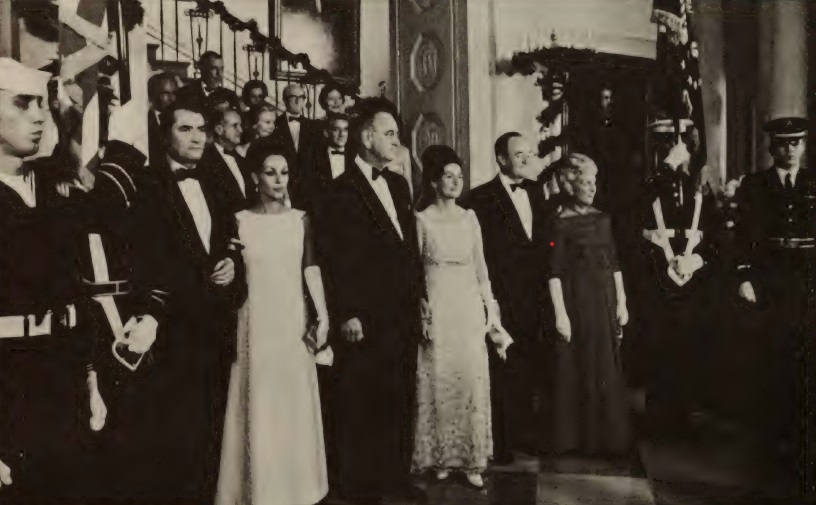
But settled practice doesn’t equal constitutional legitimacy. Plenty of long-standing government practices eventually faced challenge and reform. The key question is whether unlimited presidential discretion to grant official national honors serves constitutional governance or simply reflects executive power that’s never been seriously contested.