
Members of Congress earned approximately $20,000 each during the 43-day government shutdown. Their paychecks arrived on schedule every two weeks while air traffic controllers, TSA agents, and over a million federal workers went without pay.
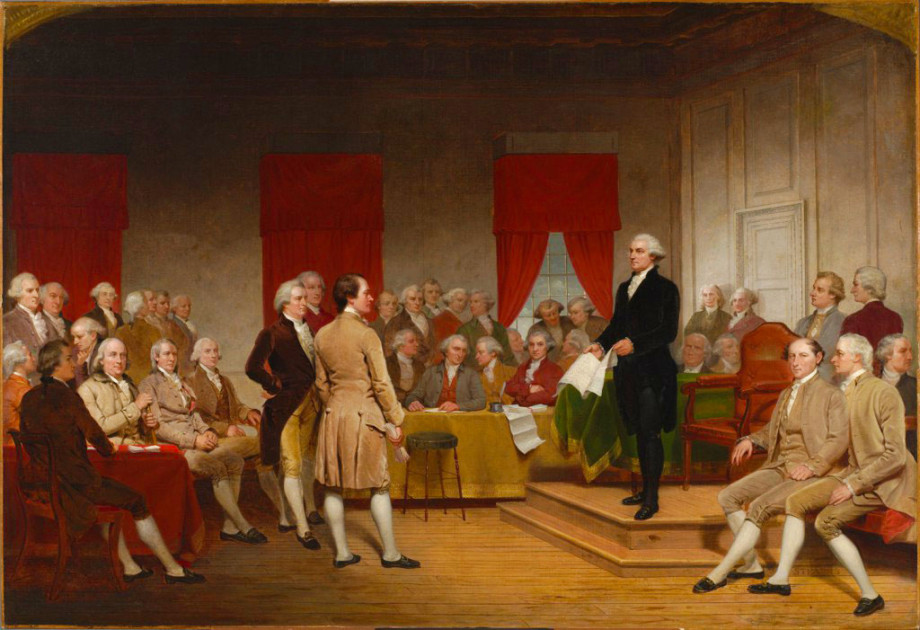
The Constitution guarantees it. Article I, Section 6: “The Senators and Representatives shall receive a Compensation for their Services, to be ascertained by Law, and paid out of the Treasury of the United States.”
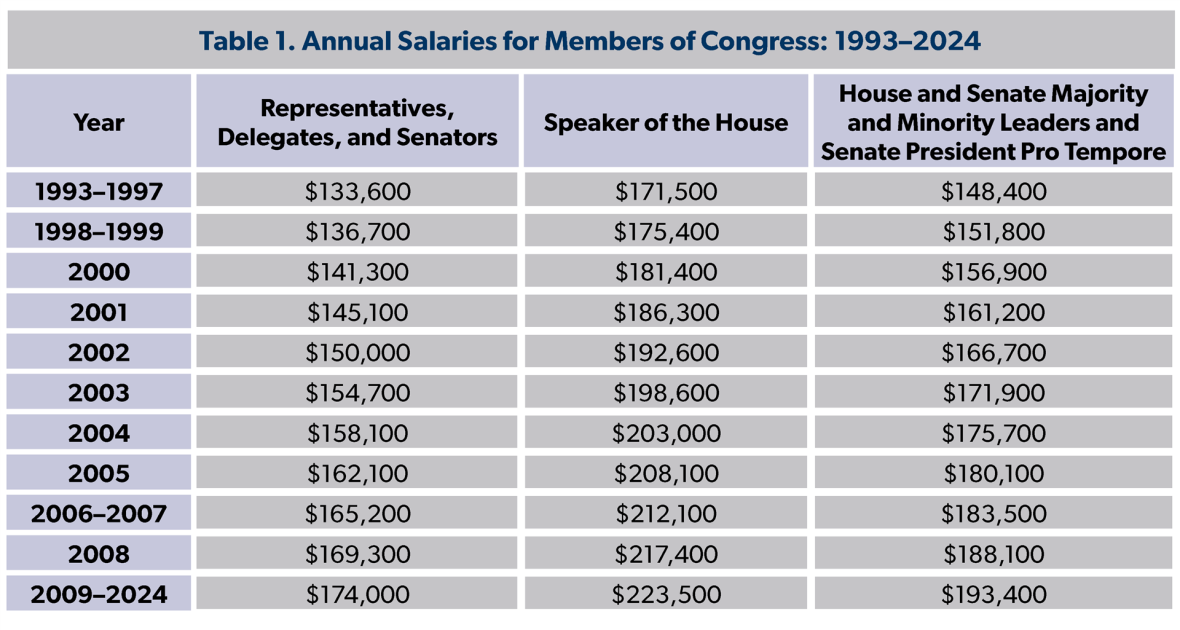
Since 1983, congressional pay has been funded through permanent appropriation. It doesn’t require annual renewal. Shutdowns don’t touch it. Members of Congress received their full $174,000 annual salary – or $223,500 for the Speaker, $193,400 for leadership – regardless of whether the government functioned.
Federal workers received nothing. Air traffic controllers who kept planes from colliding missed two full paychecks. TSA agents screening passengers at airports worked without compensation. Veterans Affairs employees, Agriculture Department staff, federal judges’ clerks – over a million people performing essential work with no paycheck.
The people who could have prevented the shutdown got paid. The people who suffered from it didn’t. That’s not an oversight in the Constitution. That’s exactly how the Founders designed it.
The Twenty Thousand Dollar Question
Based on the $174,000 annual salary most members receive, each member of Congress earned roughly $20,500 during the 43-day shutdown. Leadership earned more – Johnson made approximately $26,300, Thune about $22,800.
They didn’t have to show up. The House stayed out of session for seven weeks during the shutdown. Many members remained in their districts attending Veterans Day events and fundraisers while federal workers tried to figure out how to pay rent without paychecks.
Some members requested their pay be withheld. ABC News found that at least 55 of 100 senators either deferred paychecks or donated their salaries. In the House, more than half – 242 offices – didn’t respond to questions about whether they took their pay during the shutdown.
Of those who did respond, the pattern was revealing. Nine Democrats said they took their paychecks and donated them to charity. Six Democrats admitted taking and keeping their pay. The rest either didn’t respond or claimed they’d requested pay be withheld.
Representative Angie Craig of Minnesota and Representative Scott Peters of California both introduced legislation to prevent lawmakers from being paid during shutdowns. Their bills won’t pass. Congress voting to cut their own guaranteed pay would require the kind of self-sacrifice that 43 days proved doesn’t exist in sufficient quantities.
Why The Founders Guaranteed Congressional Pay
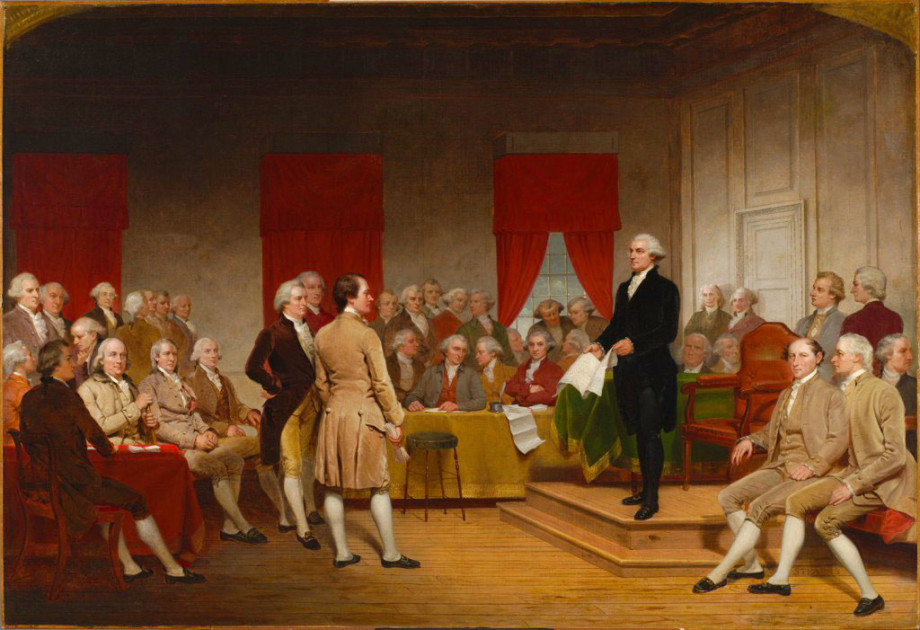
The Constitution’s guarantee wasn’t designed to protect members during shutdowns. The Founders didn’t anticipate shutdowns – they expected Congress to appropriate funds because failing to do so would be obviously insane.
They guaranteed congressional pay to prevent executive branch interference. If the president controlled whether Congress got paid, he could starve them into submission. The guarantee ensures legislative independence.
The 27th Amendment, ratified in 1992, adds that any law changing congressional pay can’t take effect until after the next election. This prevents Congress from voting themselves immediate raises and ensures voters can weigh in on compensation changes.
None of this was designed to protect members during self-inflicted funding crises.
The Founders assumed Congress would prioritize keeping government functioning. They didn’t anticipate a political system where manufactured crises became negotiating tactics.
But the constitutional protection is absolute. Even if Congress wanted to forfeit pay during shutdowns, they likely couldn’t. The Constitution requires they receive compensation. Whether they keep it, donate it, or defer it is a personal choice – but the payment itself is mandatory.
The Senator Who Said He Can’t Afford To Give Up His Paycheck
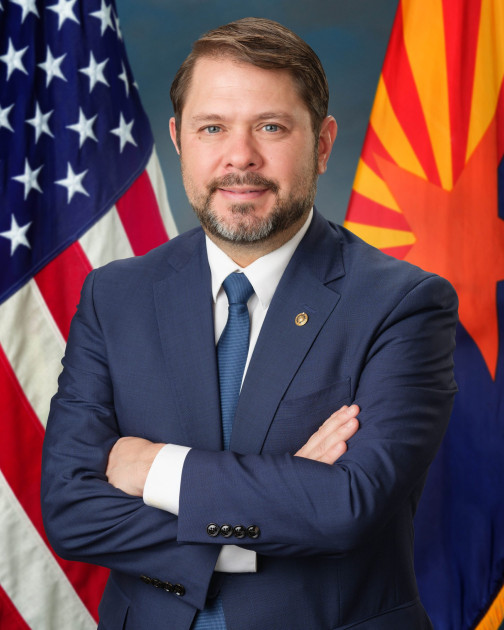
Senator Ruben Gallego of Arizona told NBC News in early October that forgoing his paycheck wasn’t feasible. “I’m not wealthy, and I have three kids. I would basically be missing, you know, mortgage payments, rent payments, child support.”
On CNN, Gallego called forgoing pay “gimmicks” that don’t help anyone. “Most of these senators are millionaires to begin with, right? And all these congressmen that are complaining about it, they already got paid for the whole month.”
His candor sparked criticism but revealed an uncomfortable truth. Most members of Congress can afford to donate $20,000 over six weeks. They have staff, expense accounts, outside income, and wealthy networks. The median congressional net worth is $1.1 million – twelve times greater than the average American household.
But some members genuinely need their salaries. Gallego isn’t unique in having mortgage payments, child support, and normal financial obligations. His willingness to admit publicly that he depends on his paycheck stands out mainly because so few members admit it.
The criticism he faced reveals the double standard. Federal workers who missed paychecks and desperately needed them faced no judgment – they’re victims of congressional dysfunction. But a member of Congress admitting he needs his paycheck becomes evidence of hypocrisy or insensitivity.
The Janitors Who Never Get Paid Back
Congress gets paid during shutdowns. Federal employees get back pay when shutdowns end – that became guaranteed by law in 2019. But federal contractors get nothing.
Janitors cleaning the Capitol building work for private contractors. Security guards, cafeteria workers, maintenance staff – many are contractors rather than direct federal employees. When the government shuts down, their companies don’t pay them. When the government reopens, federal law doesn’t require back pay.
Dan Koh, host of The People’s Cabinet podcast and former deputy assistant to President Biden, highlighted this disparity: “If the government shuts down, members of Congress still get paid. The janitors never get paid.”

PolitiFact rated his statement “Mostly True.” Members of Congress do continue getting paid. Janitors and other contractors don’t get back pay unless their private employers choose to provide it, which most don’t.
In 2023, some Senate Democrats proposed legislation requiring back pay for federal contractors. It didn’t advance. Senator Tina Smith of Minnesota is working on similar proposals, but they face long odds in a Republican-controlled Senate that sees back pay for contractors as rewarding companies rather than workers.
The result is a tiered system of shutdown suffering. Members of Congress get paid in full and on time. Federal employees work without pay but get back pay eventually. Contractors work without pay and get nothing when the crisis ends.
The TSA Officer Who Can’t Afford Her Baby’s Copay
Mary Becker, a TSA officer at Sacramento International Airport with nine years of service, told CNN affiliate KXTV she missed two paychecks during the shutdown. She’s a single mother with a 9-month-old daughter, Alice.
Becker asked for help buying diapers and goat milk formula – Alice has a dairy allergy, making formula expensive. When Alice got sick with hand, foot and mouth disease and needed to see the pediatrician four times in two weeks, Becker had to ask the doctor’s office to delay the $50 copay.
“I can’t afford the $50 right now,” she said.
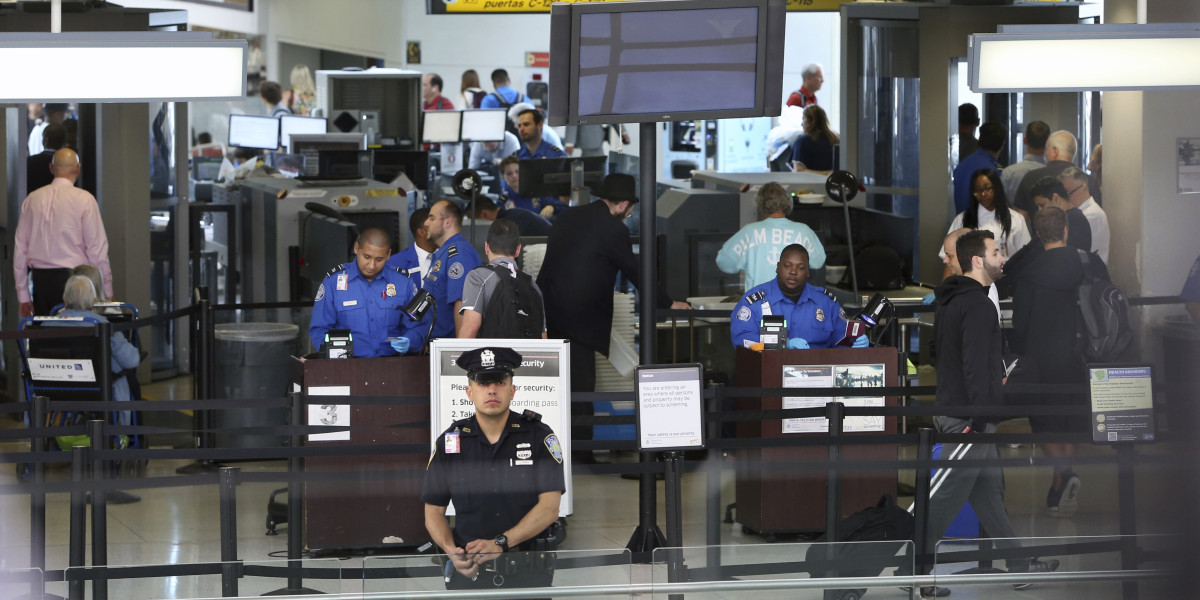
While Becker was asking pediatricians to defer a $50 copay, every member of Congress was receiving approximately $4,700 per biweekly paycheck. Senator Mike Johnson earned about $6,200 every two weeks. They faced no choice between medical care for their children and keeping the lights on.
The gap isn’t just about money – it’s about who bears the cost of political dysfunction. Becker worked every day during the shutdown, screening passengers while worrying about whether she could afford her baby’s formula. Members of Congress took seven-week recesses while their paychecks kept arriving.
The Military Exception Trump Created
Active-duty military personnel and reservists faced their own crisis. They’re required to serve regardless of whether government functions. But their pay wasn’t guaranteed during the shutdown.
Just days before roughly two million active-duty and reserve members were set to miss their first paychecks, the Trump administration announced it would use about $8 billion in Pentagon research and development funds to cover October 15 payroll.
That creative accounting worked once. There wasn’t enough money for the next distribution at the end of October, so the administration found additional funds to reprogram. Daily Treasury statements show $4 billion paid to active-duty troops on October 15 and $4.7 billion on October 31.

The fact that this required creative workarounds reveals the absurdity. Federal law treats military pay the same as other federal compensation – subject to appropriations. When appropriations lapse, military paychecks theoretically stop even though service members can’t stop serving.
Congress could have exempted military pay from shutdown effects years ago through permanent appropriation, the same mechanism that protects congressional salaries. They haven’t. Which means every shutdown creates a crisis where the administration scrambles to find money to pay troops.
The Constitutional Design That Backfired
The Founders guaranteed congressional compensation to protect legislative independence from executive pressure. They succeeded – presidents can’t starve Congress into submission by withholding pay.
But they didn’t anticipate Congress would use shutdowns as routine negotiating tactics. They didn’t foresee a political system where inflicting suffering on citizens becomes leverage for policy demands. They didn’t imagine Congress would need protection from itself rather than from other branches.
The constitutional protection now works backward. Instead of ensuring Congress can govern independently, it ensures they can avoid governing while facing no personal consequences.
Federal workers and contractors provide the essential services that keep government functioning. When Congress decides those services aren’t worth funding, workers suffer while Congress continues receiving compensation for failing to perform their basic obligation.
That’s not how the Founders intended the guarantee to work. But it’s how it works in practice when shutdowns become normalized political warfare instead of rare constitutional crises.
The 27th Amendment says congressional pay changes can’t take effect until after the next election. Perhaps there should be a 28th Amendment saying congressional pay stops immediately during shutdowns – no back pay, no exceptions.
That amendment will never pass because the people who’d have to vote for it are the ones it would penalize. Which means the current system continues: Congress earns $20,000 during shutdowns while causing other people to earn nothing.
The Constitution protects congressional paychecks. It just doesn’t protect anyone else.