
In a stunning revelation submitted to a federal court, the government of El Salvador has declared that the Venezuelan migrants deported by the Trump administration to its maximum-security CECOT prison remain under the “sole custody” and “exclusive legal responsibility” of the United States.
This statement, delivered to the United Nations, directly contradicts months of assertions by the Department of Justice, which has claimed in U.S. courts that it has no power over these individuals precisely because they are on foreign soil.
This contradiction exposes more than just a diplomatic dispute; it reveals a deeply alarming legal strategy. It forces us to confront two questions that strike at the heart of our constitutional order:
Can the U.S. government essentially “rent” the sovereign territory of another nation to carry out actions that would face intense legal scrutiny if done at home?
And in doing so, can the executive branch create a “legal black hole” where individuals can be held without access to any court at all?
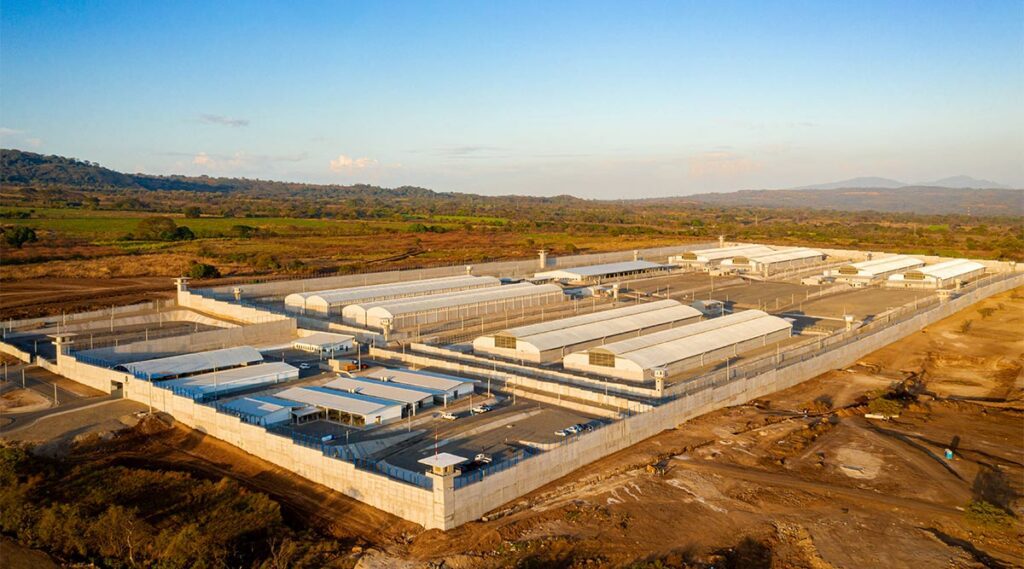
Sovereignty for Hire: The Peril of an Outsourced Prison
The arrangement between the United States and El Salvador, reportedly involving a $6 million payment to host the detainees, is more than a foreign aid package. It is a contractual agreement that amounts to the outsourcing of a core government function: incarceration. This “sovereignty for hire” model creates an immediate and dangerous constitutional peril.
Our legal system has stringent rules, derived from the Constitution, governing prison conditions, detainee rights, and due process.
By physically moving detainees to a facility in another country, while allegedly retaining legal control, the executive branch appears to be attempting to sidestep these domestic legal constraints.
It is a strategy that, if successful, could create a blueprint for bypassing constitutional obligations. What prevents a future administration from creating similar offshore arrangements for other groups of people, claiming they are not technically on U.S. soil and therefore not entitled to the full protection of its laws?
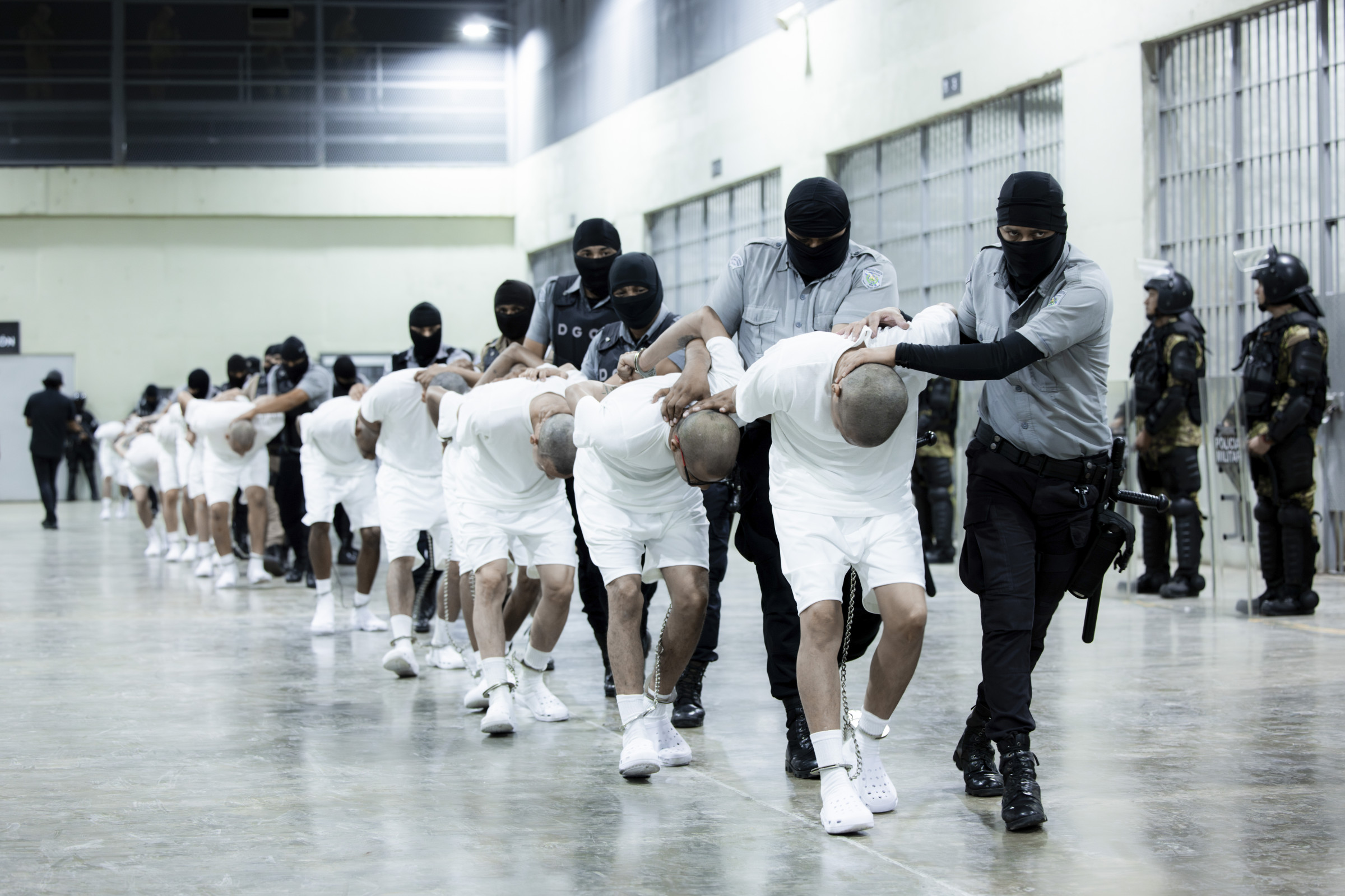
Creating a Legal Black Hole
This “sovereignty for hire” model is the method used to achieve a constitutionally terrifying goal: the creation of a legal black hole. In courtroom after courtroom, the administration’s lawyers have argued that U.S. judges lack jurisdiction to order the return of these migrants because they are in the custody of a foreign nation. Yet, that same foreign nation is now telling the international community that these individuals are the “exclusive” responsibility of the United States.
This is a classic jurisdictional shell game. The detainees are trapped in a void where neither country claims ultimate legal authority over their fate, effectively stripping them of access to any court system.
This is a direct assault on the most ancient and fundamental safeguard of liberty in Anglo-American law: the writ of habeas corpus, which guarantees every person the right to challenge the legality of their detention before a judge.
A government that can make a person disappear from all legal review is a government that has slipped the leash of constitutional restraint.
A Court’s Frustration: “Trying to Nail Jell-O to a Wall”
The real-world consequence of this strategy is a breakdown of the separation of powers. Federal judges, tasked with checking the power of the executive branch, are finding themselves unable to get straight answers.
One judge, Stephanie Gallagher, noted the administration has “repeatedly skirted this Court’s directive” to explain its efforts to return a detainee.
Another judge, Paula Xinis, memorably described the process of getting information from the government as “trying to nail Jell-O to a wall.”
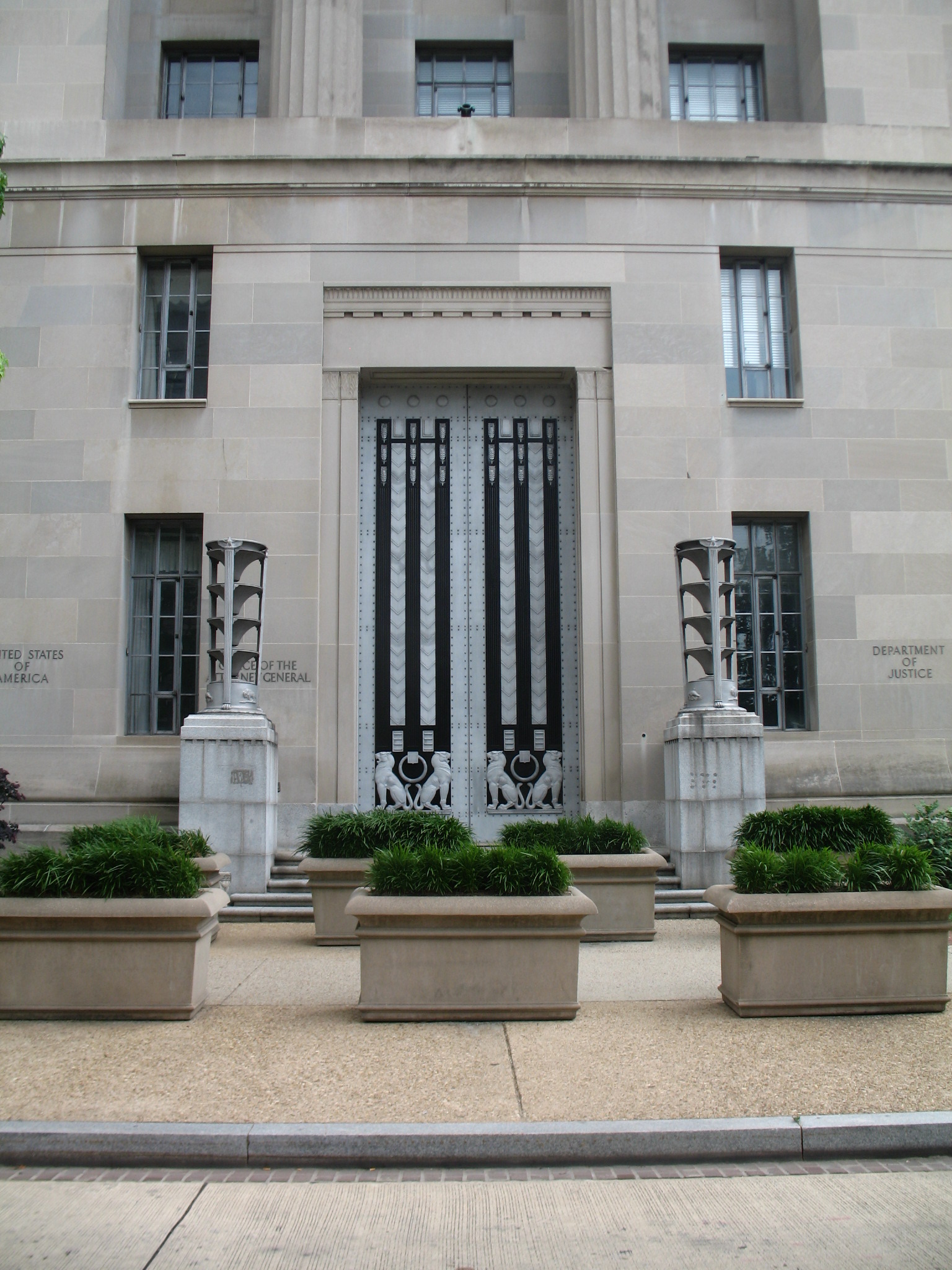
A court cannot perform its constitutional duty of judicial review if the executive branch misrepresents the facts of a case or provides evasive, contradictory information. When this happens, the system of checks and balances grinds to a halt, leaving executive action effectively unchecked.
This revelation from El Salvador is more than an embarrassing diplomatic incident. It exposes a legal strategy that could have devastating long-term consequences for the rule of law. The precedent of creating offshore, outsourced detention zones to evade constitutional scrutiny is a dangerous path.
The great writ of habeas corpus was designed for exactly this purpose—to prevent a government from making people disappear into legal voids. This modern strategy is a direct challenge to that essential safeguard of liberty.