
In politics, nothing is ever really “old.” It is just waiting to be reintroduced with a sharper caption and a meaner algorithm.
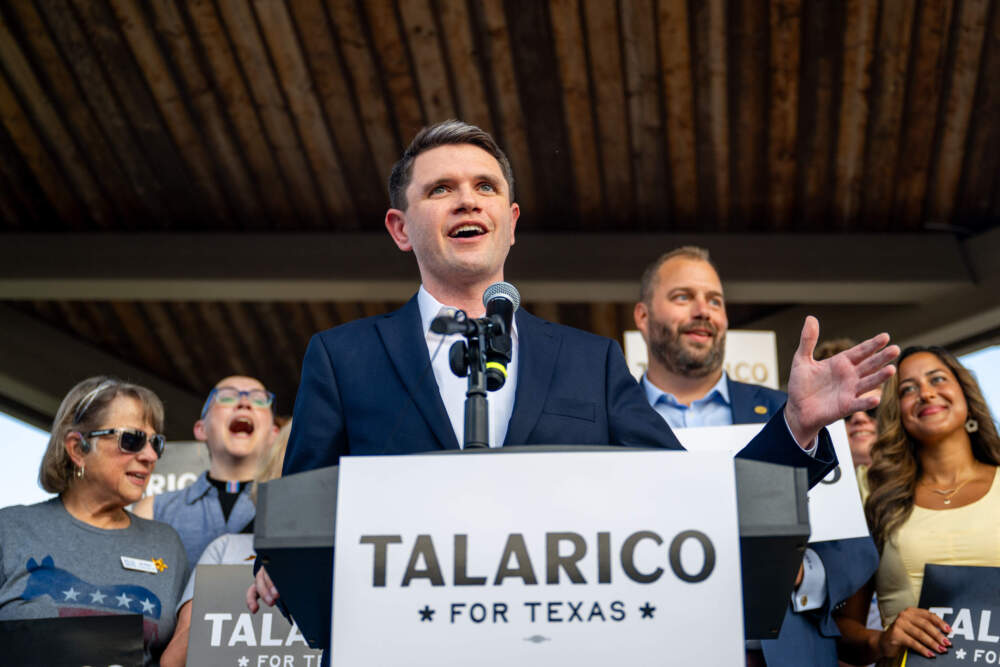
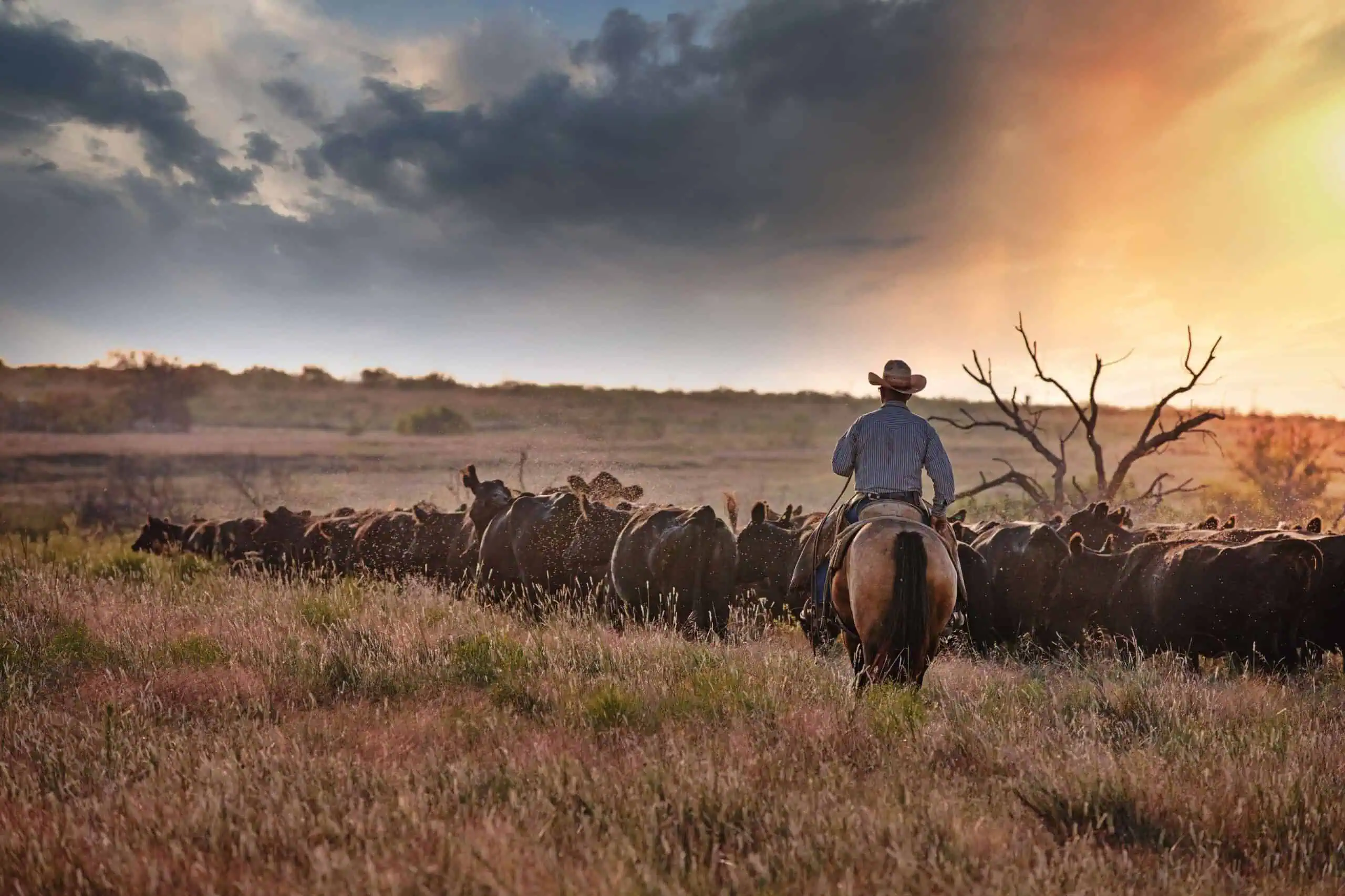
That is the predicament now facing James Talarico, the Democratic nominee for U.S. Senate in Texas, after a 2022 clip resurfaced showing him urging Texans to cut back on meat consumption as part of confronting climate change. In a state where cattle is not just agriculture but identity, the line landed less like policy and more like cultural provocation. Republicans and conservative influencers immediately treated it as a gift wrapped in butcher paper.
Join the Discussion
The clip
The remarks trace back to an April 2022 speech to the Texas Humane Legislation Network, delivered while Talarico was wearing a mask. In the clip, he framed reduced meat consumption as both a moral issue and a climate issue, telling the audience it was “necessary to fight climate change” and adding, “It is now existential that we try to reduce our meat consumption and that we try to respect animals in all aspects of society.”
He then went further, turning the message into a campaign brand: “So, I am proud to say that our campaign has officially become a non-meat campaign,” he said, explaining that the campaign would buy vegan products from local vegan businesses.
On the substance, none of this is hard to decode. It is a familiar progressive blend of animal welfare, climate urgency, and personal consumption choices. The problem is not comprehension. The problem is translation, because Texas politics is bilingual. Candidates speak policy, but voters often hear culture.
Who he is
Talarico is a three-term state legislator and a self-described Presbyterian seminarian who is running to unseat Sen. John Cornyn, R-Texas. He became the Democratic nominee after defeating Rep. Jasmine Crockett, D-Texas, in a primary battle earlier this month.
That context matters because statewide races are not just arguments over bills and budgets. They are tests of fit, and opponents are always on the lookout for a single phrase that can be turned into a full character sketch.
Why it hits in Texas
There are plenty of states where a politician can flirt with lifestyle politics and survive it. Texas is not reliably one of them, especially in a high-stakes statewide race where opponents are hunting for a line that can be flattened into a caricature.
The attack line writes itself: this is the candidate who wants to ban your barbecue. That is not a fair reading of what he said, but campaigns do not grade on fairness. They grade on stickiness.
Turning Point USA spokesman Andrew Kolvet wrote on X that “Democrats are trying to fool Texans into believing James Talarico isn’t some whacked out lib, but the clips keep coming,” adding, “In 2022, Talarico, wearing a mask, scolded Texans about going meat-free (!!) to stop climate change. This is TEXAS. This will haunt him in the general.”
And on Fox, Lawrence Jones put it in the blunt language campaigns understand: “That just isn’t poor taste, it’s political poison.”
One national Senate campaign committee account mocked the candidate by pointing out that cattle is Texas’ top commodity. Cornyn responded to the viral clip with a pun that was always going to be repeated: “Vote Republican this November. The steaks couldn’t be higher.” Sen. Ted Cruz also piled on, labeling Talarico a “freak” who wants to “ban BBQ.”
Those lines matter because they shift the conversation away from policy disagreements and toward identity threat, which is a far more potent motivator in modern elections.
The counter
Talarico’s team tried to smother the “vegan candidate” narrative with an image designed for one purpose: reassurance. The campaign posted a photo of him wearing a Texas-flag shirt and taking a large bite out of a turkey leg, paired with the line “Official Statement from James Talarico on Vegan Accusations.”
As modern damage control goes, it is textbook. If the accusation is cultural estrangement, the rebuttal is cultural familiarity, served handheld and photographed mid-bite.
But the deeper challenge is that symbolic rebuttals do not erase recorded statements. They only compete with them. And a statewide race is long enough for the clip to reappear whenever momentum shifts.
Fox News Digital reported it reached out to Talarico’s campaign for comment.
Speech and consequences
It is tempting to treat controversies like this as “cancel culture” disputes. Constitutionally, they are usually nothing of the sort.
The First Amendment restrains government. It does not require voters to applaud you, donors to fund you, or opponents to stop replaying your words. Talarico can call meat reduction “existential.” His opponents can call it political poison. And the public can decide which framing feels more credible.
This is the civic lesson hiding in plain sight: the Constitution protects your ability to speak, but it does not protect you from being understood unfavorably, clipped into a ten-second ad, or reduced to a slogan that fits on a yard sign.
The bigger risk for Texas Democrats
Talarico is not running in a vacuum. Texas has not elected a Democrat to the U.S. Senate since the 1980s. He is trying to argue the state is ready to break that pattern, and his campaign has pointed to an internal poll published Friday that purports to show him leading Cornyn and Texas Attorney General Ken Paxton in head-to-head matchups.
But the path for any Democrat statewide in Texas is narrow. It requires threading together metro turnout, suburban persuasion, and enough cultural comfort to keep rural margins from turning into blowouts.
A comment about reducing meat is not disqualifying in a constitutional sense. It is potentially disqualifying in an electoral sense, because it gives opponents a way to tell a simple story: this candidate is not like you. And in politics, that story is often more powerful than a policy platform.
Values attacks
The resurfaced non-meat clip is not the only past remark now being weaponized. Republicans have also spotlighted Talarico’s past comments touching religion and transgender issues.
In 2021, he claimed “God is non-binary” when debating a bill to ban men from women’s sports on the Texas House floor. He later doubled down on that statement during an interview with The Bulwark on Thursday, arguing it was “provocative” but theologically correct.
In an interview with an Austin-based Fox affiliate in 2021, Talarico called concern over biological males in women’s sports part of “far-right conspiracy theories.” And in 2023, when he was asked on the “A Superbloom Podcast” about “something that you love, other than family and friends,” he discussed “trans children.”
Whether voters find those comments thoughtful or outrageous depends less on theology than on tribal politics. In statewide Texas elections, “provocative” is rarely a neutral adjective. It is a warning label, and opponents will make sure it stays visible.
What to watch
- Message discipline: Does Talarico reframe the 2022 comments as personal choice and local business support, or does he double down on moral urgency?
- Opponent strategy: Does the race become a referendum on cultural identity rather than governance, with “ban BBQ” standing in for a whole worldview?
- Right-side primary: Cornyn faces an insurgent primary challenge from Paxton, which could reshape the general election terrain depending on how bruising that fight becomes.
- Voter priorities: If inflation, border policy, or national partisanship dominate, the meat controversy may fade. If the election becomes cultural, it will linger.
The Constitution does not tell candidates what to say. It only sets the rules of the arena. The electorate supplies the consequences. For Talarico, the question is not whether he was allowed to make the comment. He was. The question is whether Texas will let him move past it.