
A major fight over President Donald Trump’s now-invalidated “emergency” tariffs has shifted from the Supreme Court to a more practical question: how, exactly, does the government return the money?
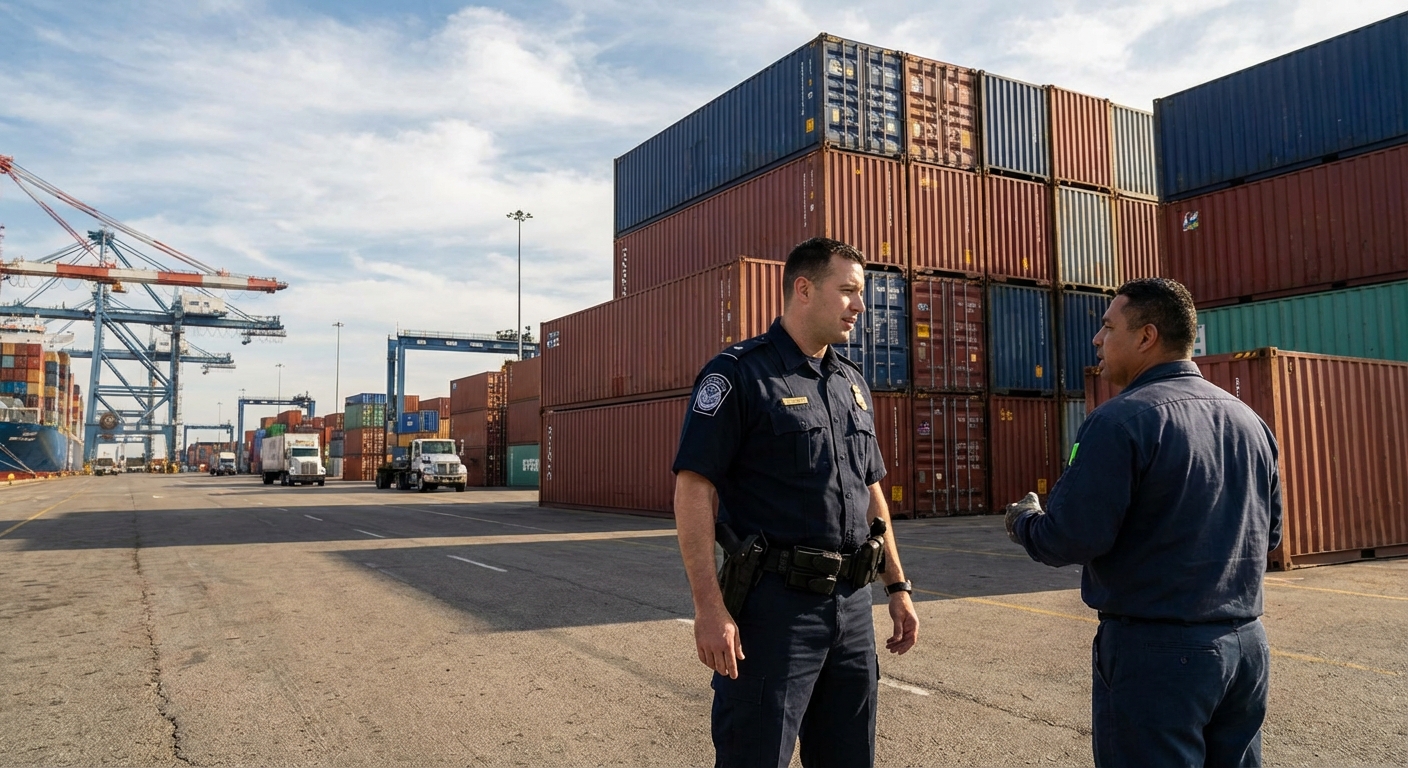
In a new filing, the Trump administration told the U.S. Court of International Trade that refunds will not begin right away. Instead, Customs and Border Protection said it needs roughly six weeks to build a workable system before it can start processing the claims at scale.
Why the refunds are happening
The background is a February Supreme Court decision that blocked Trump’s use of the International Emergency Economic Powers Act, or IEEPA, to impose sweeping tariffs on trading partners. The Court’s 6-3 majority concluded that IEEPA does not authorize tariffs because Congress did not clearly hand the executive branch that power, even after a national emergency declaration.
That ruling left a large, immediate consequence in its wake: importers who paid the IEEPA-based duties are entitled to the benefit of the Court’s decision, meaning their tariff bills must be recalculated as if the tariffs had never applied.
CBP says the scale is unprecedented
A Customs and Border Protection official explained to the trade court that the agency is facing a refund universe that is difficult to overstate. The declaration cited at least 53 million refunds totaling $166 billion.
CBP also warned that its current tools are not designed for a project of this size. According to the official, creating an automated approach would save roughly four million hours of work. Without a better system, the agency said, personnel could be pulled away from routine trade enforcement responsibilities.
In other words, the government is not disputing that refunds are coming. It is telling the judge it cannot responsibly flip the switch overnight.
A Clinton-appointed judge takes control of the refund process
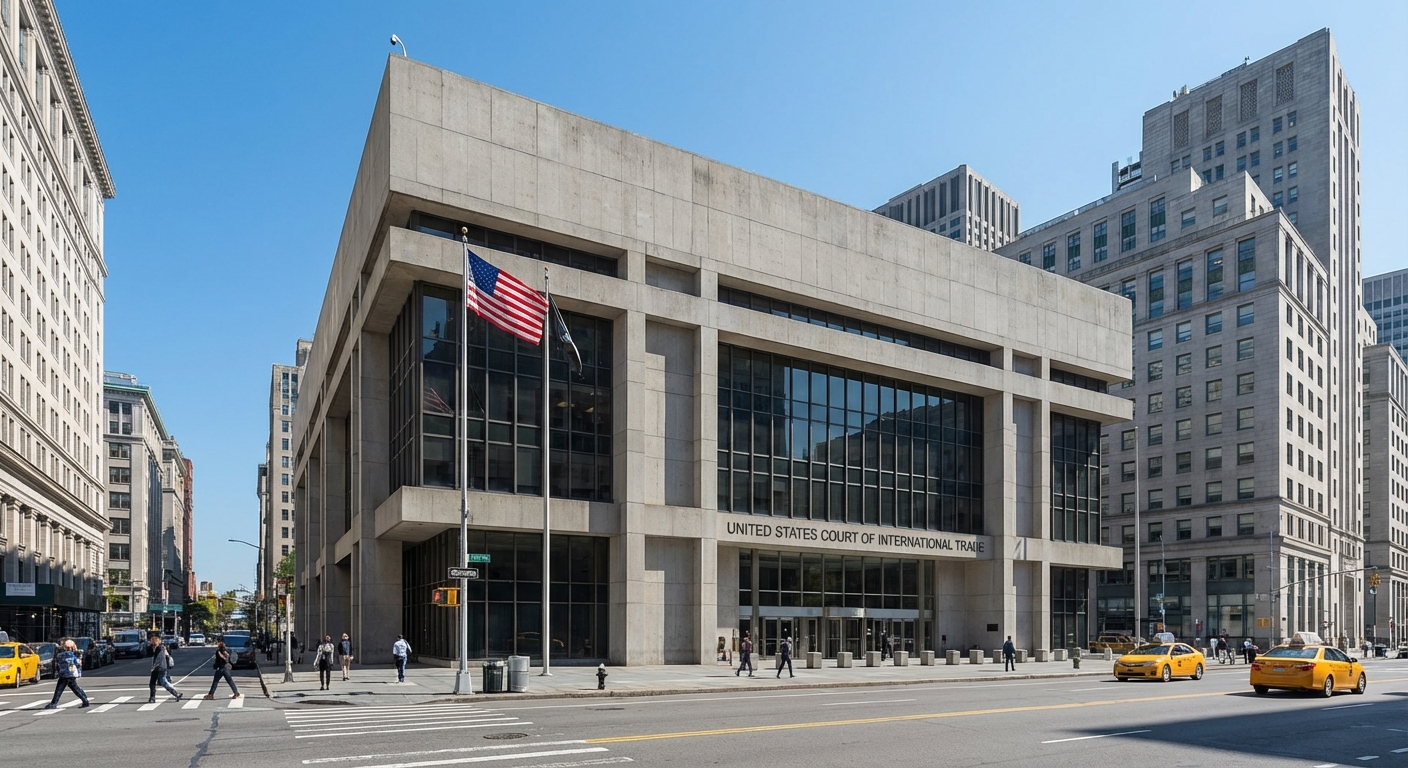
The case is being overseen by Judge Richard Eaton, a Court of International Trade judge appointed by President Bill Clinton. In a short order outlining the road ahead, Eaton described an initial step that sounds simple but is logistically heavy: CBP must calculate what each importer would have owed if the IEEPA tariffs had not been charged in the first place.
He also emphasized that he will be the sole judge handling refund-related matters tied to these IEEPA duties. As Eaton put it, “The Chief Judge has indicated that I am the only judge who will hear cases pertaining to the refund of [International Emergency Economic Powers Act] duties.”
That kind of consolidation matters because more than 1,000 companies have sued over the tariffs in the trade court, and a single supervising judge reduces the chances of conflicting instructions about timing or method.
The lawsuit that triggered the order
The immediate case before the court was brought by Atmus Filtration, Inc., one of many companies that paid the tariffs Trump imposed on nearly every country using IEEPA as the legal basis.
IEEPA, enacted in 1977, allows a president who has declared a national emergency in response to foreign threats to regulate or block certain economic transactions. It is commonly associated with sanctions. The Supreme Court’s ruling drew a sharp boundary: sanctions authority does not automatically equal tariff authority.
The practical concern the Supreme Court left behind
Notably, the Supreme Court did not spell out a detailed refund plan, leaving lower courts to manage the remedy. That gap has become the center of the current dispute.
Justice Brett Kavanaugh, dissenting, warned that refunds on this scale could create “serious practical consequences,” especially if some businesses already passed tariff costs down the supply chain. He wrote, “The refund process is likely to be a ‘mess.’”
Judge Eaton pushed back on that skepticism in court. According to Politico’s reporting of the hearing, he said: “There is nothing particularly novel about the provision of refunds. … I believe that there will be no chaos associated with the provision of these refunds and that it will not result in a mess.”
What happens next
Eaton is scheduled to hold a closed-door conference with the parties to further discuss how refunds will work in practice. Meanwhile, CBP’s message is straightforward: even with a court order in place, the agency believes it needs time to design an automated approach that can handle tens of millions of transactions without freezing its other core work.
For businesses and consumers trying to read the tea leaves, the key takeaway is timing. The legal question of whether the IEEPA tariffs were valid has largely been answered. The next chapter is administrative: building a system that can actually return the money.