
When people say they are “suing the police for violating my rights,” they are usually talking about one statute: 42 U.S.C. § 1983, commonly called Section 1983. It is not a constitutional amendment. It is a Reconstruction-era law that creates a civil lawsuit when a state or local official uses government power to violate someone’s federal rights. Section 1983 is the bridge between the Constitution’s promises and an actual remedy in court.
Note: This is general information, not legal advice. Deadlines and rules vary by jurisdiction and facts.

Join the Discussion
What Section 1983 is
Section 1983 says, in plain English: if a person acting under color of state law violates your federal constitutional or statutory rights, you can sue them for relief. That relief is often money damages, but it can also include injunctions (court orders to stop a practice) and declaratory judgments (a ruling that conduct was unconstitutional).
This is why Section 1983 matters so much. The Bill of Rights tells government what it cannot do. Section 1983 is one of the tools that lets individuals enforce those limits against state and local government actors.
Who can sue and be sued
Who can sue
Any person whose federal rights were violated can bring a Section 1983 claim. That includes citizens and non-citizens alike. The key question is not your status. The key question is whether a federal right was violated and whether the defendant was acting with state authority.
Who can be sued
- State and local officials in their individual capacity (for example, a police officer, sheriff’s deputy, jail guard, public school administrator, or city inspector). These cases often seek money damages from the individual, typically paid or indemnified by the agency in practice.
- Local governments (cities and counties) can be sued, but not simply because they employ a wrongdoer. To win against the municipality itself, a plaintiff usually must show the violation was caused by an official policy, practice, or custom, or by a failure to train that amounts to deliberate indifference. A “custom” here usually means a widespread, repeated practice that is not necessarily written down. This doctrine comes from Monell v. Department of Social Services (1978).
Practical note: Depending on state law, some sub-units like “police departments” or “sheriff’s departments” are not separate suable entities. Often the proper defendant is the city or county itself.
Who is usually not a Section 1983 defendant
- The United States federal government. Section 1983 targets state action. Claims against federal officers are typically framed as Bivens actions, but the Supreme Court has sharply limited when Bivens is available in recent years.
- The state itself (in most damages suits). States are generally not considered “persons” for damages under Section 1983 (see Will v. Michigan Dept. of State Police), and Eleventh Amendment immunity often bars damages suits in federal court. A major exception exists for prospective injunctive relief against state officials in their official capacity under Ex parte Young.
- Private individuals, unless they were effectively exercising government power or acting jointly with the state in a way that counts as “state action.”
Under color of law
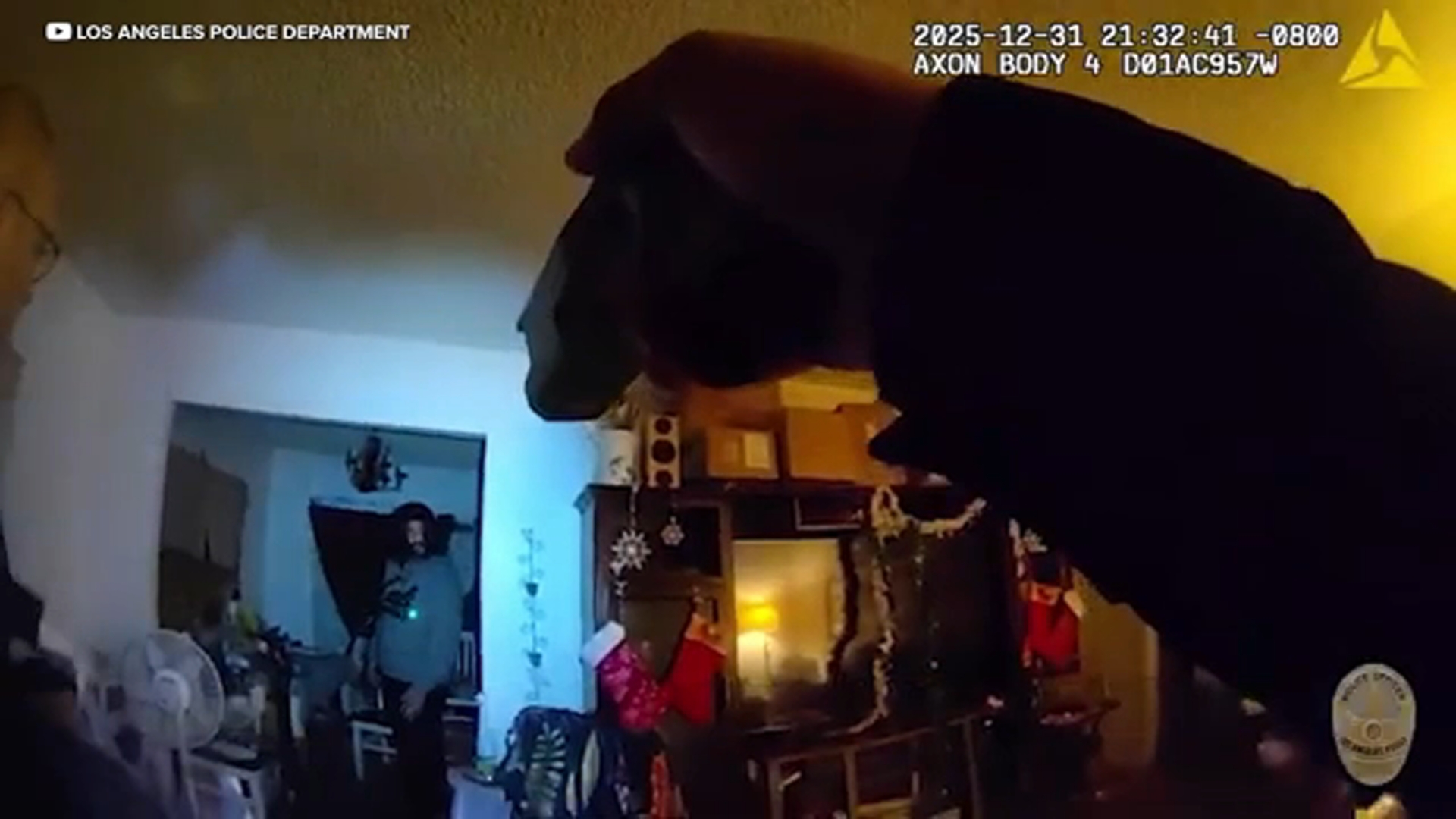
“Under color of law” is the legal phrase for using government authority. Think: police making an arrest, a jail using force on a detainee, a public school punishing speech, or a city enforcing a permit scheme. If the defendant’s power comes from the badge, the job, or the state’s delegation of authority, Section 1983 is typically in the conversation.
Off-duty conduct can qualify too if the official uses the appearance or tools of state authority. The inquiry is factual: were they acting like a private person, or acting like the government?
Common Section 1983 claims
Section 1983 is not one specific claim. It is a vehicle for many constitutional claims. The underlying right usually comes from the Fourth, First, Eighth, or Fourteenth Amendments.
Excessive force
Many Section 1983 cases involve force by law enforcement during a stop, arrest, or other “seizure.” The constitutional question is usually whether the force was objectively reasonable under the circumstances, based on what a reasonable officer would perceive in that moment. This is not a perfection standard and it is not a hindsight standard. It is one reason these cases can turn on body camera footage, witness testimony, and the timeline of seconds.
Unlawful search and seizure
Claims can involve warrantless home entries, improper searches, arrests without probable cause, or prolonged detentions. A criminal case may suppress evidence. A Section 1983 case asks a different question: did the violation entitle the victim to damages or other relief?
First Amendment retaliation
Another frequent claim is retaliation for protected speech: filming police, criticizing officials at a meeting, speaking out as a citizen, or protesting. The core idea is simple: the government cannot punish you for speech it dislikes. In practice, these cases focus on causation. Was there an adverse action, and was it taken because of the protected expression?
Jail and prison conditions
Convicted prisoners generally invoke the Eighth Amendment (cruel and unusual punishments). Pretrial detainees often invoke the Fourteenth Amendment due process protections. Claims can include denial of medical care, dangerous conditions, or use of force in custody.
Due process and equal protection
Some cases are not about force at all. They are about procedural fairness (notice and a hearing), biased decision-making, discrimination, or unequal treatment by state actors.
Fees, damages, and remedies
Section 1983 cases are not only about proving a violation. They are also about remedies. Common remedies include compensatory damages (to make the plaintiff whole), and sometimes nominal damages (a small amount that recognizes a rights violation even without major financial harm). In some cases, courts can order changes through injunctions and declaratory relief.
Two practical points matter a lot:
- Attorney’s fees (42 U.S.C. § 1988): prevailing plaintiffs can often recover reasonable attorney’s fees. This fee-shifting rule is a major reason people can hire counsel to bring civil rights cases that might not otherwise be economically feasible.
- Punitive damages: punitive damages may be available against individual officials in some cases (typically for reckless or malicious conduct), but they are generally not available against municipalities.
Qualified immunity
Qualified immunity is a judge-made defense that often shields government officials from paying money damages even when a constitutional violation occurred. In general terms, an official is not liable unless the plaintiff can show both (1) the facts amount to a constitutional violation and (2) the right was clearly established at the time, meaning existing precedent made it obvious to a reasonable official that the conduct was unlawful. In real life, the fight is usually over how similar prior cases must be. Plaintiffs argue the principle was clear. Defendants argue no prior case matches closely enough.
Qualified immunity does not usually bar claims for injunctive relief, but it can end damages claims early, before a jury ever hears the story. It can be raised at the motion to dismiss stage only when the complaint itself shows entitlement. More often it is litigated at summary judgment after discovery fills in the factual record.
Deadlines and other hurdles
Statute of limitations
Section 1983 has no single built-in deadline. Instead, it generally borrows the statute of limitations from state personal injury law. That means the time to file can vary significantly by state, and missing the deadline is often a complete bar to the case. (Separate federal rules govern when the claim accrues and how certain tolling doctrines may apply.)
Other common barriers
- Prison Litigation Reform Act (PLRA): people suing over prison or jail conditions usually must exhaust the facility’s administrative grievance process before filing in court.
- Heck v. Humphrey: some damages claims are blocked if winning would necessarily imply the invalidity of an existing criminal conviction that has not been overturned.
Where cases get filed
The basic path
A Section 1983 lawsuit begins with a complaint that identifies the defendants, describes what happened, states the constitutional rights violated, and requests relief. Because these are federal rights, plaintiffs can usually file in federal court from the start.
State court and removal
Section 1983 claims can also be filed in state court because state courts have concurrent jurisdiction over many federal claims. But there is an important procedural twist: defendants frequently have the option to remove the case to federal court, because the lawsuit presents a federal question. That is why many Section 1983 cases end up in federal court even if they did not start there.
What happens next
- Motions to dismiss: defendants often argue the complaint does not state a legal claim, or that qualified immunity applies based on the pleaded facts.
- Discovery: if the case survives early motions, both sides exchange records, body camera footage, dispatch logs, policies, and take depositions.
- Summary judgment: many civil rights cases are resolved here, especially when qualified immunity is raised again after the factual record develops.
- Trial: if factual disputes remain that a jury must decide, the case proceeds to trial.
One more constitutional nuance that surprises people: a Section 1983 case is civil. It does not require a criminal prosecution, and it does not automatically produce criminal charges. It is about liability and remedies for rights violations.
What Section 1983 is not
- Not a criminal statute: it does not send anyone to prison.
- Not automatic vicarious liability: a city is not liable merely because it employs an officer.
- Not limited to police: schools, jails, permitting offices, and other government actors can be involved.
Why this statute matters
Most constitutional rights are only as real as the mechanisms that enforce them. Section 1983 is one of the main mechanisms. It is the reason a Fourth Amendment principle can become a damages verdict. It is also why doctrines like qualified immunity and municipal liability rules quietly shape what constitutional accountability looks like on the ground.
If the Constitution is the promise, Section 1983 is one of the ways Americans try to cash it in.