
The Senate can talk about election rules for days and still not be any closer to changing them.
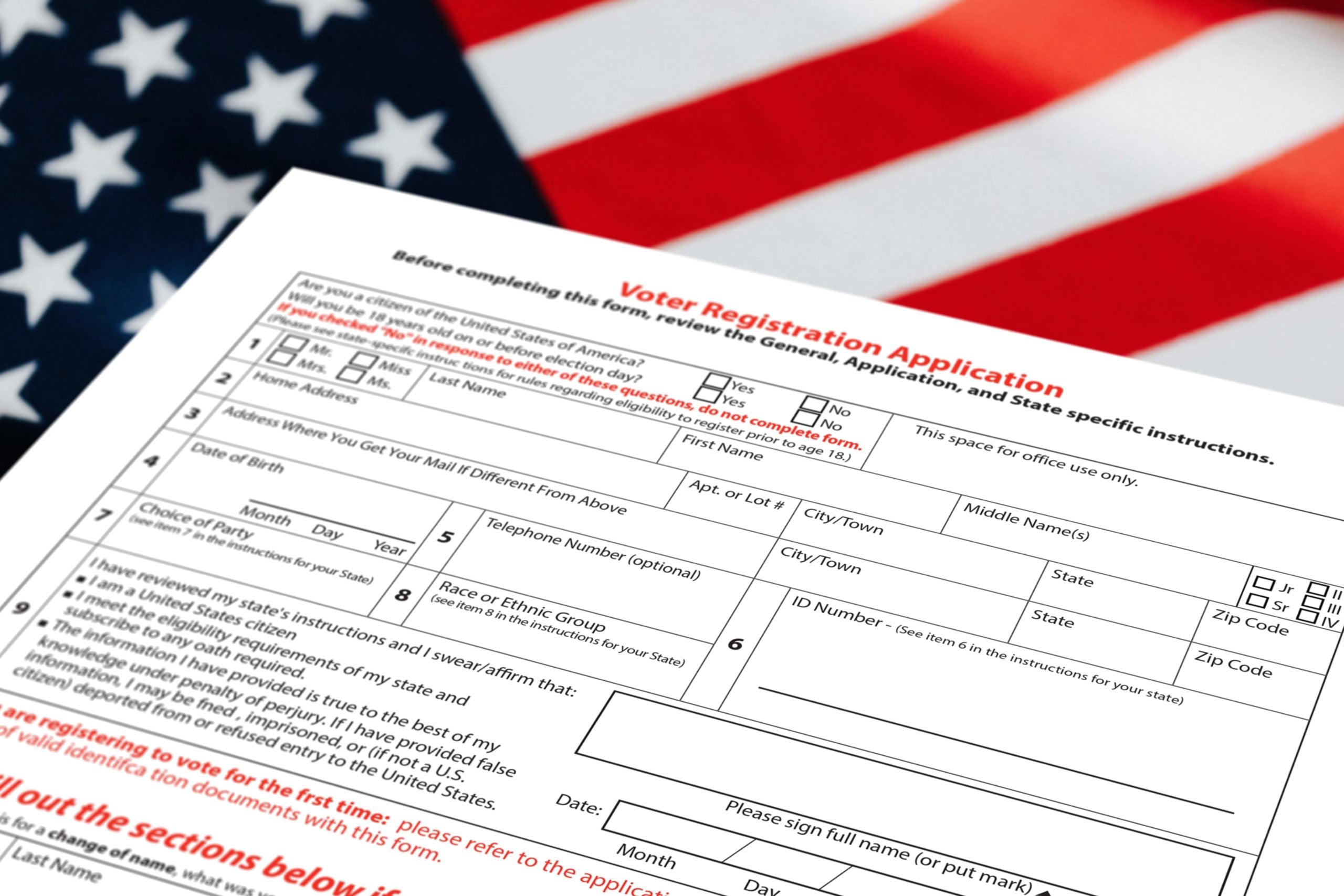
That is the reality check now facing Republicans and the SAVE America Act, a bill that would require proof of citizenship to vote. It has become a kind of legislative security blanket, a campaign-ready issue that is easy to explain and even easier to weaponize. But in the Senate, “favorite” does not mean “viable.” It often just means “useful until something harder shows up.”
Join the Discussion
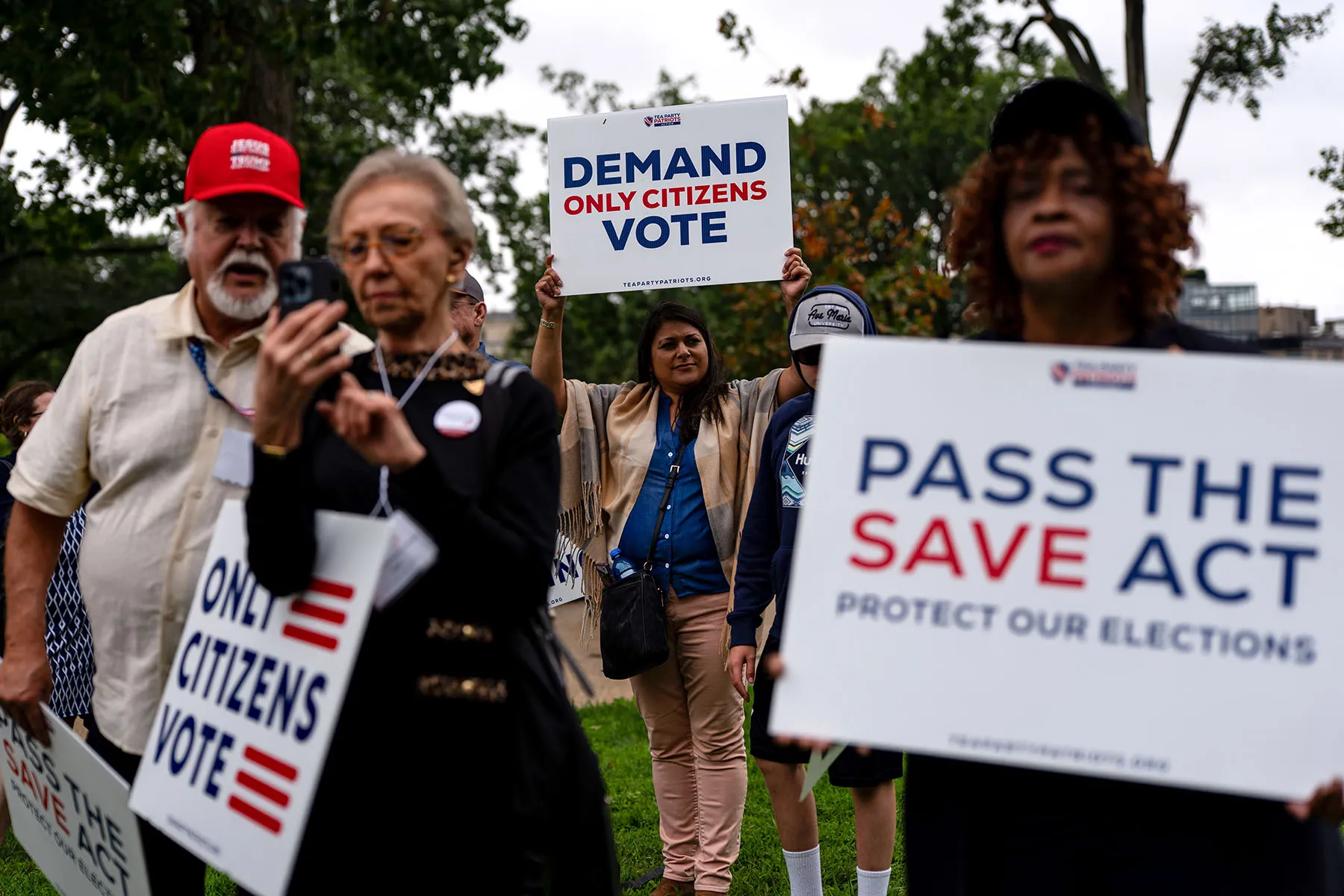
Fox News chief congressional correspondent Chad Pergram frames the dynamic with a family analogy: lawmakers have favorite bills the way parents have favorite children, even if they will not admit it. For Senate Republicans right now, that favorite is the SAVE America Act.
But Pergram’s point is that the Senate is parked here for reasons that have little to do with momentum. The chamber is stalled partly because it lacks anything else to do. And it is stalled mostly because the SAVE America Act, as a “favorite child,” offers good optics even if it has no viable path to passage.
DHS funding takes over
At some point, lawmakers will forge a deal to fund the Department of Homeland Security (DHS). It could be today. Tomorrow. A week. A month. But it will happen. And when that agreement arrives, the Senate’s attention is expected to snap to the next urgent priority and the SAVE America Act will likely be shelved again.
It is not that Republicans love the SAVE America Act less. It is that they love funding DHS more.
Airport pressure and the deadline
In related Fox coverage, President Donald Trump has demanded that the SAVE America Act be tied to DHS funding amid airport chaos. In the Senate, DHS funding has a gravitational pull that election bills do not. Pergram notes that Republicans argue airport lines and the risk of terrorism are the kinds of pressures that can reorder priorities fast.
There is also, as Pergram writes, an opportunity to end the protracted government shutdown. There are only so many exits on the legislative interstate, and Republicans do not want to miss this one.

Votes are the wall
The Senate has incinerated more than a week of debate on the SAVE America Act, and Republicans have little to show for it. Everyone has known where the vote count stands for weeks.
Senate Minority Whip Dick Durbin put it bluntly: “I'm telling you, the SAVE (America) Act is not going to pass. They have to change the rules of the Senate for that to happen.”
And, as Pergram notes, the Senate lacks the votes to alter the rules, too. That is the core problem. Not the talking points, not the press conferences, not the floor speeches. The math.
Messaging, not passage
Even stalled bills can do political work, and Pergram describes the SAVE America Act as a messaging exercise for Senate Republicans. It gives them repeated chances to get Democrats on the record about voter ID and related cultural fights.
The weekend offered a clear example. The Senate blocked a proposed amendment to bar men from competing in women’s sports. That test vote drew 49 yeas Saturday afternoon.
The National Republican Senatorial Committee (NRSC), the panel charged with electing GOPers to the Senate, is more than happy to document Democrats via roll call votes on those subjects. But the underlying reality does not change: the GOP does not have the votes to pass the SAVE America Act.
Recess is next
Even if the Senate secures a DHS agreement, the chamber is not likely to pivot right back to the SAVE America Act. Another favorite child is waiting: congressional recess.
Pergram reports that if there is a DHS deal, lawmakers will leave Washington for about two weeks to observe Easter and Passover.
Sen. Steve Daines previewed that rhythm on Fox: “We have had this battle now for two weeks. This is going to continue after we get back. After the Easter break.”
Pressure from both sides
Some Republicans insist they are not retreating. Sen. Rick Scott said, “We're busting our butt to do what the public wants us to do. We've got to secure our elections.”
But Pergram also captures the frustration with the gap between promises and tactics. Sen. Thom Tillis criticized overpromising: “I think anytime you promise something you can't possibly deliver, you’ve got to be held accountable. It's disingenuous to go out to the people and say ‘I'm fighting for you’ when you haven't even entered the ring.”
Reconciliation is not a fix
When a bill cannot clear the Senate as written, the next procedural idea is often budget reconciliation. Republicans are expected to try to shoehorn components of the SAVE America Act into a reconciliation bill later this year. “Try” is the key word.
Reconciliation is designed for money and tax matters, not policy. That is why voter ID style provisions could be stripped by the Senate’s referee, Parliamentarian Elizabeth MacDonough, if Republicans attempt to pack them into the bill.
Senate Majority Leader John Thune pointed to that constraint: “Budget reconciliation, as I’ve said before, you have to have a reason to do it. Obviously, the parliamentarian has a role to play in that process. And in the past, we have respected it. And I would expect we would do that.”
Sen. Lindsey Graham was even more direct: “I don't think under reconciliation we're going to be able to pass voter ID.”
House Freedom Caucus Chairman Andy Harris echoed it: “The SAVE America act is not reconcilable.”
Rep. Warren Davidson dismissed the idea as well: “This is fake. It isn’t going to work.”
The talking filibuster dare
There is another argument floating around the right flank: if Republicans truly want the bill, they should force the issue the hard way.
Rep. Brandon Gill called for a grind-it-out approach: “A talking filibuster is the most obvious and the most sure way of getting this thing passed. This reconciliation is not an out for the Senate. They need to do their job and get this bill passed.”
But Pergram’s bottom line is that Senate Republicans have not shown a willingness to keep the Senate in session around the clock and wear down opponents that way. Staying on the SAVE America Act for now is a parliamentary convenience, especially after the weekend vote on men playing women’s sports.
What comes next
The SAVE America Act is likely to remain a rallying point and a roll-call weapon, resurfacing when it is useful and receding when deadlines take over. Pergram’s forecast is straightforward: the Senate will eventually move on, and senators will eventually embrace yet another favorite legislative child.
In the near term, that means DHS funding. Then recess. Then, maybe, another round of procedural maneuvering. But unless the vote math changes, the bill’s status does not: talked about, fought over, and stuck.