
Oil just vaulted past a psychological and economic tripwire. On Sunday, crude prices surged above $100 per barrel for the first time since the shock that followed Russia’s 2022 invasion of Ukraine. This time, the catalyst is the war in Iran and its spread across the region, including attacks on nearby refineries. The market’s fear is simple: the world’s most important oil chokepoint could become a battlefield.
For Americans, the translation from geopolitics to daily life is immediate. Triggered by the shock of the initial February 28 strikes in Iran, the average price of gasoline reached $3.45 a gallon on Sunday, up 16% from the week prior, according to AAA. That is the sort of spike that turns foreign policy into kitchen table policy overnight.

Join the Discussion
The key choke point
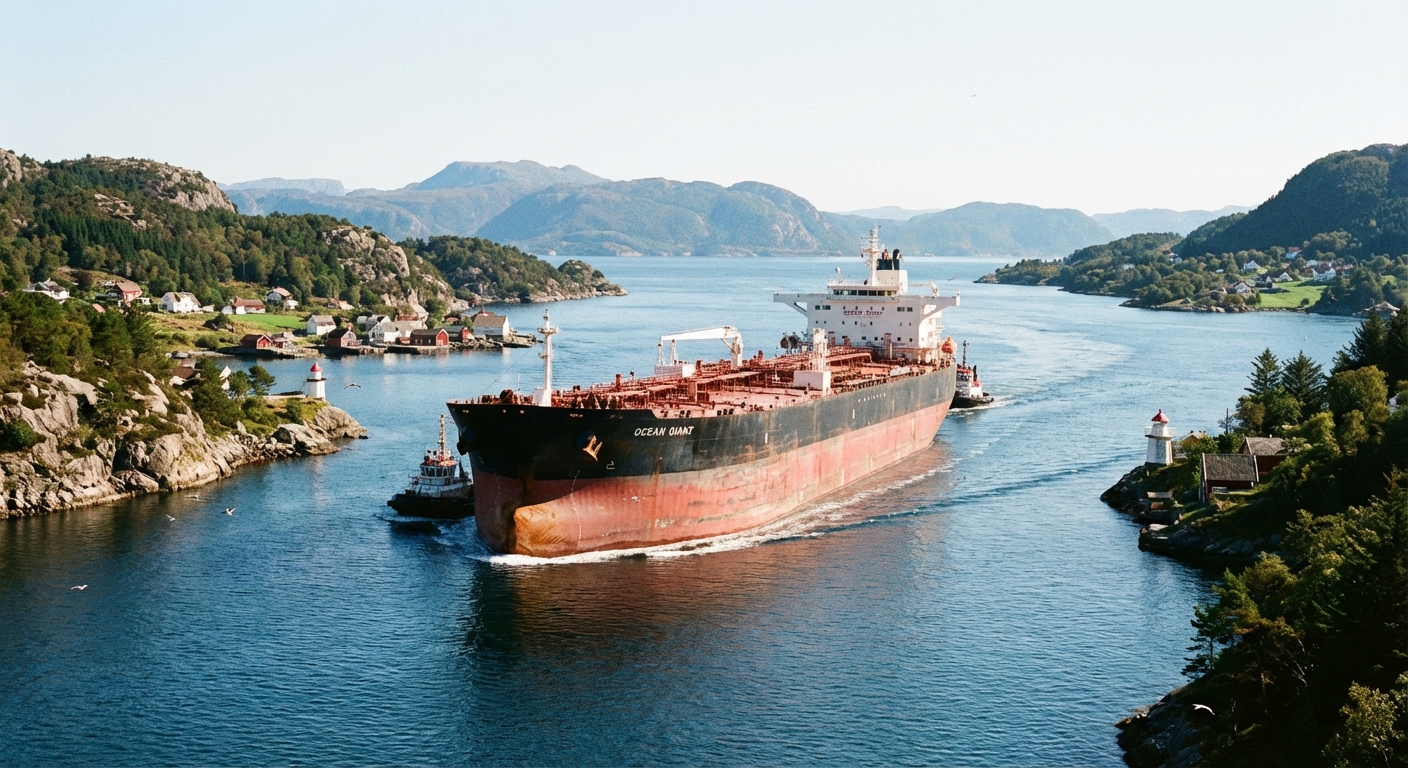
Markets are reacting less to the number of missiles fired than to the map. Iran has threatened to attack any oil tanker traveling through the Strait of Hormuz, a narrow passage that carries about 20% of the world’s oil. When traders talk about “supply risk,” this is what they mean.
If that corridor becomes functionally unusable, even temporarily, the consequences ripple far beyond the Middle East. Shipping routes lengthen, insurance costs jump, deliveries slow, and buyers start bidding against each other for barrels that can actually arrive. In oil markets, fear itself can be a kind of fuel.
Prices in crisis mode
By Sunday, U.S. oil futures had climbed 18% to about $108 a barrel, the highest level since July 19, 2022. U.S. crude briefly touched $110 Sunday evening. The global benchmark, Brent, rose 16% to near $108.
One analyst warned the ceiling might be much higher if shipping through Hormuz does not normalize soon. Homayoun Falakshahi of Kpler said oil could reach $150 per barrel by the end of March if travel through the strait does not start flowing again.
That is not a prediction of destiny. It is a reminder of how quickly modern economies can be priced by worst-case scenarios.
Stocks feel the shock
Oil is not only an energy story. It is an inflation story, and inflation is a politics story. As fuel gets more expensive, transportation and manufacturing costs follow. When those costs stick, consumers see it in groceries, shipping fees, airfare, and everything that depends on moving goods.
Investors are already treating the spike like a threat to growth. Dow futures fell more than 800 points (about 1.7%) while S&P 500 and Nasdaq futures dropped 1.6%. The logic is straightforward: higher energy prices can squeeze households and businesses at the same time.
White House focus: shipping
The Trump administration on Sunday tried to assuage fears that the US and Israeli-led military campaign against Iran would have long-term effects at the pump. The White House announced a plan to provide insurance for oil tankers transiting the strait after maritime insurers signaled they would not cover vessels in the region if they were attacked. It also said it would work to secure naval escorts, though a plan has not emerged and shipping companies have expressed hesitation while the conflict continues.
Falakshahi summarized the challenge bluntly: “Our shipping experts say the administration’s plan could help but won’t be enough on its own.” He added, “I think the market will only calm down if there is a significant de-escalation now.”
In other words, financial markets can price government effort, but they still price reality first.

Iran’s signals
A senior Iranian official warned Sunday that the conflict has entered a “new phase” after Israeli strikes hit Iranian oil storage sites, and indicated energy infrastructure in the region could be targeted in retaliation. The official said, “Iran will not give up control of the Strait of Hormuz until it achieves its desired results.”
That is precisely the sentence oil traders cannot ignore. Energy infrastructure is not just strategically valuable. It is economically contagious. Damage, disruption, or even credible threats can tighten supply conditions well before any physical shortage hits.
Another complication is operational. When storage fills and exports slow, producers have fewer places to put the oil they pump. According to the reporting, it has left oil producers with no more room to store the oil they’re pumping, which means many are reducing output. Reduced output plus threatened shipping is the kind of feedback loop that keeps prices elevated.
Trump’s message
President Donald Trump addressed the spike directly on social media, calling it a tolerable cost for national security. “Short term oil prices, which will drop rapidly when the destruction of the Iran nuclear threat is over, is a very small price to pay for U.S.A., and World, Safety and Peace. ONLY FOOLS WOULD THINK DIFFERENTLY!” he posted on Truth Social.
Still, the administration is also signaling limits. On CNN’s “State of the Union,” Energy Secretary Chris Wright said the US does not plan to strike Iran’s oil industry or other energy infrastructure sites. That matters because Iranian oil is heavily sanctioned, and China is its only major buyer.
What to watch
- Hormuz traffic: whether insurers, shippers, and navies collectively treat passage as manageable or uninsurable.
- Regional energy sites: any confirmed strikes on refineries, storage sites, pipelines, or ports could add a new premium to prices.
- Inflation pressure: gasoline moves fast, but broader inflation shows up in lagging indicators that shape the Federal Reserve’s next steps.
- Political strain: a prolonged spike in oil and gas prices could deepen affordability struggles and put Trump and Republicans in a precarious position ahead of this year’s midterm elections.
Oil above $100 is not just a headline. It is a reminder that in a connected world, a single narrow passage can decide how expensive daily life feels thousands of miles away.