
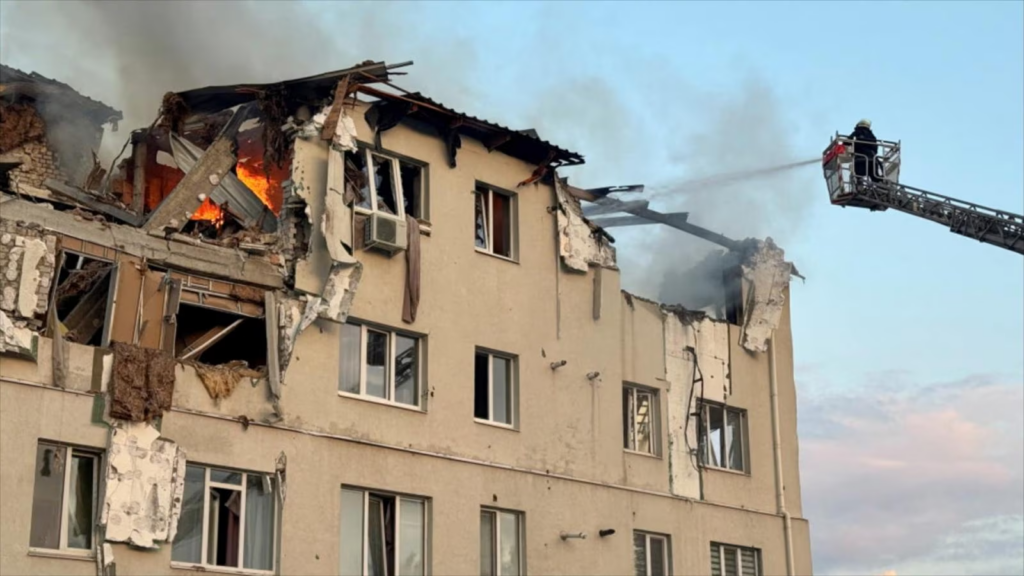
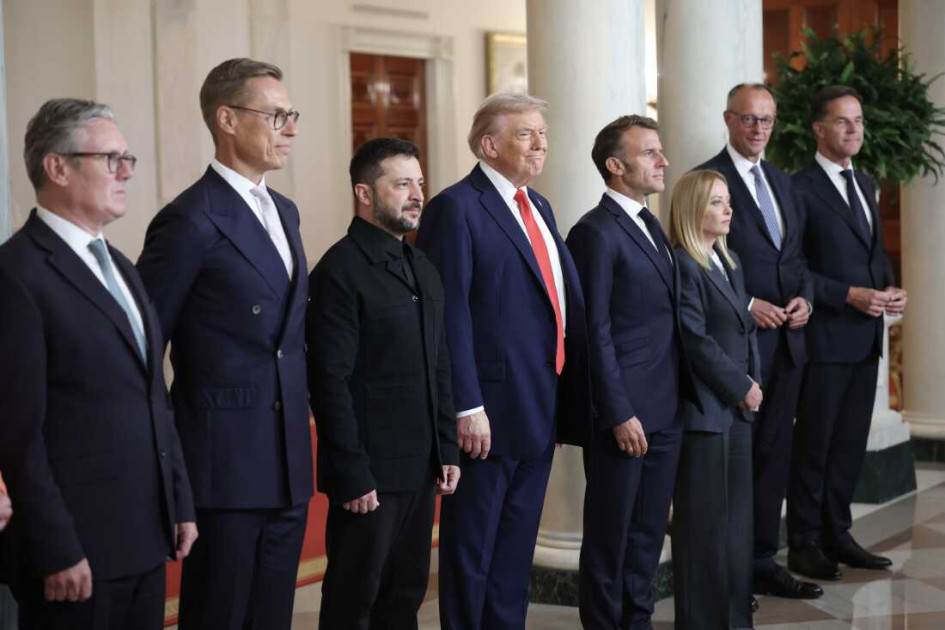
In the stately, climate-controlled quiet of the White House, the President of the United States met with his Ukrainian counterpart to discuss the delicate framework of a potential peace deal. At that very moment, half a world away, Russian drones were slamming into a residential building in Kharkiv, killing a toddler and a teenager as they slept.
This horrifying, split-screen reality is more than just a tragic turn of events. It is a brutal and cynical message sent from Moscow to Washington. It is a direct assault on the diplomatic process itself, and it poses a profound test to the President’s constitutional role as the nation’s chief diplomat and peacemaker.
A Message of Bad Faith
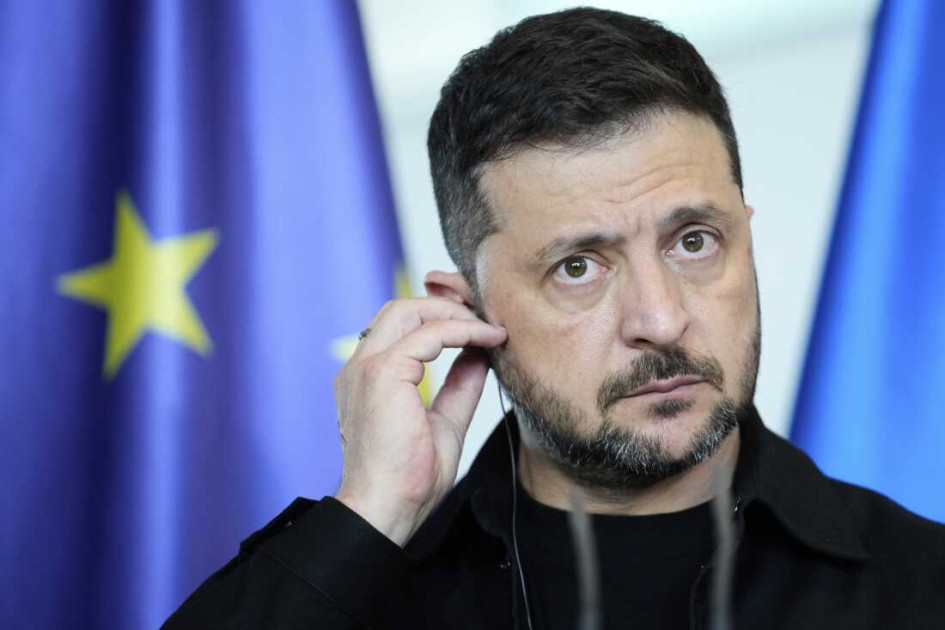
The timing of this attack was not a coincidence. It was a deliberate act of political communication. As President Zelenskyy sat down with President Trump to discuss the possibility of ending the war, Russian President Vladimir Putin demonstrated his own terms for engagement.
As Zelenskyy’s chief of staff, Andriy Yermak, stated, this is proof that Putin “enjoys shelling peaceful cities while talking about his desire to end the war.”
This is a profound act of bad faith that strikes at the very foundation of any negotiation. International law and the norms of diplomacy are built on the assumption that when parties come to the table, there is a mutual, good-faith desire to end the conflict.
Russia’s decision to launch a deadly, deliberate attack on civilians during the Washington summit is a violent rejection of that premise.
The President’s Constitutional Tightrope
This act of aggression places the American President on a difficult constitutional tightrope. Under Article II of the Constitution, he is vested with two immense and sometimes conflicting powers.
As Chief Diplomat, his primary goal is to conduct foreign policy and seek a peaceful resolution to conflicts that threaten American interests. The summit with Zelenskyy and European leaders is the visible manifestation of this power, an attempt to use the prestige of his office to broker a deal.
As Commander-in-Chief, he is the ultimate leader of the military forces that are backing one side of this conflict. Russia’s attack is not just an assault on Ukraine; it is a direct and bloody challenge to the American President’s credibility as a global peacemaker.
It forces him to decide how to respond – with continued diplomatic patience, or with a stronger show of force to prove that such acts of bad faith will not be tolerated.
The Illusion of a Deal
This brutal attack is a validation of the concerns raised by some European leaders just last week. German Chancellor Friedrich Merz, for example, publicly insisted that a ceasefire must be in place before any serious negotiations could proceed. At the time, President Trump dismissed this, arguing, “we can work a deal, we’re working on a peace deal while they’re fighting.”
The smoldering rubble in Kharkiv is a testament to the flaw in that logic. It demonstrates the near-impossibility of building a lasting peace on a foundation of ongoing, deliberate attacks against civilians. It makes a mockery of the diplomatic process, turning a negotiation for peace into a cover for continued slaughter.
The drone strikes have cast a dark and bloody shadow over the Washington summit. They have stripped away any lingering illusions about the nature of the adversary the President and his allies are dealing with. The President’s constitutional power to negotiate is undeniable, but the reality on the ground has now demonstrated that a peace deal requires more than just “land swaps” and “security guarantees.” It requires a partner who is willing to stop killing innocent people.