
You show up to vote. Your name is not in the poll book. The worker looks at you like you just wandered into the wrong wedding reception. Then comes the phrase that triggers panic headlines every election cycle: provisional ballot.
To many voters, “provisional” sounds like “maybe your vote counts, maybe it disappears.” Constitutionally and practically, it is closer to a fail-safe. It is the system’s way of saying: We will not turn you away at the door, but we will verify you belong in the room.
Provisional ballots exist because American elections are run through a mix of state rules and local administration, under federal constitutional constraints and federal laws. That structure brings variation, and it brings recordkeeping mistakes. Provisional ballots are one way the system tries to protect eligible voters from those mistakes without opening the door to double voting.
Join the Discussion
What it is
A provisional ballot is a ballot you cast when election officials cannot immediately confirm that you are eligible to vote in that precinct for that election.
You still vote. Your ballot is still secured. But it is kept separate from regular ballots until the election office can answer a basic question: should this ballot be counted?
The key misconception
A provisional ballot is not a “lesser” vote. It is a conditional vote. If you are eligible under state law and you complete any required cure steps, it is counted like any other ballot.
Why it happens
Most provisional ballots are not about fraud. They are about administrative uncertainty. On Election Day, the people at the check-in table are working with the records they have in front of them. When those records do not match the voter in front of them, a provisional ballot prevents an on-the-spot denial that could later turn out to be wrong.
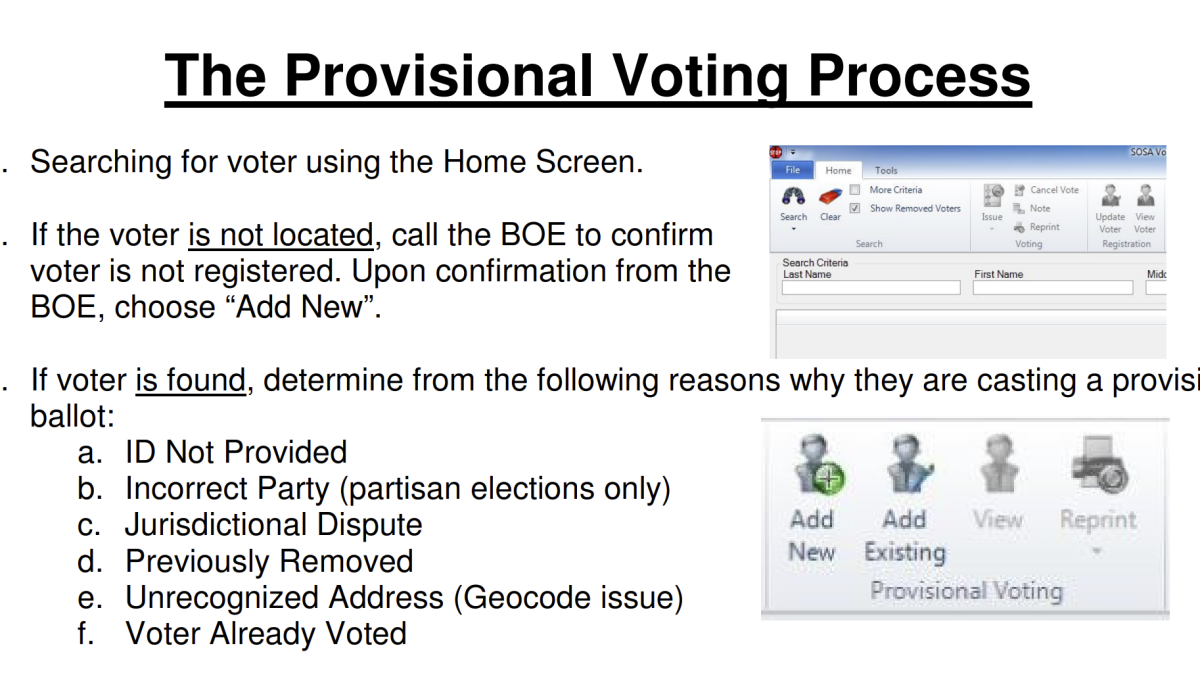
- Your name is missing from the voter list. This can happen if you registered recently, moved, changed your name, or your record was entered incorrectly.
- You are at the wrong precinct or wrong polling location. States differ on whether and how they count these ballots. In some places, a wrong-location ballot can be partially counted. In others, it cannot. Vote centers also change the picture in some states.
- Your eligibility is questioned. This can include a formal challenge in states that allow it, or a poll worker being unable to confirm eligibility on the spot.
- You did not meet an ID requirement at check-in. In some states, voters without the required ID can vote provisionally and later show ID or complete paperwork by a deadline.
- You requested a mail ballot but try to vote in person. If the system shows an absentee ballot was issued, officials need to ensure you do not end up voting twice. Many states resolve this by offering a provisional ballot unless you surrender the mail ballot or it is otherwise voided under state rules.
Think of provisional voting as the election system’s compromise between two duties that often conflict: do not disenfranchise eligible voters and do not count ineligible ballots.
Legal basics
Provisional ballots are not named in the U.S. Constitution. They exist because of the broader structure of election administration and because Congress sets baseline rules for certain elections.
Under the Constitution’s Elections Clause (Article I, Section 4), states set many rules for congressional elections, subject to Congress’s power to alter those rules. Presidential elections flow through a different constitutional pathway (Article II and later amendments), but in practice they are still run under state rules alongside federal statutes and constitutional protections.
The modern nationwide baseline for provisional ballots comes from the Help America Vote Act of 2002 (HAVA). In federal elections, HAVA requires that if a person declares they are eligible but their name is not on the list of eligible voters or an election official indicates they are not eligible, the person must be allowed to cast a provisional ballot. The ballot is counted if the individual is later determined eligible in accordance with state law.
States also use provisional ballots in state and local elections, often using the same basic process, but the details and tracking tools can vary.
Sources to know: the U.S. Election Assistance Commission (EAC) explains provisional voting and HAVA requirements, and HAVA Section 302 is the core federal provision.
What happens next
Provisional ballots begin a documentation trail. The exact steps vary, but the logic is consistent.
1) Separated and logged
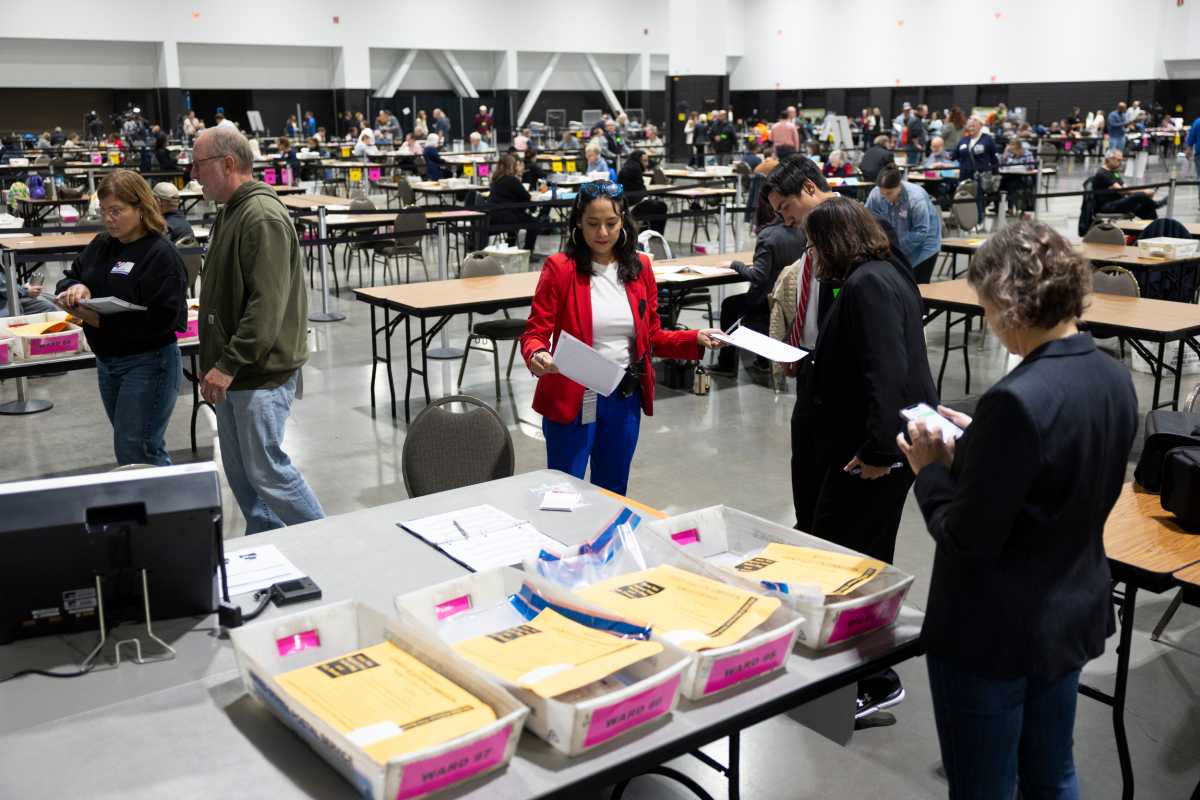
Your provisional ballot is typically sealed in a special envelope or container with information needed for verification. The ballot itself is protected, and officials have what they need to investigate eligibility without guessing. The “trail” may include envelope paperwork and electronic poll book records.
2) Eligibility is checked
Officials compare your provisional ballot record against registration databases and other official records. Common checks include:
- whether you were registered by the deadline
- whether you are registered at the address you claimed
- whether you voted already, including by mail ballot
- whether an ID requirement was satisfied or later cured
- whether you were in the correct location for the races on the ballot
3) A cure window may apply
Some states require the voter to take a follow-up step, like presenting ID, signing an affidavit, or confirming address information. Cure windows vary, but they are often measured in days, commonly somewhere around 2 to 10 days depending on the state and the issue. This is where many provisional ballots fail, not because the voter was ineligible, but because the voter never learns there is something to do or misses the deadline.
4) Counted or rejected
If the voter is eligible, officials count the ballot according to state rules. If the voter is not eligible, it is rejected. For federal elections, HAVA requires a free access system (often a website or phone line) so voters can learn whether their provisional ballot was counted and, if not, why. Some states also provide additional notice.
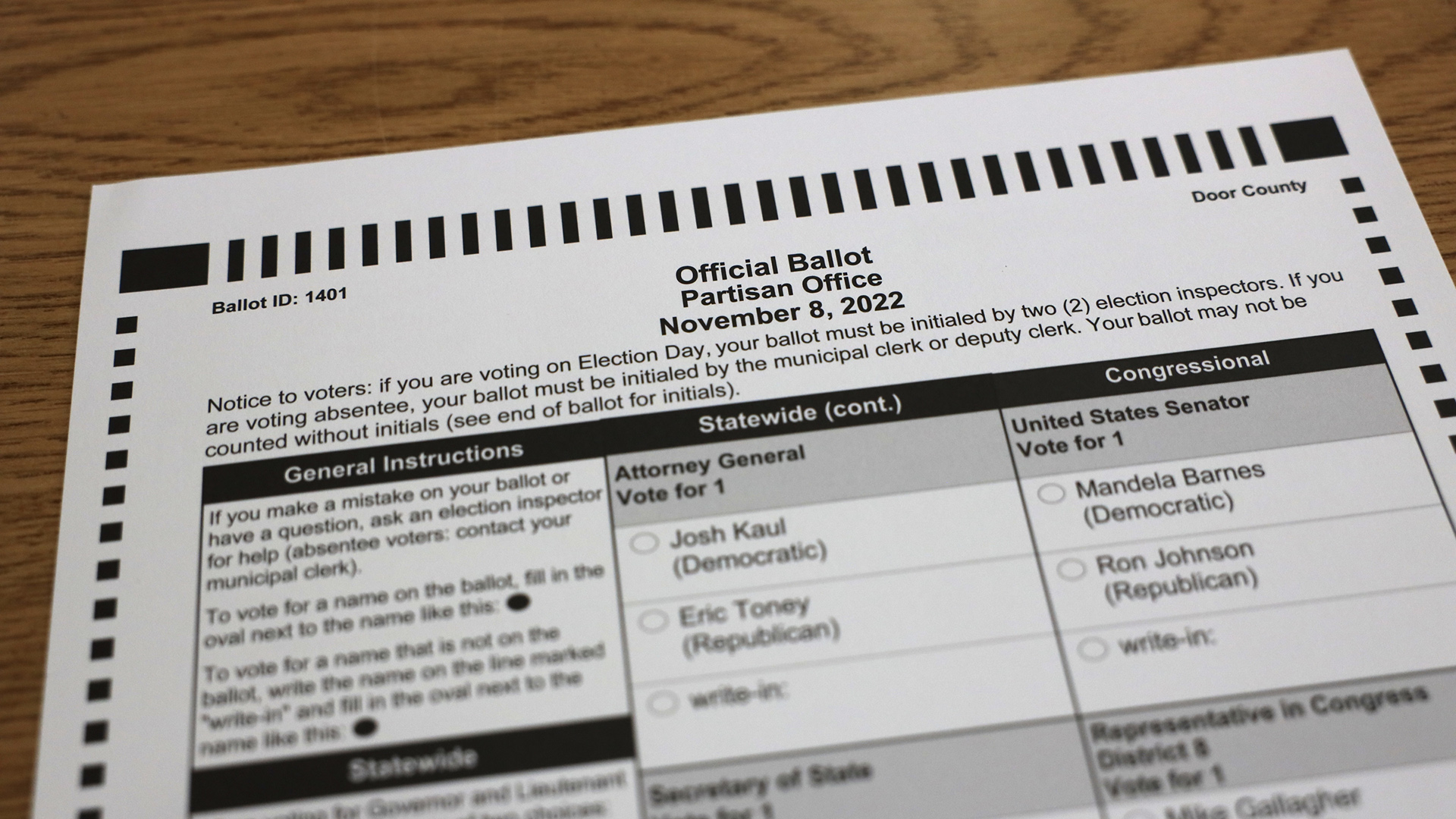
When it is counted
Provisional ballots are often counted after Election Day, sometimes days later. That timing fuels suspicion because people expect election totals to be “final” on Tuesday night. But in most states, Tuesday night is not final. It is an early snapshot.
Why it takes time
- Eligibility checks require records. Verification often happens at the county or local election office, not at the precinct.
- Some ballots depend on voter action. If a state provides a cure period, officials must wait for that window to close.
- High volume can slow everything down. Close elections, heavy turnout, and staffing limits extend the process.
One of the most important civic facts to absorb is this: “Not counted yet” is a normal status. It becomes abnormal only if the jurisdiction misses its own legal deadlines or applies the rules unevenly.
Deadlines and certification
Every state has a calendar that controls the post-election period. There are deadlines for curing, deadlines for local reporting, and deadlines for state certification. Provisional ballots sit inside that calendar, and those dates vary widely by state.
Counting vs certification
- Counting is the act of adding eligible ballots to the totals.
- Certification is the legal declaration that the results are official, after required steps like canvassing, reconciliation, and final reporting.
Provisional ballots are typically resolved during canvassing, before certification. If a state provides a cure period that runs several days after Election Day, those ballots are often not included in initial unofficial tallies.
Why certification matters
Certification is not a feeling. It is a statutory process. When people claim “they found votes after the election,” the honest response is: Yes, because the election is not finished until the law says it is finished. Provisional ballots are one reason.
Why ballots get rejected
Provisional ballots are a safety net, but it has holes. The most common reasons for rejection are surprisingly mundane.
- Not registered by the deadline. In many states, registering on Election Day is not allowed, and a provisional ballot cannot fix that.
- Voted in the wrong place. Some states reject wrong-location provisionals outright; others count eligible races only; and some vote center systems reduce this problem by design.
- Did not cure an ID or paperwork requirement. The voter never returns with ID, does not complete the required affidavit, or misses the cure deadline.
- Duplicate voting records. If records show another ballot was accepted for that voter, the provisional is typically rejected.
- Ineligible voter status. Examples can include non-citizenship, disqualifying felony status under state law, or residency issues.
Notice what is not on that list: “because it was provisional.” Provisional status is not the reason a ballot dies. Eligibility is.
Are these lost votes?
This is where language shapes belief. Saying a provisional ballot is “thrown out” implies it was counted and then discarded. In reality, many rejected provisionals are never eligible to be counted under the state’s rules, or never become eligible because a required step was not completed.
Three clarifications
- They are trackable. For federal elections, HAVA requires a free access system so voters can learn whether their provisional ballot was counted and, if not, why.
- They do not automatically favor either party. They are concentrated among people with registration and address instability, young voters, and first-time voters, but outcomes vary by state and year.
- They are not counted twice. The whole point is preventing double counting when records are unclear on Election Day.
The real vulnerability is not a secret bonfire of ballots. It is a gap in civic knowledge and follow-up. Many voters do not realize that a provisional ballot can come with homework.
What to do at the poll
If you are told your ballot will be provisional, you can often improve the outcome right there, in real time.
- Ask if this can be fixed without a provisional ballot. If the issue is clerical, there may be a way to confirm your registration or update a record under your state’s rules.
- Confirm you are in the right place. If you are at the wrong polling location and time permits, ask where you should go to cast a regular ballot. If your jurisdiction uses vote centers, ask whether location matters for your ballot style.
- If you have a mail ballot, ask about surrendering it. In many states, turning it in can allow you to vote a regular ballot. If you do not have it with you, ask what the state’s rule is for voiding or replacing it.
- Ask what exactly triggered provisional status. Wrong precinct, missing registration, ID requirement, mail ballot already issued, or something else.
How to protect it
No voter should have to be their own election lawyer. But there are a few concrete steps that meaningfully increase the odds your ballot will be counted.
- Ask what the cure steps are. Do you need to show ID? Where? By when?
- Get any tracking information offered. Keep the receipt or reference number if your state provides one.
- Follow up promptly. Cure windows can be short, and weekends and holidays can matter.
- If you moved, ask whether updating your address changes the ballot type. In some states, the correct location can convert a provisional situation into a regular ballot.
In plain terms: the best provisional ballot is the one you never need, but the second-best is the one you understand.
Why it exists
The United States does not run elections like a single national agency. We run them through state rulebooks and local officials, shaped by constitutional boundaries, federal statutes, civil rights laws, and court decisions.
That system creates friction. Provisional ballots are one of the tools meant to keep the friction from becoming disenfranchisement.
They are also a reminder of something we forget whenever we demand instant certainty from a system designed for verification: democracy is not just the vote. It is the count. It is the audit trail. It is the deadline. It is the public record that has to survive scrutiny after the polls close.
If you are told your vote is provisional, the right takeaway is not resignation. It is a question: What do I need to do to make my eligibility legible to the state? That is the quiet work of citizenship, and it is exactly what the provisional ballot process is built to honor.