
The President pro tempore of the Senate is one of those constitutional offices that most Americans only hear about when something goes wrong: a vacancy, a sudden succession question, or a moment when Senate procedure becomes national news.
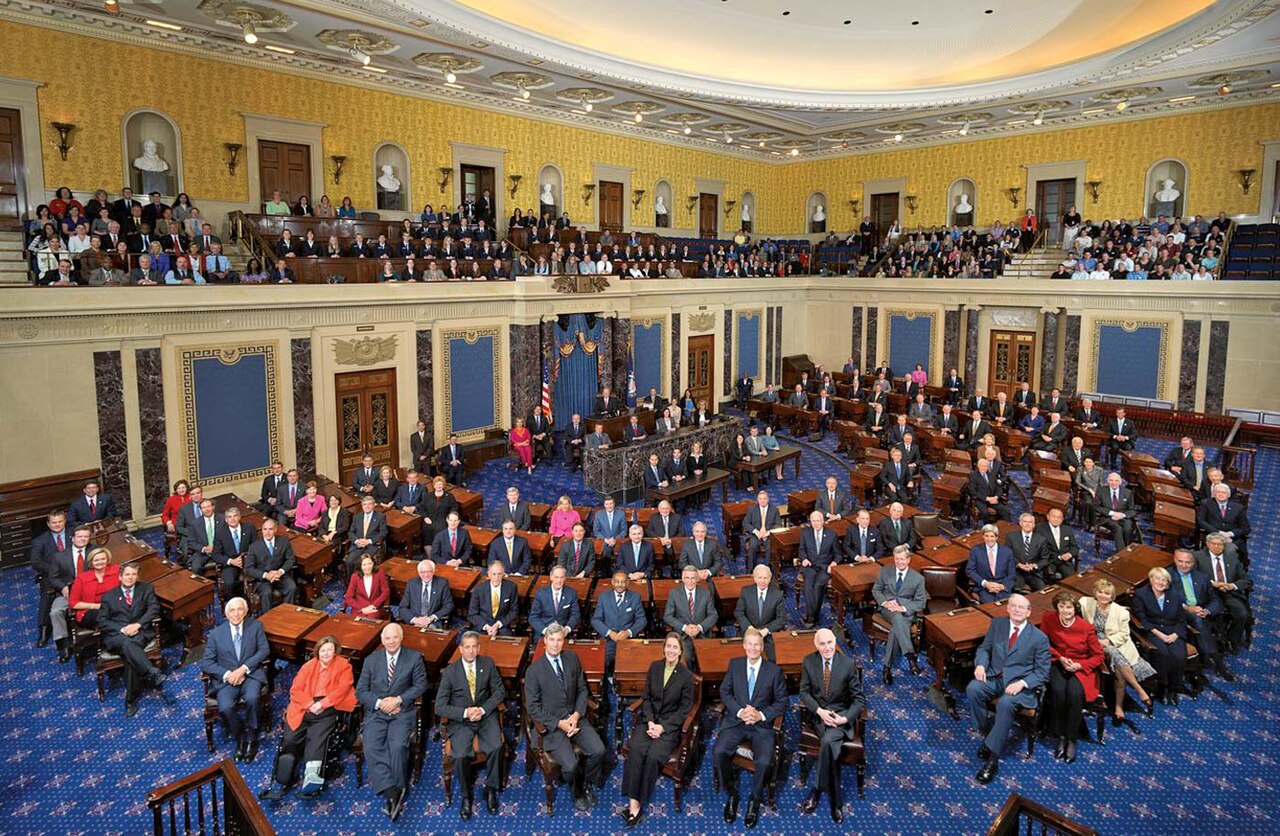
But in ordinary times, it is a quiet position with a serious constitutional pedigree. The Constitution creates the office in a single clause. The Senate fills it by its own rules. And the modern job is less about gaveling the chamber into order than about what the title signals: seniority, party control, and a place near the top of Washington’s formal hierarchy.
Join the Discussion
What the Constitution says
The President pro tempore exists because the Constitution assumes the Senate will sometimes need a presiding officer other than the vice president.
Article I, Section 3, Clause 5 states:
“The Senate shall chuse their other Officers, and also a President pro tempore, in the Absence of the Vice President, or when he shall exercise the Office of President of the United States.”
In plain terms, Article I also establishes that:
- The vice president of the United States is the President of the Senate.
- The vice president has no vote, unless the Senate is equally divided.
- When the vice president is absent (or is exercising presidential powers), the Senate can rely on its own chosen presiding officer: the President pro tempore.
That clause is doing more work than it seems. It is not merely about calendar conflicts. It fits with the Senate’s design as a continuing body, with internal leadership that does not depend on an executive branch official being in the chair for the chamber to function.
How the role is filled
Unlike the Speaker of the House, who is elected at the start of each new Congress and who, in theory, does not have to be a sitting House member (even though modern practice has always chosen a representative), the President pro tempore is selected by the Senate from among its senators.
The modern custom
Today, the Senate almost always elects the President pro tempore by honoring seniority within the majority party. In practice, that means:
- When party control changes, the President pro tempore typically changes as well.
- When the current President pro tempore retires, resigns, or dies, the Senate elects a successor, generally the next most senior majority party senator.
This seniority norm is custom, not a constitutional command. The Senate could choose someone else at any time. It simply rarely has an incentive to disrupt a tradition that rewards longevity and avoids intra-party conflict.
How the election happens
The Senate elects a President pro tempore through a resolution. It is usually routine and often adopted by unanimous consent. That calm procedure can make the office seem ceremonial, but the underlying point is important: the position exists because the Senate chooses to keep a backup presiding officer ready under its own rules.
Ceremonial and practical
The President pro tempore sits at the intersection of symbolism and logistics.
What is mostly ceremonial
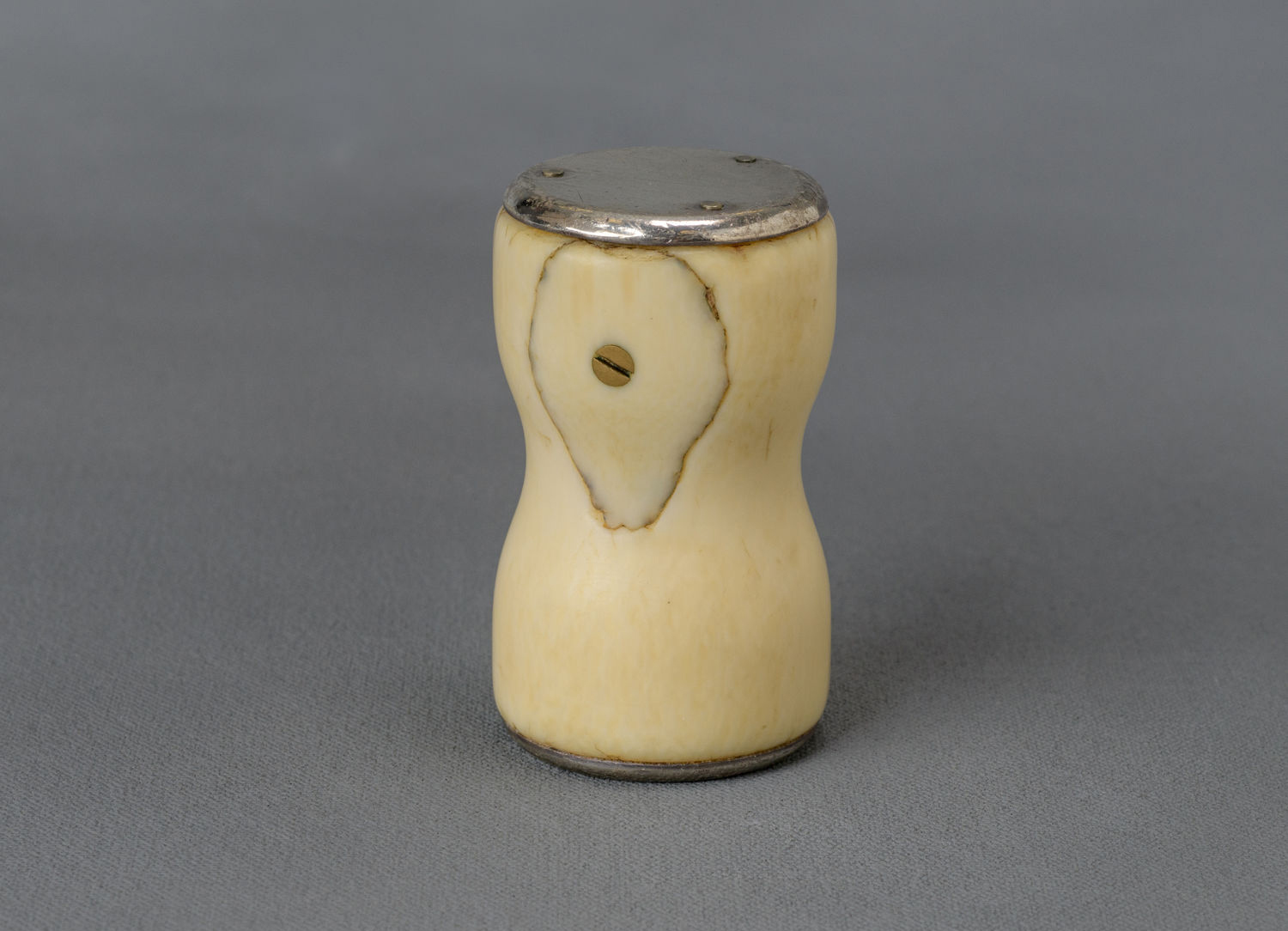
- Presiding in name. The President pro tempore is the Senate’s default presiding officer when the vice president is absent, but the day-to-day gavel is usually handled by other senators.
- Status and visibility. The office is a formal marker of Senate seniority and majority party standing, and it frequently appears in protocol and official events.
What is practically important
Even if the President pro tempore is not the person you see running debate most days, the office anchors a real operational framework:
- Continuity of presiding authority. Someone must always be able to preside, recognize speakers, and keep proceedings moving under the rules.
- Delegation to other senators. The President pro tempore can designate other senators to preside. In practice, the chamber is often presided over by junior senators from the majority party as part of routine floor management.
So the office can be “ceremonial” in its public face while still being essential to the Senate’s ability to function without the vice president in the chair.
Vice president vs pro tempore
The relationship between the two roles is not a rivalry. It is a constitutional division of labor that reflects two different kinds of authority.
The vice president’s role
The vice president is President of the Senate by constitutional assignment. The vice president’s most consequential Senate power is straightforward: breaking tie votes. When the Senate is split 50 to 50, that power can determine confirmations, budget-related votes, and control of the chamber’s agenda.
The vice president may also preside at significant moments. A well-known example outside the chamber is the vice president’s role at a joint session of Congress to count electoral votes, where the vice president presides in their capacity as President of the Senate.
The President pro tempore’s role
The President pro tempore is the Senate’s own solution to a structural problem: the Senate needs a presiding officer even when the vice president is absent, traveling, or the office is vacant. The Constitution answers that by letting the Senate choose a presiding officer of its own.
In short:
- The vice president presides by constitutional title and matters most when the vote is tied.
- The President pro tempore is the Senate’s chosen presiding officer in the vice president’s absence and enables continuity through delegation.
Succession and why it comes up
The President pro tempore becomes widely visible during discussions of presidential succession because the office appears near the top of the statutory line.
The constitutional baseline
The Constitution itself does not list a full line of successors after the vice president. Instead, it gives Congress power to legislate further succession.
Article II and the Twenty-Fifth Amendment establish that:
- If the president dies, resigns, or is removed, the vice president becomes president.
- When there is no vice president, the Twenty-Fifth Amendment provides a mechanism to fill the vacancy.
Beyond that, Congress supplies the details through the Presidential Succession Act, which sets an order after the vice president.
The current statutory order
Under the Presidential Succession Act of 1947 (as amended), the current order is: Vice President, then Speaker of the House, then President pro tempore of the Senate, followed by eligible Cabinet officers starting with the Secretary of State.
Why the placement is debated
Under current law, the President pro tempore is included because Congress chose to place certain legislative officers in the line of succession. That choice reflects a theory of legitimacy: if executive leadership collapses, the next in line should be a nationally significant elected official with a clear institutional role.
But it is also where constitutional debate begins, because succession raises hard questions about separation of powers. Critics argue that inserting congressional leaders into the executive line risks blending branches in a way the Constitution may not have envisioned, including arguments about whether legislative leaders qualify as “Officers” under the Succession Clause. Supporters answer that the Constitution expressly authorizes Congress to declare which officer shall act, and that democratic accountability matters in emergencies.
A common misconception
The President pro tempore is often described as “third in line.” That is shorthand for the current statute, not a constitutional rank engraved in Article I. Congress could amend the statute, and the order could change without altering the Constitution’s text.
What the job involves
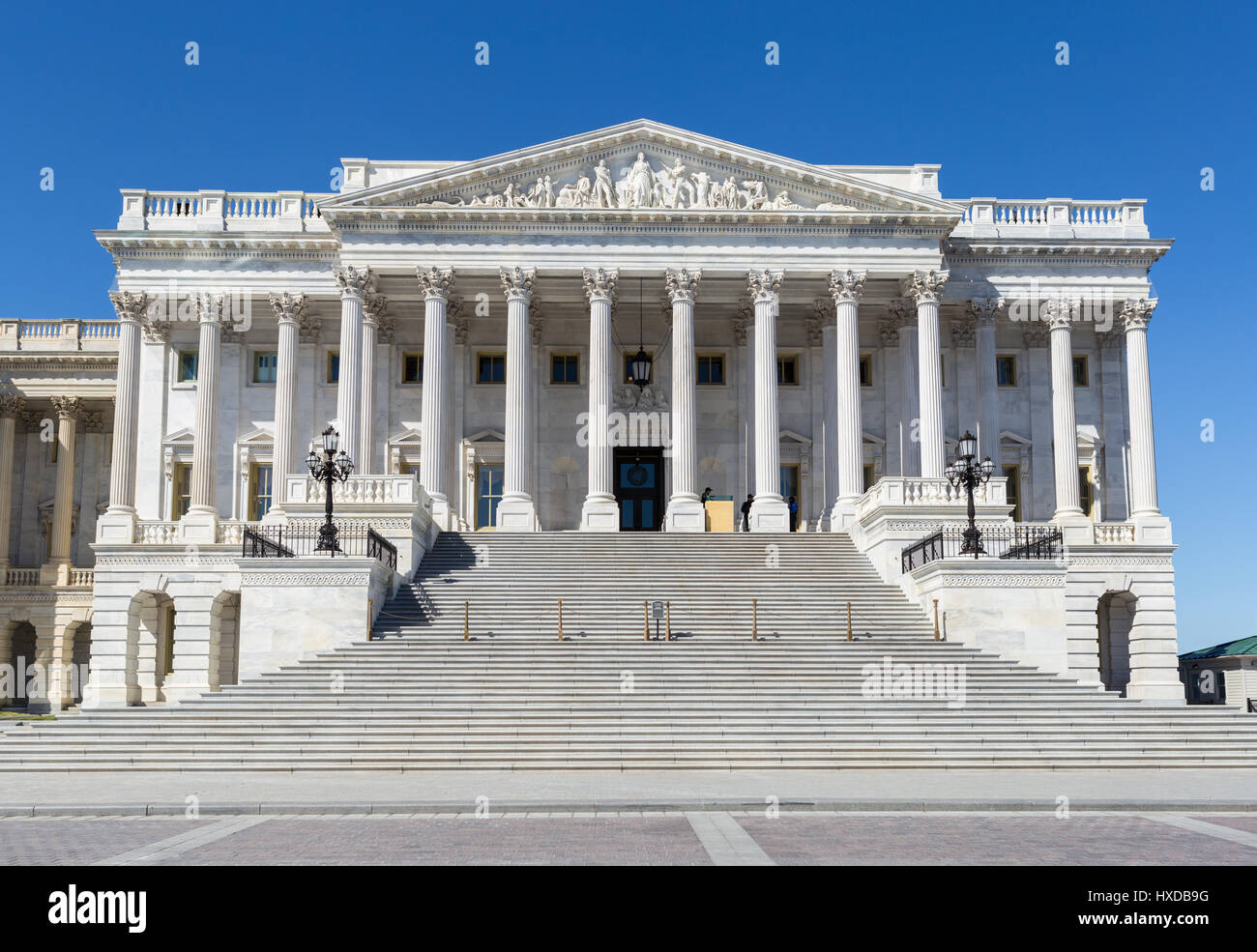
The President pro tempore’s responsibilities are best understood in three layers: presiding functions, administrative realities, and institutional symbolism.
1) Presiding functions
- Presides over the Senate when the vice president is absent.
- Recognizes senators to speak and rules on procedural questions, typically with guidance from Senate precedent and the Senate Parliamentarian, and often through delegated presiding officers.
2) Administrative duties
Many practical duties associated with “running” the Senate are handled by party leadership, especially the majority leader and minority leader. Still, the President pro tempore remains an institutional officer with formal standing that can matter for:
- Official appointments or signatures required by Senate procedure.
- Representing the Senate in formal contexts when protocol calls for it.
3) Symbolic leadership
The Senate is intensely tradition-oriented. By elevating a senior member of the majority to President pro tempore, the chamber signals stability and continuity. That matters in a body where rules, precedent, and long institutional memory often carry as much weight as raw majorities.
A note on impeachment trials
One impeachment-related point often gets blurred in popular coverage: when the president is tried in the Senate, the Chief Justice of the United States presides. In other impeachment trials, a Senate presiding officer may be in the chair, but presidential impeachment trials are a constitutional exception.
Why it is misunderstood
The President pro tempore is not a second vice president. It is not a shadow majority leader. And it is not a guarantee of day-to-day power in Senate combat.
It is, instead, a constitutional tool for continuity inside the chamber, paired with extra visibility supplied by statutory succession law. Most of the time, that makes it a title you rarely notice. In a crisis, it becomes a job everyone suddenly wants to understand.
Quick takeaways
- Created by the Constitution: Article I, Section 3 provides for a President pro tempore to preside when the vice president is absent or acting as president.
- Chosen by the Senate: The Senate elects the office, typically following majority party seniority.
- More continuity than spotlight: The role supports Senate operations, often by designating other senators to preside.
- Distinct from the vice president: The vice president’s key Senate power is breaking tie votes.
- Succession relevance is statutory: Under current law, the line is VP, Speaker, President pro tempore, then Cabinet starting with State, and scholars debate whether this is the best constitutional fit.