
Defense Secretary Pete Hegseth announced Friday that Qatar will establish an air force facility at Mountain Home Air Force Base in Idaho, and the MAGA movement is in open revolt. Laura Loomer says she’s “never felt more betrayed by the GOP.”
Steve Bannon told Newsweek “there should never be a military base of a foreign power on the sacred soil of America.” Conservative commentators are calling it a “launchpad for Islamic disaster.”
But here’s what makes this constitutionally fascinating: there’s nothing particularly unusual about foreign militaries training at U.S. bases – Singapore already has a presence at Mountain Home – and the President has broad authority over military agreements with allied nations.
Trump’s base is learning that “America First” foreign policy sometimes requires the kind of international cooperation they thought they voted against.
At a Glance
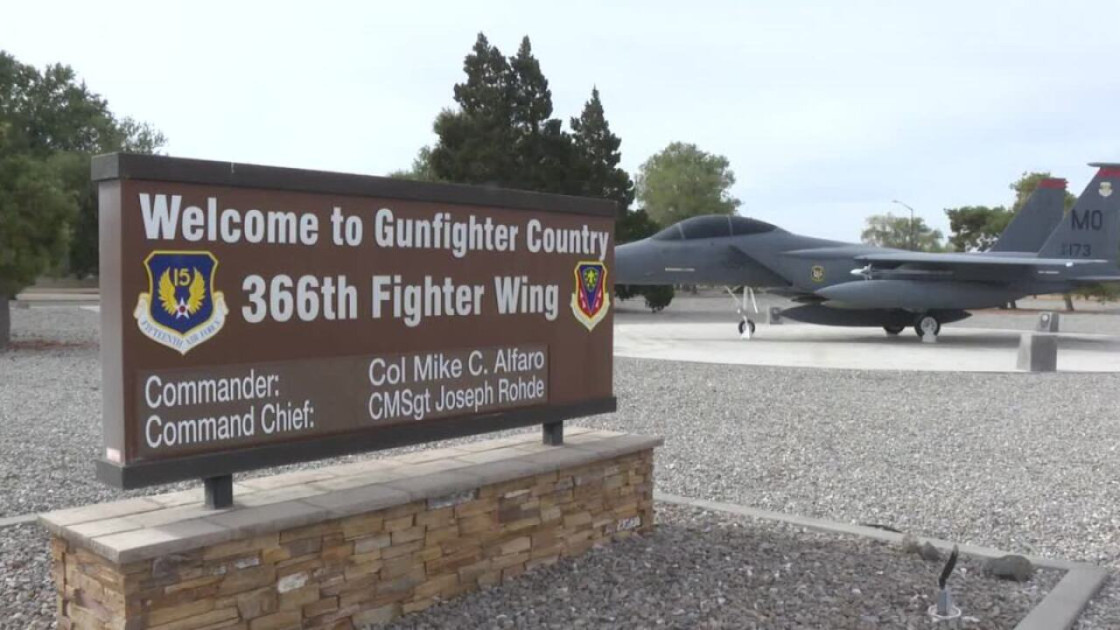
- Qatar will build an Emiri Air Force facility at Mountain Home Air Force Base in Idaho to host F-15s and pilots
- The facility will enable joint training operations with U.S. forces to “enhance combined training, increase lethality, interoperability”
- MAGA allies including Laura Loomer and Steve Bannon have condemned the agreement as betraying “America First” principles
- Hegseth credited Qatar as a “core part” of securing the Gaza peace deal and thanked them for hosting U.S. troops at Al Udeid Air Base
- At stake: whether military cooperation agreements with allies conflict with nationalist foreign policy rhetoric
What the Agreement Actually Does
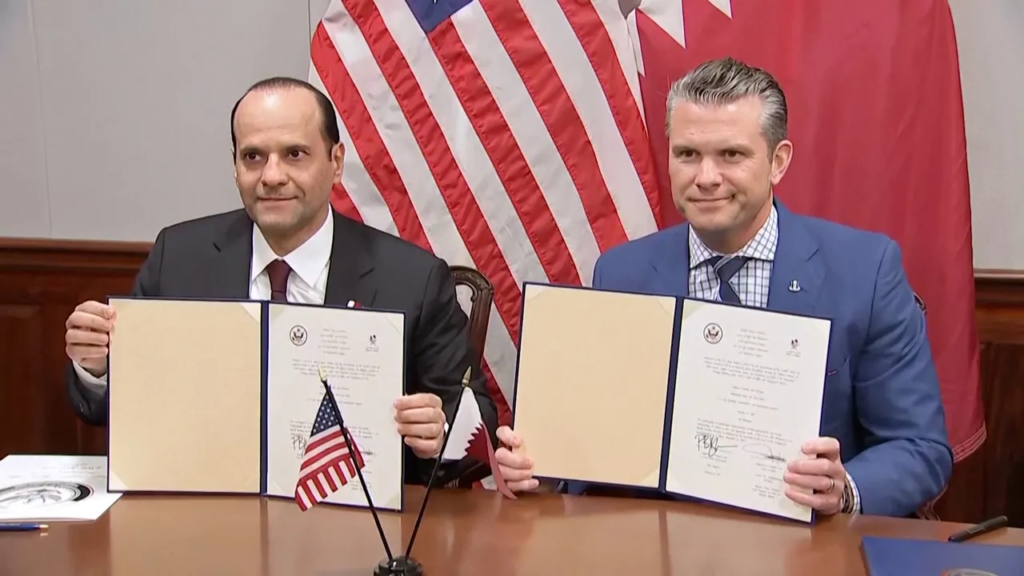
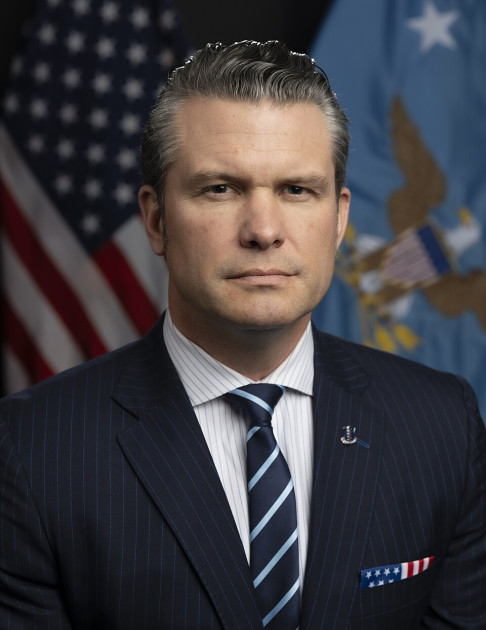
Hegseth made the announcement during an enhanced honor cordon arrival ceremony at the Pentagon for Qatar’s Minister of Defense Sheikh Saoud bin Abdulrahman Al Thani. The facility will host Qatari F-15 fighter jets and pilots for joint training operations with U.S. forces.
This isn’t unprecedented. There are no foreign military bases in the United States in the traditional sense – Qatar won’t have sovereign control over U.S. territory. But foreign militaries do maintain training presences at U.S. bases. The Singaporean Air Force already has a presence at Mountain Home Air Force Base for exactly this purpose.
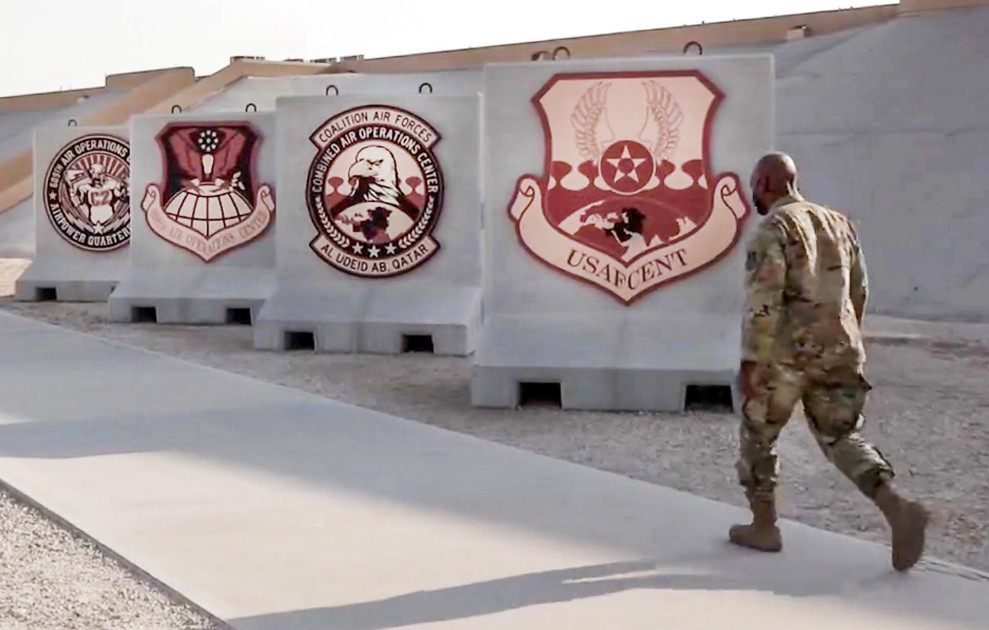
The arrangement is reciprocal: Qatar hosts critical U.S. military operations at Al Udeid Air Base near Doha, which serves as headquarters for CENTCOM operations in the Middle East. Hegseth specifically thanked Qatar for “the way you support our troops at Al Udeid.”
“You have been a core part of what has unfolded in Gaza, a historic moment. We’re grateful for the strong partnership that we have.” – Defense Secretary Pete Hegseth
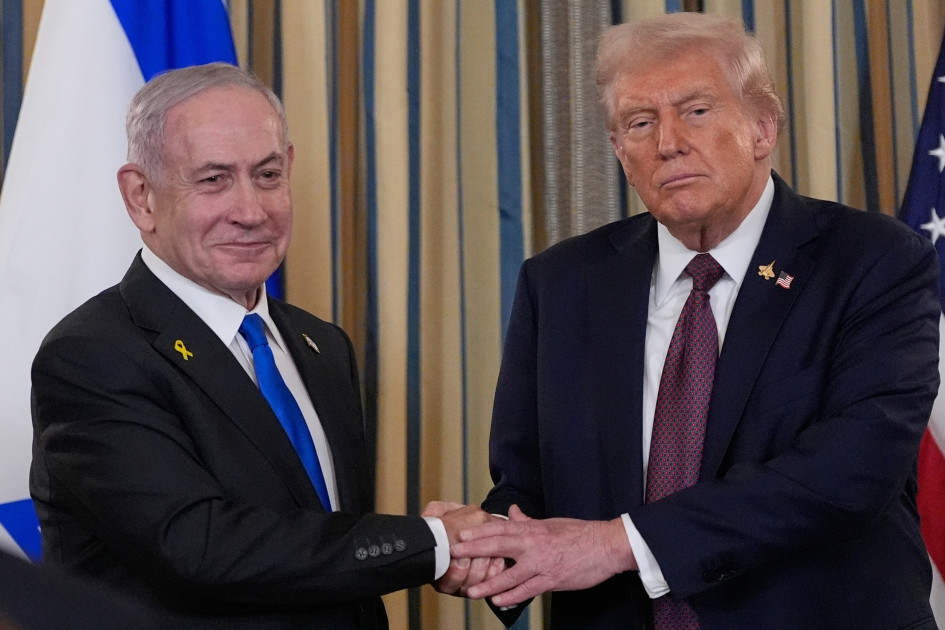
The timing is significant. Trump announced the Gaza ceasefire deal Wednesday, crediting Qatar, Egypt, and Turkey for their roles in mediating. This facility announcement came just two days later, suggesting it’s connected to broader diplomatic negotiations around the peace deal.
The MAGA Backlash
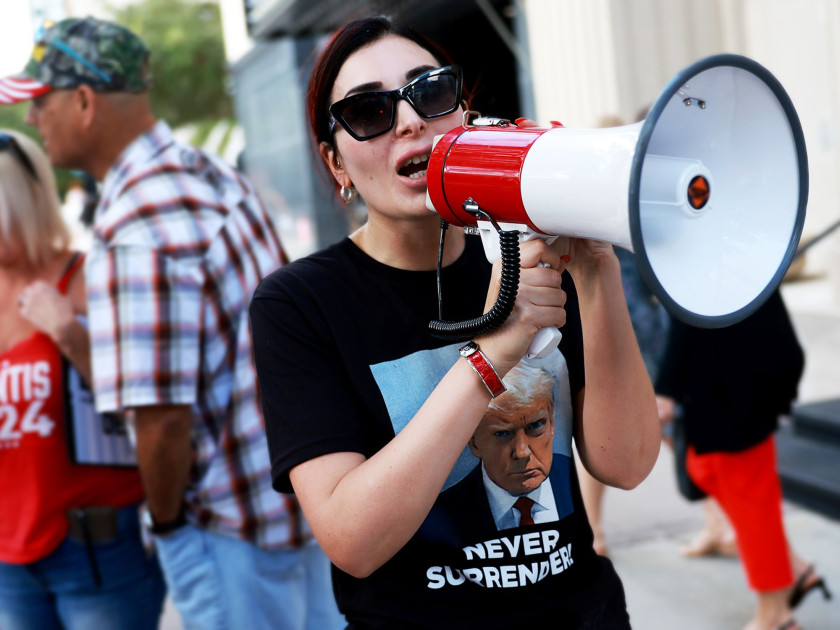
Laura Loomer, a vocal Trump supporter, erupted in a series of posts saying “no foreign country should have a military base on US soil. Especially Islamic countries.” She specifically called out Hegseth, describing him as her friend but saying “he should know how bad of an idea it is to allow Terror financing Qataris who fund HAMAS and the Muslim Brotherhood to have an AIR FORCE BASE ON US SOIL.”
Loomer went further, declaring “I don’t think I’ll be voting in 2026” over the issue.
Steve Bannon’s response was more measured but equally critical: “There should never be a military base of a foreign power on the sacred soil of America.” Coming from the architect of the MAGA movement and Trump’s former chief strategist, that’s a significant rebuke.
Conservative commentator Amy Mek called it “a shared delusion” and claimed “we’re not building peace. We’re building a launchpad for the Islamic disaster.”
“I have never felt more betrayed by the GOP.” – Laura Loomer
The backlash reveals tension within the MAGA coalition between nationalist rhetoric about keeping foreign influence out of America and the practical realities of maintaining international alliances that serve U.S. strategic interests.
The Constitutional Authority Question
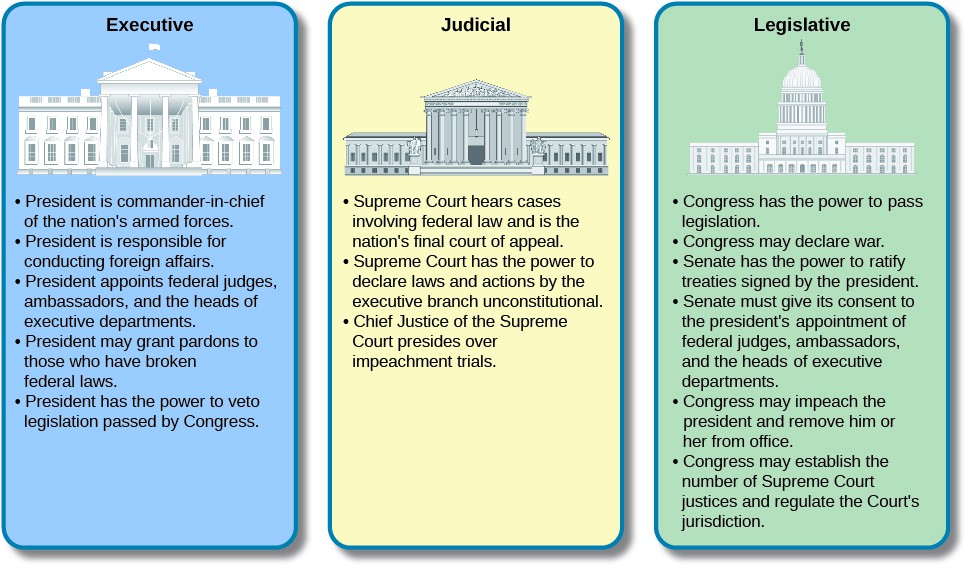
Article II makes the President the Commander in Chief and gives him broad authority over foreign relations and military agreements with allied nations. International military cooperation agreements don’t require congressional approval unless they rise to the level of treaties requiring Senate ratification.
Training agreements like this fall well within normal executive authority. The President and Defense Secretary routinely negotiate status of forces agreements, basing arrangements, and training partnerships with allied militaries. Qatar purchasing American F-15s and training their pilots at U.S. facilities actually advances several U.S. interests: it strengthens an ally, ensures interoperability with U.S. forces, and creates economic benefits through military sales.
The key constitutional point is that Qatar won’t have sovereign control over U.S. territory. They’re not establishing a foreign military base in the traditional sense – they’re being allowed to train at a U.S. base under U.S. authority. That’s fundamentally different from, say, the U.S. having bases in Germany or Japan where American forces operate under Status of Forces Agreements.
Congress could theoretically pass legislation prohibiting such arrangements, but absent that, the President has authority to make these agreements as part of his foreign policy and military command powers.
The Qatar Complication
MAGA critics aren’t wrong that Qatar has a complicated relationship with various Middle Eastern actors. Qatar has maintained channels to Hamas for years, which made them valuable as mediators in the Gaza peace talks. But that same relationship makes some Americans uncomfortable with Qatar having a military presence on U.S. soil.
Qatar also hosts Al Jazeera, which has drawn criticism for its coverage of U.S. foreign policy and Israel. The country’s support for the Muslim Brotherhood and its complex regional relationships have made it controversial despite being a formal U.S. ally.
But Qatar also hosts Al Udeid Air Base, which is critical to U.S. military operations throughout the Middle East. Thousands of American troops are stationed there. U.S. Air Force operations against ISIS and throughout the region depend on that base. The relationship is complicated because Middle East alliances are complicated.
Trump accepted a Qatari luxury jet months ago, which drew criticism then. This facility announcement suggests the administration has made a strategic calculation that Qatar’s value as an ally – particularly in securing the Gaza peace deal – outweighs concerns about their regional relationships.
The ‘America First’ Paradox
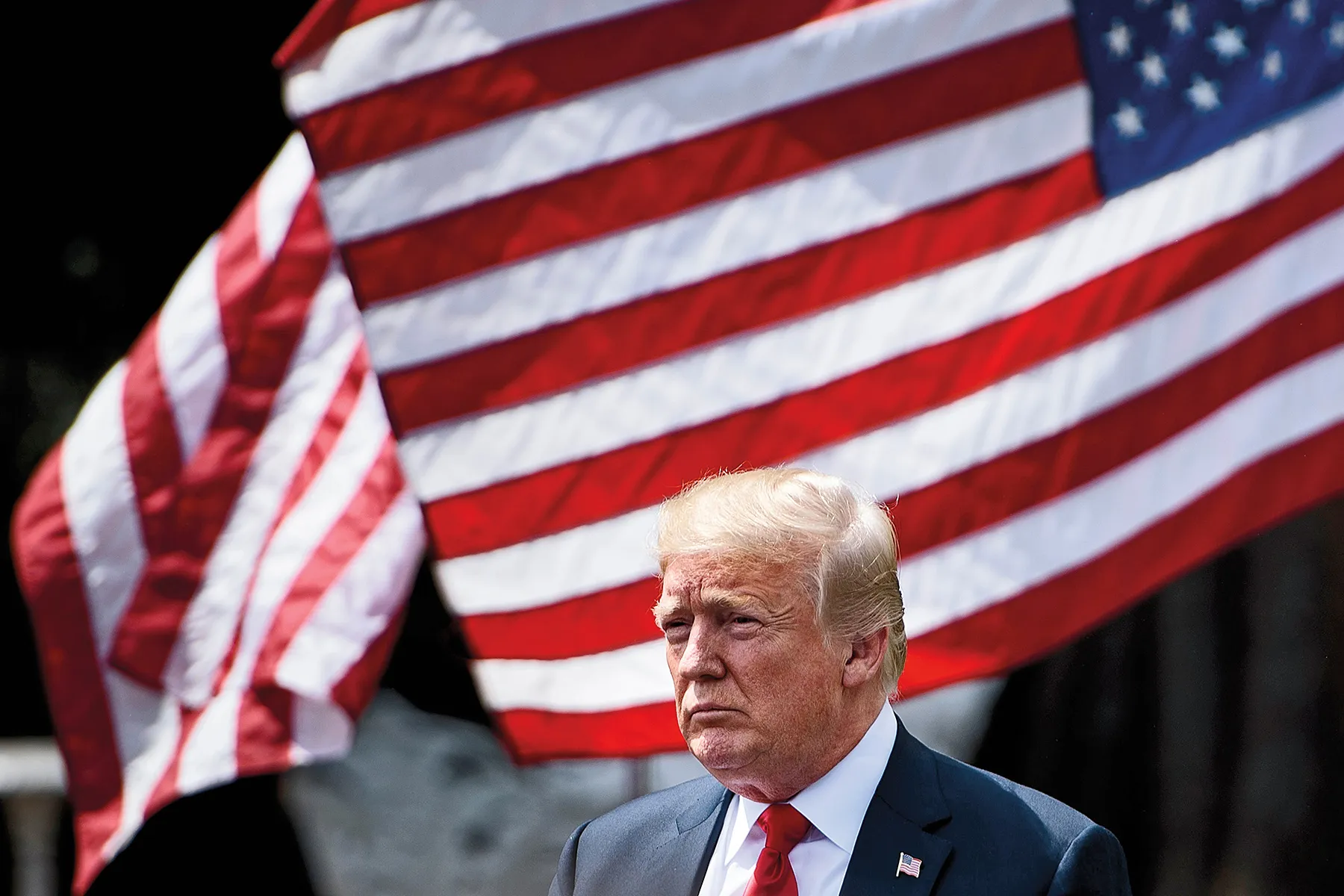
This controversy exposes a fundamental tension in “America First” foreign policy: maintaining American global influence requires alliances and cooperation with foreign nations, some of whom have interests and relationships Americans find uncomfortable.
MAGA supporters thought “America First” meant no foreign military presence on U.S. soil. But the administration sees this as America maintaining strong alliances that serve U.S. interests – Qatar mediating Middle East peace deals, hosting U.S. troops, and purchasing American weapons systems.
Both interpretations claim to put America first. One defines that as maximum sovereignty with minimal foreign presence. The other defines it as strategic alliances that advance U.S. goals. They’re not easily reconciled, which is why this announcement fractured the MAGA coalition.
“No one other than President Trump could have achieved the peace – what we believe will be a lasting peace – in Gaza.” – Defense Secretary Pete Hegseth
Hegseth explicitly connected the facility to the Gaza peace deal, suggesting the administration sees this as the price of getting Qatar’s cooperation on hostage releases and ceasefire negotiations. That’s traditional alliance management and diplomatic horse-trading – exactly what some Trump supporters thought they were rejecting when they voted against the establishment foreign policy consensus.
The Singapore Precedent
Critics calling this unprecedented are factually wrong – the Singaporean Air Force already maintains a training presence at Mountain Home Air Force Base. That arrangement hasn’t generated controversy, possibly because Singapore isn’t a Muslim-majority country and doesn’t have complicated Middle East relationships.
The constitutional and legal framework is identical: foreign militaries training at U.S. bases under agreements that enhance interoperability and strengthen alliances. The only difference is which country and what regional politics are involved.
That suggests the backlash isn’t really about constitutional authority or legal precedent. It’s about which foreign nations MAGA supporters are comfortable having relationships with. And it reveals that “America First” means different things to different people within the coalition.
What the Founders Would Say
The Founders were deeply suspicious of “entangling alliances” with foreign powers. Washington’s Farewell Address warned against permanent alliances and urged the young nation to avoid getting drawn into European conflicts.
But the Founders also understood that even a young republic needed diplomatic relationships and occasional military cooperation with other nations. They negotiated treaties with France, Morocco, and other powers. They understood that complete isolation wasn’t realistic.
Jefferson would probably oppose this agreement as exactly the kind of entanglement Washington warned against. He’d argue America should maintain strict sovereignty over its territory and avoid military cooperation that creates obligations to foreign governments.
Hamilton would likely support it as smart alliance management. He understood that maintaining influence requires building relationships with foreign powers, even imperfect ones. He’d view the Qatar facility as a small price for significant diplomatic gains in the Middle East.
Madison would probably focus on whether Congress should have a say. While the President has broad foreign policy authority, Madison believed major commitments should involve legislative input. He might argue that hosting foreign military training on U.S. soil is significant enough to warrant congressional approval.
The Political Calculation
Trump and Hegseth made a calculated political decision: the value of Qatar’s cooperation on the Gaza peace deal – getting hostages released and achieving a ceasefire that Trump can claim as a major foreign policy victory – is worth alienating some MAGA purists over the training facility.
They’re betting that most Trump supporters will care more about the Gaza deal than about Qatari pilots training in Idaho. They’re also betting that critics like Loomer saying she won’t vote in 2026 is an empty threat – where else would she go?
But the intensity of the backlash suggests this touched a nerve about what “America First” actually means in practice. When nationalist rhetoric meets diplomatic reality, something has to give. Trump chose diplomatic reality, and some of his most ardent supporters feel betrayed.
The Constitutional Reality
Constitutionally, Trump and Hegseth are on solid ground. The President has clear authority to negotiate military cooperation agreements with allied nations. Training foreign pilots at U.S. bases is routine and doesn’t raise constitutional concerns about sovereignty or foreign control of American territory.
The backlash isn’t about constitutional authority – it’s about whether this type of alliance management serves American interests and aligns with the nationalist vision that Trump campaigned on. Those are political questions, not legal ones.
What this controversy reveals is that even within the MAGA movement, there are competing visions of what American foreign policy should look like. Some want maximum sovereignty and minimal foreign entanglements. Others accept that maintaining global influence requires strategic alliances even with imperfect partners.
Trump appears to have chosen the latter approach, at least when it comes to Middle East peace deals. Whether that costs him support from nationalist purists or pays off through foreign policy achievements remains to be seen.
But the Constitution is clear: this is the President’s call to make. Congress could object, pass legislation restricting such agreements, or hold hearings. MAGA supporters can criticize the decision politically. But legally and constitutionally, hosting Qatari pilots for training at a U.S. air base is well within presidential authority.
Sometimes “America First” requires working with foreign powers you don’t entirely trust to achieve goals you care about. That’s been true of American foreign policy since the Founders allied with France to win independence from Britain. The MAGA base is just learning that lesson in real time.