
The U.S. Constitution
Archival records, profiles, and educational resources since 1995.
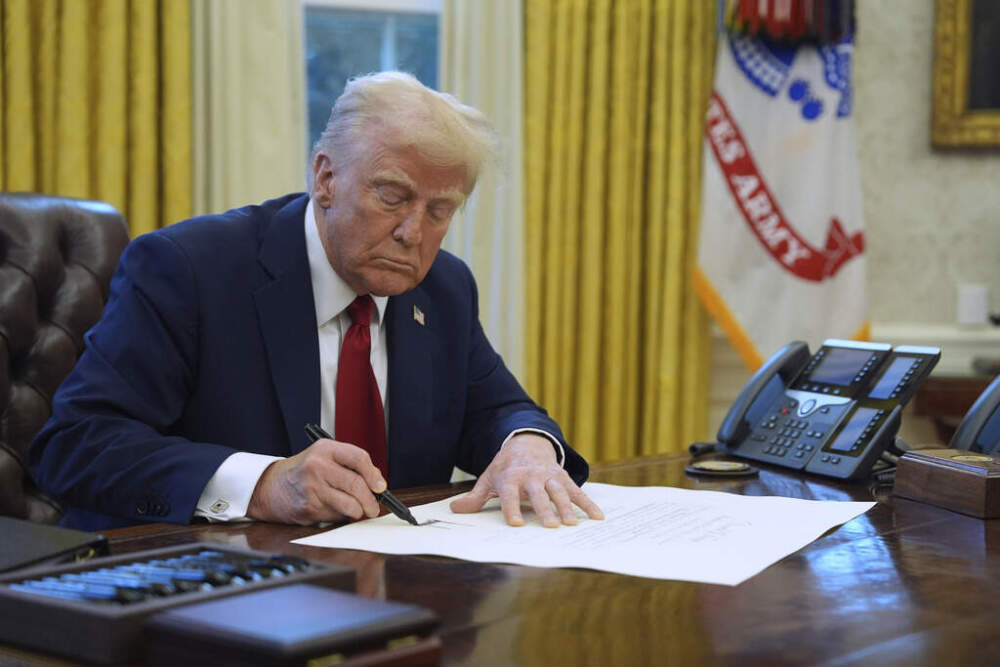
From Gun Silencers to a Space Shuttle: A Look at 7 Lesser-Known Provisions in the Final Trump Bill
As the President signs his so-called “big, beautiful bill” into law this Fourth of July, the national conversation will rightly focus on its massive, agenda-setting provisions. But to truly understand the nature of this legislation and the government that created it, we must look beyond the...
Read more →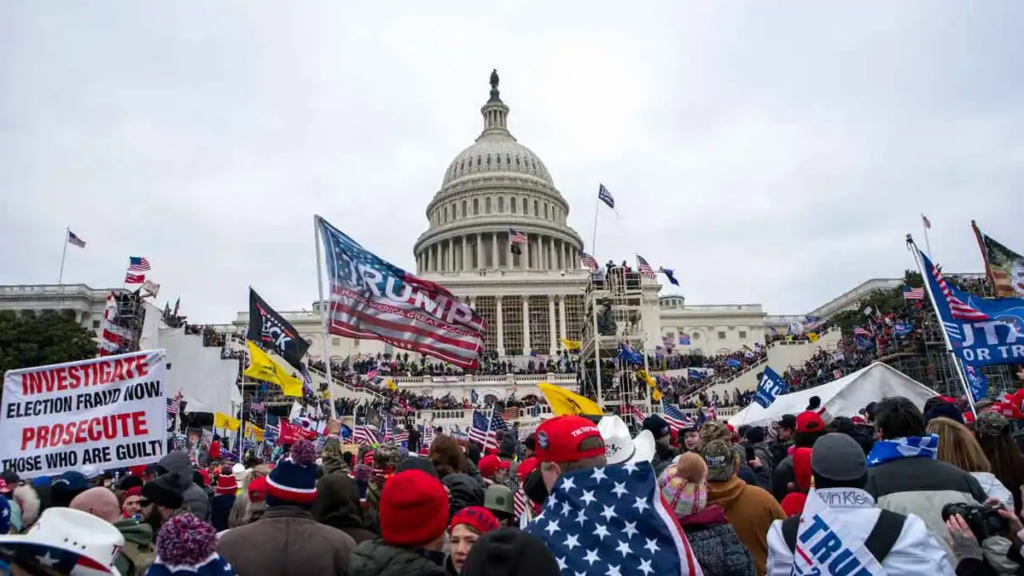
After the Pardons, the Purge: What the Jan. 6 Prosecutor Firings Really Mean
The Department of Justice, in a move that reverberates with deep constitutional questions, has abruptly fired at least three federal prosecutors who were directly involved in cases stemming from the January 6, 2021, Capitol riot. This action is not a simple personnel change; it is the latest and...
Read more →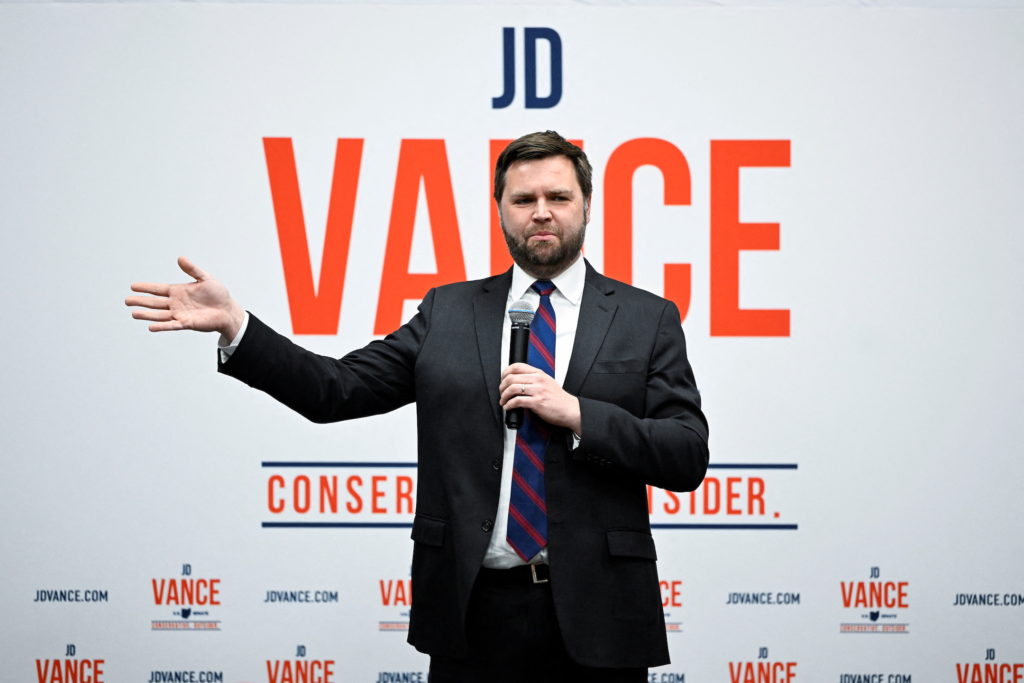
Supreme Court to Re-examine Campaign Finance
The Supreme Court has agreed to hear a case challenging the long-standing caps on how much a political party can spend in coordination with its candidates. This case, born from a lawsuit originally filed by then-Senate candidate J.D. Vance and Republican party committees, places a decades-old...
Read more →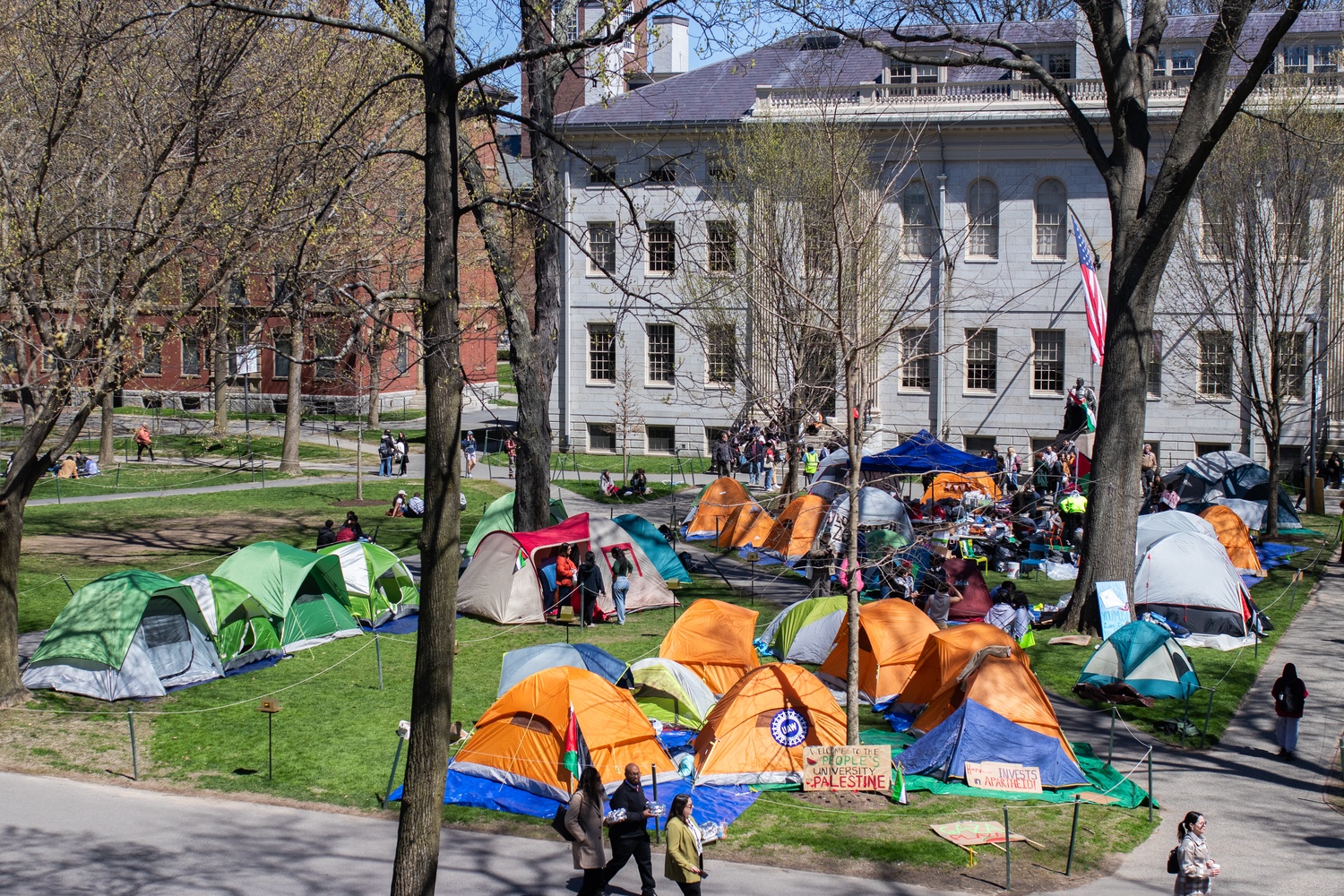
The Deal is Off: Inside the Trump Administration’s War on Harvard
A historic peace deal appeared to be on the horizon. After months of public pressure and quiet negotiations, the Trump administration and Harvard University seemed poised to resolve their differences. The President himself had signaled that a settlement was imminent, praising the university for...
Read more →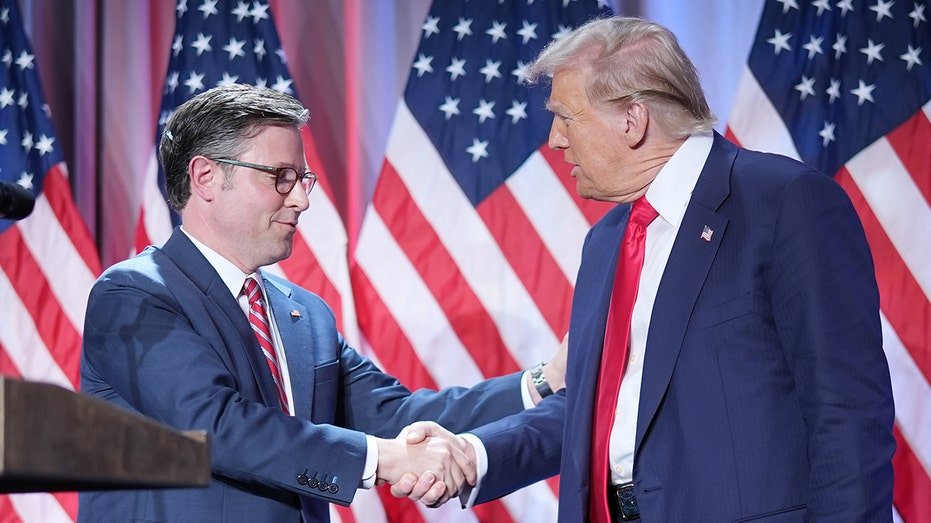
Inside the Last-Minute Drama, Defections, and Deals of Trump’s “Big, Beautiful” Bill
As America heads toward Independence Day, President Donald Trump’s sweeping “One Big Beautiful Bill” is barreling toward passage—despite last-minute rebellions, behind-the-scenes deal-cutting, and a marathon “vote-a-rama” that has kept the Capitol in a near-frenzy. If the Senate finishes its work...
Read more →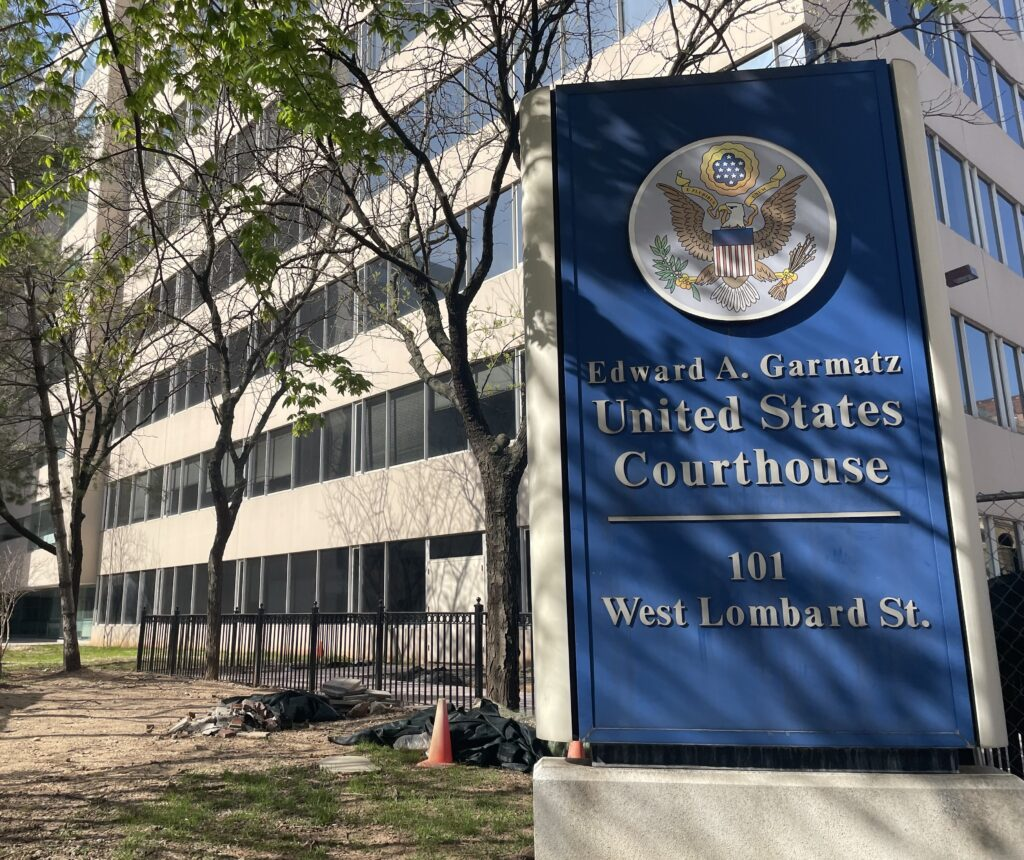
Trump Administration Sues Entire Federal Court
The Department of Homeland Security has taken the extraordinary step of suing an entire federal court. The lawsuit, filed against all 15 federal judges in the District of Maryland, is not a typical legal dispute. It is a direct and profound confrontation between two co-equal branches of government,...
Read more →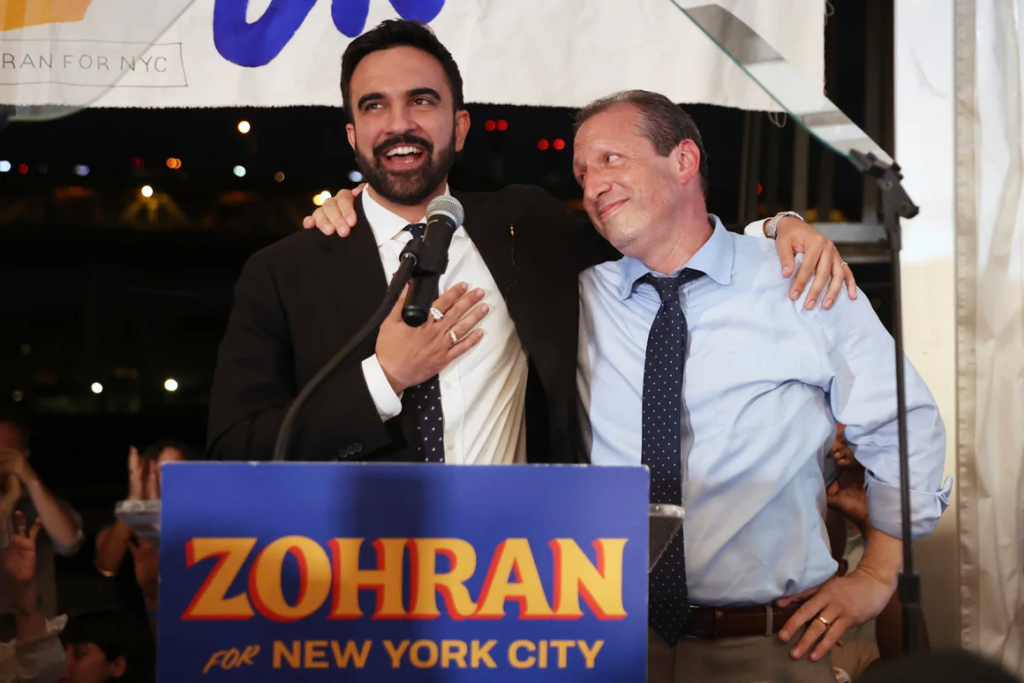
5 Takeaways from New York’s Mayoral Primary
Zohran Mamdani, a 33-year-old democratic socialist state assemblyman, has delivered a stunning defeat to former Governor Andrew Cuomo in New York City’s Democratic mayoral primary. While the formal results of the ranked-choice vote are still pending, Mamdani has declared victory and Cuomo has...
Read more →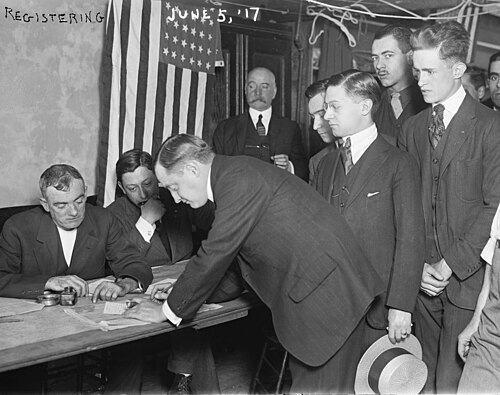
Who Gets Drafted in a New World War?
Our world is on a razor’s edge. We see it in the Middle East, where the exchange of fire between Israel, Iran, and now the United States has turned a shadow war into a direct conflict. We see it in the enduring tensions between nuclear powers like India and Pakistan, and in the instability that...
Read more →
Senate Parliamentarian Blocks Legislative Attempt to Limit Federal Court Power
A quiet but consequential battle over the power of our federal judiciary is being fought on two fronts. In the halls of Congress late Friday night, one assault on judicial authority was thwarted by arcane Senate procedure. But at the same time, the Supreme Court itself handed the White House a...
Read more →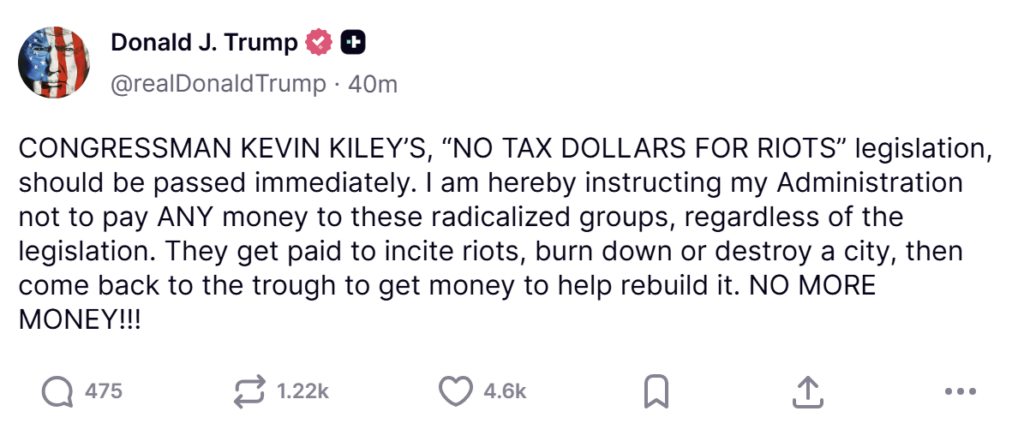
“Regardless of the Legislation”: A President’s Assault on the Power of the Purse
In a social media post this week, the President of the United States issued a stunning directive. Endorsing Rep. Kevin Kiley’s proposed “No Tax Dollars for Riots” legislation, he then went a step further, declaring: “I am hereby instructing my Administration not to pay ANY money to these...
Read more →
A Predictable Retaliation: Iranian Missiles Hit American Air Base
Ballistic missiles, fired from Iran, have now targeted a major American air base in Qatar. While the attack was successfully intercepted and resulted in no U.S. casualties, any sense of relief is dangerously premature. The physical damage may be zero, but the damage to our constitutional order is...
Read more →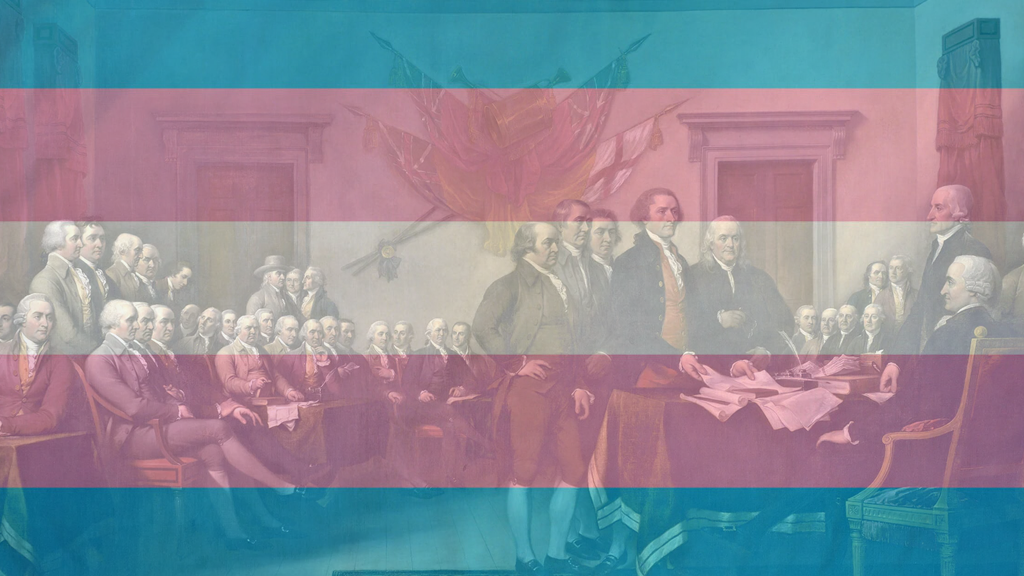
Liberty, Equality… and Gender Identity: The Constitution and Transgender Rights
⬇️ Join the conversation and make your voice be heard. At the center of today’s fiercest political and cultural fault lines lies a question the framers of the Constitution never saw coming: How does an 18th-century charter of governance grapple with 21st-century understandings of identity? As...
Read more →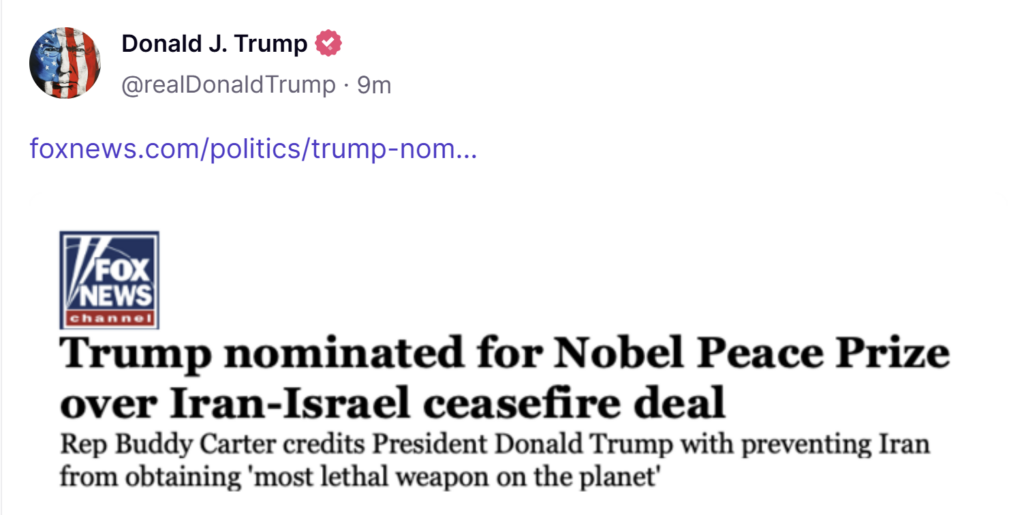
The Unconstitutional Peace
A Republican congressman has nominated President Donald Trump for the Nobel Peace Prize. The reason: his “extraordinary and historic role” in brokering a ceasefire that ended the “12 Day War” between Israel, Iran, and the United States. The nomination praises the President’s “bold, decisive...
Read more →
A Tragedy in Texas: When a Child Stands Trial as an Adult
At a high school track meet – the most ordinary of American scenes – a dispute over seating under a team tent ended with a knife, a 17-year-old boy dead, and another facing the possibility of life in prison. The fatal stabbing of Austin Metcalf in Frisco, Texas, is more than just a local crime...
Read more →
Supreme Court Allows Trump Administration to Resume ‘Third-Country’ Deportations
This week, the Supreme Court gave the Trump administration a procedural victory in its ongoing battle to reshape immigration enforcement. In a 6-3 decision, the justices paused a lower court’s order, allowing the administration to resume deporting certain migrants to countries other than their...
Read more →
The Court’s Controversial Choice On Youth Gender Care
This week, the Supreme Court was tasked with resolving a conflict that strikes at the heart of America’s most profound constitutional debates. On one side stood the 14th Amendment’s promise of equal protection for all persons. On the other, the sovereign power of a state to regulate medicine and...
Read more →
A Lesson on the Spending Clause: A Court Reminds the President of His Limits
Our Constitution creates a deliberate and often tense balance of power. Congress is given the “power of the purse,” deciding how federal money is spent. The President, in turn, is tasked with faithfully executing the laws. But what happens when a President uses the money Congress allocated for one...
Read more →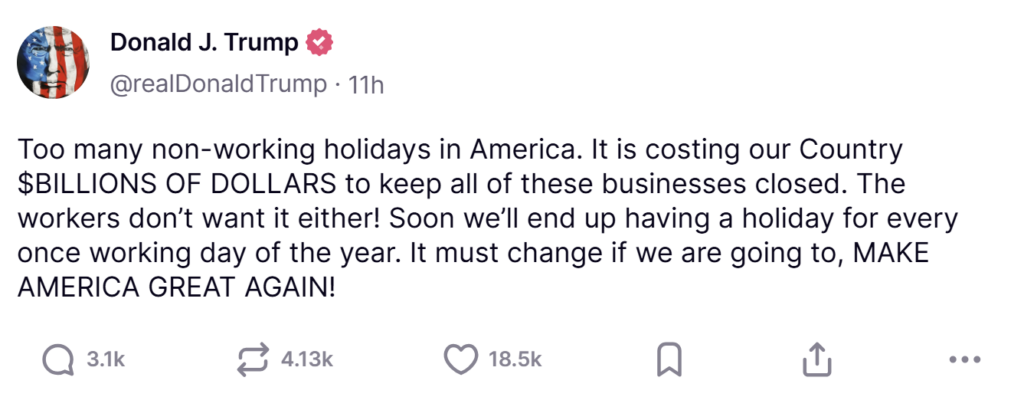
A Republic in Recess: Trump Calls For Fewer Paid Holidays
In a social media post this week, President Trump declared that there are “Too many non-working holidays in America,” framing them as a multi-billion-dollar drain on the economy that “must change.” This argument, viewing our national calendar through the narrow lens of a profit-and-loss statement,...
Read more →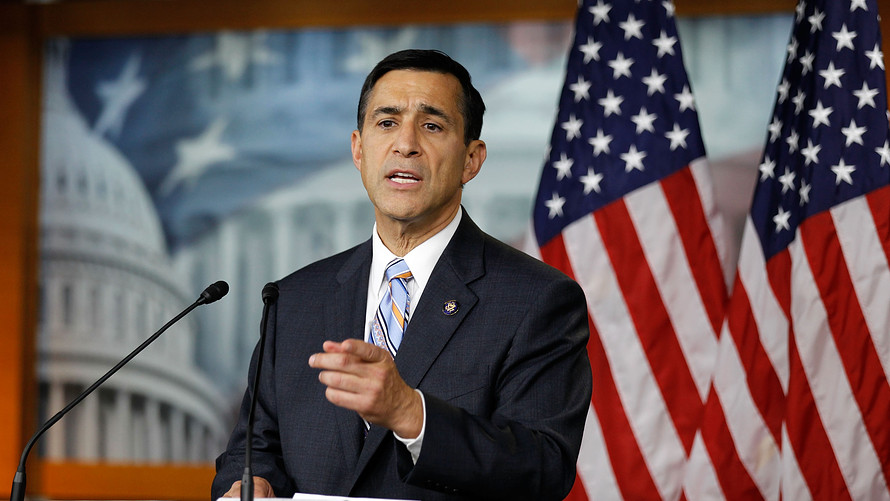
The 25th Amendment on Trial: A Proposal to Reinvent Presidential Removal
A provocative new proposal from Representative Darrell Issa is forcing a national conversation about one of the most sensitive and critical parts of our constitutional order: the 25th Amendment. In the wake of revelations about a potential “cover-up” of former President Biden’s declining health,...
Read more →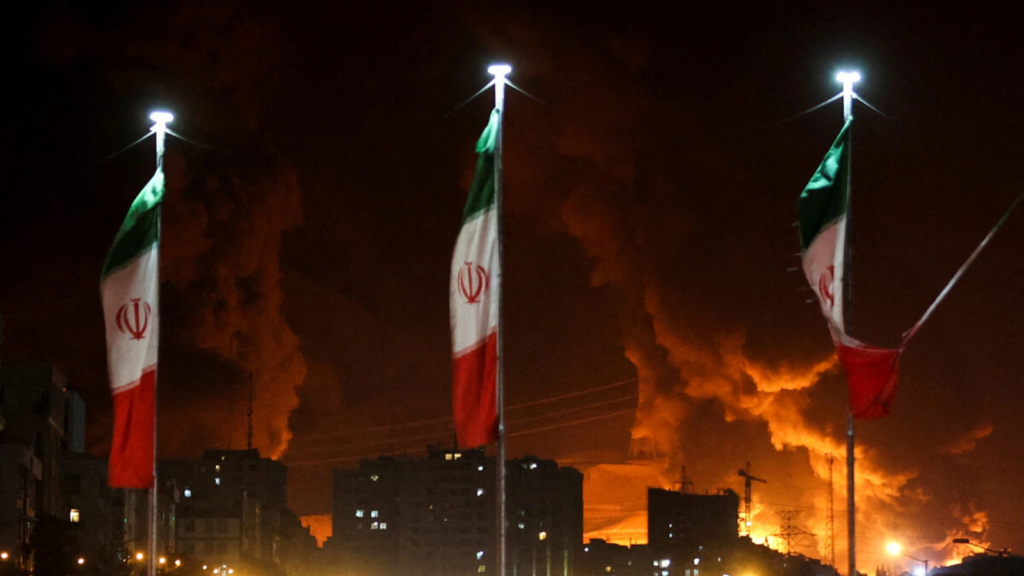
What Does The Constitution Say About War?
American warplanes have conducted strikes against nuclear facilities inside Iran. This is a direct act of combat against a sovereign nation, ordered by the President without a word of debate or a single vote from Congress. This action, regardless of its strategic merits, has pushed our nation to...
Read more →