
The U.S. Constitution
Archival records, profiles, and educational resources since 1995.
Unsung Founding Fathers
Roger Sherman distinguished himself as a critical figure at the Constitutional Convention. Known for his ability to forge unanimity among diverse opinions, Sherman devised the Connecticut Compromise, which resolved an impasse between small and large states. This compromise shaped the structure of...
Read more →First Amendment & Social Media
The First Amendment, born from a wariness of tyrannical control, marks a deliberate effort by the Founding Fathers to guarantee an essential human right— free speech . Forged in the crucible of conflict and philosophical debate, this amendment embodies the principals of a nascent democracy...
Read more →Republic vs Democracy
The United States operates as a constitutional republic , a form of government that involves representatives elected by the people, who execute their duties under the constraints of a prevailing constitution that specifies the powers and limits of government. One fundamental principle of a...
Read more →25th Amendment Usage
The assassination of President John F. Kennedy in 1963 exposed a significant gap in the U.S. Constitution regarding presidential succession and incapacity. Kennedy's death underlined the necessity for a formal and consistent process to manage these situations, as previous instances of presidential...
Read more →First Amendment Speech Rights
The First Amendment, a pillar of American democracy, enshrines freedom of speech among its key protections. This right has experienced an evolving interpretation since its inception in 1791. Initially, its boundaries were not clearly defined, leaving significant room for legal battles and societal...
Read more →First Amendment Assembly Rights
The right to assemble peacefully is deeply rooted in the historical legal landscape, anchoring its importance in democratic practices. Initially, the Magna Carta , a cornerstone of English constitutional law in 1215, indirectly supported the right to freedom of assembly through clauses aimed at...
Read more →Electoral College Explained
The Electoral College, as outlined in Article II, Section 1 of the U.S. Constitution , was established as a compromise between election of the President by Congress and election by popular vote. The founders aimed to form a buffer between population and the selection of a President, which...
Read more →Emoluments Clause & Presidential Business
The Emoluments Clause, articulated in the U.S. Constitution, serves as a safeguard designed to bar federal officeholders from receiving any gifts, offices, titles, or emoluments from foreign states without congressional consent. Embedded within this legal framework are two distinct provisions: the...
Read more →14th Amendment & Birthright Citizenship
The period leading to the ratification of the 14th Amendment was marked by the Civil War and the Abolitionist Movement. This amendment, introduced in 1866 and ratified in 1868, was aimed primarily at securing the rights of newly freed slaves. The Abolitionist Movement helped spark the Civil War,...
Read more →Founding Fathers & Gun Rights
The early American colonists' concerns and experience with military power significantly shaped the drafting of the Second Amendment. The English Bill of Rights of 1689 had previously laid ground that protestants may bear arms as suited to their conditions, based largely on tensions over how the...
Read more →18th & 21st Amendments Evolution
The Eighteenth Amendment emerged from a century-long temperance crusade, rooted in social reform and moral aspiration, with ratification achieved on January 16, 1919. This legal act prohibited alcohol production, sale, and transportation. The temperance movement, originally propelled by concerns...
Read more →First Amendment Analysis
The First Amendment articulates foundational freedoms — speech, religion, press, assembly, and petition. Each has played a pivotal role in establishing a society that values democracy and civil liberties. The drafting and ratification of the First Amendment underscored the distrust the Founders...
Read more →First Amendment & Religion
The Establishment Clause of the First Amendment to the U.S. Constitution states, “Congress shall make no law respecting an establishment of religion,” which primarily signifies a prohibition against the government establishing a state-backed religion or showing preference for one religion over...
Read more →US Constitution FAQs
The U.S. Constitution is the supreme law of the United States, establishing a framework for governance and delineating the structure, powers, and limitations of the federal government. It divides power among the legislative, executive, and judicial branches . The Constitution features a Preamble,...
Read more →Top 10 George Washington Quotes
"I hold the maxim no less applicable to public than to private affairs, that honesty is the best policy." — George Washington This quote captures George Washington's advocacy for truthfulness in all aspects of life. Upholding honesty, whether managing personal relationships or steering...
Read more →Top John Adams Quotes
John Adams once underscored the gravity of moral authority in governance, stating, Because power corrupts, society's demands for moral authority and character increase as the importance of the position increases. This assertion highlights the essential balance between power held and the moral...
Read more →Presidential Absolute Immunity
Presidential absolute immunity shields a sitting president from civil lawsuits stemming from actions within the “outer perimeter” of official duties. Established in notable cases such as Nixon v. Fitzgerald , the doctrine finds its roots in the needs of efficient government functioning under a...
Read more →First Amendment Press Freedom
The First Amendment, influenced by the philosophical ideals of the Enlightenment, reflects the passionate debates that shaped the American republic. Figures like Thomas Jefferson and James Madison , inspired by Enlightenment thinkers such as John Locke , advocated for the virtues of freedom and...
Read more →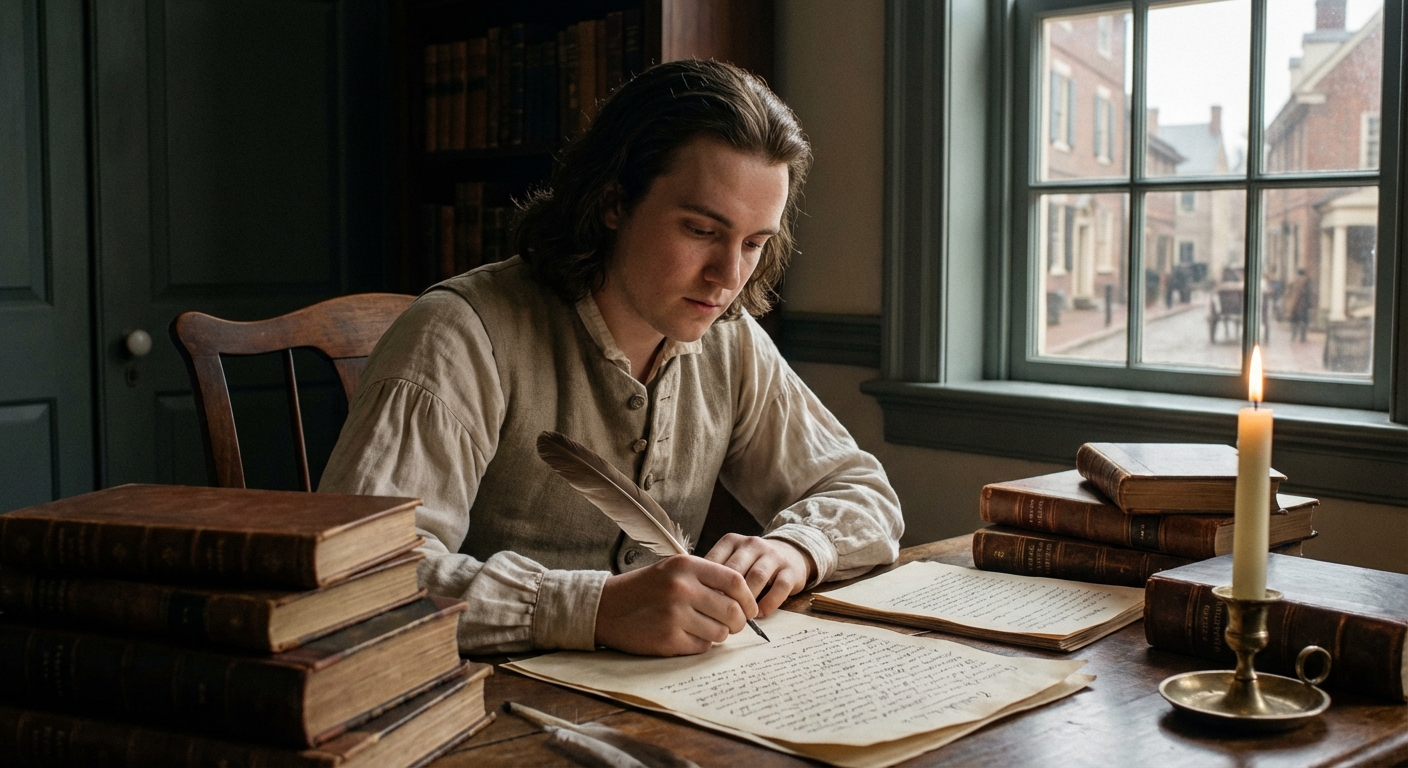
Benjamin Franklin Childhood
Benjamin Franklin was born in colonial Boston on January 17, 1706. His father, Josiah Franklin, was a candlemaker and soap boiler. Despite the family's modest means, Benjamin had a thirst for knowledge from a young age. His formal schooling ended at the age of ten, but this did not hinder his...
Read more →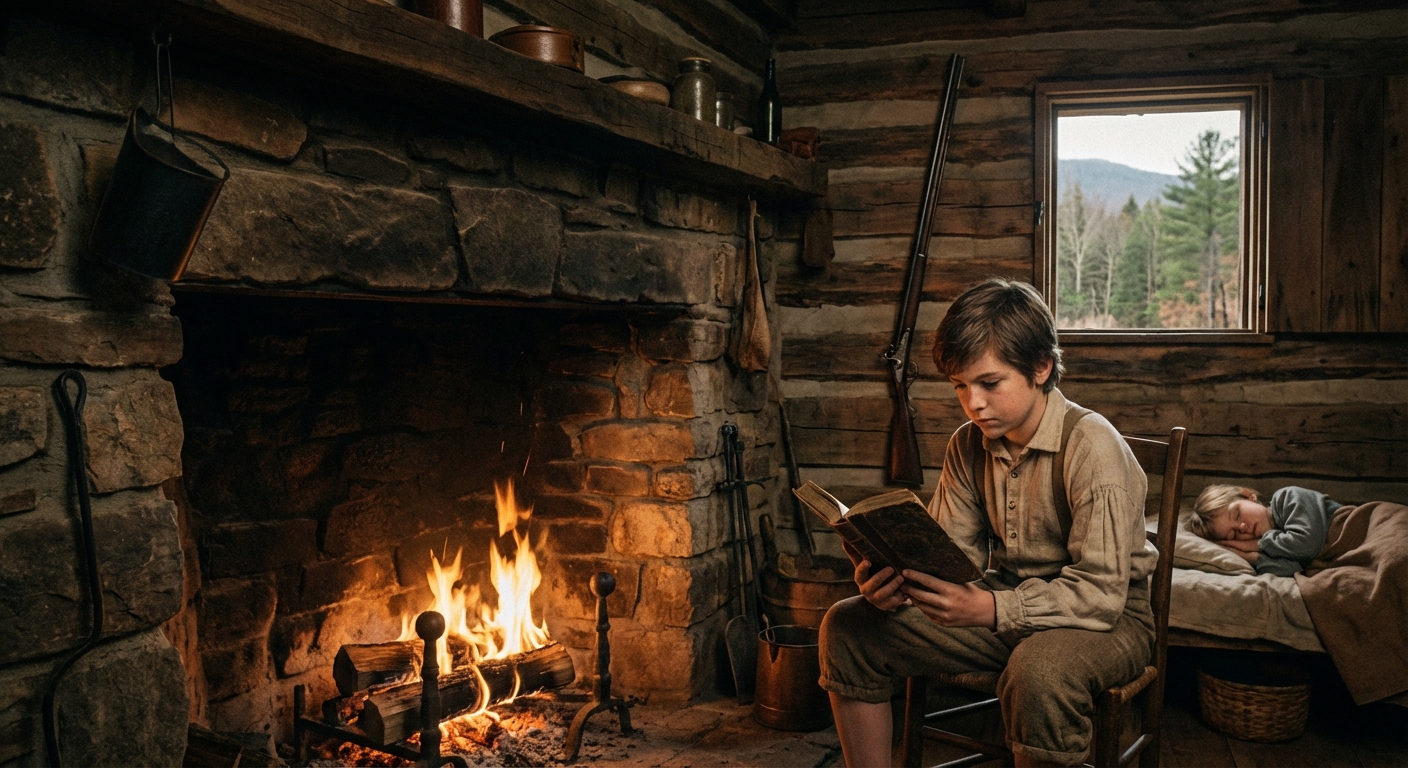
John Marshall Childhood
John Marshall was born on September 24, 1755, in a log cabin on the Virginia frontier. As the oldest of 15 children, he faced the challenges of frontier life, including: Isolation Limited educational facilities Economic unpredictability Despite these hurdles, John's father, Thomas Marshall, who...
Read more →