
The U.S. Constitution
Archival records, profiles, and educational resources since 1995.
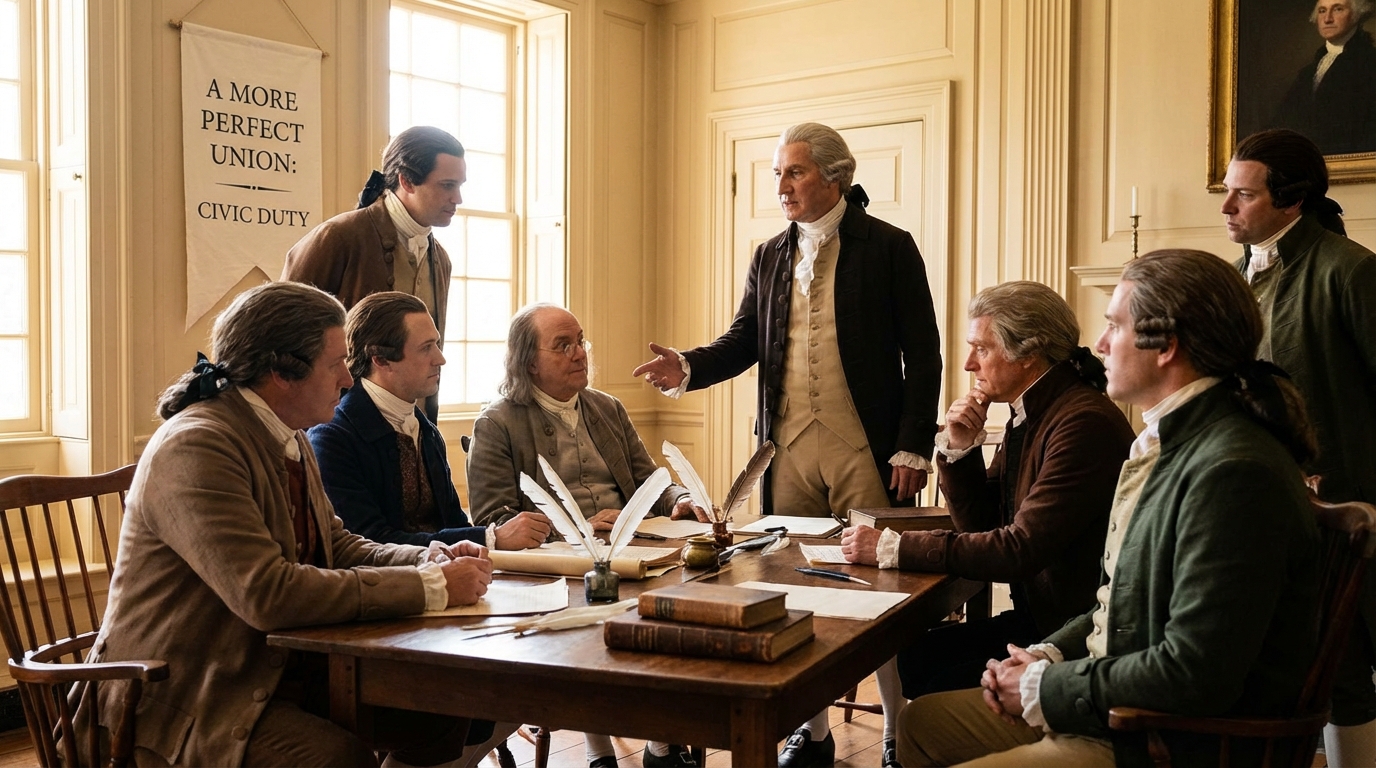
Founding Fathers on Civic Duty
The Founding Fathers placed immense value on civic duty, recognizing it as the foundation for a robust republic. George Washington emphasized the collective effort needed to sustain liberty. In his Farewell Address, Washington underlined that responsible citizenship is not optional but an inherent...
Read more →Montesquieu’s Influence on Separation of Powers
Montesquieu's political philosophy has had a profound impact on the structure and principles of the United States government. His insights into the separation of powers, checks and balances, and the nature of republics have shaped the foundational framework of the U.S. Constitution. Montesquieu's...
Read more →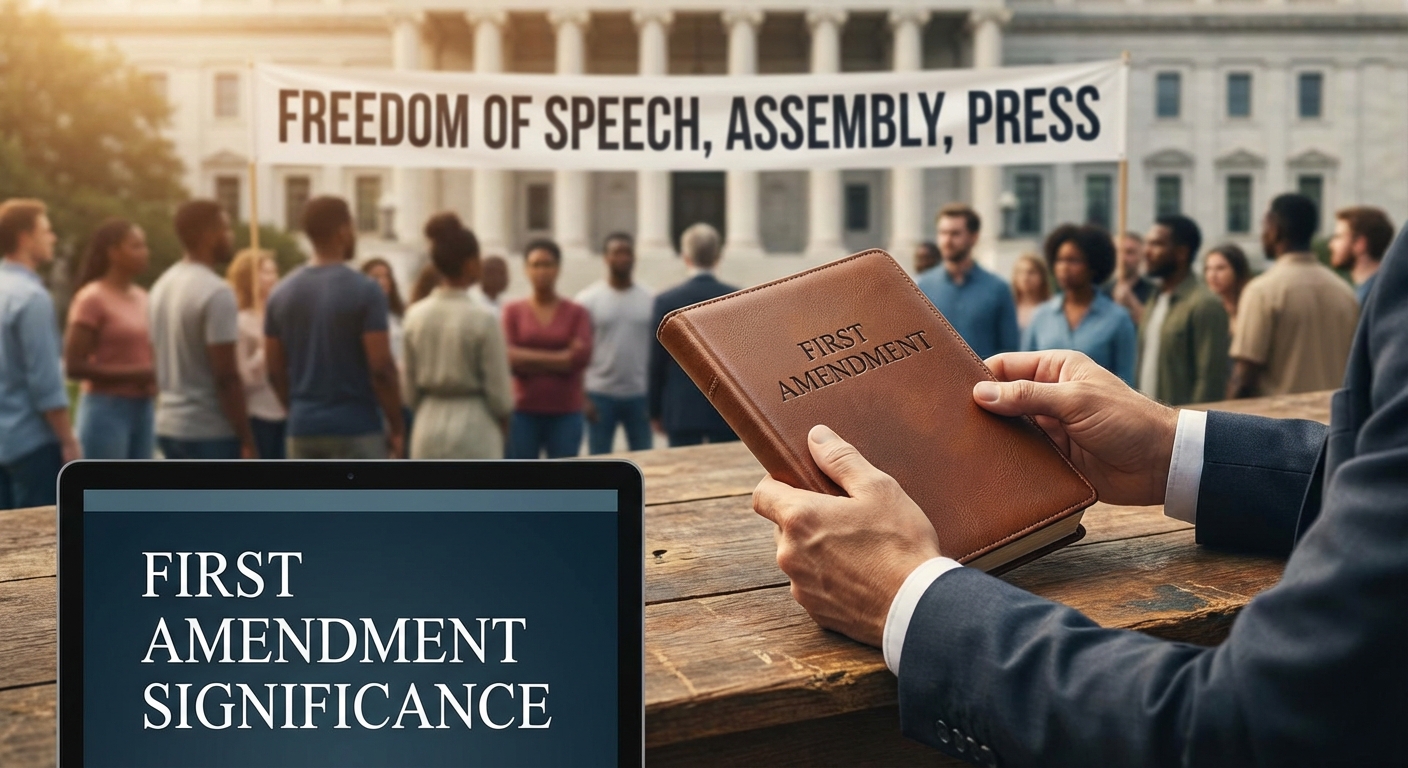
First Amendment Significance
The framers of the Constitution sought to avoid the religious conflicts that had plagued Europe by separating religion and state power. They aimed to foster a society where no single religious sect could dominate and to maintain both peace and individual liberty. The framers also wanted to ensure...
Read more →Judiciary’s Role in Upholding Constitution
The rule of law stands as a cornerstone of our constitutional republic, demanding that all, including the government, adhere to legal directives. This principle, while sometimes debated in its scope, fundamentally ensures that laws apply equally to everyone. Judges play a pivotal role in this...
Read more →Top Cases That Tested the Separation of Powers
The landmark case Marbury v. Madison established the foundation of judicial review. Chief Justice John Marshall delivered the opinion that the Supreme Court had the authority to declare a law unconstitutional. This case arose when William Marbury petitioned for a writ of mandamus to compel...
Read more →Constitutional Power Balance
The U.S. Constitution stands as a monumental achievement in the history of governance, establishing a system that balances power among three distinct branches: legislative , executive , and judicial . This framework was crafted with the intent to protect individual liberties and prevent any single...
Read more →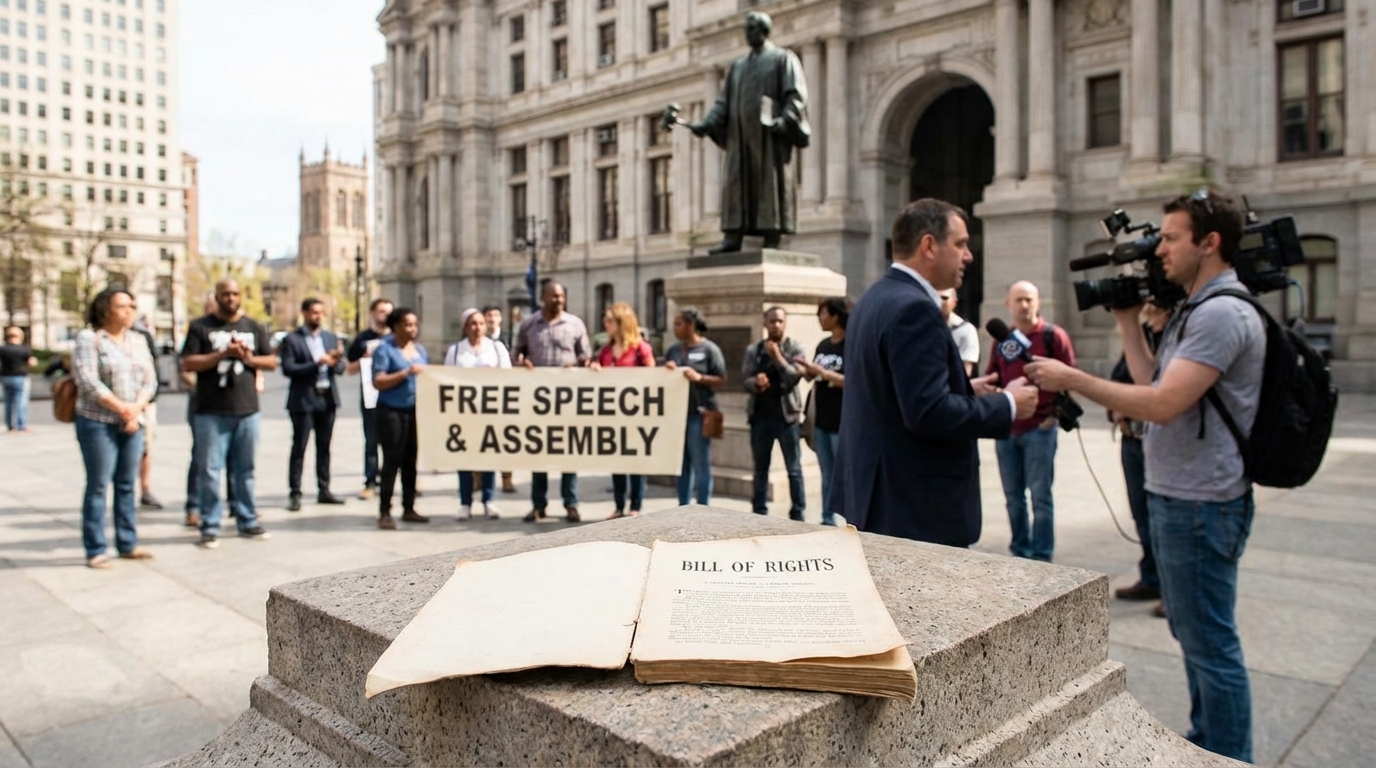
Role of Bill of Rights in Protecting Freedoms
The Constitutional Convention in 1787 aimed to address the weaknesses of the Articles of Confederation. Debates raged between Federalists, who wanted a strong national government, and Anti-Federalists, who feared it would trample individual and state rights. The Constitution that emerged struck a...
Read more →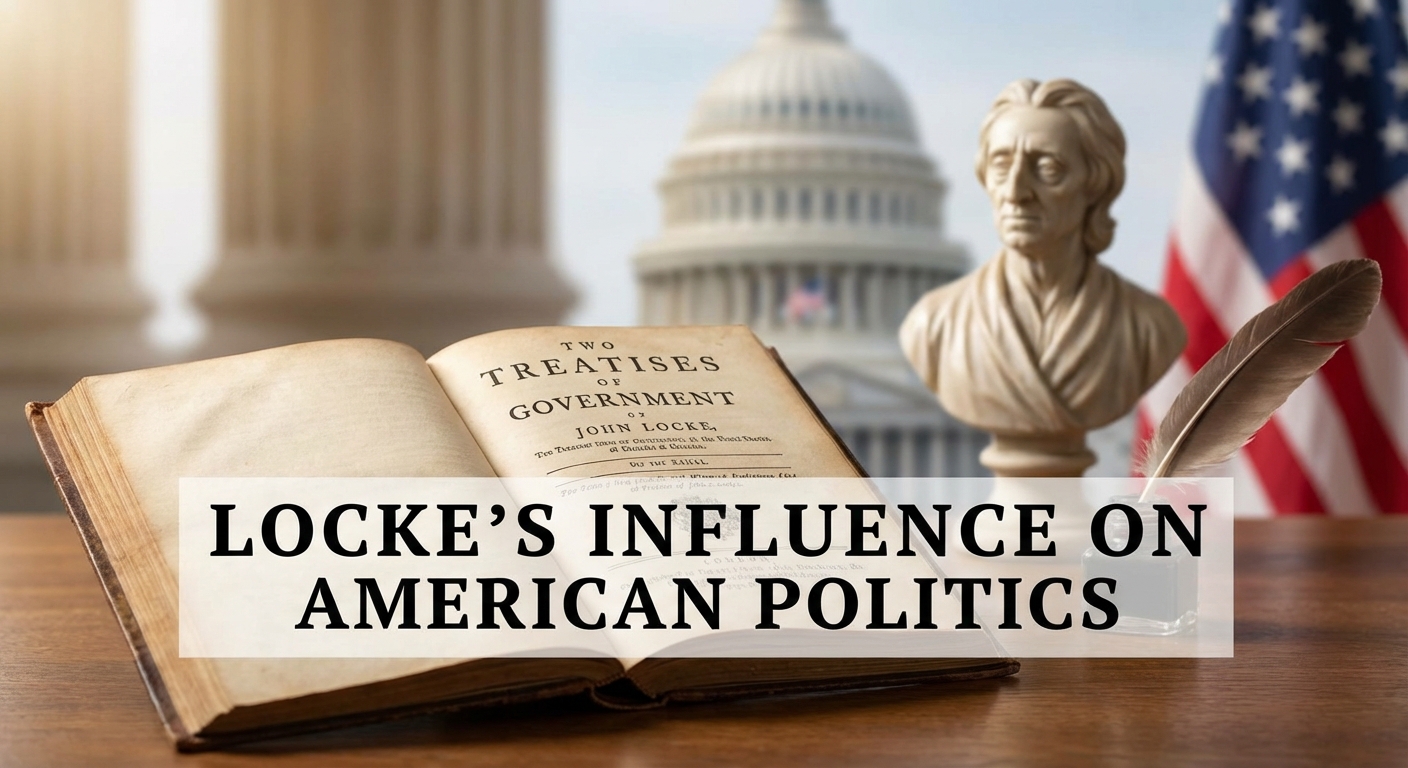
Locke’s Influence on American Politics
Born on August 29, 1632, in Somerset, England, John Locke grew up in a well-to-do Puritan family during a time of political turmoil. His early years were marked by the English Civil War, a conflict where his father served as a cavalry captain. Locke found the classical curriculum at Oxford lacking...
Read more →Enlightenment’s Impact on U.S. Democracy
John Locke , often credited as the father of modern republican government, had a profound impact on the American Founding Fathers. Locke's theory of natural rights argued that every individual is entitled to life, liberty, and property, principles woven into the Declaration of Independence. He...
Read more →Top Supreme Court Cases on the Bill of Rights
Marbury v. Madison (1803) significantly shaped American constitutional law. Chief Justice John Marshall presided over the case, which established the Supreme Court's authority to review acts of Congress and determine their constitutionality through judicial review. The case arose when William...
Read more →Constitutional Protection of Rights
The American Constitution contains several key provisions aimed at protecting individual rights. Initially, the founders did not include a Bill of Rights, believing that the structure they created, with a balanced distribution of power, would be sufficient to curb any potential overreach. However,...
Read more →Northwest Ordinance Legacy
The formation and governance of the Northwest Territory marked a significant chapter in American history. The Northwest Ordinance of 1787 laid the groundwork for expansion and governance in the newly acquired lands, structuring the political landscape and setting important precedents for civil...
Read more →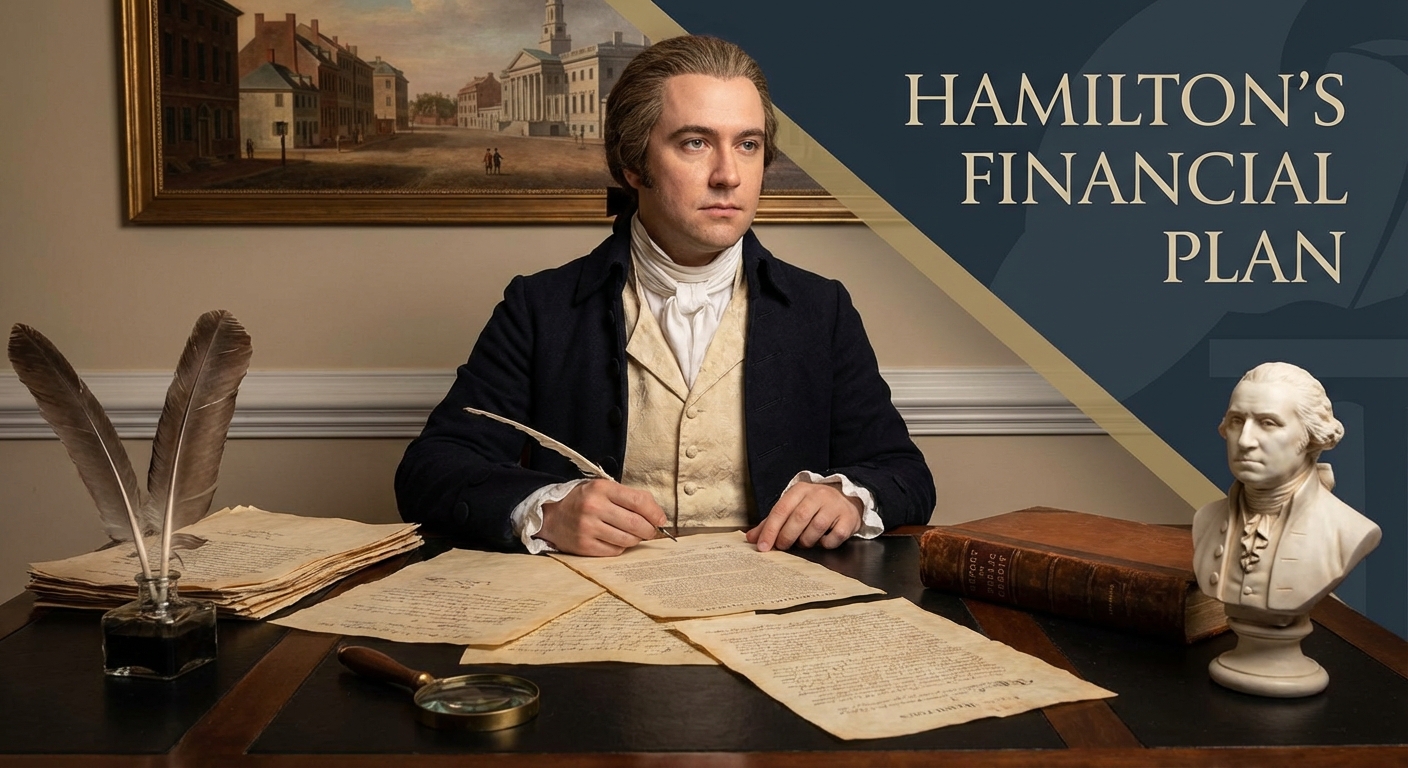
Hamilton’s Financial Plan
When Alexander Hamilton suggested that the federal government assume state debts from the Revolutionary War, it wasn't just about paying bills. This move aimed to build unity and trust in the newly formed United States. States owed around $25 million, a significant sum at the time. Hamilton...
Read more →Key Moments in the Constitution’s Ratification
On May 25, 1787, representatives gathered at the Pennsylvania State House, setting the stage for what became the Constitutional Convention. George Washington, unanimously elected to preside, brought significant legitimacy to the gathering. James Madison, with rigorous studies in history and...
Read more →Constitutional Convention Compromise
The Articles of Confederation held promise but crumbled under strain. States acted on their own whims, with little regard for collective well-being. They printed their currencies, taxed each other's goods, and struggled to pay off war debts. Congress, powerless to tax or raise an army, sat...
Read more →Enlightenment Ideas in the Constitution
Natural Rights, a foundational concept inspired by John Locke, is deeply embedded in the Constitution. Locke's theory posits that all individuals inherently possess certain rights—life, liberty, and property. These rights aren't granted by governments but are inherent to human existence....
Read more →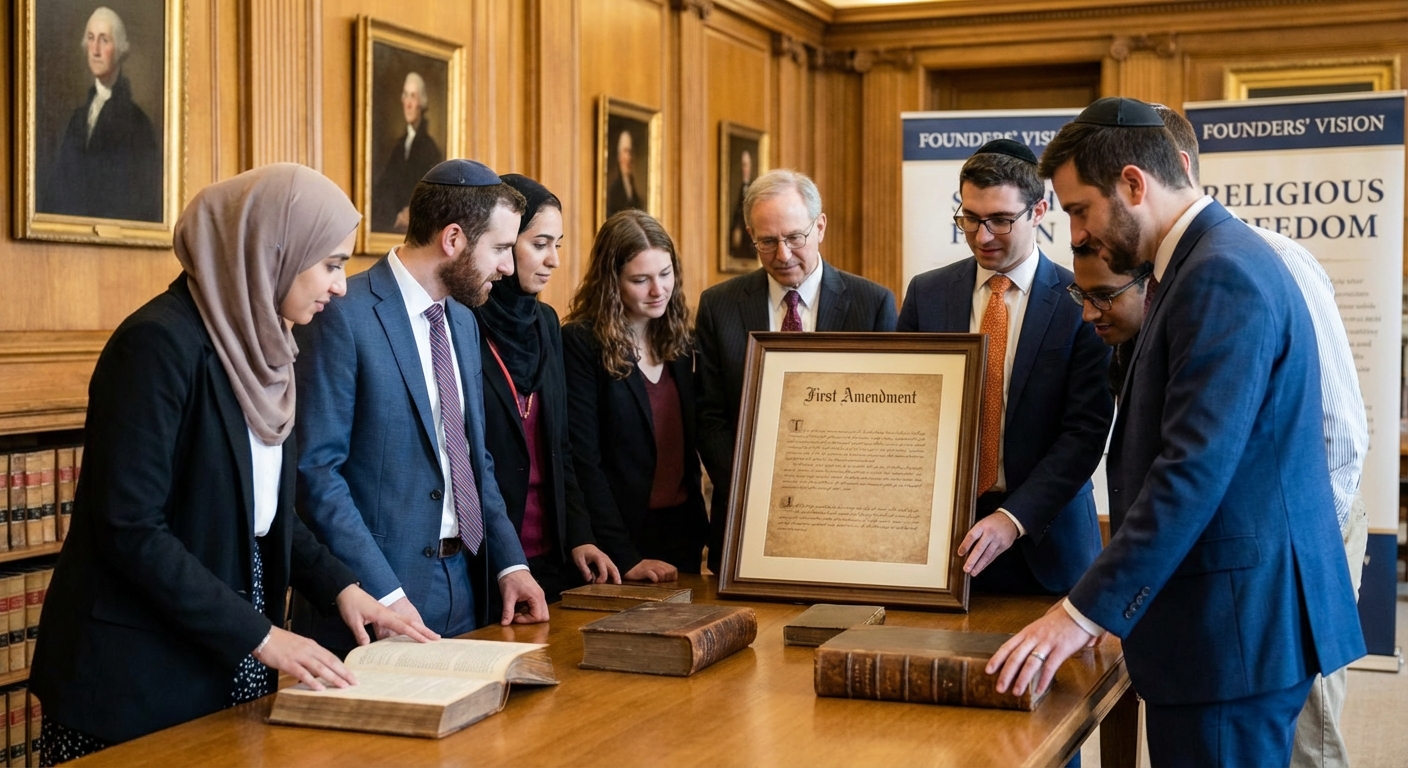
Founders’ Vision of Religious Freedom
The American founding era encompassed a vast spectrum of religious beliefs, reflecting the diversity of the population itself. Approximately 98% of Americans of European descent identified with Protestantism , predominantly adhering to the reformed theological tradition. This demographic shaped the...
Read more →Federalist Papers and the Constitution
During the late 1780s, the United States faced significant challenges with its initial governing framework, the Articles of Confederation. These issues prompted the creation of the Federalist Papers, a series of essays aimed at advocating for a stronger central government under the newly proposed...
Read more →Natural Law in American Government
Natural law is the cornerstone behind the formation of American government. This concept has roots that stretch back to ancient philosophical traditions, having been elaborated upon by key thinkers. Thomas Aquinas, the medieval philosopher and theologian, saw natural law as part of a larger...
Read more →Anti-Federalists: Liberty or Obstacle?
The Anti-Federalists emerged from a distinct historical context, preferring localized government and fearing a strong central authority would trample individual liberties. This fear wasn't unfounded, given their experience with British rule. They saw the proposed Constitution as potentially...
Read more →