
The U.S. Constitution
Archival records, profiles, and educational resources since 1995.
Constitution and Hate Speech Regulation
The First Amendment of the U.S. Constitution protects freedom of speech and the press. This principle has been examined through various Supreme Court cases, balancing free expression with potential harm from certain types of speech. The First Amendment states that Congress shall make no law...
Read more →Constitution and Jury Selection
The concept of jury trials has ancient roots. In Greece, large juries of up to 500 men heard cases. The modern trial jury system began to take shape in medieval England during King Henry III's reign, heavily influenced by the 1215 Magna Carta. Magna Carta established that "no free man shall be...
Read more →Constitutional Basis for Executive Privilege
The concept of executive privilege in the United States traces back to President George Washington. In 1792, Washington asserted that his administration would provide documents to Congress only if it served the public good. This principle became evident when the administration withheld documents...
Read more →Treason and Sedition in the Constitution
The legal definitions of treason, sedition, and insurrection within the United States Constitution provide a framework that balances national security with individual liberties. These terms continue to shape modern legal interpretations and applications. Understanding these distinctions is...
Read more →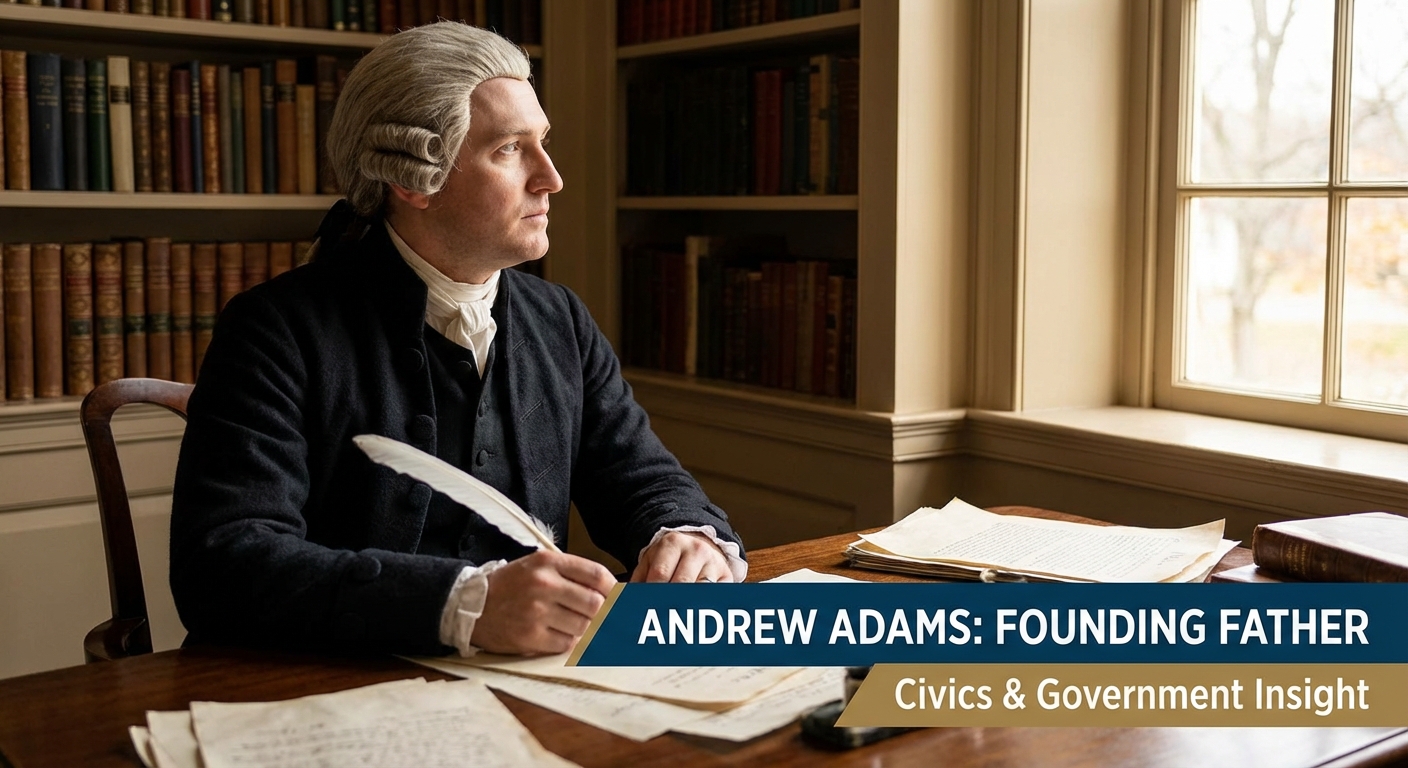
Andrew Adams Founding Father
Andrew Adams was born on January 7, 1736, in Stratford, Connecticut. His father, Samuel Adams, was a Yale-educated lawyer and judge, while his mother, Mary Fairchild Adams, provided stability and wisdom. The family’s background in public service influenced Andrew’s future path. Andrew’s early...
Read more →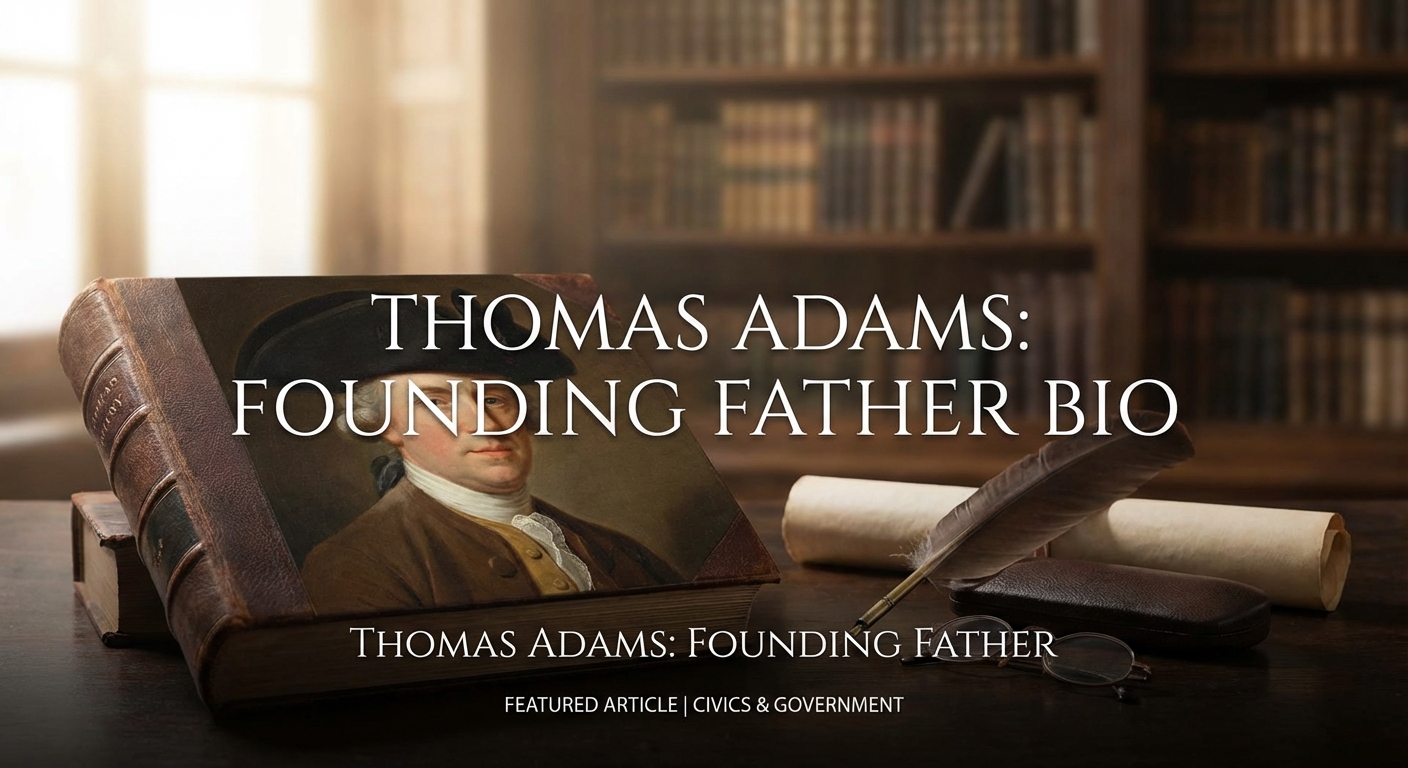
Thomas Adams Founding Father Bio
Thomas Jefferson was born on April 13, 1743, at Shadwell plantation in Virginia. His father, Peter Jefferson, ensured young Thomas had every educational advantage. By age 9, Jefferson was immersed in Latin and Greek . At the College of William and Mary in 1760, he was more dedicated to his studies...
Read more →
Thomas Heyward Jr. Biography
Thomas Heyward Jr.'s life exemplifies the dedication and commitment that shaped the early United States. From his upbringing in South Carolina to his role in the fight for independence, Heyward's journey offers insight into the principles that underpinned the founding of a constitutional republic....
Read more →Constitution and Trade Policies
The Constitution's allocation of trade authority demonstrates the Framers' understanding of governance and economics. By granting Congress the power to regulate commerce and allowing the President to engage in trade negotiations, they created a balanced system aimed at fostering national...
Read more →Constitutional Gerrymandering
Gerrymandering distorts election fairness by manipulating district boundaries to favor a political party. The term originates from 1812 when Massachusetts Gov. Elbridge Gerry signed a bill creating an oddly shaped district resembling a salamander, dubbed the "Gerry-mander." Two main techniques...
Read more →Separation of Church and State
The first clause in the Bill of Rights states: “Congress shall make no law respecting an establishment of religion.” This establishment clause, within the First Amendment, has its roots in early American thought. For about 150 years, it drew little contention, but as America’s diversity grew,...
Read more →Double Jeopardy Protection Explained
The Double Jeopardy Clause, enshrined in the Fifth Amendment, stands as a fundamental safeguard within our constitutional republic. This clause ensures that individuals are not subjected to multiple prosecutions or punishments for the same offense, reflecting the Framers' commitment to fairness and...
Read more →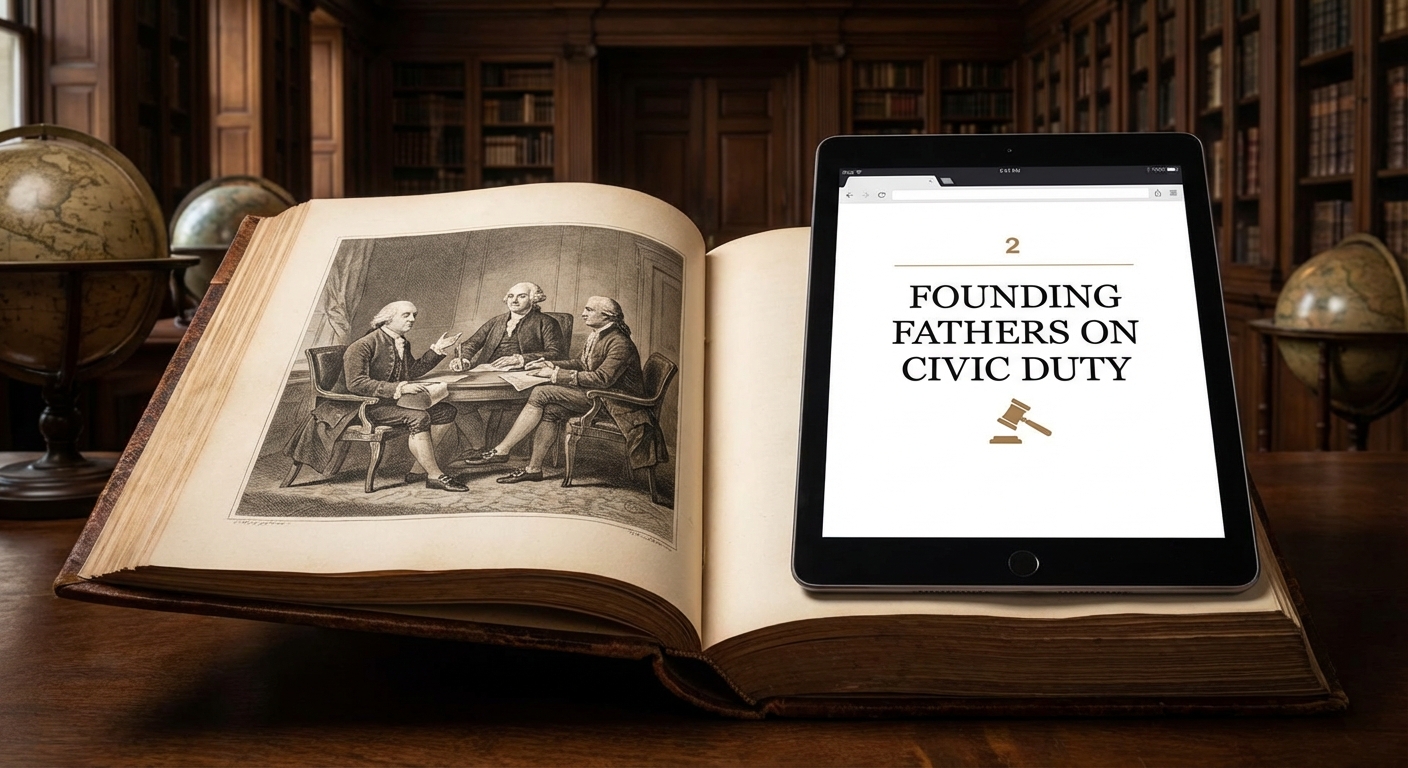
Founding Fathers on Civic Duty
The principles established by the Founding Fathers continue to shape our understanding of civic duty and responsibility. Their vision, rooted in popular sovereignty, federalism, separation of powers, and the rule of law , provides an enduring framework for governance. By reflecting on these...
Read more →Constitution and Property Rights
The historical and legal foundations of property rights have shaped the principles in the U.S. Constitution. Influenced by thinkers like John Locke and traditions such as English common law, these foundations emphasize property as a pillar of individual liberty. Understanding these roots is key to...
Read more →Constitution and Digital Rights
The Fourth Amendment stands as a critical guardian of personal privacy, especially in our increasingly digital world. As technology advances, the principles laid down by the founding fathers face new challenges and interpretations. Understanding how these constitutional protections apply to modern...
Read more →Presidential Impeachment Framework
Article II, Section 4 of the United States Constitution establishes the foundation for presidential impeachment. It states that the President, Vice President, and all civil officers of the United States can be removed from office upon impeachment and conviction for treason, bribery, or other high...
Read more →Magna Carta’s Influence on U.S. Constitution
The Magna Carta, born out of a conflict between King John of England and his barons in 1215, laid the groundwork for principles that continue to shape modern governance. Understanding its historical context and enduring influence helps us appreciate the foundational ideas that underpin our...
Read more →Constitution and Foreign Policy
The Constitution assigns distinct foreign policy roles to the executive and legislative branches. The President commands the military and negotiates treaties, often subject to Senate approval with a two-thirds majority required for treaty ratification. Congress declares war, regulates foreign...
Read more →Constitutional Whistleblower Protections
The Civil Service Reform Act of 1978 marked a pivotal step in protecting whistleblowers. This act aimed to enhance the efficiency of public service while safeguarding those who exposed wrongdoing. The creation of the Office of Special Counsel (OSC) was a significant part of this reform, established...
Read more →Can a President Be Removed for Incompetence?
Article II, Section 4 of the US Constitution states that the President, Vice President, and all civil officers of the United States shall be removed from office if impeached and convicted for "Treason, Bribery, or other high Crimes and Misdemeanors." The Constitution does not include incompetence...
Read more →26th Amendment: Voting Age Impact
The 26th Amendment exemplifies the adaptable nature of American democracy. From the need for young soldiers to have a say during wartime to ongoing discussions about further lowering the voting age, this amendment highlights the significance of youth involvement in shaping the nation's future. The...
Read more →