
The U.S. Constitution
Archival records, profiles, and educational resources since 1995.
Is DOGE Constitutional?
The United States Constitution grants Congress authority over federal spending, often called the “power of the purse.” Article I, Section 9 states, “No Money shall be drawn from the Treasury, but in Consequence of Appropriations made by Law.” Congress must enact laws to allocate any money...
Read more →Government Information Withholding
Trade secrets allow private companies partnering with the government to protect proprietary information. This exemption becomes crucial in sectors where innovation is rapid, and companies guard their formulas or techniques closely. Security and privacy issues also justify withholding information....
Read more →Trump’s Executive Order on JFK, RFK, MLK Files
President Donald Trump has signed an executive order for the declassification of files related to the assassinations of John F. Kennedy, Robert F. Kennedy, and Martin Luther King Jr. The order sets a timeline for officials to plan the release: 15 days to propose a plan for JFK files 45 days for RFK...
Read more →Fauci’s Security Detail Cut
President Donald Trump has terminated Dr. Anthony Fauci's federal security detail, igniting a heated debate. This decision is closely tied to Fauci's role as an advisor during the COVID-19 pandemic. Despite ongoing threats, Fauci now finds himself without federal protection and has opted to fund...
Read more →
Trump Preps Island for Migrants
President Donald Trump recently unveiled a controversial plan to repurpose a U.S. military base with a significant history. The initiative aims to accommodate 30,000 individuals deemed “criminal illegal aliens”. Trump highlighted the site’s current capacity and its role in strengthening...
Read more →EU VAT vs Import Tariffs
VAT (Value Added Tax) is a consumption tax applied at each stage of production or distribution. Businesses collect VAT for the government, passing the cost to consumers. It applies equally to imported and domestic goods. Import tariffs are direct taxes on foreign goods entering a country. They aim...
Read more →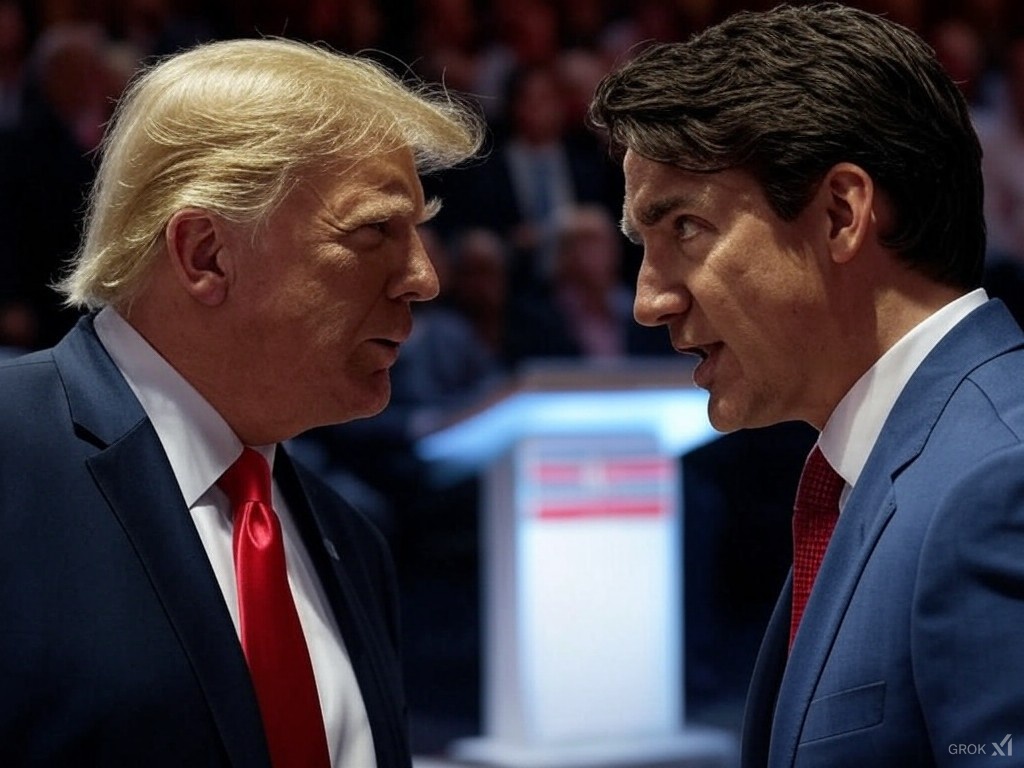
Trump’s Tariffs on Canada and Mexico
Donald Trump’s recent announcement has sent shockwaves through North American trade relations. The former president proposed a 25% tariff on all imports from Canada and Mexico , aiming to address illegal immigration and drug trafficking. This strategy mirrors economic sanctions often used to...
Read more →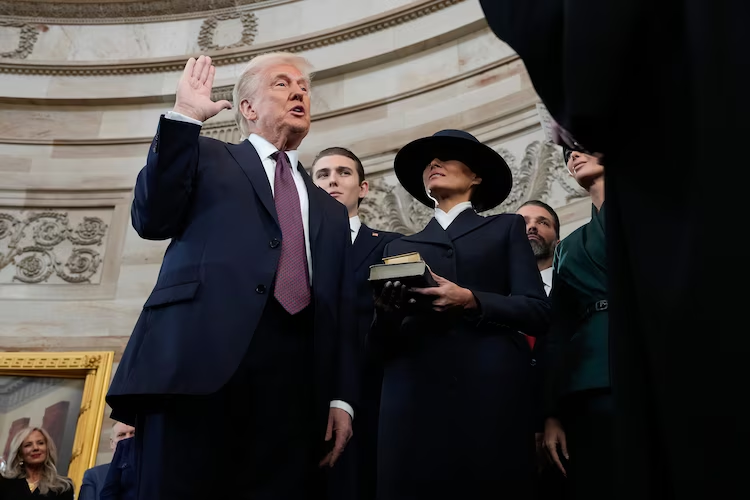
Trump Oath Not on Bible
In U.S. presidential inaugurations, the practice of using a Bible during the oath of office has been a longstanding tradition since George Washington’s first inauguration in 1789. However, the Constitution focuses on the oath’s words rather than props used during its recitation. Article II,...
Read more →Trump’s 2025 Inauguration Key Moments
Donald Trump took the oath as the 47th President of the United States, marking his return to power. In his inaugural address, he outlined his vision for America’s future, pledging to introduce a new era of prosperity, governance, and global respect. Key proposals from Trump’s speech included:...
Read more →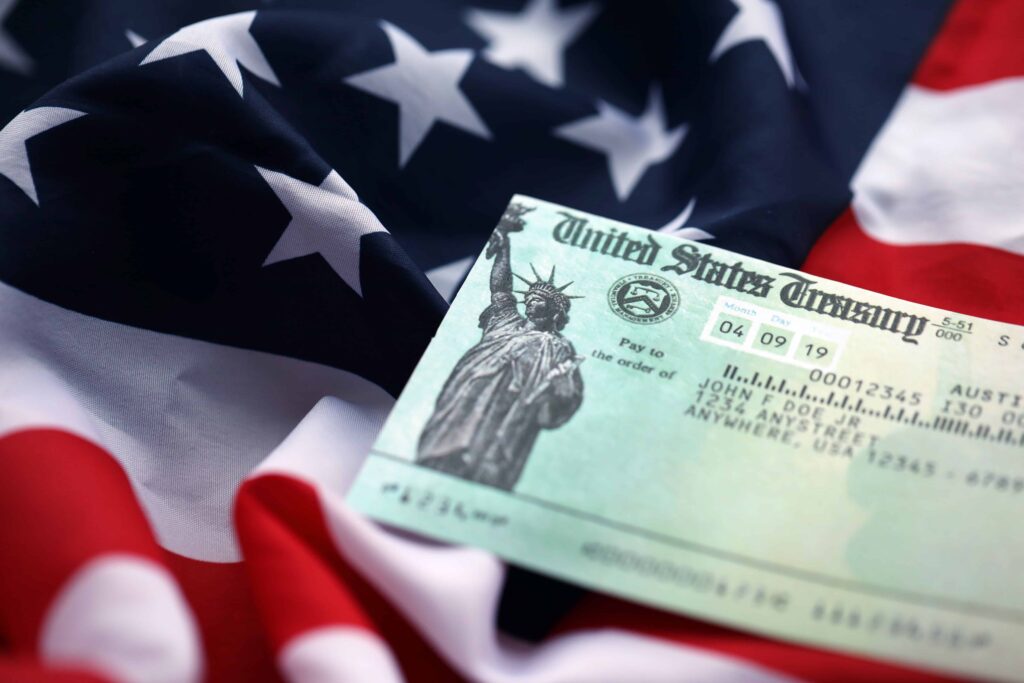
$1,400 Direct Deposits: Are You Eligible for the 2025 IRS Stimulus Payment?
[sc name=”adsense1″ ][/sc] Approximately 1 million Americans could receive $1,400 directly deposited into their bank accounts as part of the 2025 IRS stimulus program. This payment ties back to the 2021 Recovery Rebate Credit , designed to support those who missed earlier stimulus payments. If...
Read more →
Navigating VA Benefits for Spouses of Veterans: A Comprehensive Guide
[sc name=”adsense-2″ ][/sc] [sc name=”adsense-2″][/sc] As the spouse of a U.S. veteran, you may be entitled to a range of benefits provided by the Department of Veterans Affairs (VA). These benefits are designed to acknowledge the sacrifices made by military families and to offer support in...
Read more →Trump’s Birthright Citizenship Order
President Donald Trump's executive order aims to alter U.S. citizenship law by ending birthright citizenship. The order specifies that for a child to automatically be considered a U.S. citizen, at least one parent must be a U.S. citizen or a legal permanent resident. This policy targets children...
Read more →Trump’s Executive Actions List
The principles laid down by the Founding Fathers continue to guide our nation. The Constitution shapes policies that balance individual liberty with national interests. As we consider recent developments, it's important to reflect on how these align with the values of our constitutional republic....
Read more →Judge Blocks Trump Citizenship Order
President Donald Trump’s executive order aims to reshape birthright citizenship in the United States, targeting the long-standing interpretation of the 14th Amendment. This directive focuses on children born on U.S. soil to parents who are not citizens or lawful permanent residents. Trump argues...
Read more →Most Productive Presidential Starts
Franklin D. Roosevelt set the benchmark for productivity during a presidency's opening months. Elected amidst the Great Depression, FDR's first 100 days in 1933 were marked by unprecedented action. He implemented a series of bold initiatives: Declared a bank holiday to halt ruinous bank runs Took...
Read more →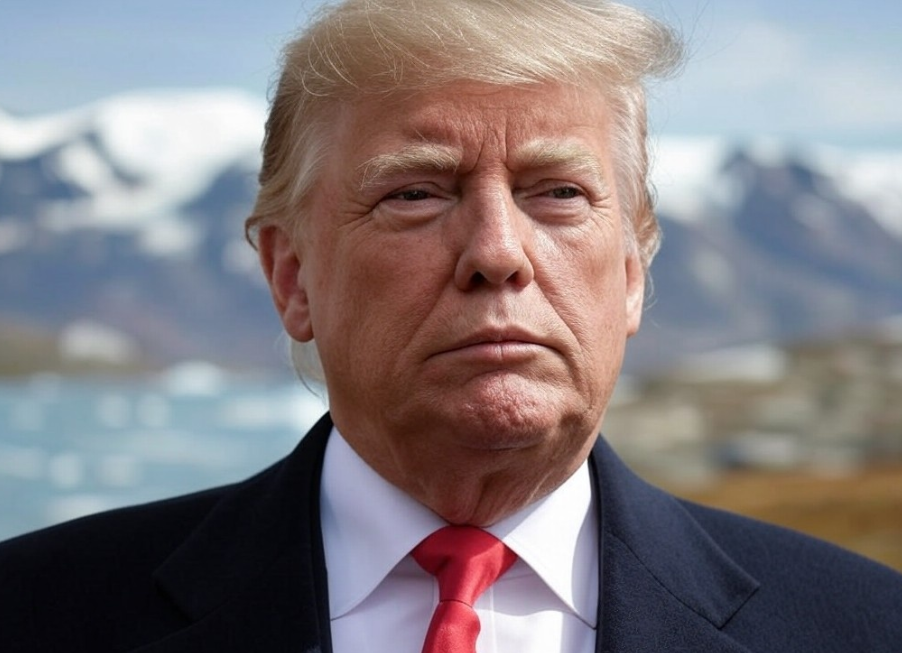
Make Greenland Great Again Act
The Make Greenland Great Again Act , introduced by Republican Congressman Andy Ogles, aims to authorize negotiations for acquiring Greenland. This legislation follows renewed interest from President-elect Donald Trump regarding the Danish territory. If passed, the bill would allow Trump to seek an...
Read more →
Watch for Trump’s 2025 Inauguration
The inauguration of Donald Trump marks a significant moment in America’s constitutional journey. This event reflects on the enduring principles guiding the United States while considering how these ideals will shape future governance. Rooted in tradition, this occasion invites contemplation on...
Read more →Iconic Inauguration Days
Inauguration Day in American politics represents both continuity and change, signifying the peaceful transition of power while adapting to the nation's needs. The first inauguration took place on April 30, 1789, with George Washington taking the oath in New York City. The Constitution initially set...
Read more →
Trump’s 2025 Day-One Agenda
In the landscape of American governance, the principles laid out by the Founding Fathers continue to guide contemporary policy discussions. As we consider various proposals and reforms, it is essential to reflect on how these align with the enduring values enshrined in our constitutional framework....
Read more →
Trump Ends CBP One App
On his first day as President, Donald Trump made good on his campaign promise to overhaul border policies by shutting down the CBP One App. This digital system, introduced in 2023, had allowed nearly 1 million migrants to lawfully enter the U.S. by scheduling appointments at border ports. Trump...
Read more →