
The U.S. Constitution
Archival records, profiles, and educational resources since 1995.
14th Amendment Crisis: Constitutional Challenges to Revoking Birthright Citizenship
The 14th Amendment, ratified in 1868, addressed the challenge of defining citizenship after the Civil War. It aimed to overturn the 1857 Dred Scott decision, which had denied citizenship to people of African descent. The amendment’s language extended citizenship to “all persons born or...
Read more →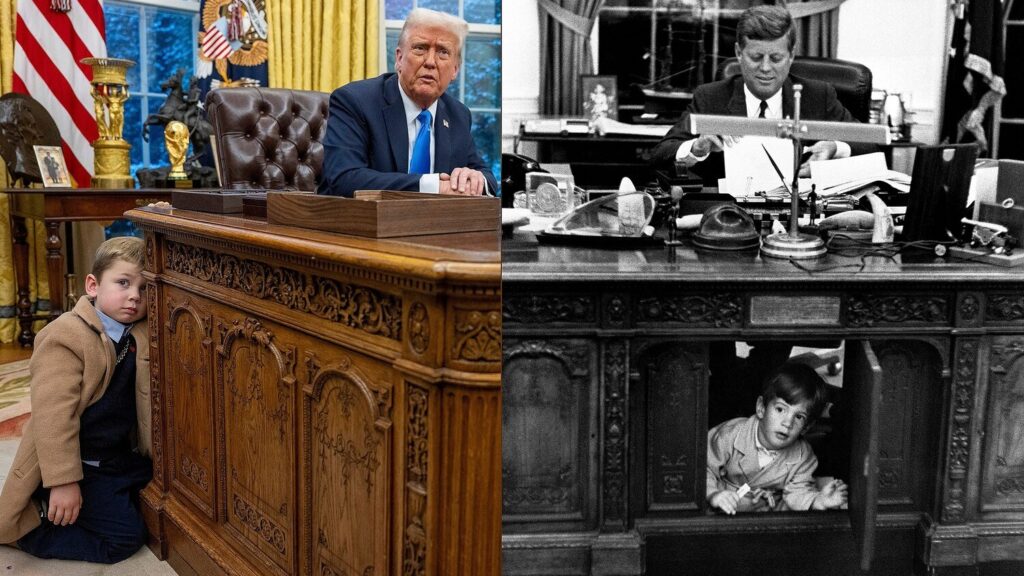
Gold in Trump’s Office
Presidents often personalize the Oval Office with meaningful artifacts. In President Trump’s case, a notable addition is a shining gold trophy. This golden ornament raises questions: what is it and why display it? The replica’s presence carries deeper meaning. As the U.S. prepares to host most...
Read more →Trump Spending Freeze Authority
The Constitution assigns Congress the power of the purse, as outlined in Article I. This means Congress, not the President, decides where federal dollars go—a critical point ensuring that one branch can't dominate the cash flow. Past presidents have occasionally tried to exert control over...
Read more →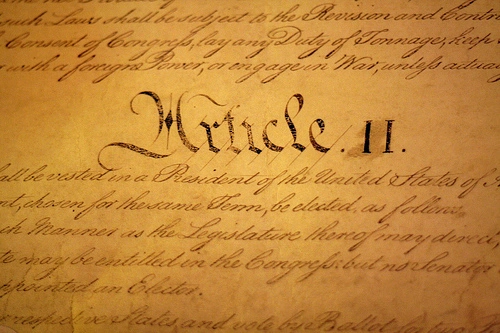
Does The Constitution Even Mention Executive Orders?
Few tools in the president’s arsenal generate as much debate as the executive order. With the stroke of a pen, presidents can shape national policy, bypass legislative gridlock, and set the course for government action. But where does this power come from—and more importantly, where does it...
Read more →Constitutional Concerns: Trump’s Buyout
President Trump's proposed federal employee buyout plan raises significant constitutional and legal questions: Potential conflict with the Anti-Deficiency Act, which prohibits federal spending beyond congressional appropriations Questions about compliance with Administrative Procedure Act...
Read more →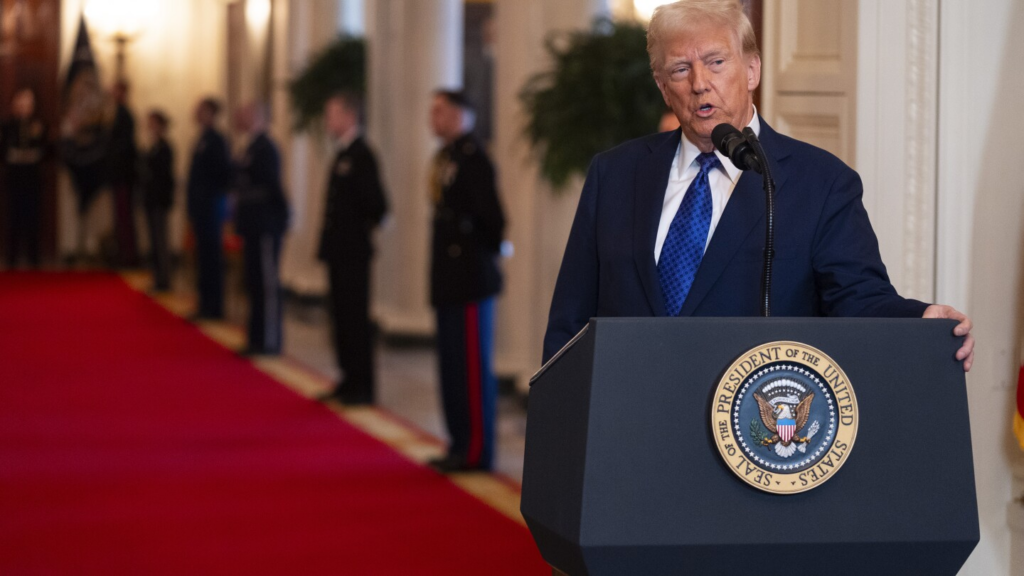
The Constitutional Fight Over Trump’s Spending Freeze
The recent clash between the judiciary and the executive branch over federal spending reveals a fundamental issue with constitutional implications. U.S. District Judge John J. McConnell Jr. found himself at the center of this controversy when he declared that the Trump administration was defying...
Read more →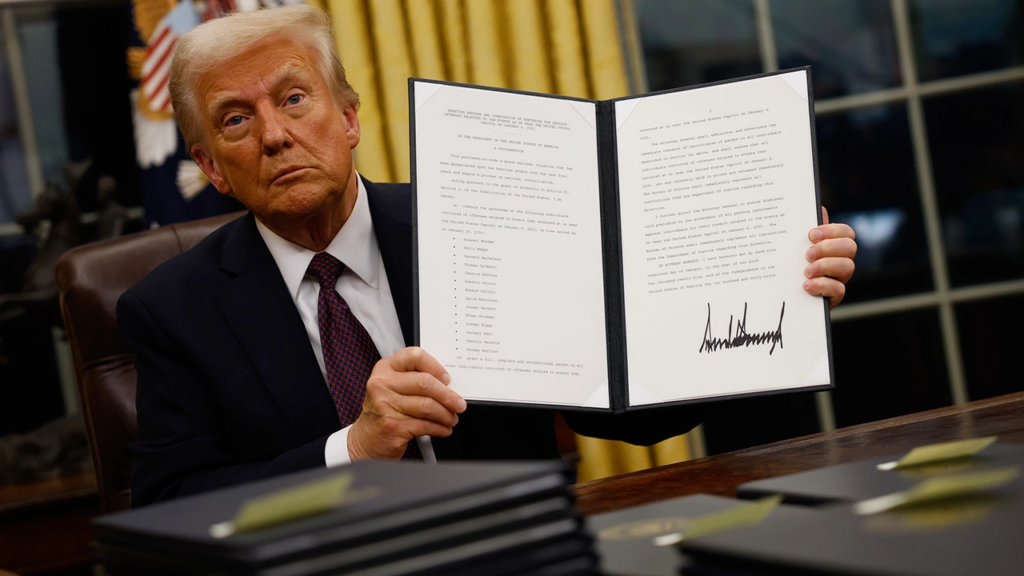
Trump’s Executive Orders: Legal Analysis
As the Trump administration issues sweeping directives—from freezing federal funds to redefining citizenship—the debate over executive power has never been more urgent. For some, these orders are a necessary response to political gridlock, allowing the president to enforce policies that...
Read more →NGOs and Constitutional Boundaries
Non-governmental organizations (NGOs) are independent entities operating outside government influence. They address societal needs like: Human rights Environmental conservation Health care Education NGOs aim to fill gaps where government action may be insufficient or alternative perspectives are...
Read more →USAID Shutdown Impact
The Trump administration's decision to halt operations at the U.S. Agency for International Development (USAID) has ignited controversy. This move aims to save taxpayer money and prioritize American interests. Secretary of State Marco Rubio argues that USAID has functioned more like a global...
Read more →Trump’s First 14 Days in 2025
President Trump issued pardons to nearly all individuals convicted for their involvement in the January 6 Capitol events. This action aligns with his goals of justice system reform and addresses what he perceives as misuse of the system against political opponents. The pardons reunited many...
Read more →Trump Suggests US Takeover of Gaza
President Donald Trump's recent suggestion to take over the Gaza Strip and transform it into a "Riviera of the Middle East" has sparked significant reaction. During a press conference with Israeli Prime Minister Benjamin Netanyahu, Trump proposed: U.S. ownership of Gaza Reconstruction and...
Read more →Are We Witnessing a Constitutional Crisis?
A presidency reshaping the boundaries of power. A Congress struggling to assert its authority. A judiciary caught in the middle. Are we witnessing a necessary course correction in government efficiency—or the early signs of a constitutional unraveling? The U.S. Constitution, guided by Article I,...
Read more →Judge Blocks Musk Access to Treasury Data
A contentious legal dispute is brewing between labor unions, tech mogul Elon Musk, and the U.S. Treasury Department. The American Federation of Government Employees (AFGE), the Service Employees International Union (SEIU), and the Alliance for Retired Americans have initiated a lawsuit against the...
Read more →Top Effects of Trump’s New Tariffs
U.S. consumers may see higher car prices due to tariffs on automotive imports from Mexico and Canada. In 2023, these imports totaled $106 billion. A 25% tariff could raise the average new car price by $3,000 , according to TD Economics. This adds to an already expensive market where new cars...
Read more →Trump’s Ukraine Rare Earth Demand
President Donald Trump has proposed a strategic move linking ongoing U.S. aid to Ukraine's fight against Russia with gaining access to Ukraine's rare earth materials. This approach showcases both a strategic and economic initiative, recognizing these elements' critical role in modern technology....
Read more →Panama Ends China Canal Deal
U.S. Secretary of State Marco Rubio delivered a firm message to Panamanian President José Raúl Mulino, emphasizing concerns over Chinese influence in the Panama Canal area. The United States views the Chinese presence, primarily through the Belt and Road Initiative, as worrisome for the strategic...
Read more →Canada Agrees to Security Measures
President Trump has announced a decision to impose tariffs, affecting economic relations with Canada, Mexico, and China. He proposed: 25% tariffs on imports from Canada and Mexico 10% tariff on Chinese goods This move has stirred economic concerns among various stakeholders. Economists and business...
Read more →Mexico Border Security Deal
The U.S.-Mexico agreement to strengthen border security emerged from negotiations with tariffs as leverage. Under this accord, Mexico deployed about 12,000 National Guard members, primarily soldiers and military police, to its southern border. Their objective was to reduce northward migration...
Read more →Trump’s First 14 Days: Key Accomplishments
President Trump visited the CIA headquarters early in his presidency to mend relations with the intelligence community. This visit aimed to: Showcase a commitment to national security Rebuild trust with the agency Emphasize the importance of the CIA Reassure employees of his support The engagement...
Read more →Trump’s Top 14 Accomplishments In First 14 Days
Policy & Timeline: Within hours of taking office in January 2025, President Trump moved to restore border security by restarting construction of the border wall and overhauling asylum policies foxnews.com . His Day-One executive orders reversed Biden-era practices and reinstated stricter...
Read more →