
The U.S. Constitution
Archival records, profiles, and educational resources since 1995.
Impeachment of Judge Bates Over Gender-Affirming Care
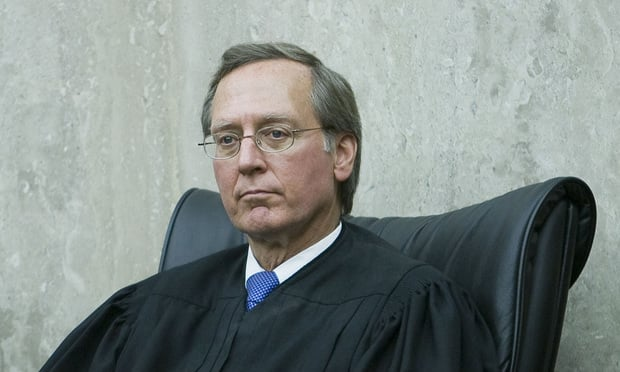
Rep. Andy Ogles has introduced impeachment articles against Judge John Bates, focusing on Bates’ recent ruling. Ogles claims Bates overstepped by ordering the Centers for Disease Control (CDC), Department of Health and Human Services (HHS), and Food and Drug Administration (FDA) to restore online...
Read more →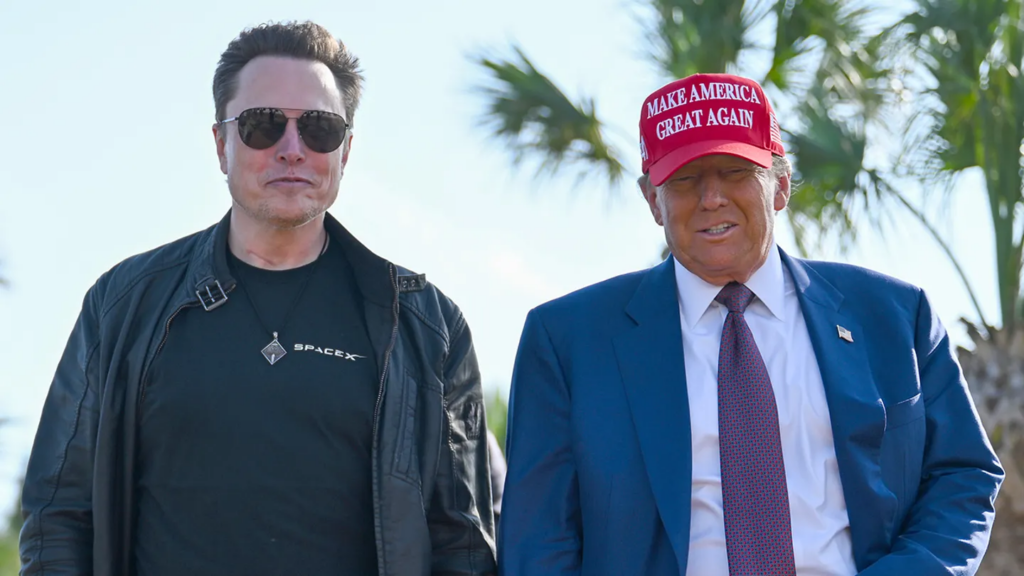
Email or Resign: Federal Employees Face Forced Reporting
Elon Musk has launched a controversial program requiring all federal employees to submit weekly productivity reports. The initiative aims to: Streamline government operations Maximize efficiency Bring transparency to the federal workforce Workers must detail their activities in a weekly email to...
Read more →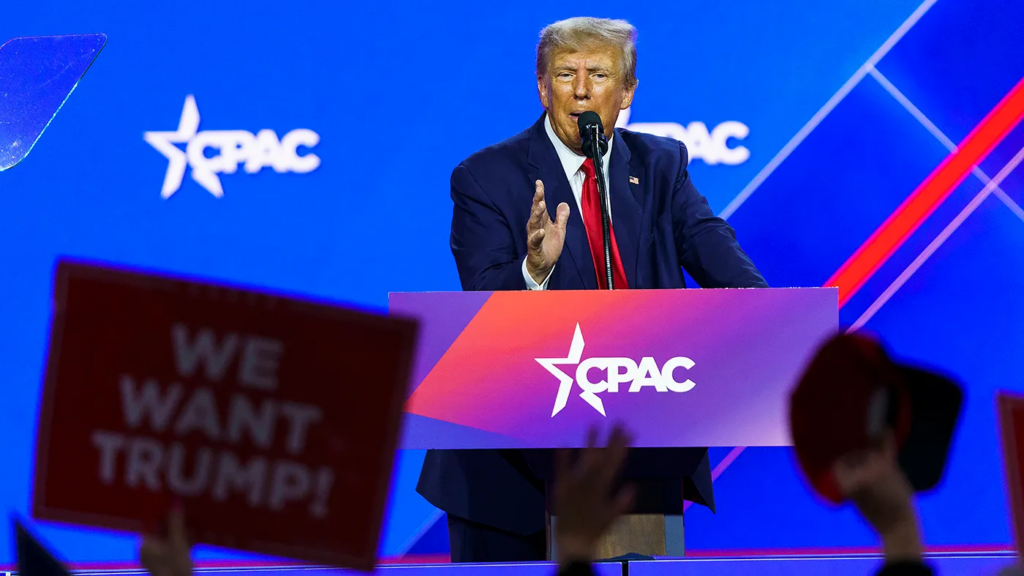
CPAC Sets the Stage for a Radical Patriotic Turn
Donald Trump’s speech at the Conservative Political Action Conference (CPAC) laid out his vision for a potential new presidential term. He addressed several key points: Criticism of Biden administration policies , particularly their handling of the Ukraine conflict and foreign aid distribution...
Read more →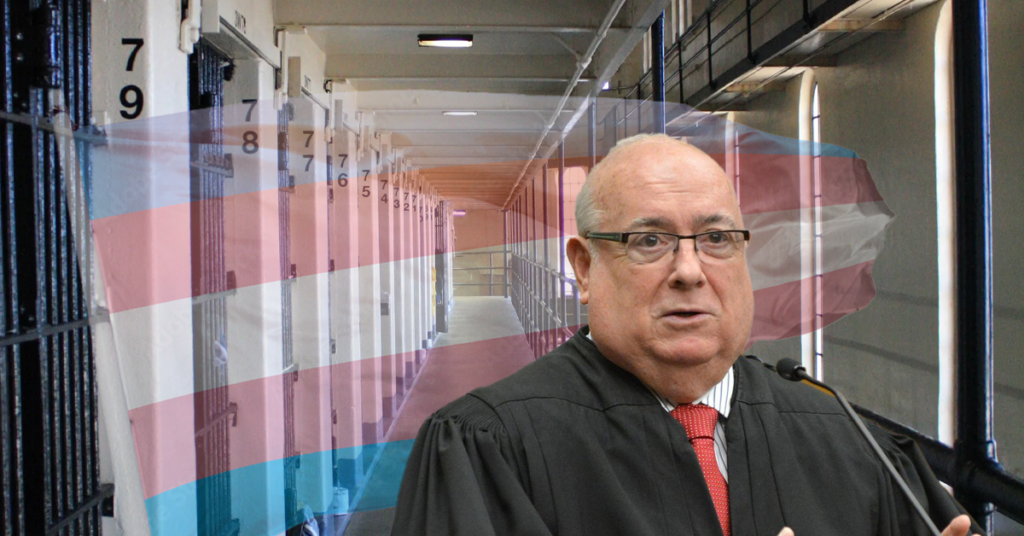
Federal Judge Blocks Transfer of Transgender Inmates, Citing Constitutional Protections
In a significant constitutional challenge to President Donald Trump’s executive orders on transgender rights, a federal judge on Monday issued a preliminary injunction blocking the Department of Justice (DOJ) from transferring 12 transgender female inmates to male prison facilities. The decision...
Read more →
How Apple Mega Investment Threatens the Free Market
Apple’s recent $500 billion investment pledge into the U.S. economy over the next four years is a significant move. This investment includes: Building an AI server production line in Houston Partnering with Taiwan Semiconductor Manufacturing Co. (TSMC) to increase advanced silicon production in...
Read more →
Is Congress Losing Its Power of the Purse to Trump’s Budget Demands?
President Donald Trump has endorsed a House budget plan that aims to increase funding for: Border security The judiciary National defense These goals align closely with his agenda. The plan proposes cutting at least $1.5 trillion in other areas. House Republicans are eager to push it through, but...
Read more →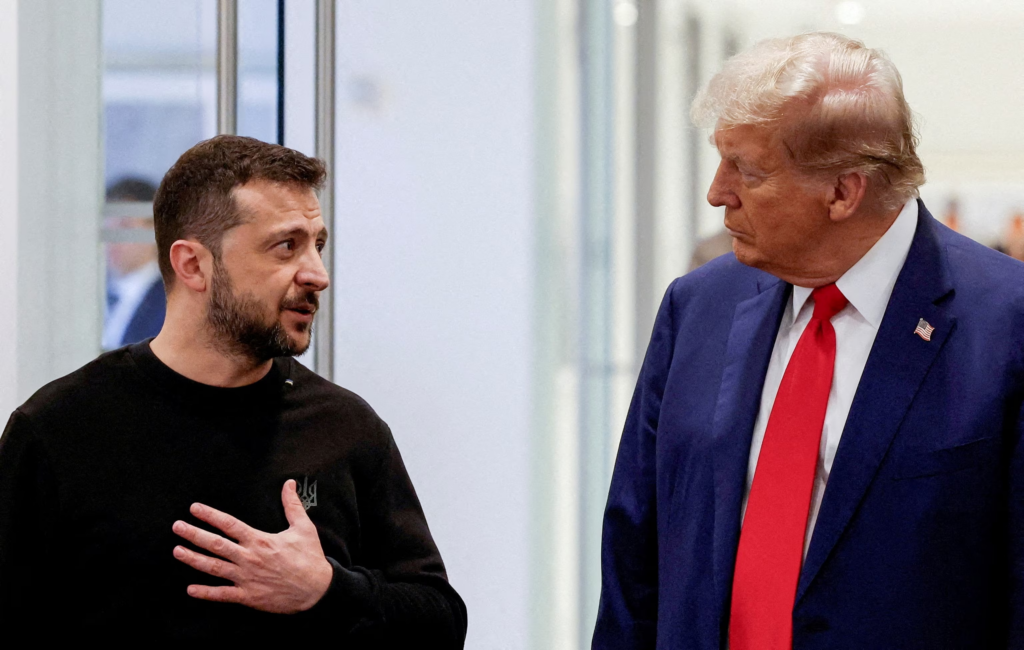
Is It Constitutional for the U.S. to Demand Repayment from a War-Torn Ally?
The Constitution allocates power between branches of government for foreign aid and international agreements. Congress has primary authority to regulate foreign commerce, while the President negotiates treaties subject to Senate ratification. This system of checks and balances ensures neither...
Read more →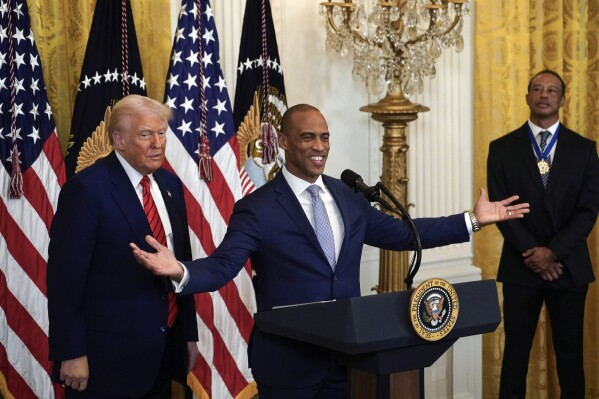
Trump’s Black History Month Event
President Donald Trump marked Black History Month with an event in the White House East Room. Notable attendees included: Senator Tim Scott Representative John James Tiger Woods Trump welcomed guests and praised Black Americans’ contributions to the country. However, the celebration contrasted...
Read more →
Trump’s First Month Achievements
In a political landscape fraught with shifting alliances and economic uncertainty, President Trump’s return to the White House has reignited debates over what true American leadership looks like. Is it decisive action that cuts through bureaucratic red tape, or a return to foundational values...
Read more →
Mangione Case: Defense Challenges Unconstitutional Practices
Luigi Mangione’s legal proceedings have taken a contentious turn as his defense attorney, Karen Friedman Agnifilo, raises significant concerns over potential constitutional rights violations during evidence collection. The core of her argument centers on search and seizure issues that emerged...
Read more →
Does the Crowley Firing violate the Mandate for Public Safety?
Mayor Karen Bass fired LAFD Fire Chief Kristin Crowley following the January wildfires. Bass cited two key reasons for dismissal: Crowley’s decision to send 1,000 firefighters home on the first day Refusal to produce an after-action report Crowley had previously highlighted chronic staffing...
Read more →Is Trump’s IVF Order Effective?
President Trump's recent executive order on in vitro fertilization (IVF) has ignited discussion in political circles. While presented as an initiative to expand access and lower costs of IVF, the order's immediate impact falls short of expectations. The order instructs a domestic policy aide to...
Read more →
New ICE Direction Controversy
The Trump administration is implementing significant changes at U.S. Immigration and Customs Enforcement (ICE). At the center of this internal reorganization is Caleb Vitello , chosen by former President Trump to enhance ICE’s enforcement strategies. Vitello brings 23 years of ICE experience,...
Read more →
Lawsuits Against Trump Administration
The Trump administration is grappling with over 70 lawsuits challenging various executive orders since January 20, 2025. One particularly contentious order, titled “Protecting the Meaning and Value of American Citizenship,” has sparked numerous legal actions. A diverse coalition of groups has...
Read more →
Top 8 Presidential Desks
George Washington used a writing desk in Federal Hall, New York City, that exemplified early American craftsmanship. This desk, possibly used for addressing some of the nation’s earliest challenges, serves as a tangible link to the foundational era of the United States. After Federal Hall’s...
Read more →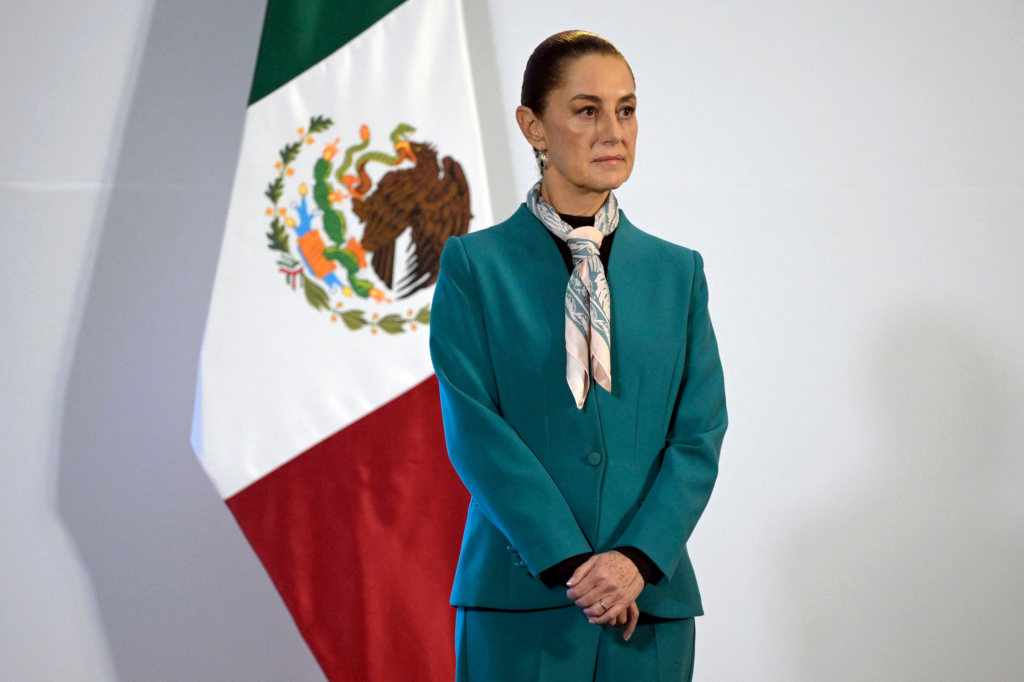
Can the US Call Cartels Terrorists Without Violating Sovereignty?
Mexican President Claudia Sheinbaum’s response to the United States describing cartels as terrorist groups highlights important legal and political issues. Sheinbaum opposed external interference , citing Mexico’s refusal to allow foreign agents free rein. This underscores a key constitutional...
Read more →Can the U.S. Legally Exit the United Nations?
The U.S. Constitution doesn’t directly address withdrawal from international organizations like the UN. It grants treaty-making powers to the President, with Senate approval required. The process of leaving such treaties or commitments is less clear. Historical precedents show varied approaches...
Read more →Senate’s Crucial Role in Confirming Director Roles
The Senate's duty to advise and consent on presidential nominations is a key feature of our constitutional republic. This process helps maintain the independence necessary for upholding the law, especially for positions like FBI Director. During confirmation hearings, Senators examine nominees'...
Read more →Origins of Presidents Day
Every February, Americans enjoy a long weekend in honor of Presidents Day—but why exactly do we celebrate it? While many associate the holiday with sales and discounts, its origins run much deeper in American history. Rooted in the early years of the republic, the day has evolved over time,...
Read more →
What’s the Difference Between Political Appointees and Career Politicians?
Presidents set the agenda, appointing allies to key positions to drive their policies forward. But behind the scenes, career government officials remain in place, outlasting elections and steering the system from within. Are these longtime bureaucrats protecting institutional stability – or...
Read more →