
The U.S. Constitution
Archival records, profiles, and educational resources since 1995.
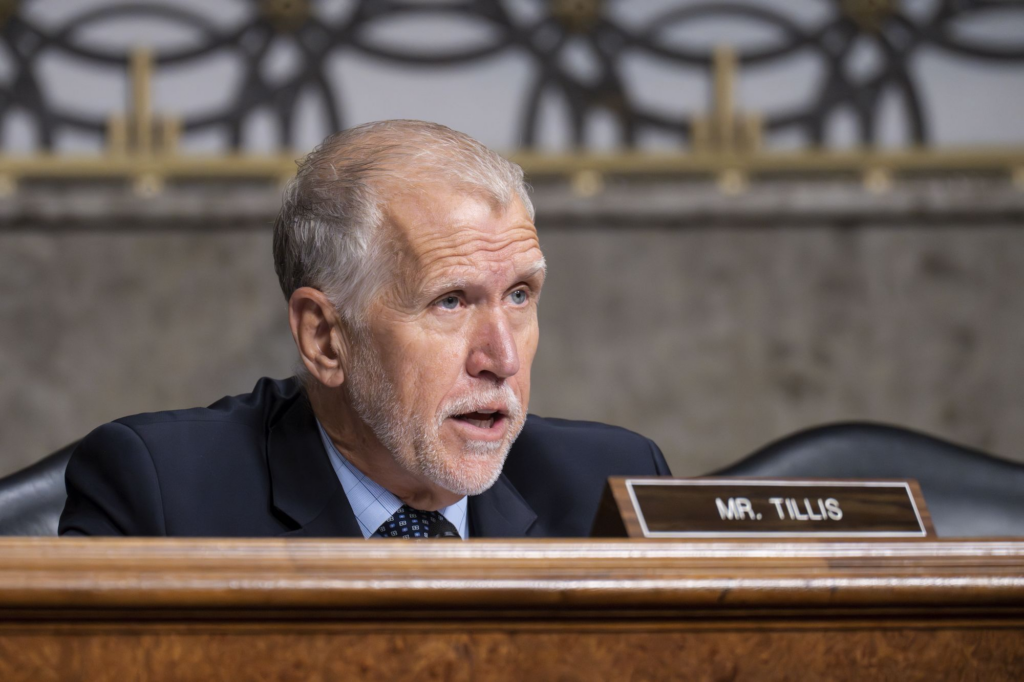
‘Complete, utter disaster’: GOP Divides on Trump’s Ukraine Strategy
President Trump’s approach to Ukraine’s minerals has lawmakers on both sides questioning its viability. Concerns about the lack of a strong security guarantee for Ukraine persist. Senator Thom Tillis emphasizes the importance of robust security guarantees for American companies to invest in...
Read more →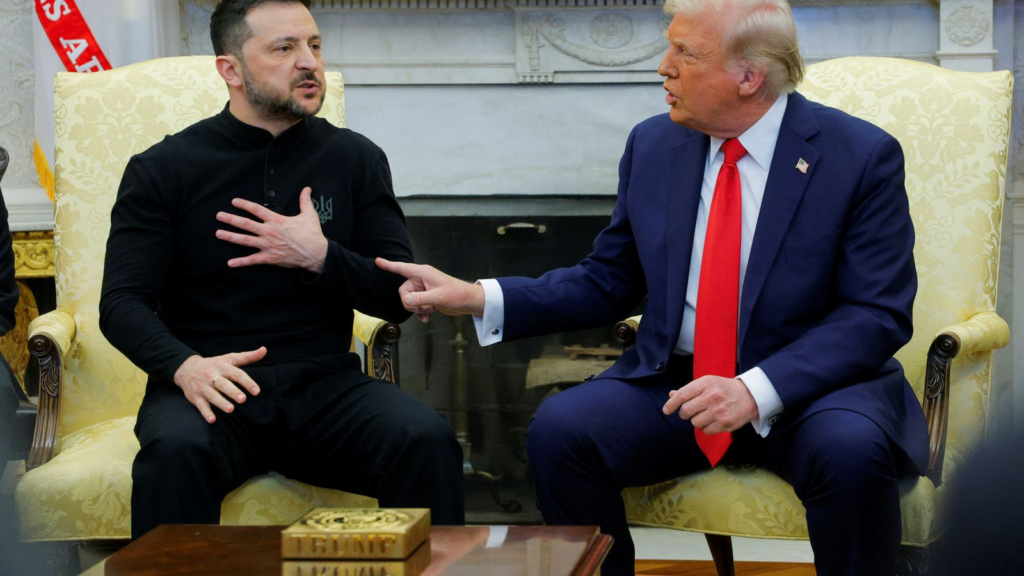
Mineral Deal Collapses After Oval Office Clash
President Donald Trump and Ukrainian President Volodymyr Zelenskyy’s meeting in the Oval Office descended into a heated confrontation, derailing plans for a potential mineral deal and straining U.S.-Ukraine relations. The encounter, meant to discuss U.S. support for Ukraine and a proposed...
Read more →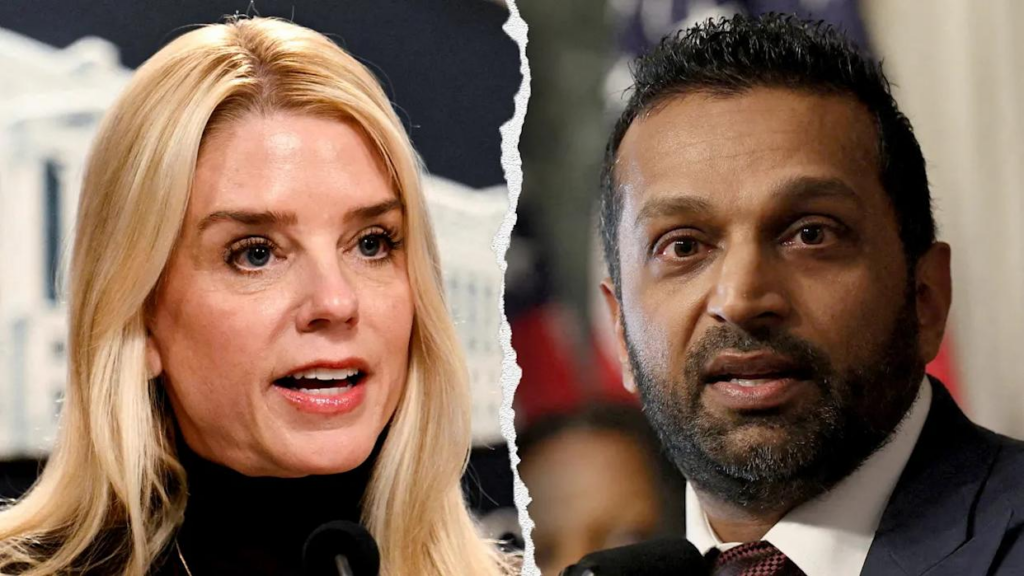
AG Demands Full Epstein Files
Attorney General Pam Bondi has written a pointed letter to FBI Director Kash Patel regarding the Jeffrey Epstein case. Her main concern is the alleged withholding of thousands of pages of documents , as she received only about 200 pages. Bondi believes federal investigators failed to disclose...
Read more →
Judiciary’s Workplace Abuse Revealed
Carrie Johnson’s NPR podcast investigation into the U.S. judiciary has uncovered a troubling pattern of workplace harassment claims. Over two dozen judges have been implicated in abusive behavior, ranging from bullying to hostile conduct. Employees within the judicial system report an atmosphere...
Read more →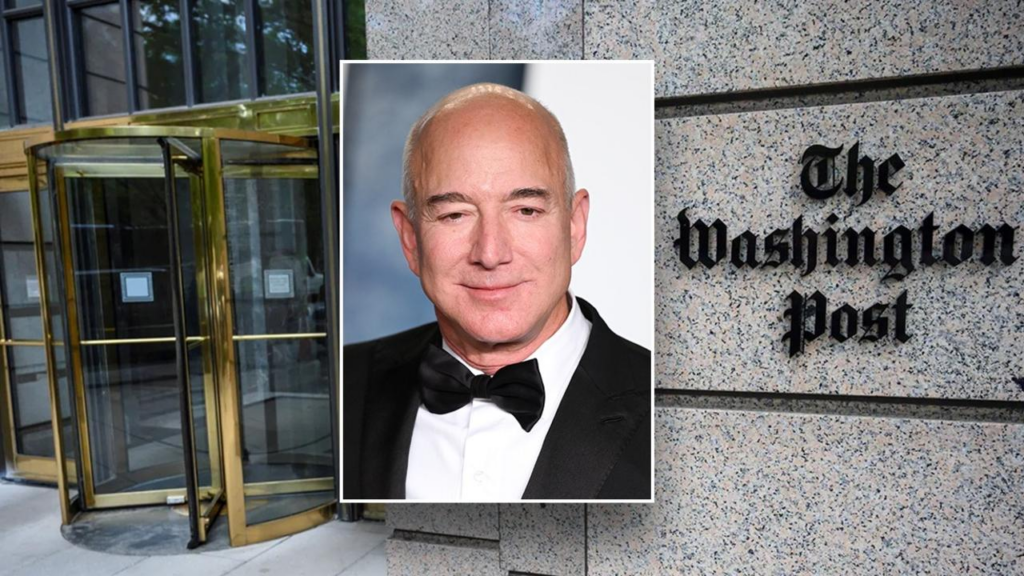
Is Bezos rewriting the First Amendment?
The Founding Fathers enshrined press freedom in the First Amendment to protect journalism from government control—but what happens when the threat isn’t from Washington, but from billionaires shaping the news to fit their own vision? Jeff Bezos’ latest shake-up at The Washington Post...
Read more →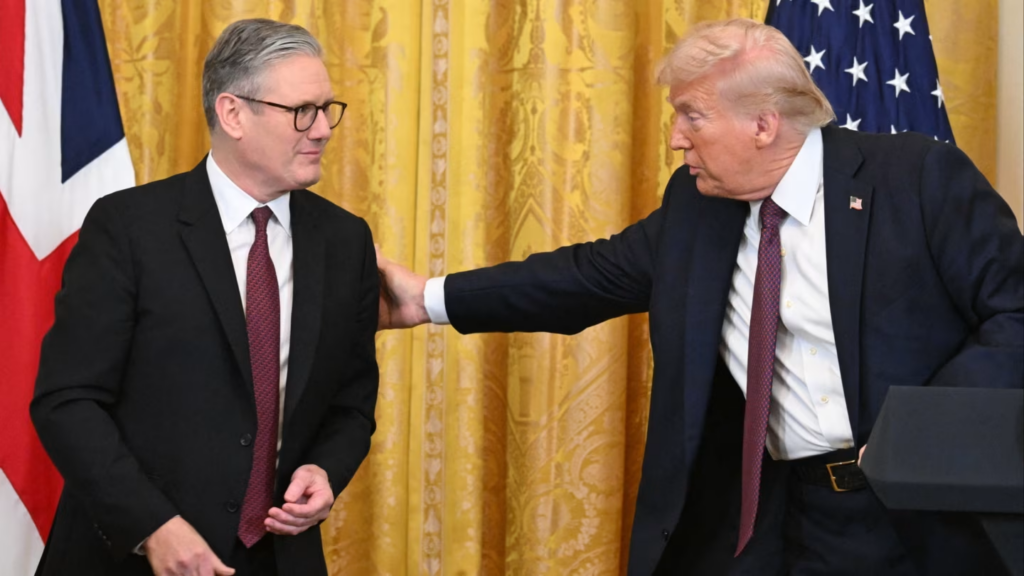
UK Leader Warns Against Rushing Ukraine Deal
President Trump and Prime Minister Keir Starmer recently convened at the White House to deliberate on a potential cease-fire agreement in Ukraine. Their perspectives on Russian President Vladimir Putin differed notably: Trump expressed confidence based on past dealings Starmer advocated caution...
Read more →
Would FAA Contract For Starlink Be A Conflict Of Interest?
Elon Musk’s Starlink is pursuing a significant role in the Federal Aviation Administration’s (FAA) communication systems, potentially replacing Verizon. Musk has raised concerns about the effectiveness of Verizon’s aging systems. The transition is being tested under a program named TDMX, with...
Read more →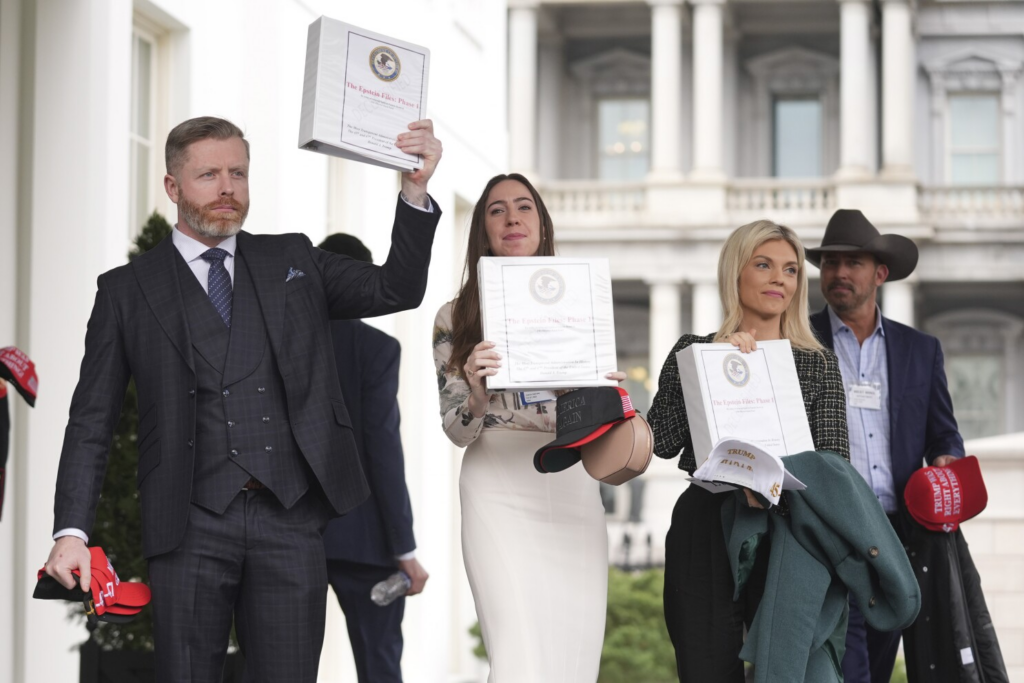
Who Gets to See Classified Docs First
The release of classified documents to individuals before Congress or the public is complex and uncommon. Precedents generally allow classified material to be withheld from public release to protect national security, with congressional oversight providing a legal avenue for review. The Epstein...
Read more →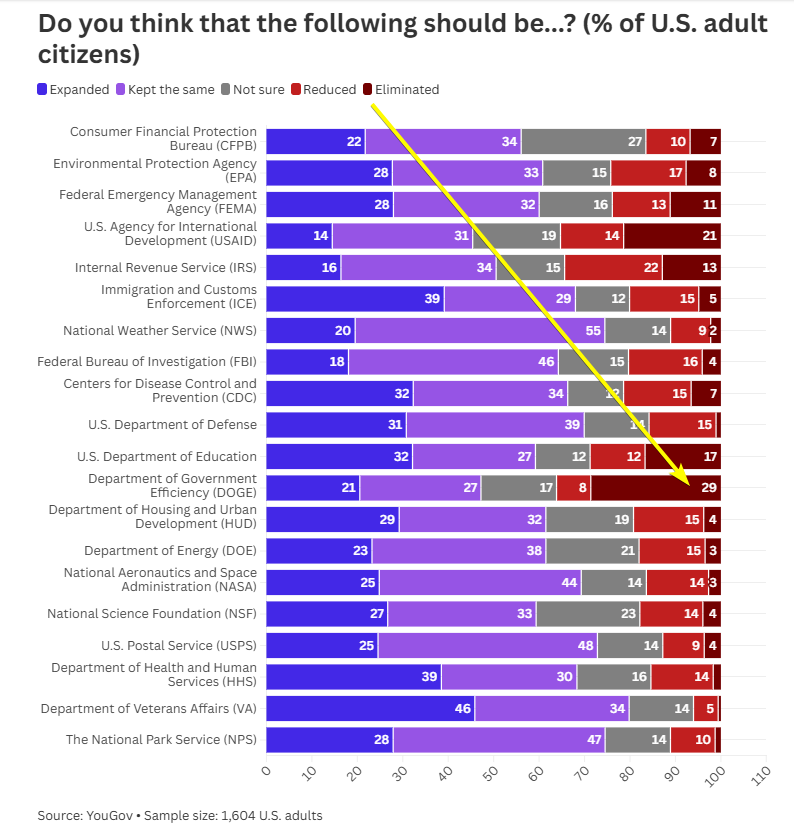
Doge Support Decline
Recent polls indicate declining support for the Department of Government Efficiency (DOGE), led by Elon Musk. A YouGov survey of 1,604 U.S. adults from February 23-25 revealed: An increase from 34% to 37% in respondents wanting to reduce or eliminate DOGE 29% recommended eliminating DOGE entirely...
Read more →
Can the U.S. Be Forced Into War by NATO?
NATO serves as a collective defense mechanism where an attack against one member is considered an attack against all. Donald Trump has questioned these obligations, particularly regarding Ukraine. During recent confrontations, Trump criticized Ukrainian President Volodymyr Zelensky, calling him...
Read more →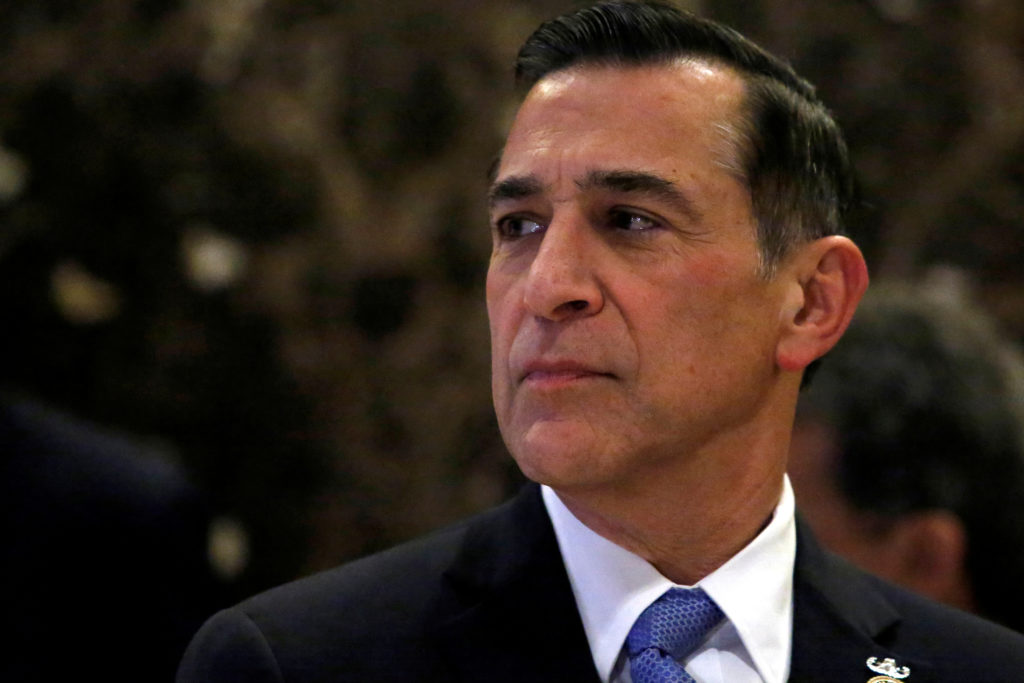
Echoing the Founders’ Vision, Issa introduces NORRA
Rep. Darrell Issa has introduced the No Rogue Rulings Act (NORRA), aimed at limiting the authority of federal judges in issuing nationwide injunctions. This bill addresses what Issa considers judicial overreach that impedes President Trump’s political agenda. Issa argues that judges’ ability to...
Read more →
Gold Card Visa: Should money buy you citizenship?
President Donald Trump has introduced a groundbreaking initiative called the “Gold Card,” offering a path to U.S. residency and eventual citizenship for investors willing to pay $5 million . This ambitious program aims to attract substantial financial contributions from wealthy individuals...
Read more →
6 Times Progressives Defied Presidential Power
The judiciary was designed to be impartial, yet history has shown that some judges have pushed beyond their constitutional role, injecting politics into the bench. Now, as impeachment proceedings against judges gain momentum, the question arises: Are these necessary checks on judicial overreach, or...
Read more →
CDC Attends WHO Conference Defying Order
The Centers for Disease Control and Prevention (CDC) recently took part in a World Health Organization (WHO) conference, seemingly defying President Donald Trump’s executive order to halt U.S. communication with the WHO. This order aimed to: Hold the agency accountable for its handling of the...
Read more →
Divided Opinions Inside Trump’s First Cabinet Meeting
President Donald Trump opened his first Cabinet meeting of the second term with Elon Musk in attendance. Musk’s presence highlighted his role in leading the Department of Government Efficiency (DOGE) . His attendance underscored Trump’s inclination to integrate private sector leadership into...
Read more →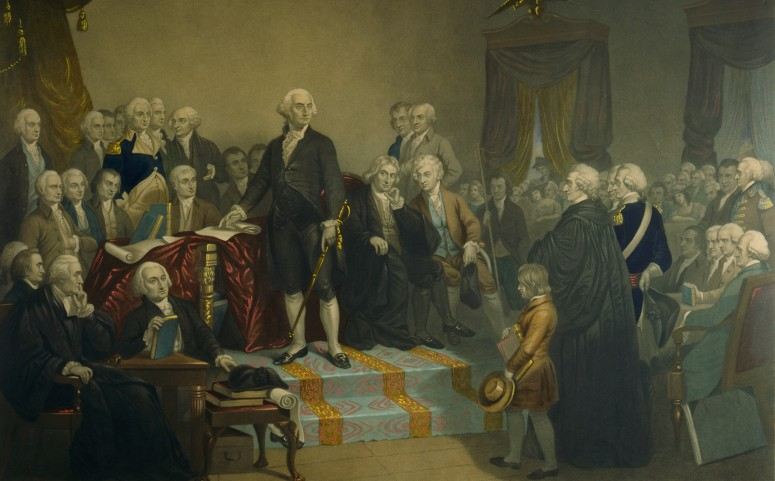
Hamilton vs. Jefferson: The Cabinet Meeting That Started It All
George Washington established the Cabinet in 1789, relying on his judgment to assemble a group of advisors to shape America’s path. Alexander Hamilton joined as Secretary of the Treasury, Thomas Jefferson as Secretary of State, and Henry Knox as Secretary of War. Edmund Randolph served as...
Read more →
Does Rising Crime Warrant Federal Control Over D.C.?
President Donald Trump envisions a federal takeover of Washington, D.C. to address crime and leadership issues. He proposes leveraging D.C.’s unique constitutional status to allow federal governance of the District. Trump argues this approach could tackle: Crime Graffiti Homelessness These...
Read more →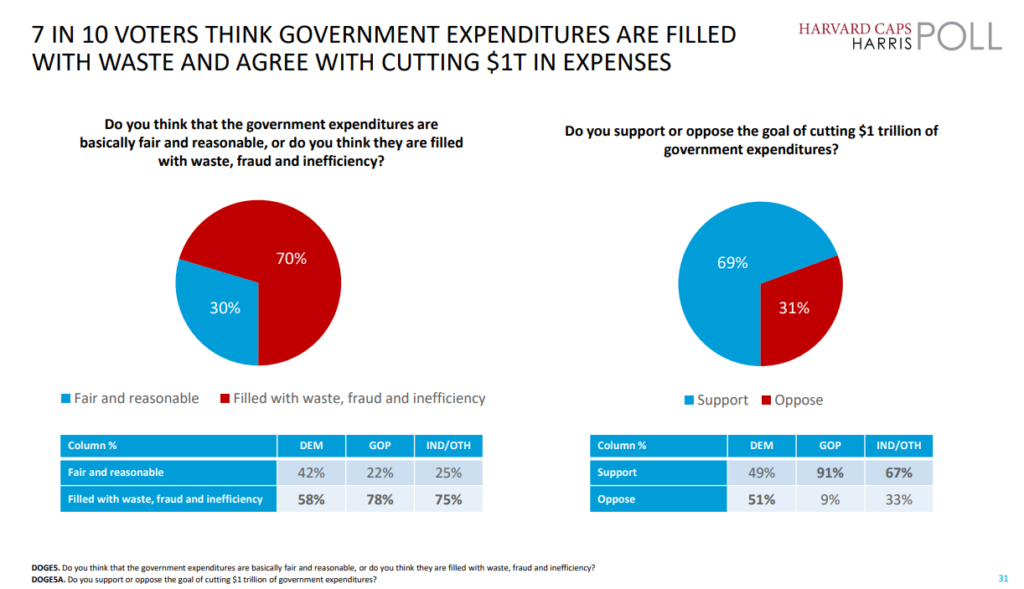
7 in 10 Voters Support $1T DOGE Spending Cuts
Government spending is under intense scrutiny, with a widespread belief that it’s wasteful and inefficient. The Harvard CAPS-Harris poll reveals a striking statistic: 7 in 10 people support cutting $1 trillion from the budget . This sentiment crosses political lines: 58% of Democrats 78% of...
Read more →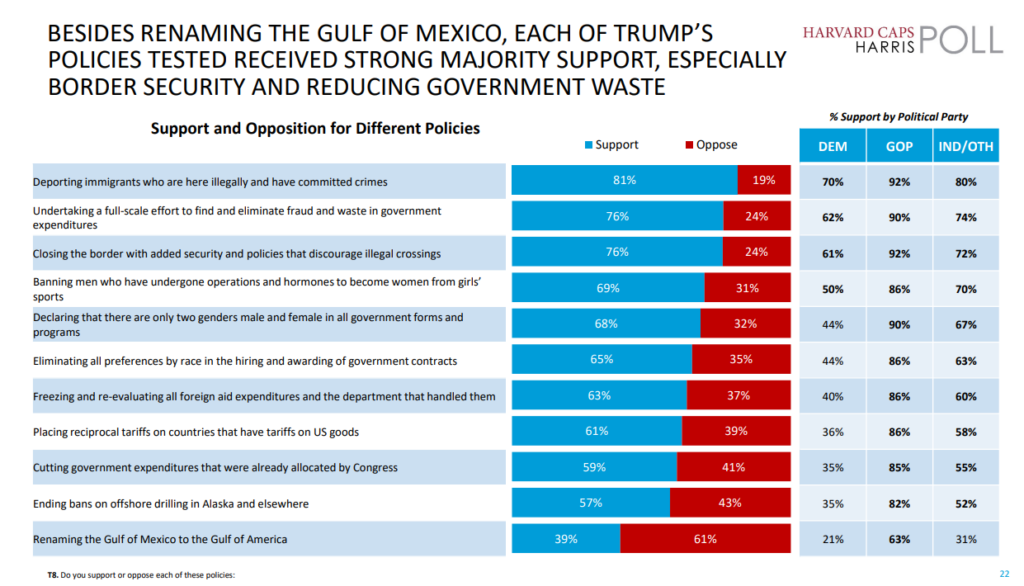
Trump’s Policies Receive Strong Majority Support
Eliminating waste and fraud in government policies stands out as the people’s choice, with 87% in favor . Equally favored is the deportation of illegal immigrants not pursuing citizenship, with 81% support . These numbers reflect a strong public mandate for strict border management. Closing the...
Read more →55% of Voters Agree with Unconditional Birthright Citizenship
The Harris Poll reveals a prevailing belief among Americans regarding birthright citizenship. 63% believe the Constitution mandates citizenship for anyone born in the United States , including children of illegal immigrants. This view is rooted in the 14th Amendment’s wording. Support varies...
Read more →