
The U.S. Constitution
Archival records, profiles, and educational resources since 1995.
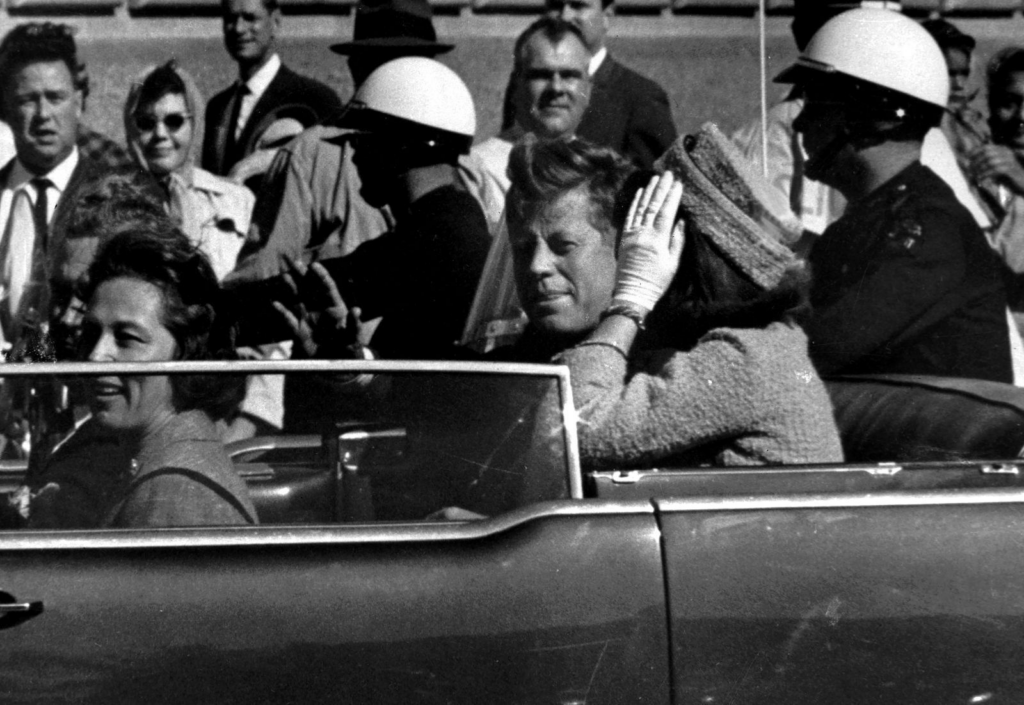
Congress Goes After Unresolved Questions in JFK Files Hearing
The assassination of President John F. Kennedy remains a widely discussed topic in American history. The upcoming congressional hearing by the House Task Force on the Declassification of Federal Secrets, led by Rep. Anna Paulina Luna, will examine newly declassified documents. Notable figures like...
Read more →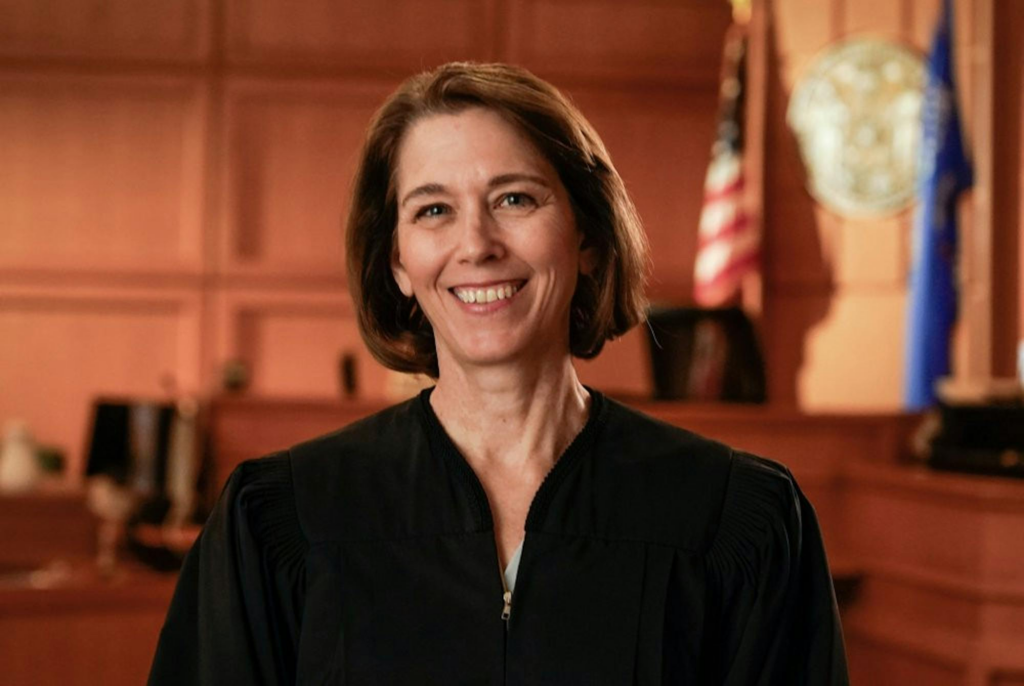
Wisconsin Supreme Court Election: Why The Results Matter
Susan Crawford has secured a seat on the Wisconsin Supreme Court, winning a ten-year term and cementing a liberal majority on the state’s highest court. Her victory over Brad Schimel, supported by Donald Trump and Elon Musk, marks a significant political event. This election became the costliest...
Read more →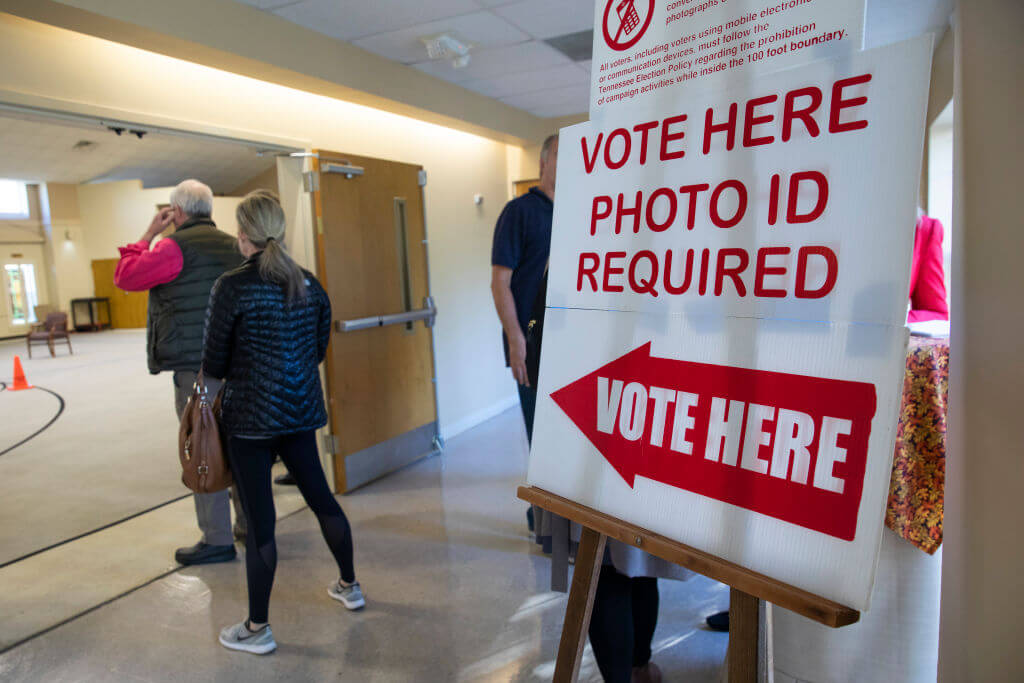
Wisconsin Enshrines Voter ID Law
Wisconsin voters have approved a constitutional amendment to enshrine their voter ID requirement, as reported by the Associated Press on April 1. The amendment passed with 60.3% of the vote , representing 482,591 ballots out of the total. The opposing side comprised 39.7% or 318,236 voters who...
Read more →
Constitutional Basis for Trump’s Voter Order Lawsuit
In the United States, the Constitution establishes the foundation for our republic. It clearly defines the powers of Congress and the states to regulate elections, intentionally excluding the President from this authority. This division ensures protection against executive overreach. A recent...
Read more →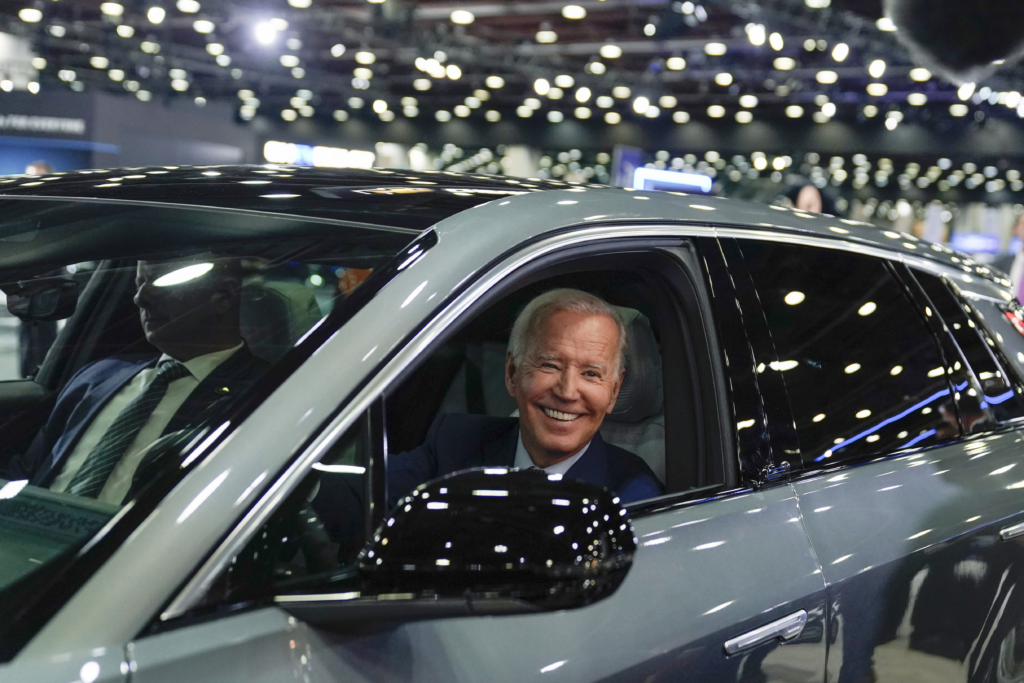
‘Biggest Day Of Deregulation in American History’: Trump EPA Rolls Back Biden Environmental Rules
In a significant move , the Trump administration’s Environmental Protection Agency announced a rollback of over two dozen Biden-era regulations, focusing on vehicle emissions and power plant pollution. EPA Administrator Lee Zeldin dubbed it “the biggest day of deregulation in American...
Read more →Why Trump’s ‘Liberation Day’ Tariff Strategy is so Risky
President Donald Trump’s “Liberation Day” initiative aims to reshape U.S. trade relationships through reciprocal tariffs. This approach could potentially boost domestic manufacturing by incentivizing firms to relocate production to American soil. However, the strategy faces significant...
Read more →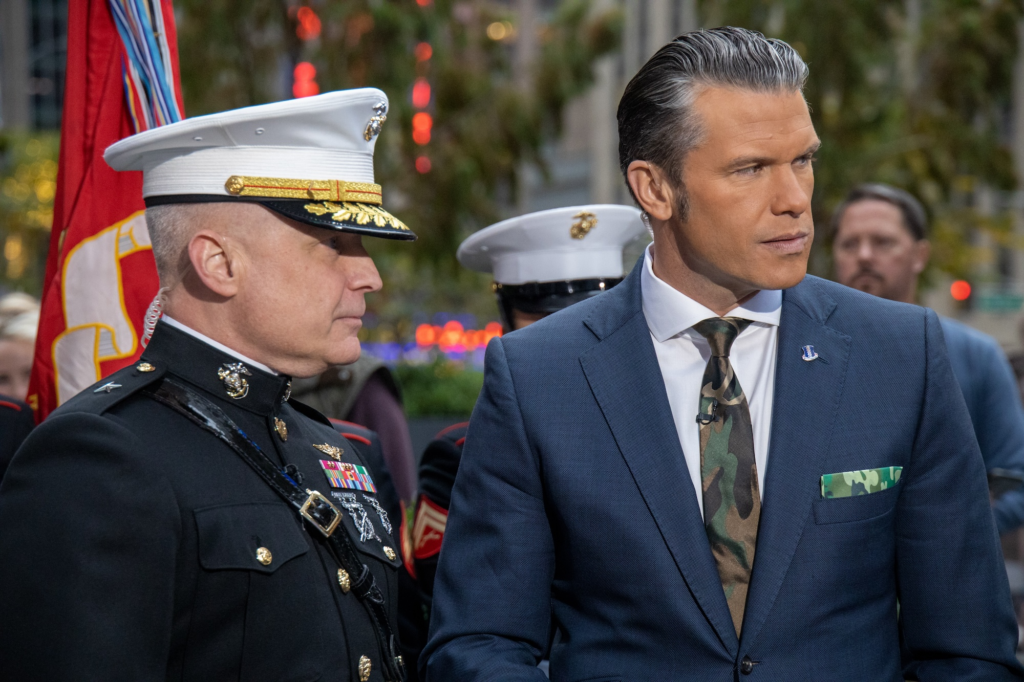
Hegseth to Reverse ‘Woke’ Military Policies
Defense Secretary Pete Hegseth has issued a directive to apply uniform standards in combat roles, regardless of gender. This memo mandates sex-neutral standards for combat arms jobs, marking a shift from what Hegseth refers to as “slipped standards” from previous leadership. According to...
Read more →Signal Chat Case Closed Despite Remaining Questions
The White House has addressed the Signal chat incident involving the accidental inclusion of a journalist in a military discussion. Press secretary Karoline Leavitt stated the administration’s intention to move past the event. Mike Waltz, Trump’s national security advisor responsible for the...
Read more →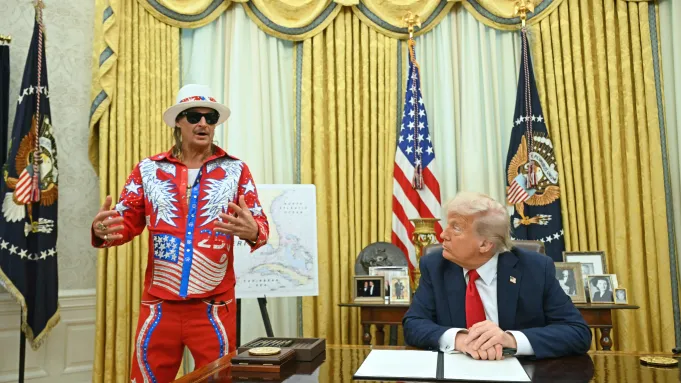
Trump Signs Order Against Ticket Price-Gouging
President Donald J. Trump, accompanied by Kid Rock, signed an executive order targeting ticket price-gouging. The patriotic singer stood by the president’s side as he inked the order aimed at addressing unethical ticket scalping practices. Key aspects of the executive order include: Directing the...
Read more →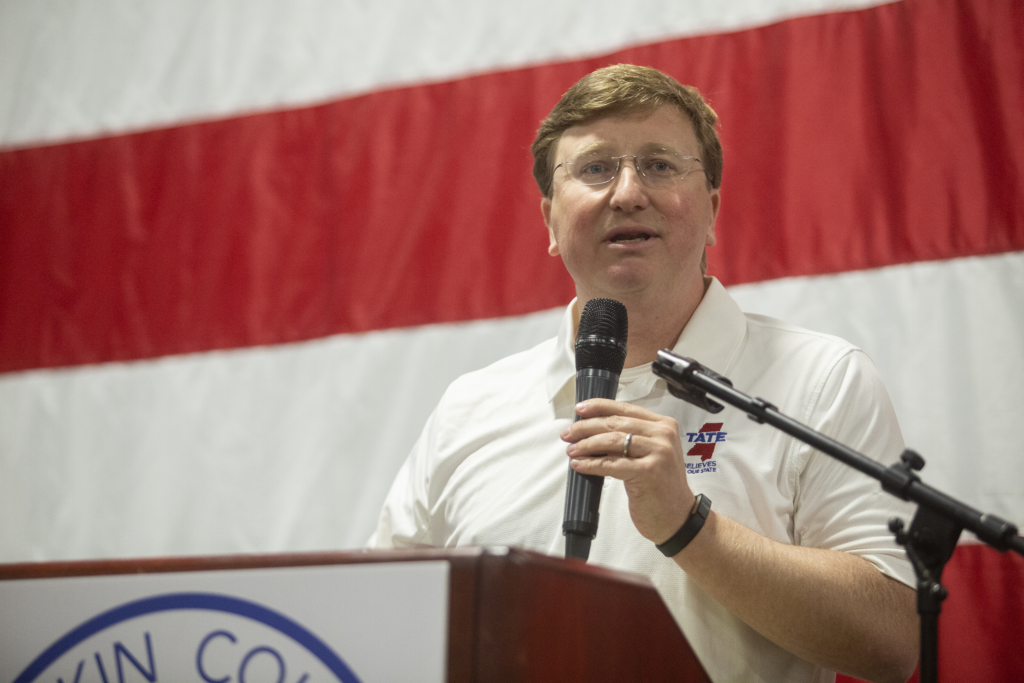
GOP State Announces Massive Tax Relief, But Democrats Concerned
Governor Tate Reeves recently signed the Build-Up Mississippi Act , setting the state on a path to eliminate its individual income tax by 2030. The law introduces changes to other taxes as well: Starting July 1, 2025, the sales tax on groceries will decrease from 7% to 5% Gasoline taxes will rise...
Read more →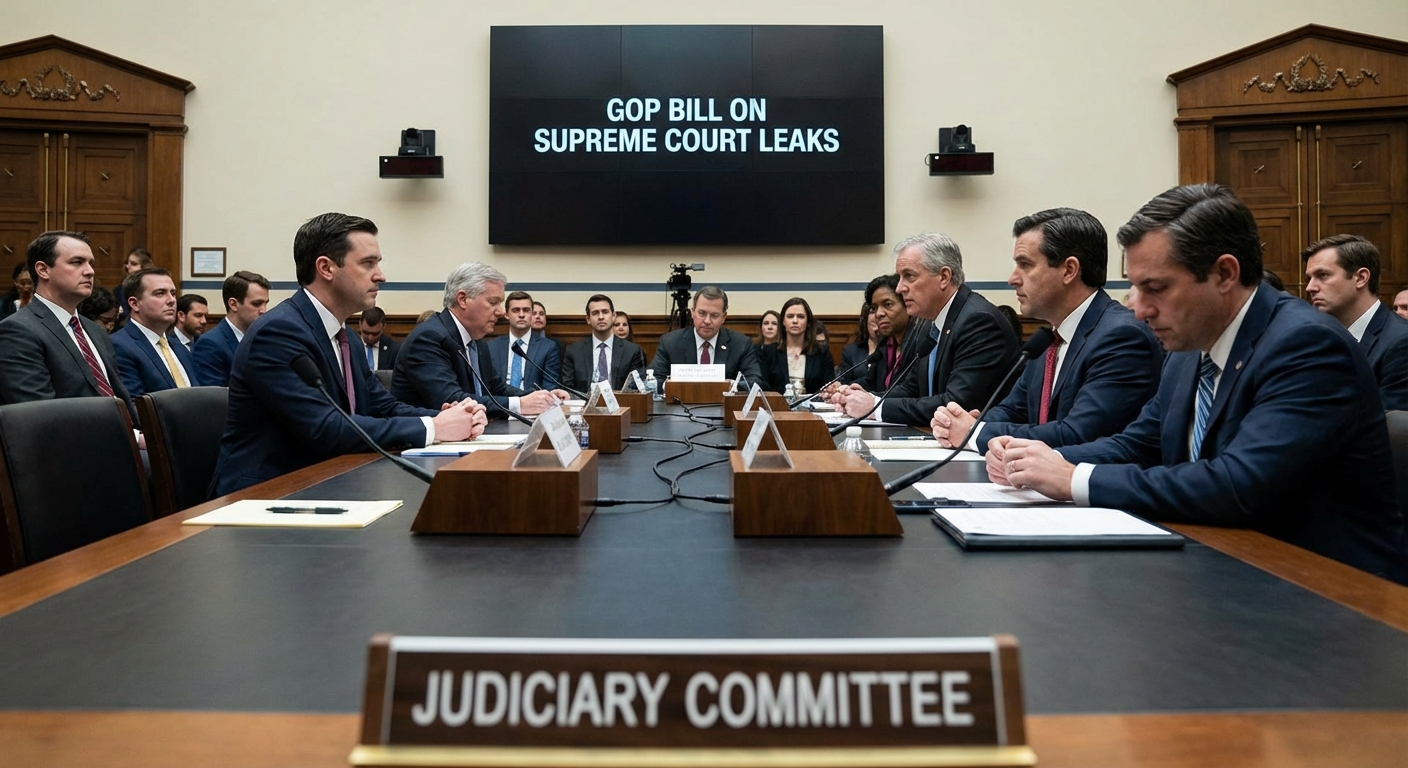
Republican Bill Targes Supreme Court Leaks
Supreme Court leaks have become a contentious issue. The 2022 leak of the Dobbs decision draft opinion marked a significant change, exposing the court’s position on a major abortion case. It ignited protests outside the homes of conservative justices, highlighting potential risks of such...
Read more →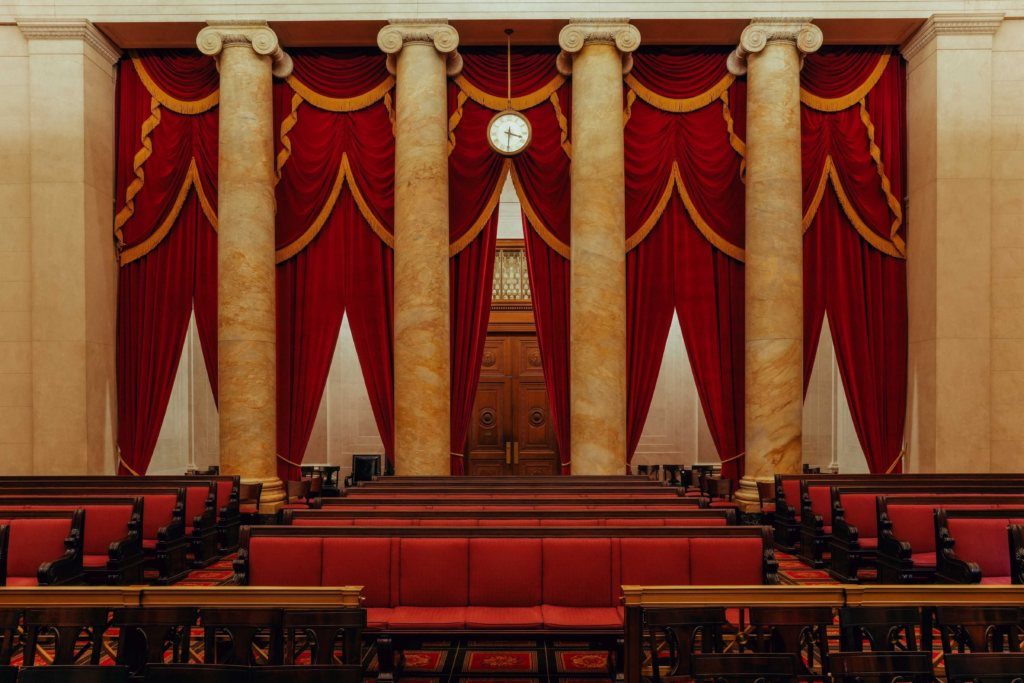
High Profile First Amendment Case: Supreme Court to Side with Religious Groups
The Supreme Court appears ready to side with Catholic Charities in a crucial First Amendment case, potentially expanding tax exemptions for religiously affiliated groups. Justices, including liberals, expressed concern over Wisconsin’s approach of categorizing religious groups based on their...
Read more →The Loophole Cartels Use For Fentanyl Shippings
Every day, millions of packages crisscross the globe, zipping through customs with barely a second glance. What was meant to streamline e-commerce and international trade has, in the shadows, become a golden opportunity for those with far more sinister intentions. Hidden among everyday deliveries...
Read more →
No Appeals, No Delays -Trump’s Latest Deportation Sends a Message
Seventeen alleged members of the Tren de Aragua gang were transferred to El Salvador by the U.S. military, following orders from the Trump administration. These individuals were moved from Guantanamo Bay on a Sunday night. Secretary of State Marco Rubio stated on X: “These criminals will no...
Read more →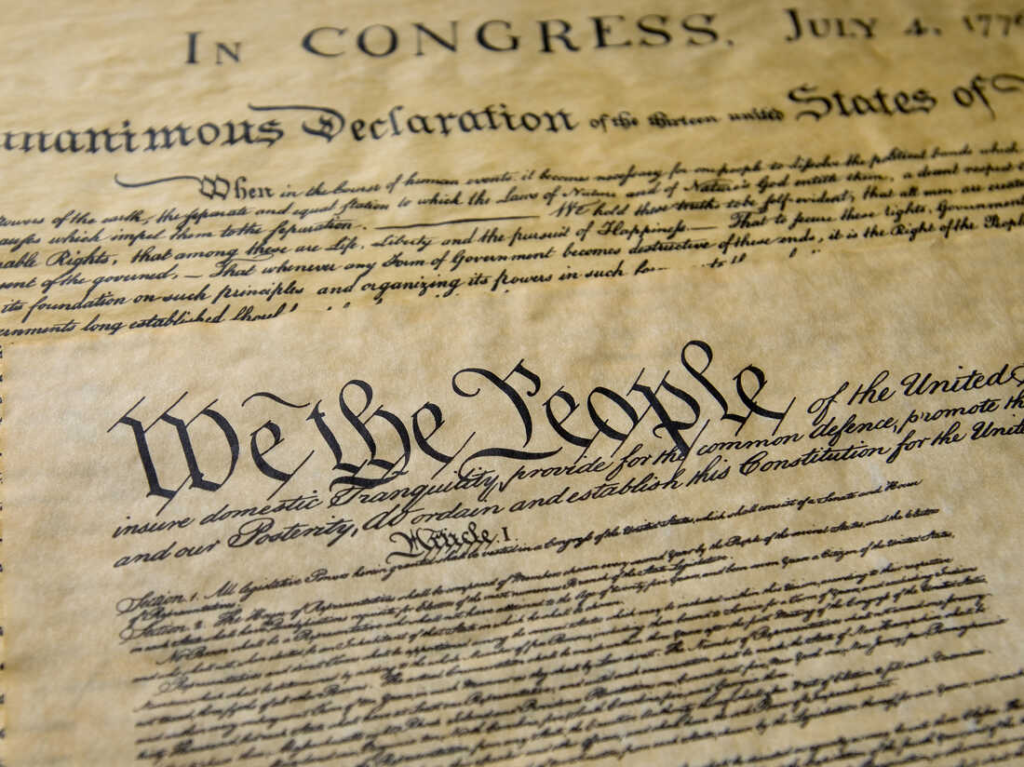
Did Trump Find a Loophole to Extend His Presidency?
The 22nd Amendment, ratified in 1951, restricts presidents from being elected beyond two terms. This rule was inspired by Franklin D. Roosevelt’s unprecedented four terms as president. While the amendment seems straightforward, some legal scholars have identified a potential loophole. Consider...
Read more →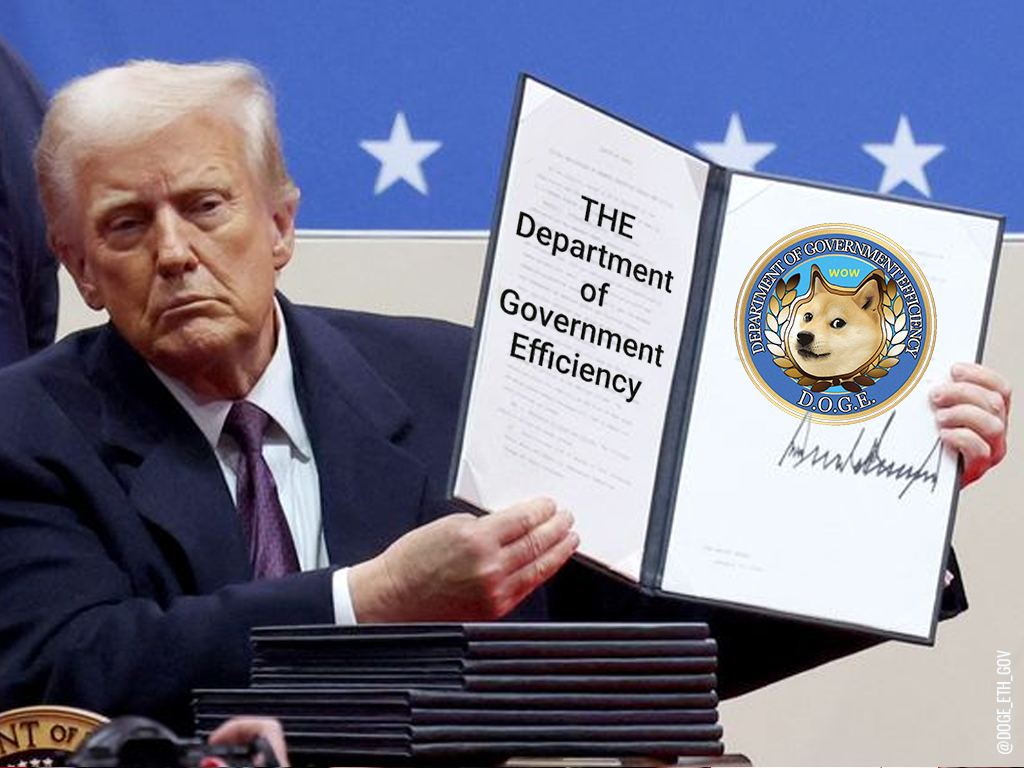
Is DOGE a Government Agency?
DOGE, created by President Trump, operates within the U.S. Digital Service (USDS) to streamline government functions. However, its status as a legitimate government agency remains unclear. DOGE’s unconventional structure and operations raise questions about its true position within the federal...
Read more →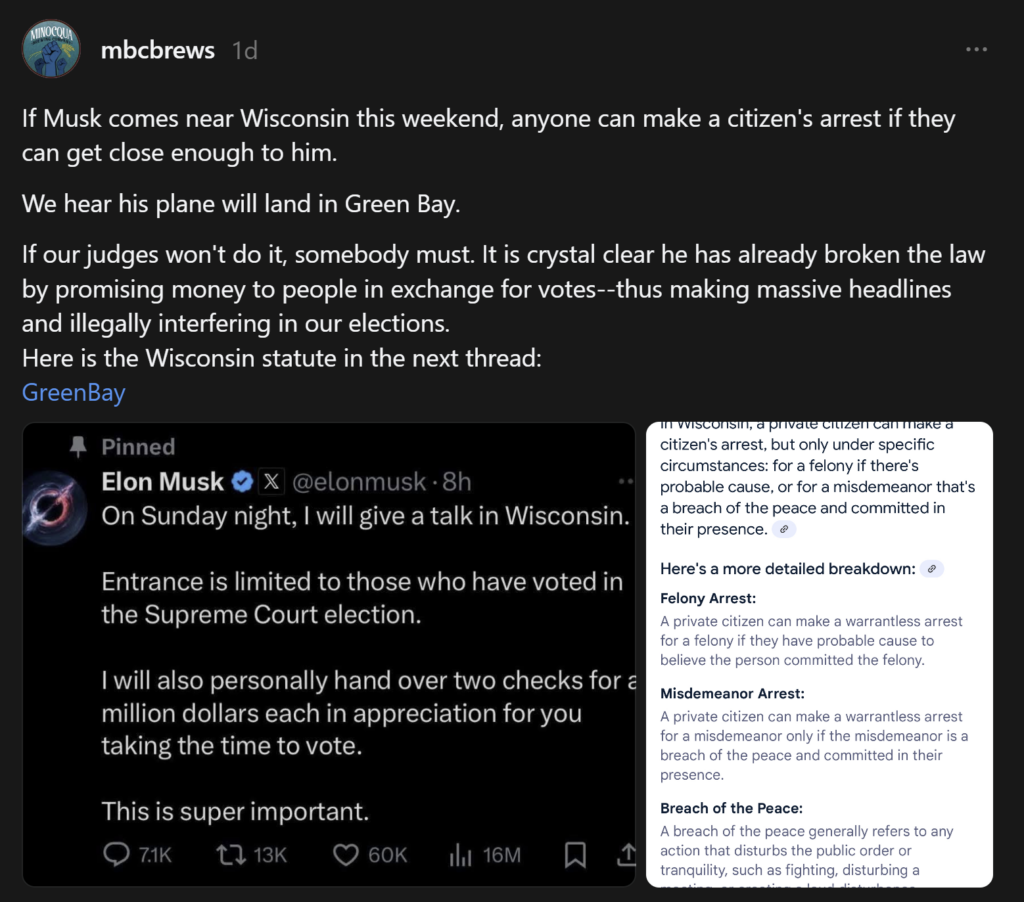
Wisconsin Brewery Calls for Musk’s Citizen’s Arrest
Elon Musk’s upcoming visit to Wisconsin has ignited a firestorm of controversy, particularly from the Minocqua Brewing Company . The brewery took to Facebook with a bold appeal, encouraging citizens to arrest Musk if he enters the state. Their claim? Musk allegedly distributed $1 million checks...
Read more →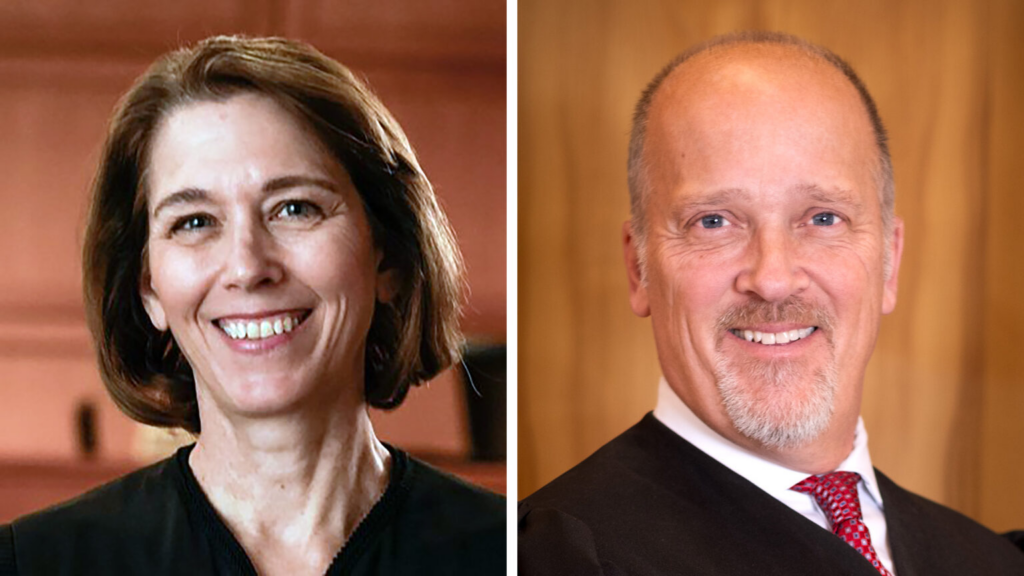
Why The Wisconsin Supreme Court Election Is So Important
The Wisconsin Supreme Court election on April 1 holds significant importance for the state and potentially the nation. This contest between Judge Brad Schimel and Judge Susan Crawford could determine the court’s ideological balance for years to come. Schimel, supported by Donald Trump, advocates...
Read more →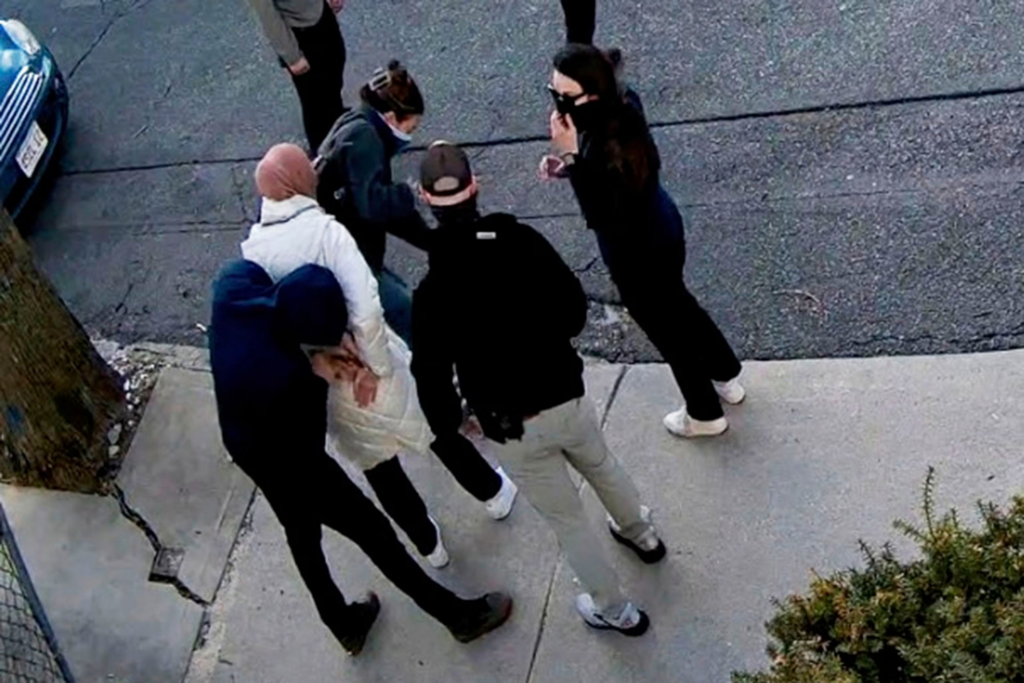
Legality of Tufts Student’s ICE Detention
The detention of Rümeysa Öztürk, a PhD student at Tufts, has ignited a debate on constitutional rights and immigration enforcement. Öztürk was apprehended by ICE officers in Boston and transferred to a detention center in Louisiana, allegedly due to an expired visa. Her legal team, backed by...
Read more →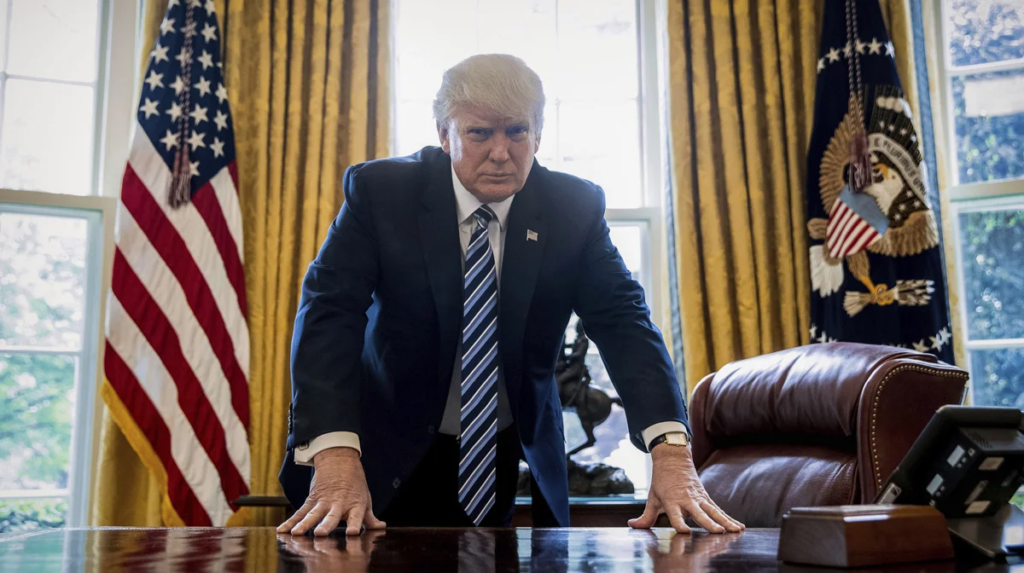
Trump Serious About Third Presidential Term
President Donald Trump recently declared he’s “not joking” about seeking a third term, hinting at potential ways to circumvent the constitutional limit. In an NBC News interview, Trump alluded to the possibility of Vice President JD Vance running and later transferring the presidency, though...
Read more →