
The U.S. Constitution
Archival records, profiles, and educational resources since 1995.
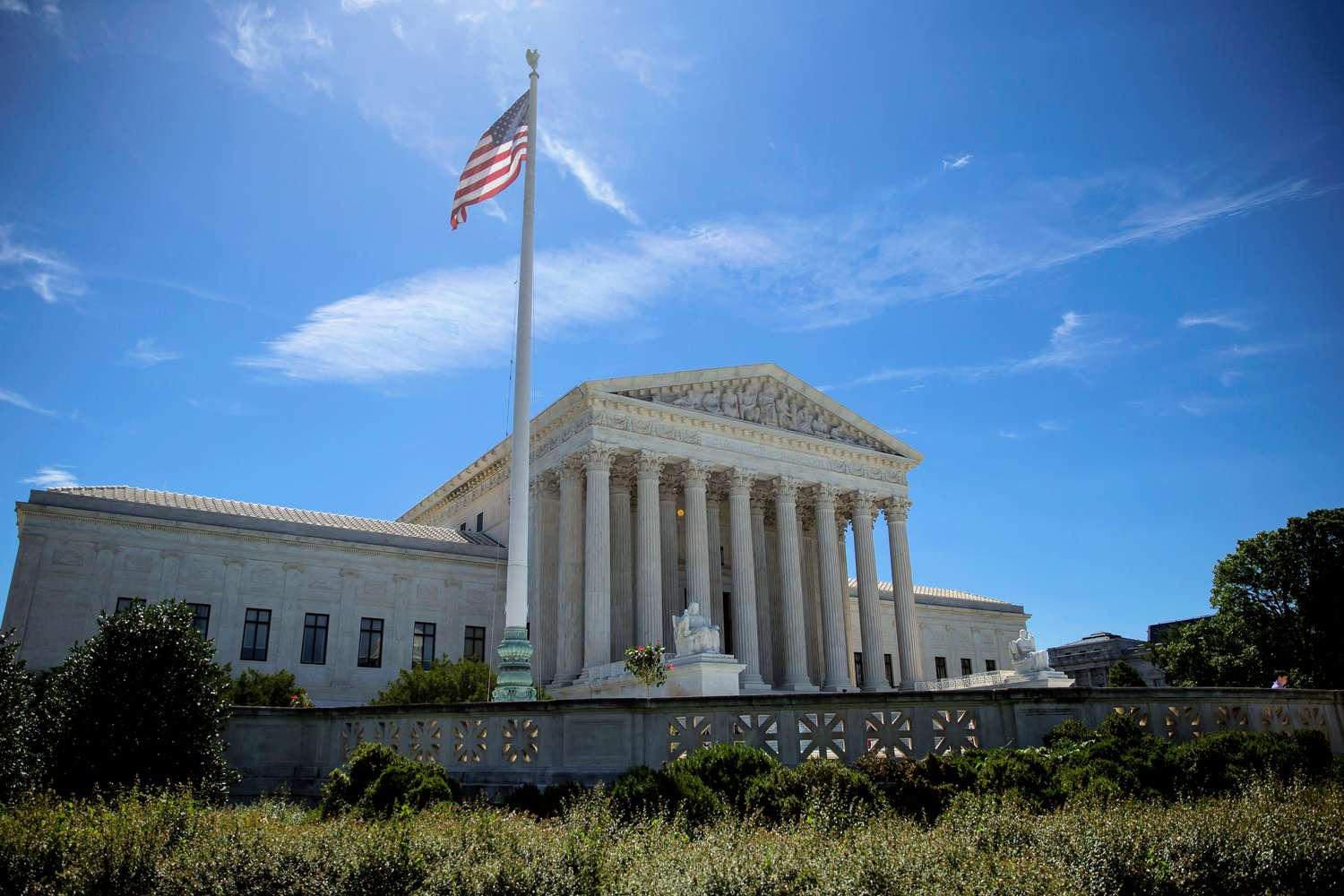
TikTok on Government Phones: A Ban That Wasn’t
There is a peculiar kind of civic vertigo that hits when a rule exists, most people forget it exists, and then the government behaves like it never mattered. That is where federal employees now find themselves with TikTok. A federal statute has been on the books since 2023 barring the app from...
Read more →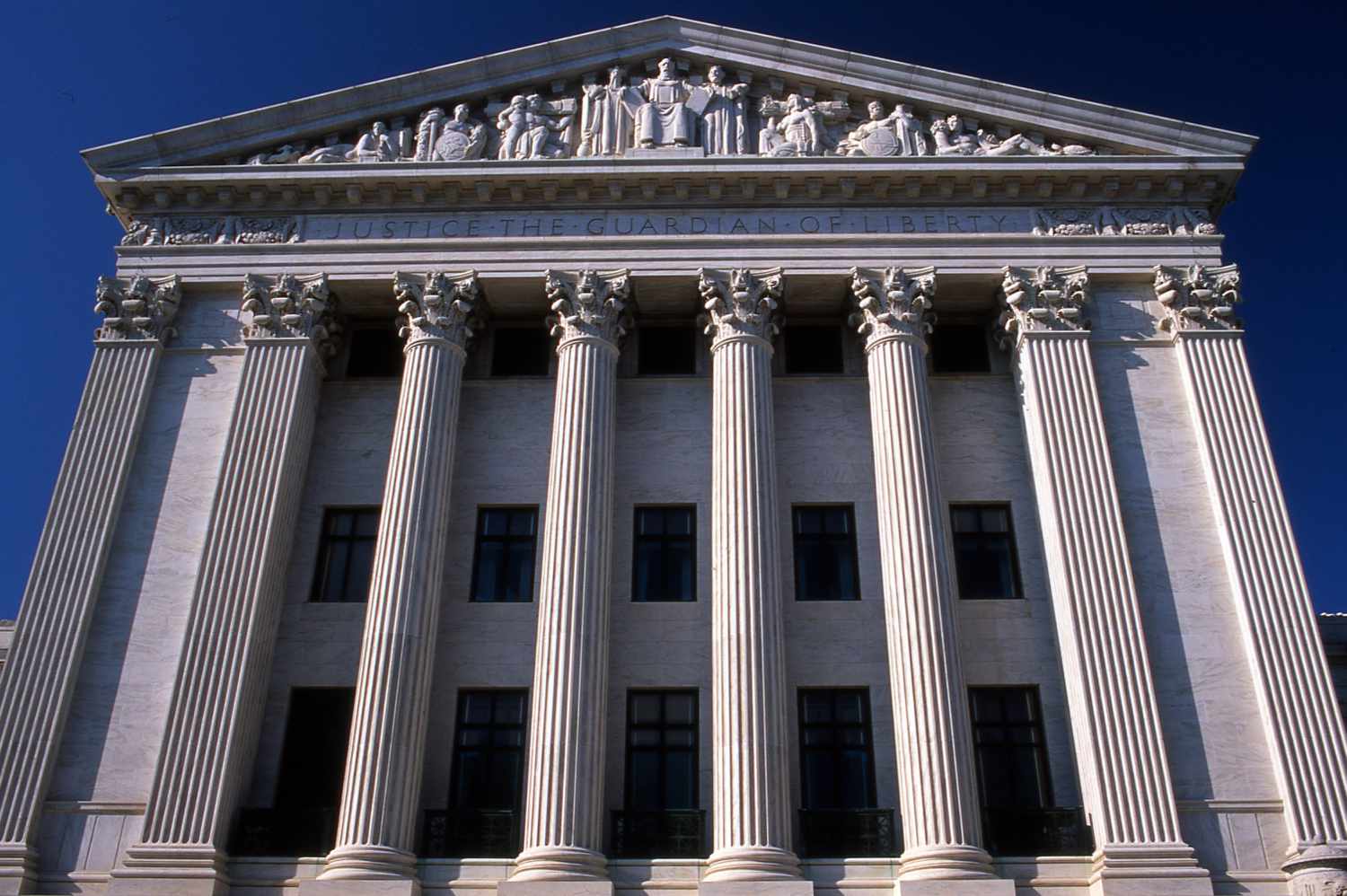
The Constitution Was Never Meant to Belong to Nine Justices
One of the quietest civic habits Americans have picked up in modern life is this: when a constitutional question gets hard, we treat it like a problem we must ship to Washington and hand to nine people in black robes. Sometimes that habit feels comforting. Courts speak in crisp sentences, issue a...
Read more →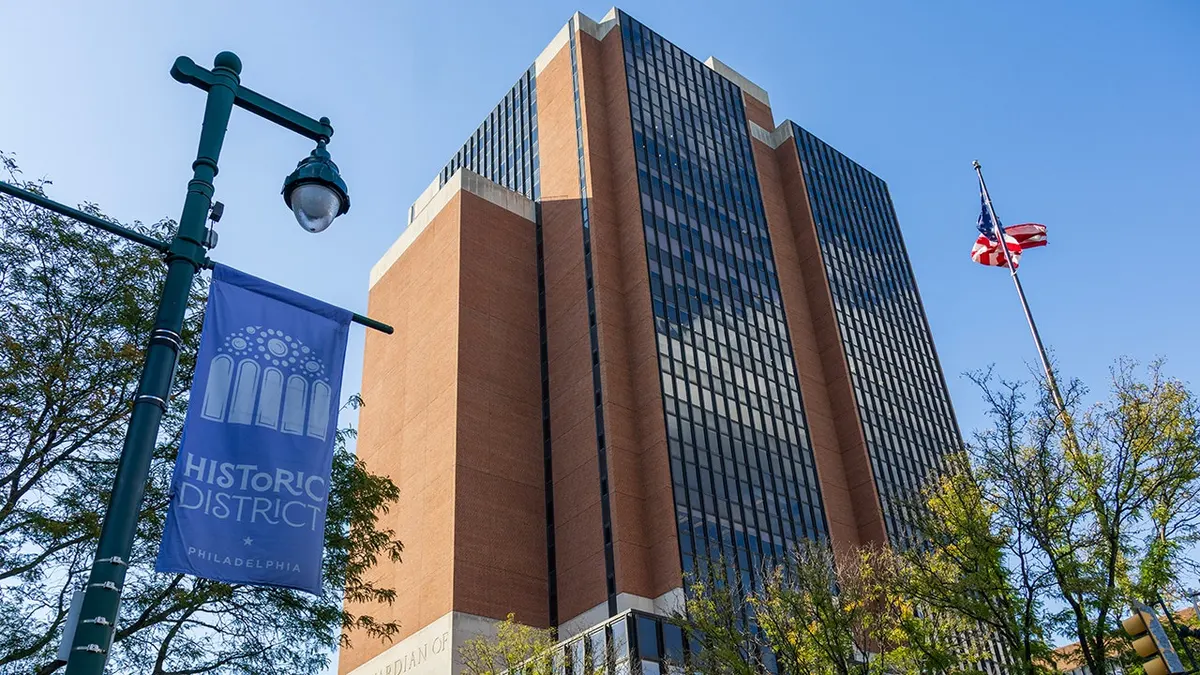
Court Strikes New Jersey’s AR-15 and Magazine Bans
A federal appeals court has invalidated two of New Jersey’s most prominent gun restrictions: the state’s ban on a broad category of semiautomatic rifles (often labeled “assault firearms”) and its restriction on magazines capable of holding more than 10 rounds . The decision came from the U.S. Court...
Read more →
Can Hawaii’s High Court Defy the U.S. Supreme Court?
When people hear that a state supreme court might “defy” the U.S. Supreme Court , it can sound like a constitutional cliffhanger. In practice, these moments usually revolve around something more specific: a state court signaling it will read the federal Constitution through a distinct local...
Read more →
Who Pays to Fix the WWII Memorial?
You can feel the public assumption in any controversy about a big Washington monument: surely someone just “takes care of it.” Surely there is a checkbook somewhere. Surely a president can just order it fixed. The World War II Memorial on the National Mall sits at the intersection of those...
Read more →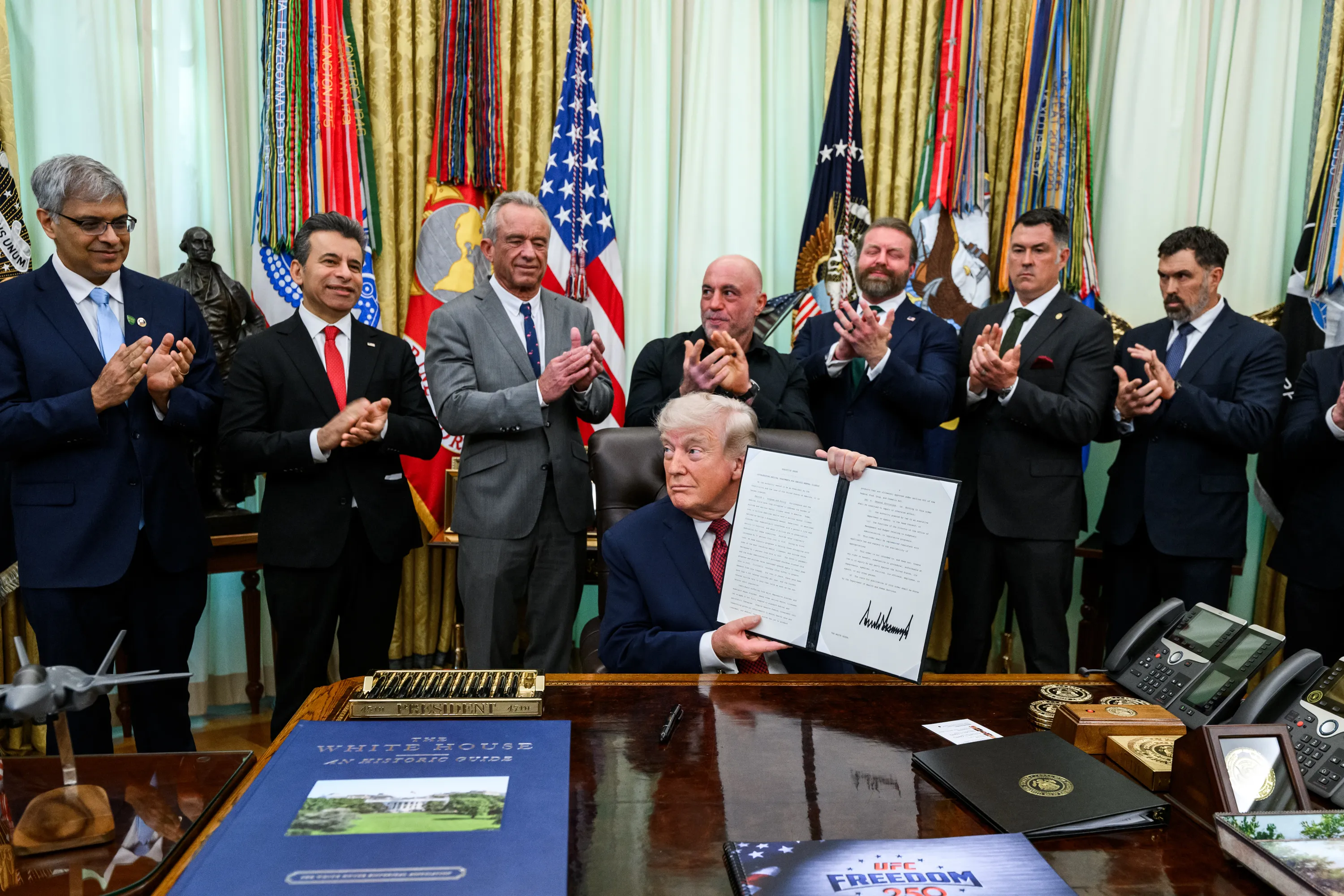
Can a President Block Climate Science Used in Federal Court?
A president can do many things with a pen. The President can direct agencies to revisit grants, to rewrite guidance, to change how the executive branch purchases expertise, and to prompt agencies to consider whether suspension or debarment proceedings are warranted against entities that do business...
Read more →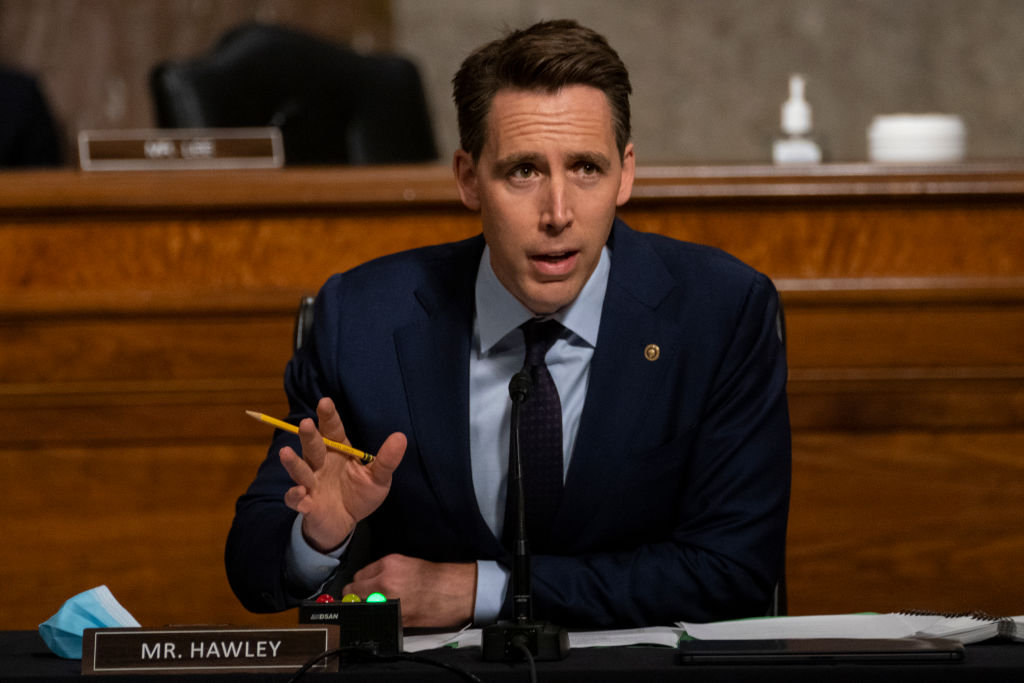
Can Abortion Pills Be Mailed Across State Lines? What Hawley’s Criminal Referral Means
You can feel the legal tension in the headline: a U.S. senator sends a “criminal referral” over abortion pills allegedly being shipped into states that ban abortion. The obvious question follows immediately. Can abortion pills be mailed across state lines, or is that automatically a federal crime?...
Read more →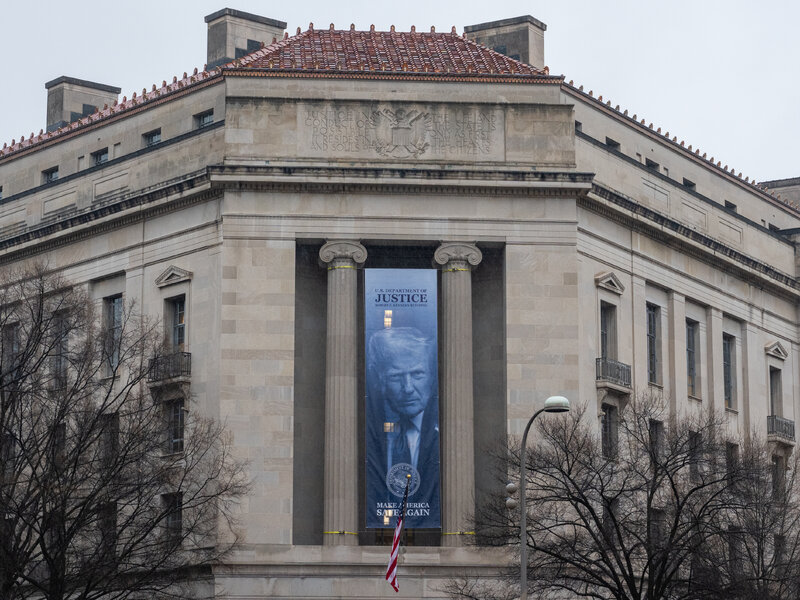
Can a Special Counsel Investigate Congress?
When a headline says a special counsel “spied on” Congress, it sounds like a constitutional emergency. Sometimes it is. Often it is something more mundane and more legally structured: prosecutors investigating a crime that happens to involve an elected official, using tools that are allowed only if...
Read more →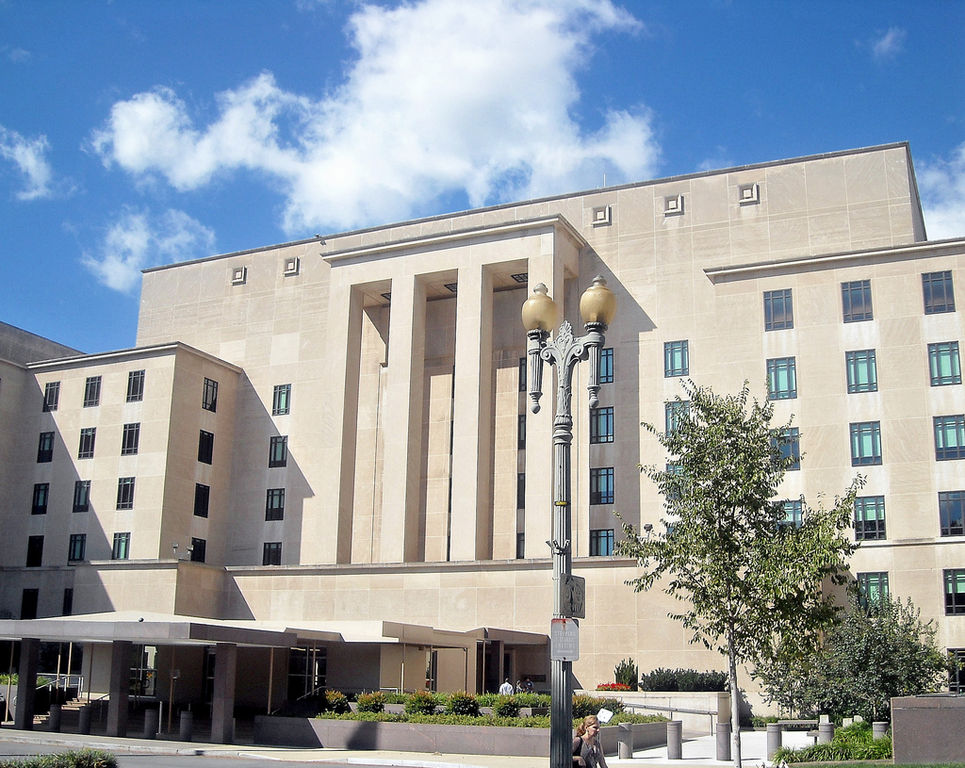
U.S. Worldwide Caution: What It Means
You can tell a government message has landed when it stops sounding like policy and starts sounding like a group text: keep your passport close, avoid crowds, have a plan . On Oct. 19, 2023 , the U.S. State Department issued a rare Worldwide Caution (a global security alert) urging Americans...
Read more →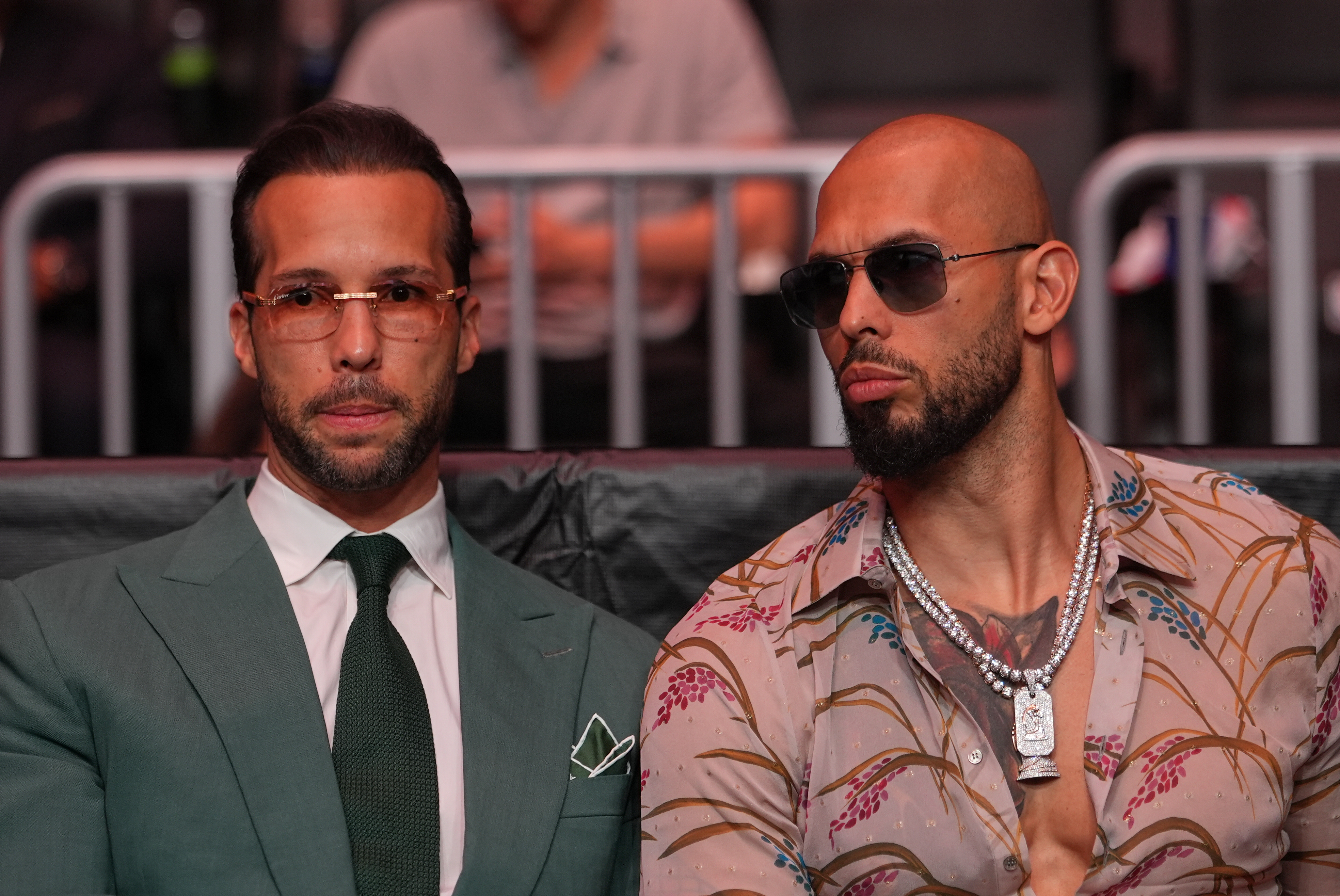
The Tate Brothers Arrested in Miami: The 38 New UK Charges, Extradition, and the Barron Trump Side Story
The Andrew and Tristan Tate story keeps resurfacing for a reason that is bigger than personalities and hotter than politics: it is a live demonstration of how modern justice systems interact across borders. This week, the brothers were taken into custody in Miami by the U.S. Marshals Service after...
Read more →
What Does “Nuke the Filibuster” Mean?
When a candidate says they want to “nuke the filibuster,” they are not talking about a constitutional amendment. They are talking about changing a Senate rule that currently lets a minority of senators block many bills unless the majority can reach a higher vote threshold to end debate. That...
Read more →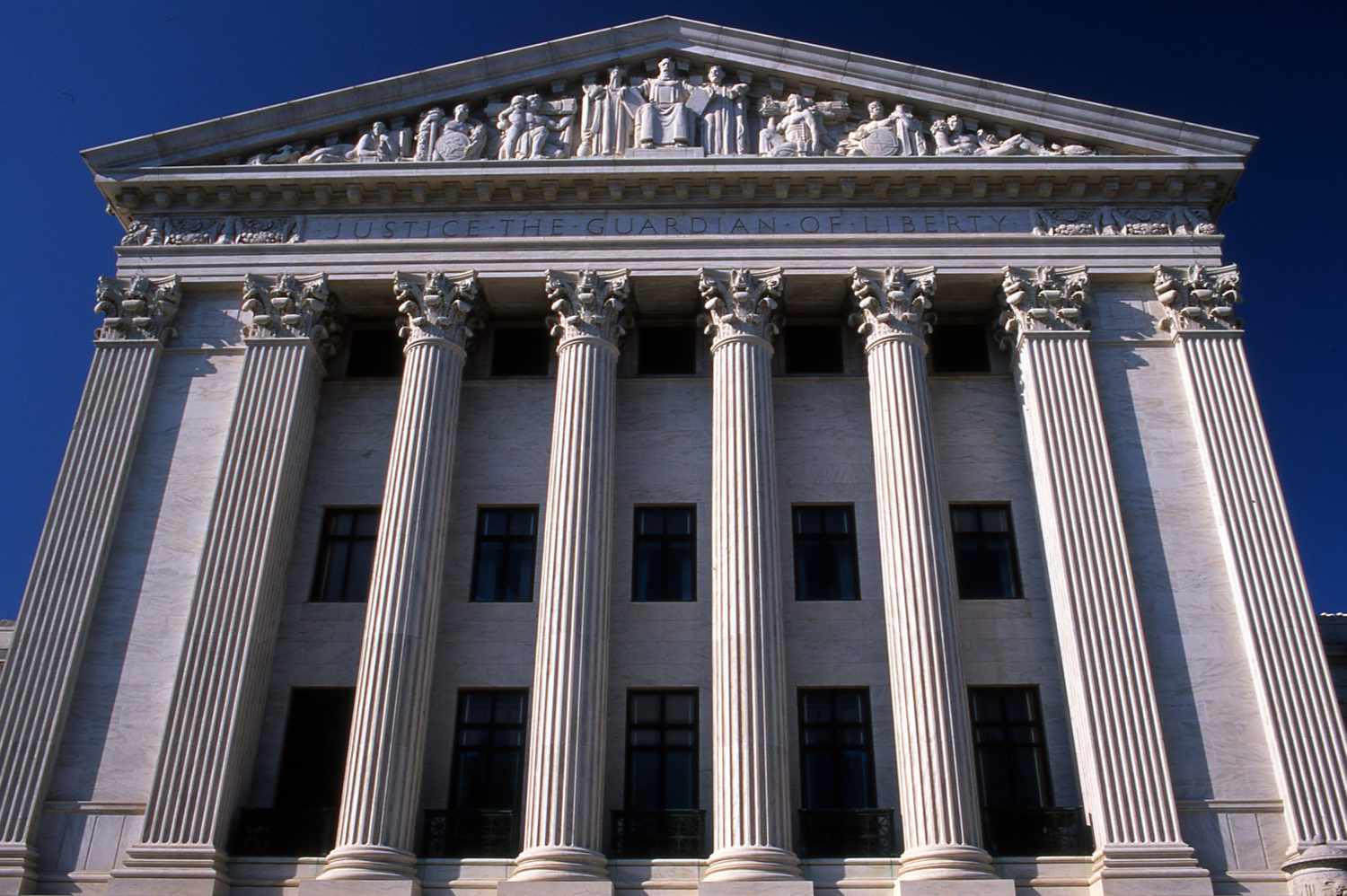
Can a State Defy the Supreme Court?
Every few years, an old American argument returns with a new headline: What if a state just refuses to go along with the Supreme Court? In recent weeks, that question flared up again after reports that a Hawaii state judge, speaking publicly, suggested the state should “defy” the Court. It is a...
Read more →
Why the Third Circuit Could Strike Down New Jersey’s AR-15 Ban
You can feel the modern Second Amendment debate in the vocabulary alone. One side says “assault weapon.” The other says “common semiautomatic rifle.” New Jersey’s restrictions on AR-15 style rifles and so-called large-capacity magazines have long depended on the first phrase. The constitutional...
Read more →
The 25th Amendment Explained: How Presidential Disability and Removal Work
The phrase “invoke the 25th” has become modern political shorthand for a very old anxiety: what happens if the President cannot do the job, and nobody can agree on it? That question flares up whenever a major public figure claims a President is cognitively unfit, medically impaired, or simply not...
Read more →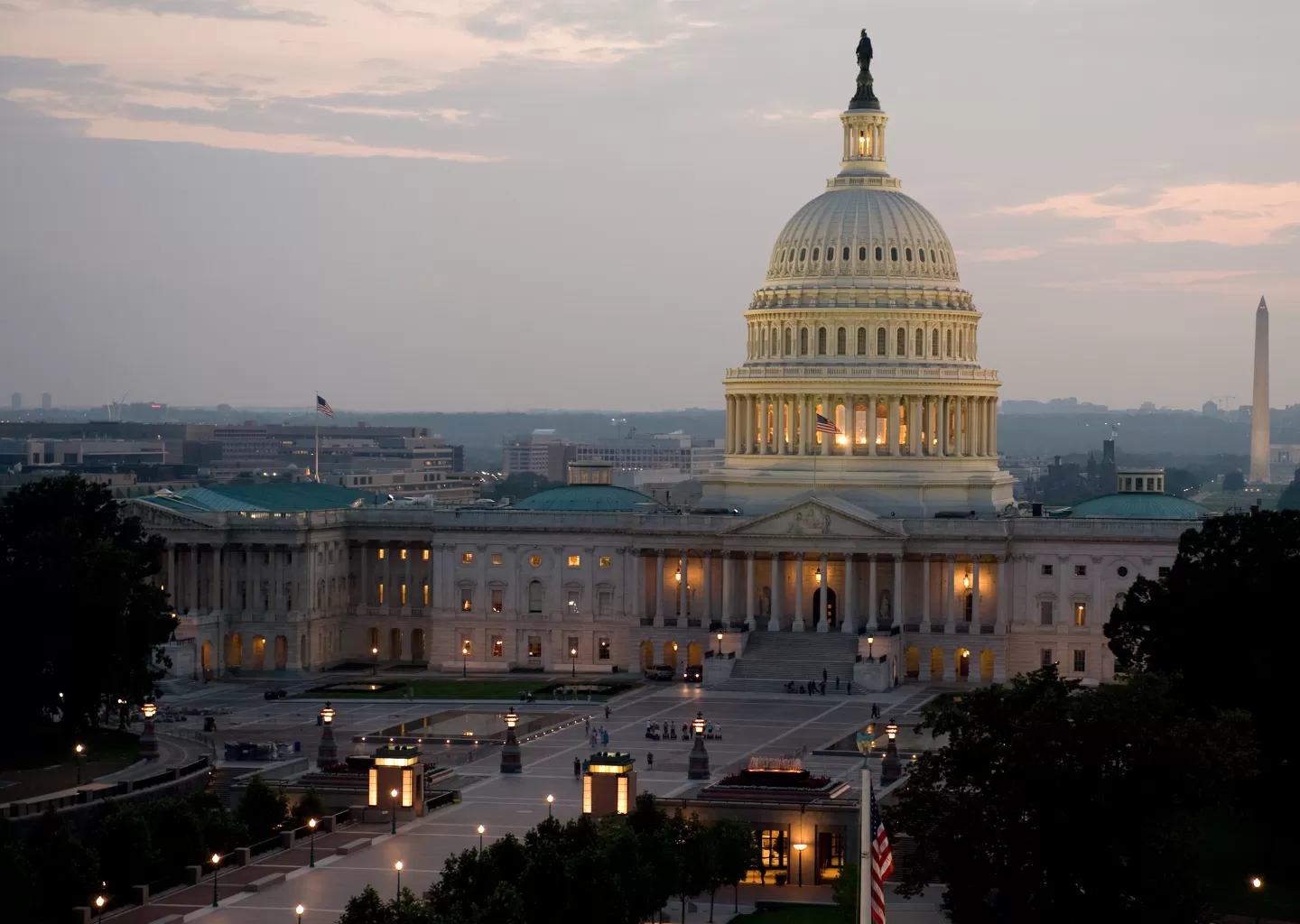
Election Integrity, Voter Rolls, and Federal Power
When a high-profile political figure says new election-security intelligence has been declassified and released, the argument that follows is usually louder than the documents themselves. But the constitutional question underneath all the noise is actually straightforward. Who has the power to...
Read more →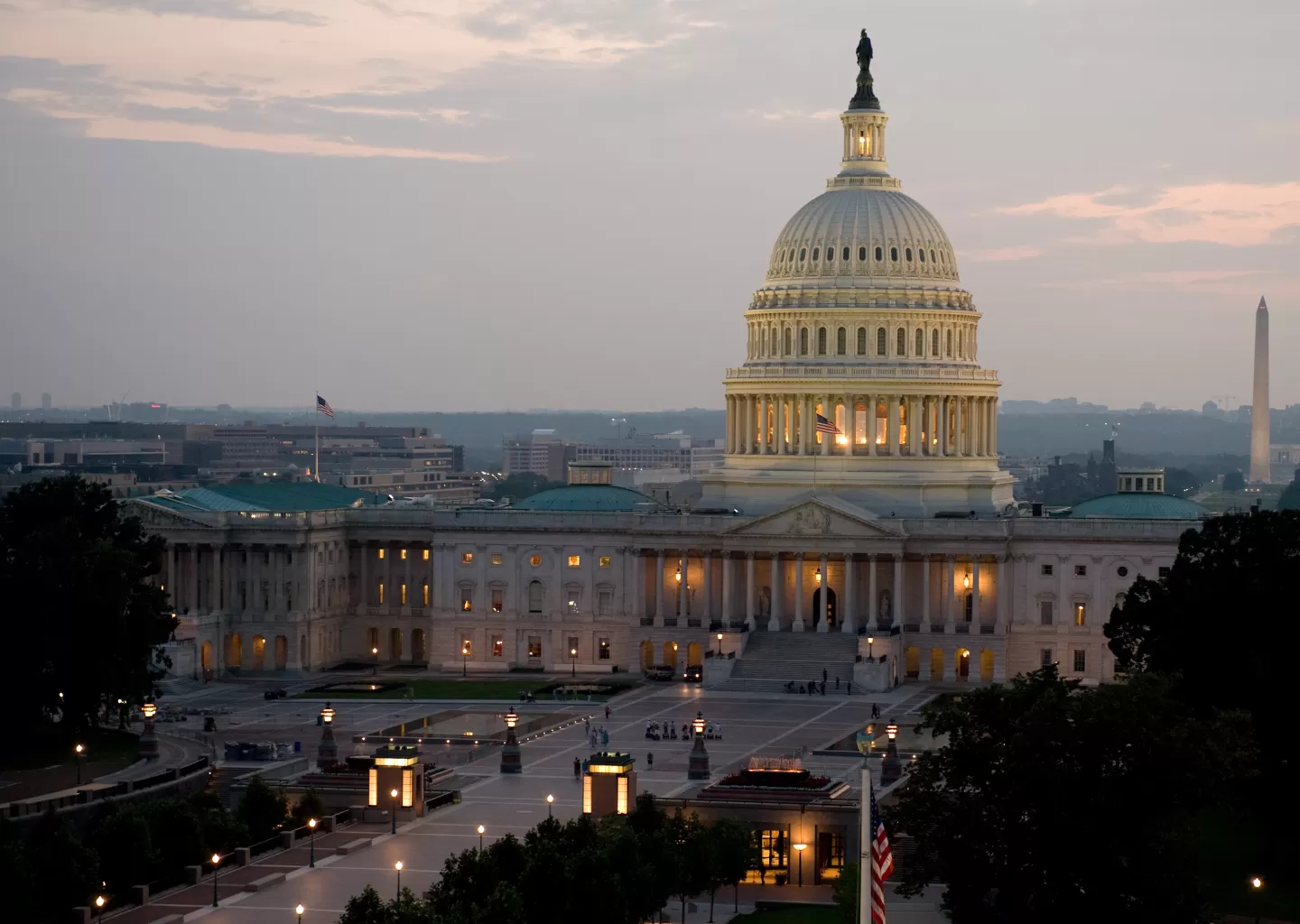
Congressional Term Limits and the Constitution
Every time Congress has a very public reminder that its members are human and aging, the same question returns with fresh urgency: why can the people not just impose congressional term limits and be done with it? It feels like it should be easy. The House is elected every two years. The Senate...
Read more →
Trump Airport Backlash: Dulles Proposal and United
You can almost hear the modern American argument in the boarding announcement: now arriving at Washington Dulles . Then comes the online add-on that some viral posts and memes have pushed: also known as Trump International Airport . The backlash is not really about baggage claim or runway delays....
Read more →
Why “Friendly Reminder” Is Trending: The Tim Walz Pardon Controversy Explained
There are days when the internet hands us a word that sounds harmless and turns out to be a weapon. Today’s example is “Friendly” and, more specifically, the meme-format phrase “Friendly reminder.” The term is trending because high-engagement political accounts are using that faux-polite opener to...
Read more →
Olive Garden’s Pasta Pass ID Meme, Explained
Olive Garden is trending for a reason that has nothing to do with a menu change, a corporate scandal, or a sudden national shortage of breadsticks. It is trending because politics on the internet has discovered one of its favorite devices: the everyday analogy. This time, the prop is the chain’s...
Read more →
When Police Take Your Guns Without a Hearing
When people hear the phrase “red flag” , they often picture a court order. A judge, evidence, a hearing, and a clear set of rules. But in a recent Long Island case, a family says something far less formal happened: police effectively disarmed two licensed gun owners based on a mental health concern...
Read more →