
The U.S. Constitution
Archival records, profiles, and educational resources since 1995.
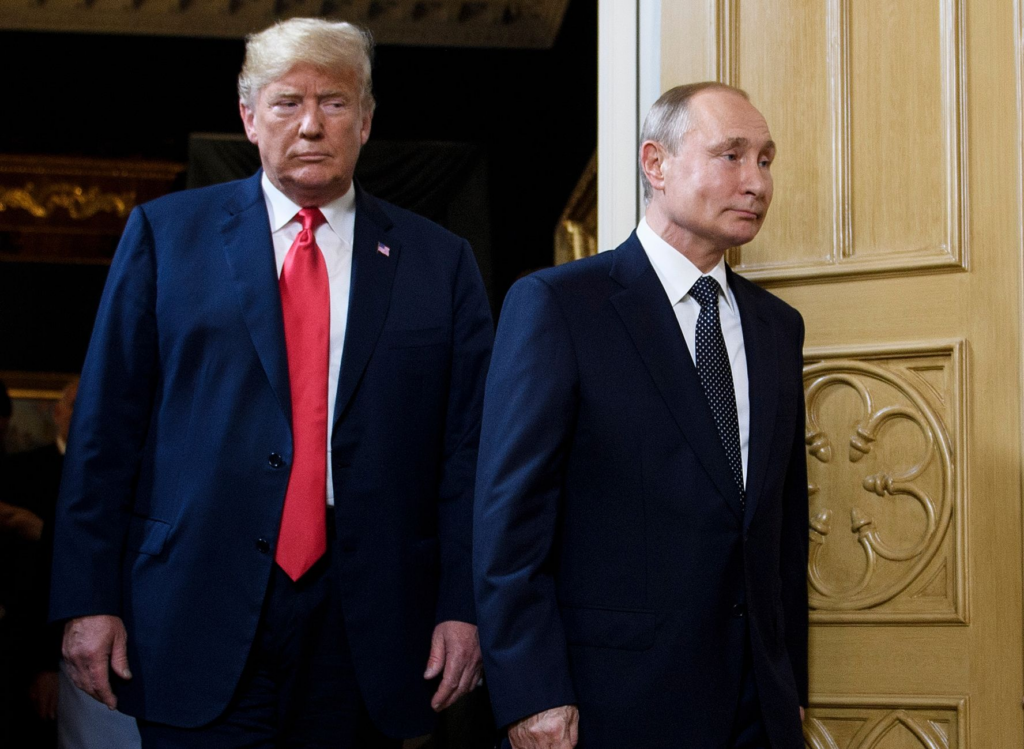
Trump’s Patience with Putin Running Thin
President Trump’s tolerance for Putin’s delay tactics regarding the Ukraine ceasefire appears to be waning. Finnish President Alexander Stubb, following meetings with Trump and Zelenskyy, shared insights in a Guardian interview. He’s pushing for Russia to adhere to the ceasefire by April 20. Stubb...
Read more →
‘Military Force’ Not Ruled Out In Trump’s Greenland Plans
President Trump has clarified his position on acquiring Greenland, proposing a peaceful acquisition plan while preserving military options for national security reasons. Vice President JD Vance’s trip to the mineral-rich island with senior U.S. officials underscores America’s growing interest in...
Read more →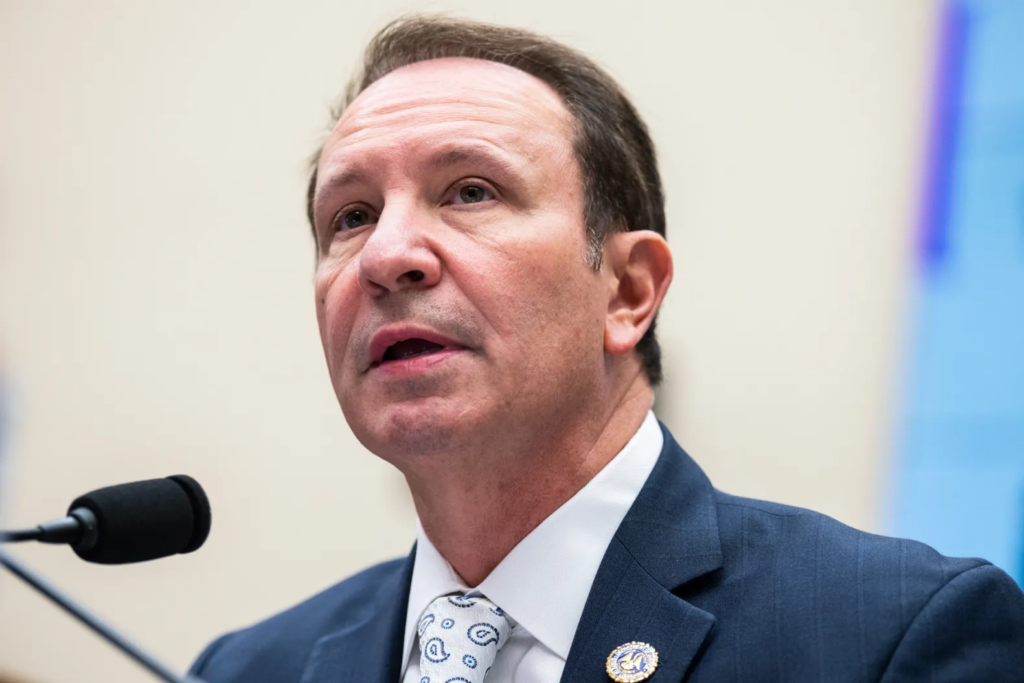
Louisiana Voters Reject Constitutional Amendments
Louisiana voters recently faced a decision on four proposed amendments to their state constitution. These amendments aimed to reshape several key aspects of state governance, but were all rejected by voters . Here’s an overview of what was proposed: Amendment 1 sought to expand the Louisiana...
Read more →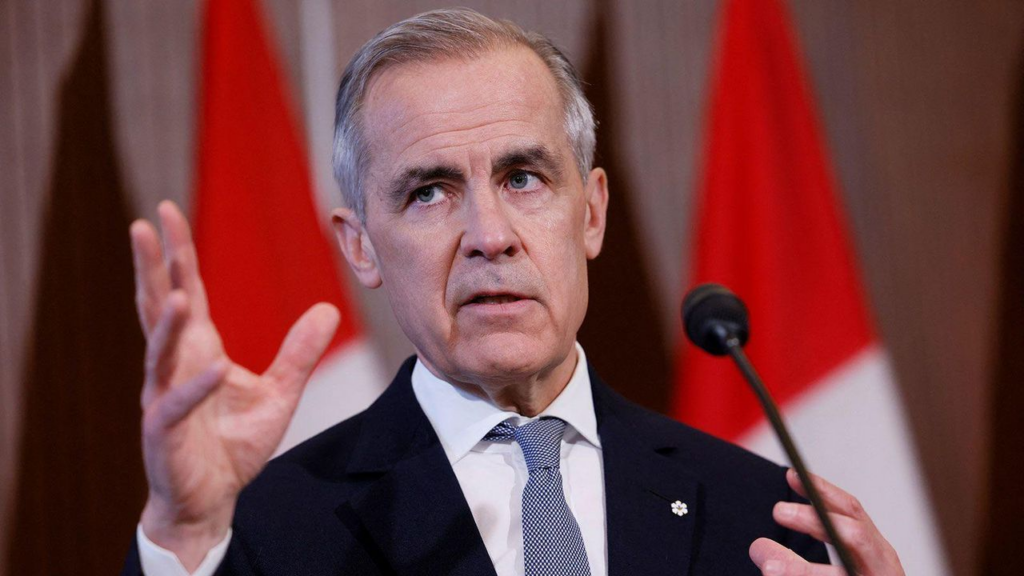
Trump Threatens Tariffs on Canada, New Prime Minister Says Old US/Canada Relationship is Over
Canadian Prime Minister Mark Carney recently announced a significant shift in Canada’s relationship with the United States. This change comes in response to the 25% tariffs imposed by the US on Canadian auto imports . Carney has called for an overhaul of the Canadian economy to cope with this new...
Read more →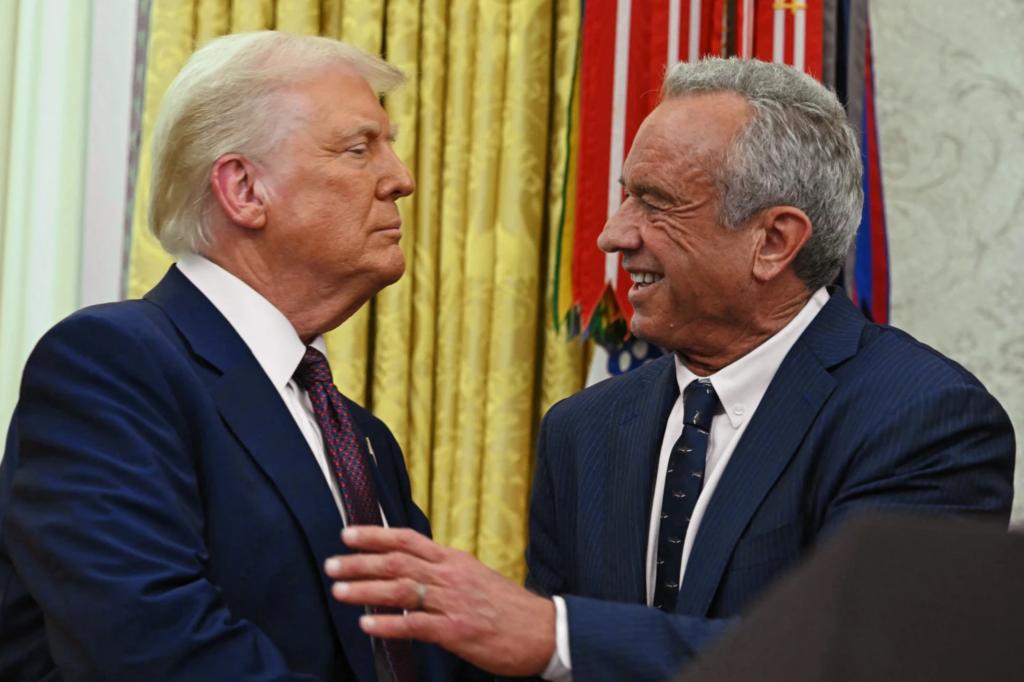
HHS Cuts $330M in California Alone
Secretary Robert F. Kennedy’s Department of Health and Human Services (HHS) has revoked more than $330 million in grants related to diversity, equity, and inclusion (DEI) and gender studies in California. HHS spokesperson Andrew Nixon stated, “HHS terminated more than $330 million in research...
Read more →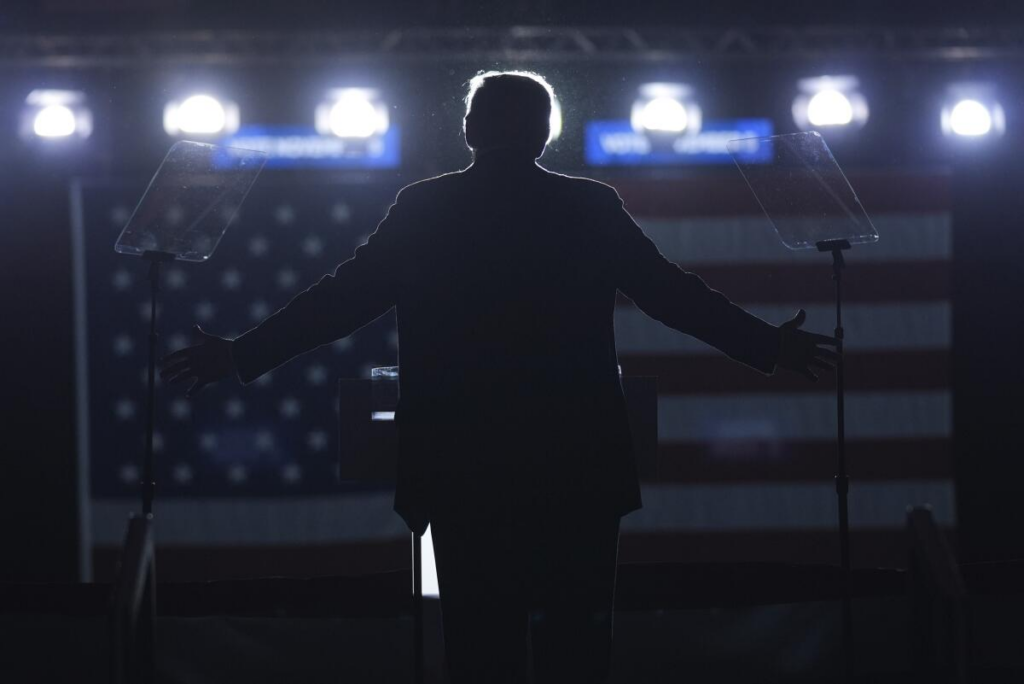
What Is Going To Happen On April 2nd? Things To Know About ‘Liberation Day’
President Donald Trump is set to unveil a sweeping new trade policy on April 2, dubbed “Liberation Day.” This ambitious plan aims to address trade imbalances through the implementation of reciprocal tariffs on countries deemed to have unfair trade practices with the United States. The move is...
Read more →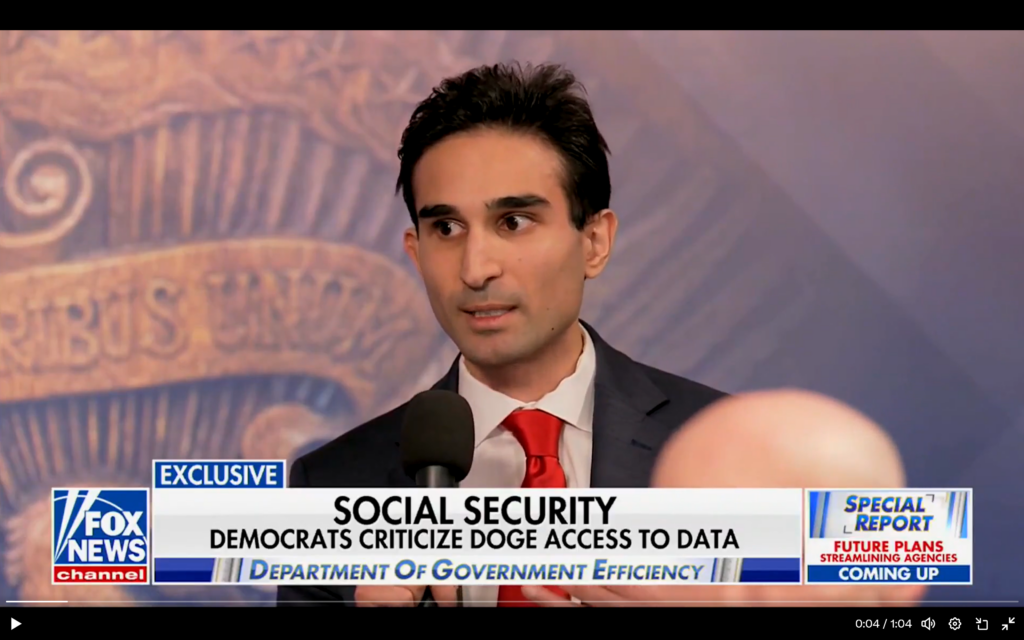
The Two Improvements DOGE Vowed on Social Security
Major changes are underway to make government services more secure, efficient, and reliable for the American people. A team of dedicated experts is working behind the scenes to restore trust, efficiency, and security to critical government services. New measures are being introduced to safeguard...
Read more →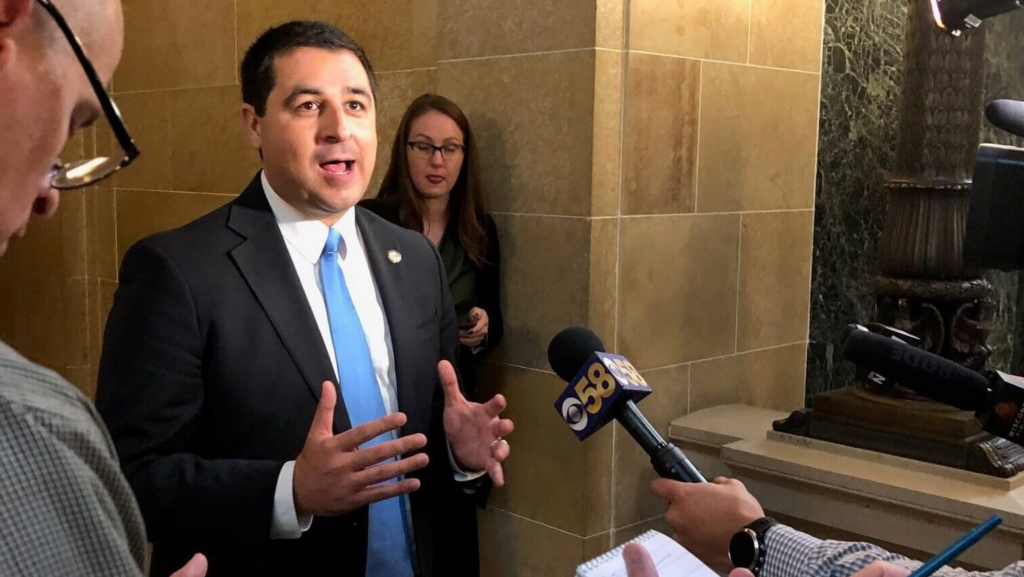
Wisconsin Sues Musk Over Election Cash Offer
The Wisconsin Supreme Court race has become a hotbed of controversy, largely due to the involvement of billionaire Elon Musk. His proposal to grant monetary awards to voters associated with a petition against “activist judges” has ignited a fierce legal and public debate, raising significant...
Read more →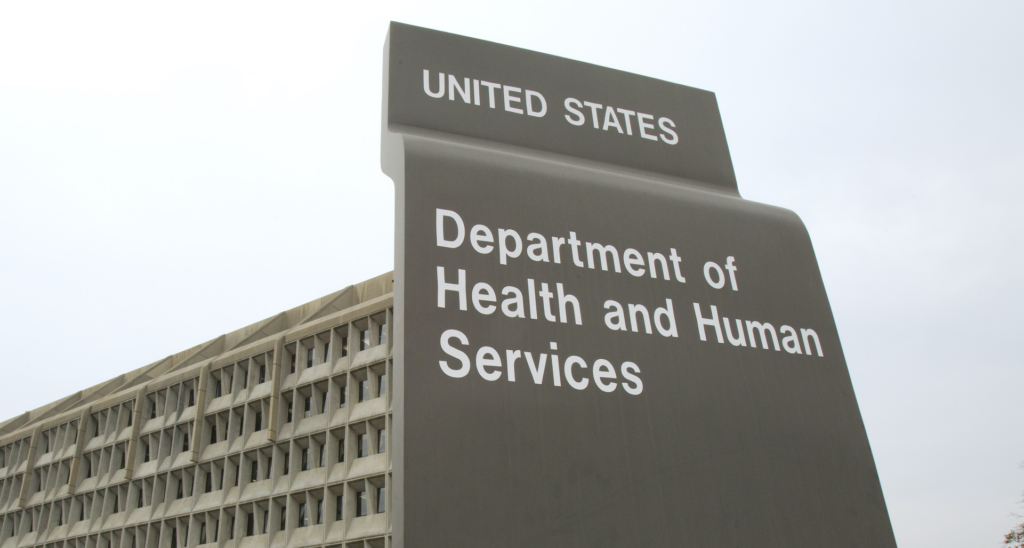
HHS Cuts 10K Jobs in Restructure
The Department of Health and Human Services (HHS) is undergoing a significant transformation, reducing its workforce by 20,000 jobs, from 82,000 to 62,000 employees. This sweeping change is projected to save $1.8 billion annually . Secretary Robert F. Kennedy Jr. revealed these modifications as...
Read more →
Are DOGE Layoffs ‘Efficient’ If They Send Unemployment Through the Roof?
The Trump administration, through the Department of Government Efficiency (DOGE) headed by Elon Musk, has implemented significant cuts to the federal workforce. In February, 62,000 federal employees from 17 agencies lost their jobs , marking a substantial reduction in recent history. This action...
Read more →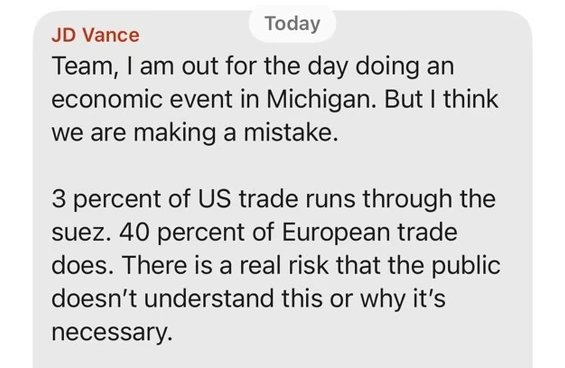
What The Full Transcript Of The Leaked Signal Chat Revealed
In an extraordinary breach of national security protocols, top U.S. officials inadvertently shared details of military operations in Yemen through a Signal chat that included The Atlantic’s editor-in-chief, Jeffrey Goldberg. This incident has raised serious questions about the security of sensitive...
Read more →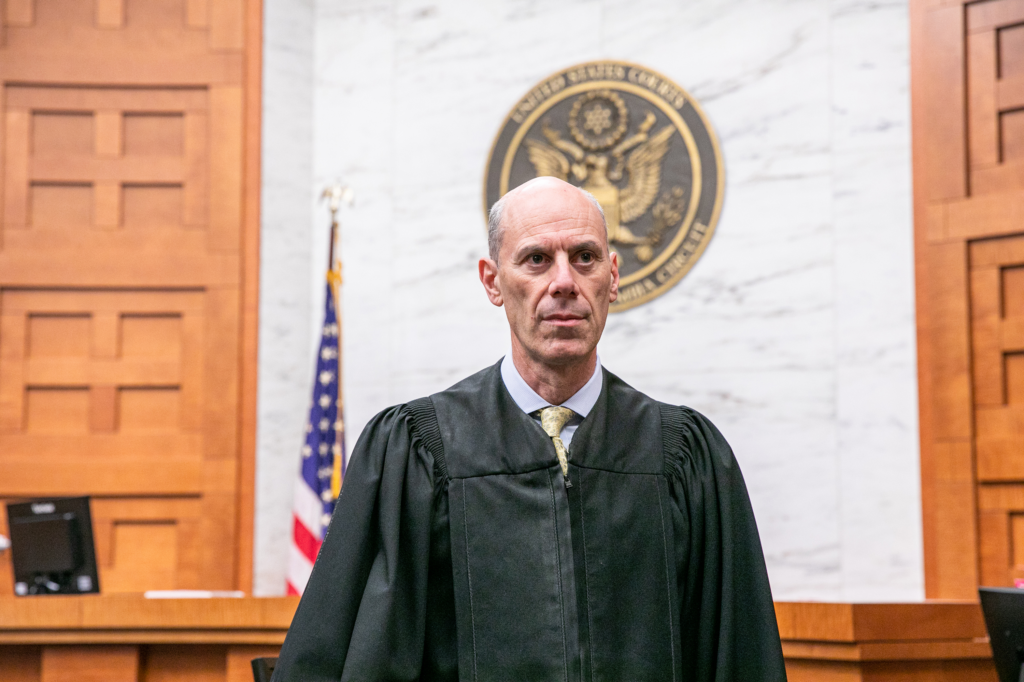
What To Know About Judge Boasberg And His Pre-Trump Cases
Judge James “Jeb” Boasberg found himself at the center of a political storm when he presided over a case concerning the deportation of suspected Venezuelan gang members. This triggered a showdown with President Trump’s administration, which had taken steps to deport these men to El Salvador’s...
Read more →Trump Administration Seeks Supreme Court Intervention on Deportation Case
The Trump administration is seeking Supreme Court intervention to overturn a restraining order halting the use of the Alien Enemies Act . This wartime law was invoked by President Trump to deport Venezuelan nationals, particularly alleged members of the Tren de Aragua gang. U.S. Acting Solicitor...
Read more →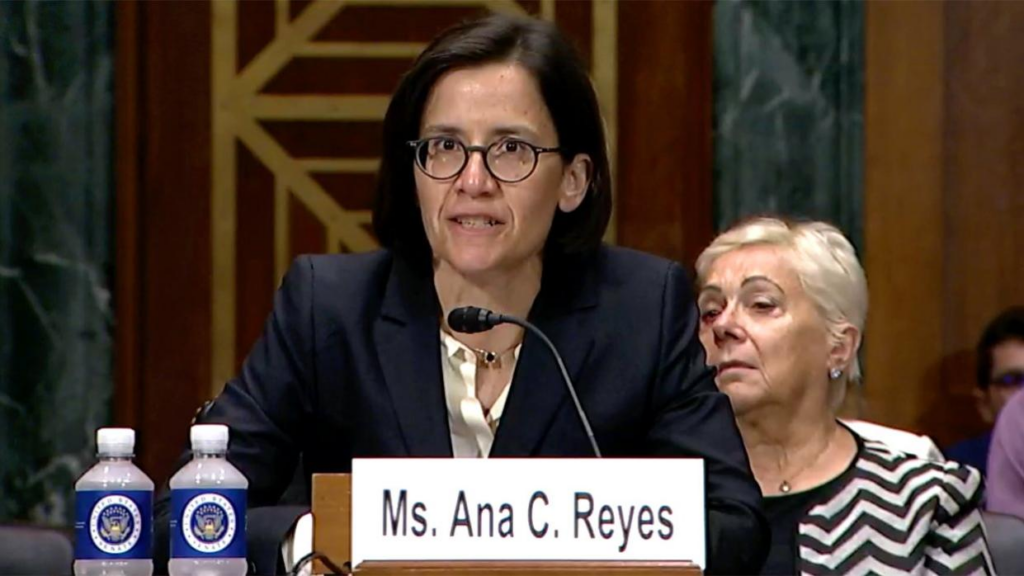
Judge Doesn’t Agree That Watchdog Firings Were Unconstitutional
Judge Ana Reyes faces a complex decision regarding the dismissal of eight inspectors general by President Donald Trump. While their terminations may not fully comply with legal requirements, reinstating them poses significant challenges. Judge Reyes expressed doubt about returning the inspectors to...
Read more →Trump’s Auto Tariffs Impact
President Trump has announced a 25% tariff on auto imports , effective April 2, aiming to generate $100 billion annually in tax revenue. This aligns with his goal to boost domestic manufacturing, exemplified by Hyundai's $5.8 billion steel plant investment in Louisiana. The tariffs seek to...
Read more →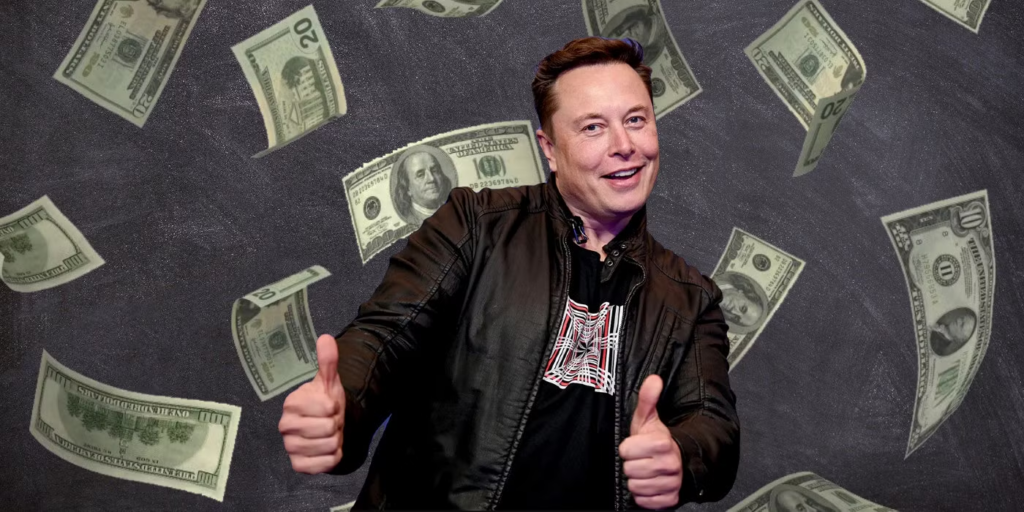
$1m Prize Winner Announced: Musk’s Controversial Political Tactics in Wisconsin
Tech entrepreneur Elon Musk has recently employed controversial political tactics in Wisconsin through his group, America PAC. These actions include: Offering significant financial incentives to voters who sign petitions against ‘activist judges’ Supporting Republican Supreme Court candidate Judge...
Read more →Trump Blames Waltz for Signal Leak
President Donald Trump addressed the Signal leak scandal, shifting blame towards national security adviser Mike Waltz. During an executive order signing, Trump suggested Waltz claimed responsibility for the incident. This contrasted with Trump's earlier stance, where he had implied a staffer might...
Read more →Waltz’s Public Venmo Exposes Media Ties
Michael Waltz's public Venmo account has raised serious security concerns, revealing connections to over 300 friends including journalists and political figures. This oversight comes in the wake of the Signal incident that previously put Waltz under scrutiny. The account's visibility exposes...
Read more →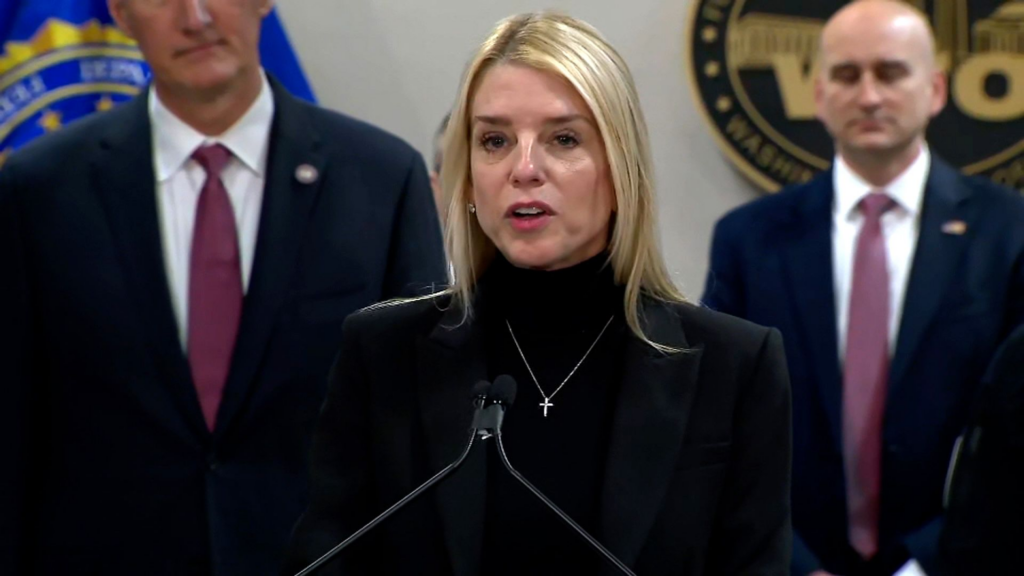
MS-13 Leader Arrested in Virginia
Federal agents have apprehended a key player in MS-13, the notorious criminal organization. Captured in Virginia by a task force focused on bringing transnational gang leaders to justice, this 24-year-old man from El Salvador is accused of orchestrating crimes across the East Coast. This arrest was...
Read more →
Latest Polls: What Happened To Trump’s Approval Ratings?
President Donald Trump’s approval ratings have declined recently, with polls showing a less favorable outlook for the current administration. Starting the year with a net positive approval rating of plus-7, Trump now finds himself at minus-2 in March 2025 . CNN analyst Harry Enten noted Trump’s...
Read more →