
The U.S. Constitution
Archival records, profiles, and educational resources since 1995.
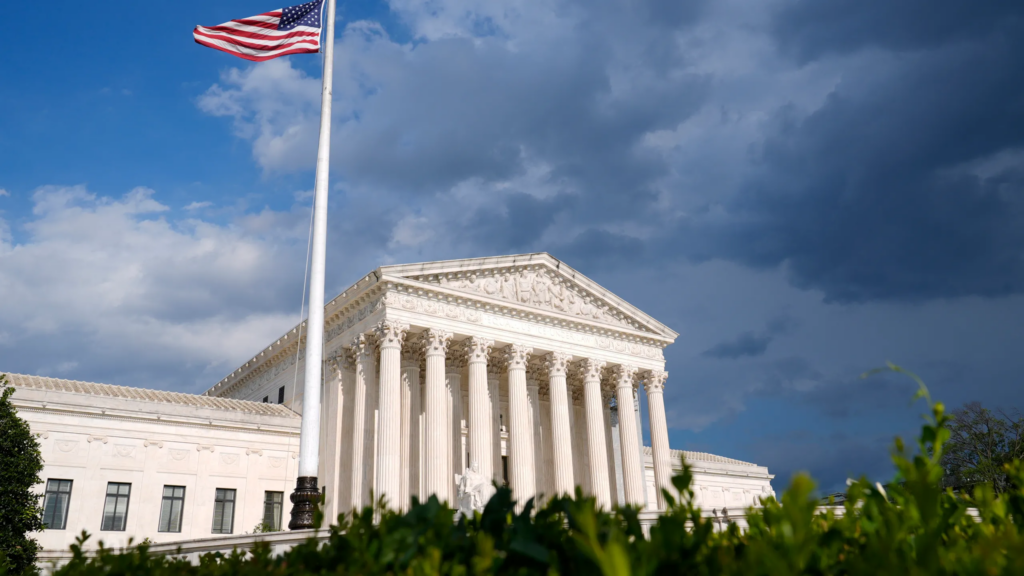
SCOTUS Blocks Trump’s Deportation Efforts
In a significant legal development, the U.S. Supreme Court has temporarily blocked the Trump administration’s attempt to deport Venezuelan migrants under the Alien Enemies Act of 1798. This decision raises critical questions about the applicability of centuries-old legislation to contemporary...
Read more →Protesters Storm RFK Jr.’s Hearing
Protesters stormed a Senate hearing, screaming “RFK kills people with hate!” at Health and Human Services (HHS) Secretary Robert F. Kennedy Jr., disrupting his testimony and spotlighting deep divides over his leadership. As Capitol Police arrested seven, including Ben & Jerry’s co-founder Ben...
Read more →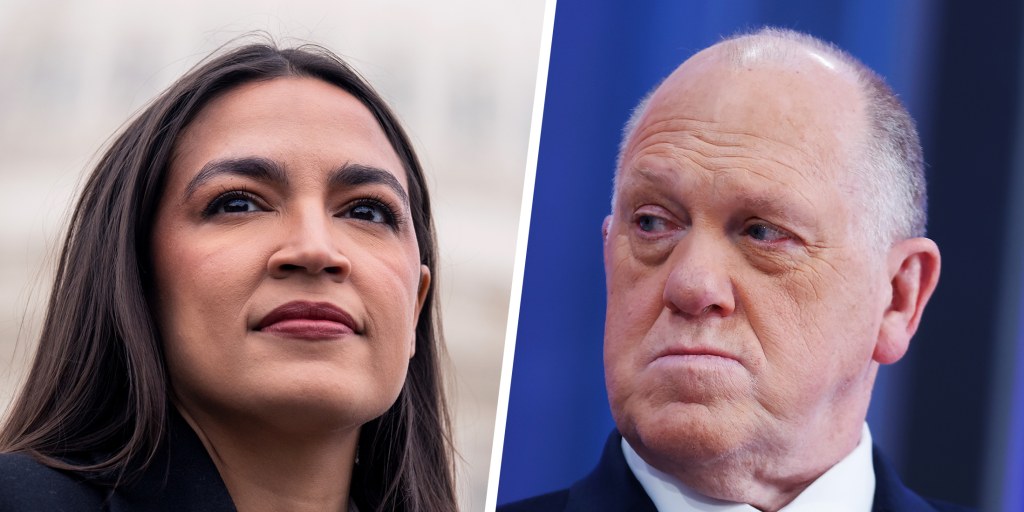
3 Ways Homan’s Feud with AOC Reshapes Your Rights
What happens when free speech collides with border enforcement, and how might it change the protections you rely on? In May 2025, President Donald Trump’s border czar, Tom Homan, clashed with Rep. Alexandria Ocasio-Cortez (D-N.Y.) over her webinar advising migrants on navigating Immigration and...
Read more →
Will Trump Free Floyd’s Killer?
Is a presidential pardon about to unravel justice for George Floyd? Can one man’s decision reignite the flames of 2020’s unrest, and what does it mean for your community’s trust in the system? On May 14, 2025, speculation that President Donald Trump might pardon Derek Chauvin, the former...
Read more →
Unelected Senate Official Could Derail Trump’s Big Bill
Who holds the power to shape the nation’s future when a sweeping legislative package hangs in the balance? Can a single, unelected figure sway the will of elected leaders, and what does this mean for your taxes and healthcare? President Donald Trump’s “big, beautiful bill,” a colossal mix of tax...
Read more →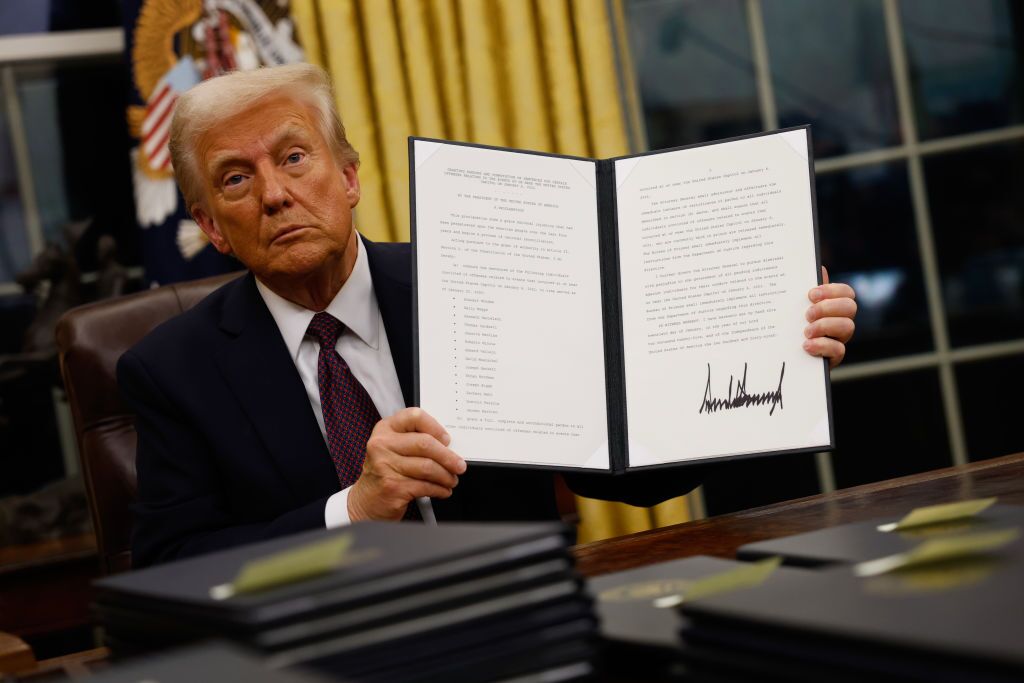
What Trump’s Drug Pricing Order Means for Your Pharmacy Bill
Why are Americans paying triple for the same pills that cost pennies abroad? Can a single presidential pen stroke really slash your prescription costs, and what risks lurk behind the promise of cheaper drugs? President Donald Trump’s executive order , signed on May 12, 2025, aims to revolutionize...
Read more →
3 Things Trump’s China Trade Deal Changes for You
Could a handshake between the world’s economic giants finally ease the sting of rising prices? What does a sudden thaw in a heated trade war mean for your grocery bill, your job, or the gadgets you buy? On May 12, 2025, President Donald Trump announced a surprise trade deal with China, slashing...
Read more →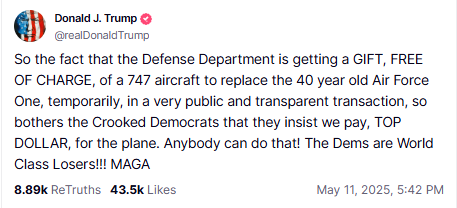
What Qatar’s Jet Gift Means for Constitutional Trust in Trump
Is a lavish gift from a foreign power a generous gesture or a dangerous precedent? Can a president accept a $400 million jet without sparking a constitutional crisis, and what does it mean for your trust in government? The White House’s cryptic response on May 12, 2025, that legal details are...
Read more →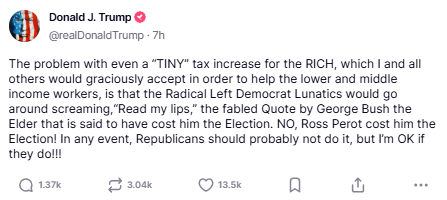
Flipping on Taxes, Trump Tests America’s Founding Principles
Populism often challenges the stability of constitutional structures. The Founding Fathers designed our Constitution with checks and balances to prevent hasty decisions, particularly regarding tax policies. Populist rhetoric sometimes clashes with these constitutional guardrails, favoring direct...
Read more →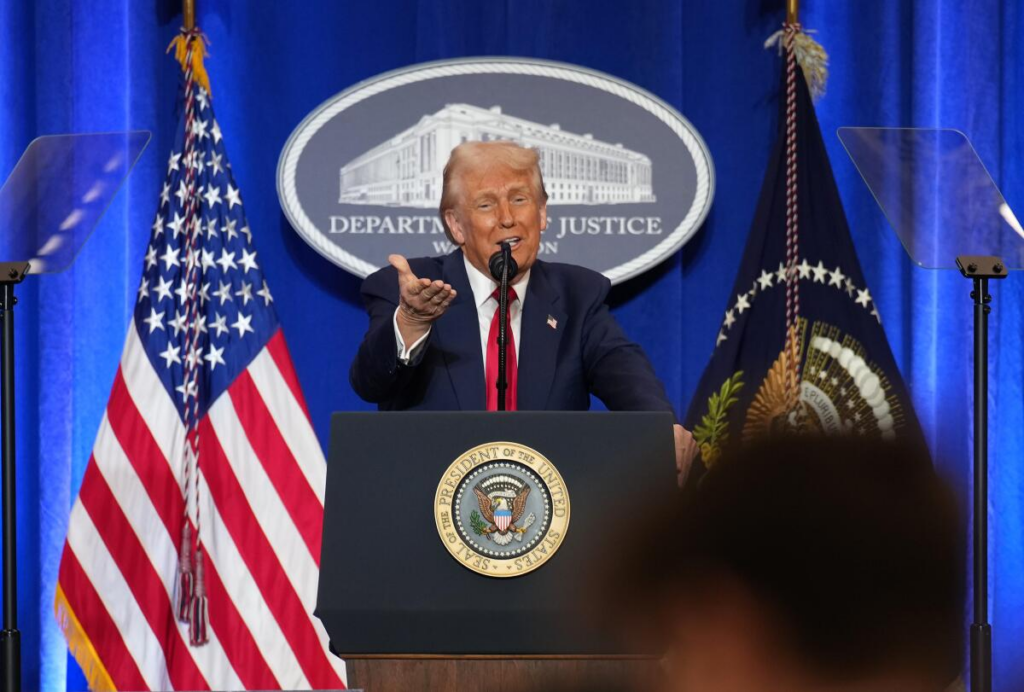
Everything You Need To Know About The ‘Big, Beautiful Bill’
As the 2024 election fades into the rearview mirror and the 2025 legislative calendar begins to heat up, Donald Trump has returned to one of his favorite political catchphrases: the promise of a “big, beautiful bill.” He used it in 2017 to sell sweeping tax cuts. Now, in 2025, he’s dusting off the...
Read more →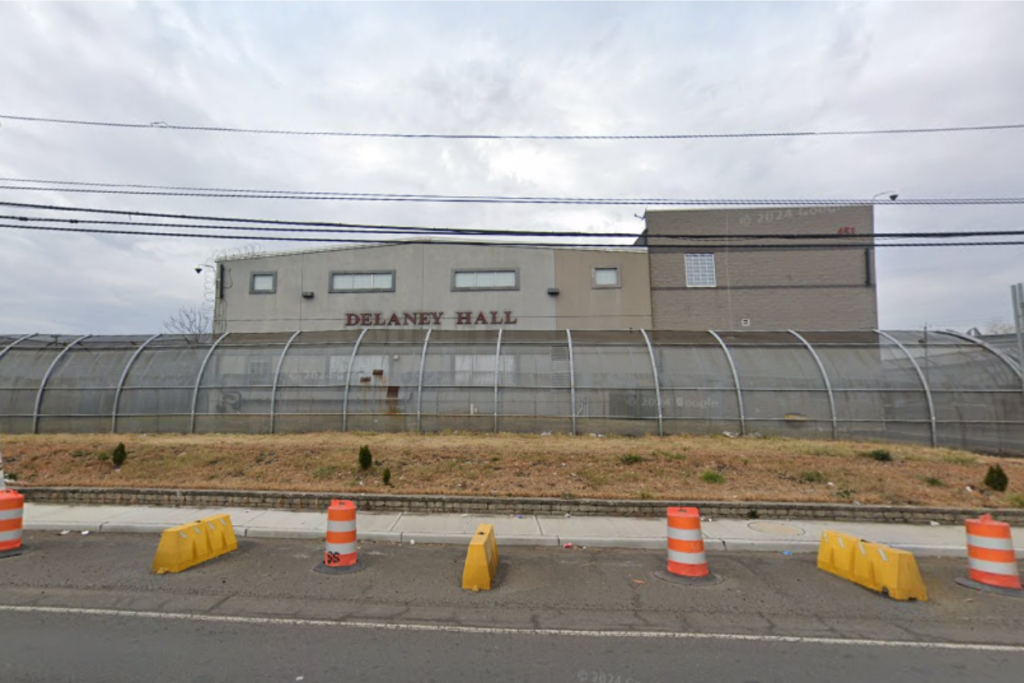
Democrats’ Bold Move at Delaney Hall: Oversight or Overreach?
On May 9, 2025, three New Jersey Democratic members of Congress – Reps. Rob Menendez Jr., Bonnie Watson Coleman, and LaMonica McIver – made headlines by storming through the gates of the U.S. Immigration and Customs Enforcement (ICE) Delaney Hall detention facility in Newark, demanding to conduct...
Read more →
Newark Mayor Arrested At Anti-ICE Protest
Newark Mayor Ras Baraka, a Democratic candidate for New Jersey governor, was arrested by federal authorities on May 9, 2025, at the Delaney Hall ICE detention facility in Newark, accused of trespassing during a protest against its operation. The arrest, which followed a dramatic standoff involving...
Read more →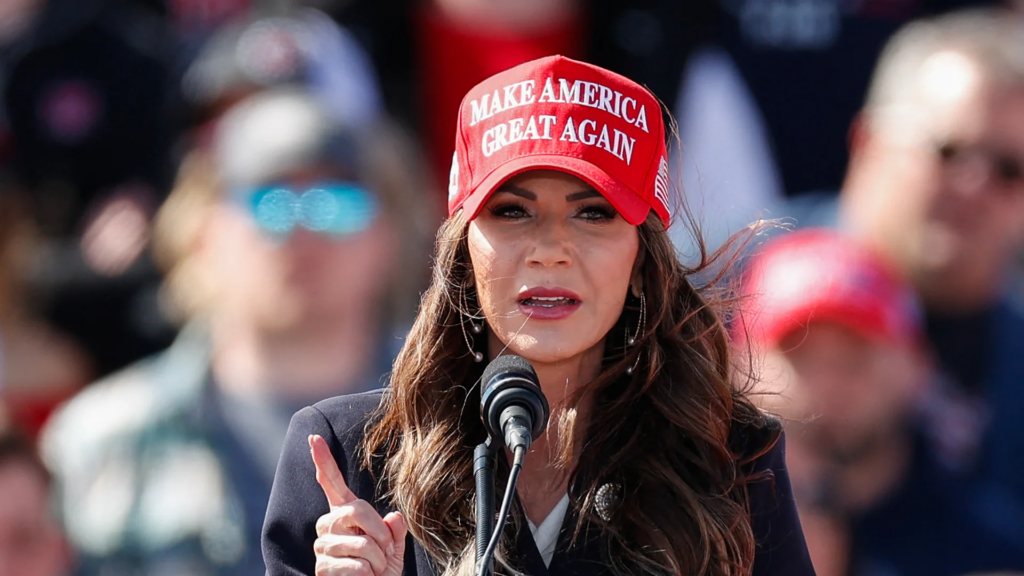
Feds Subpoena California Over Alleged Cash Handouts to Illegal Migrants
The Department of Homeland Security (DHS) has launched an investigation into California, issuing subpoenas on May 12, 2025, to probe whether the state has been funneling federal funds to provide cash benefits to illegal immigrants through its Cash Assistance Program for Immigrants (CAPI). The move,...
Read more →
Judge Forces Trump to Resettle 12K Migrants
A federal judge in Seattle delivered a stunning blow to President Donald Trump’s immigration crackdown on May 5, 2025, ordering his administration to immediately resettle approximately 12,000 refugees into the United States within seven days. U.S. District Judge Jamal N. Whitehead, appointed by...
Read more →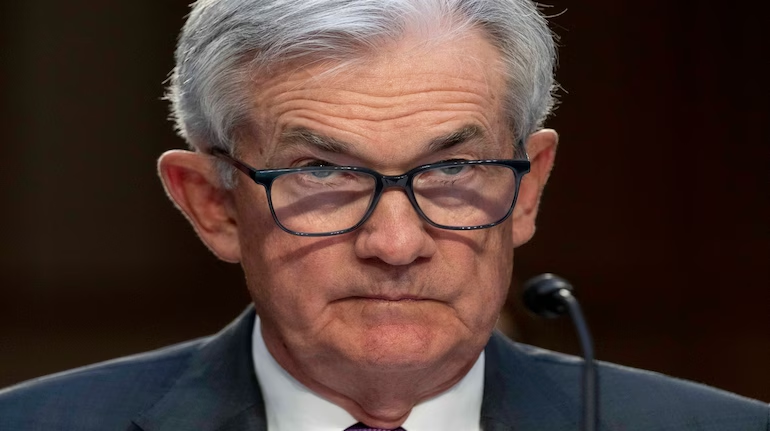
Fed Holds Rates Steady: Tariffs Cloud Path for American Wallets
The Federal Reserve announced on May 7, 2025, that it will keep its benchmark interest rate unchanged at 4.25% to 4.5%, signaling caution amid rising inflation risks and economic uncertainty driven by President Donald Trump’s aggressive tariff policies. Chair Jerome Powell, speaking at a press...
Read more →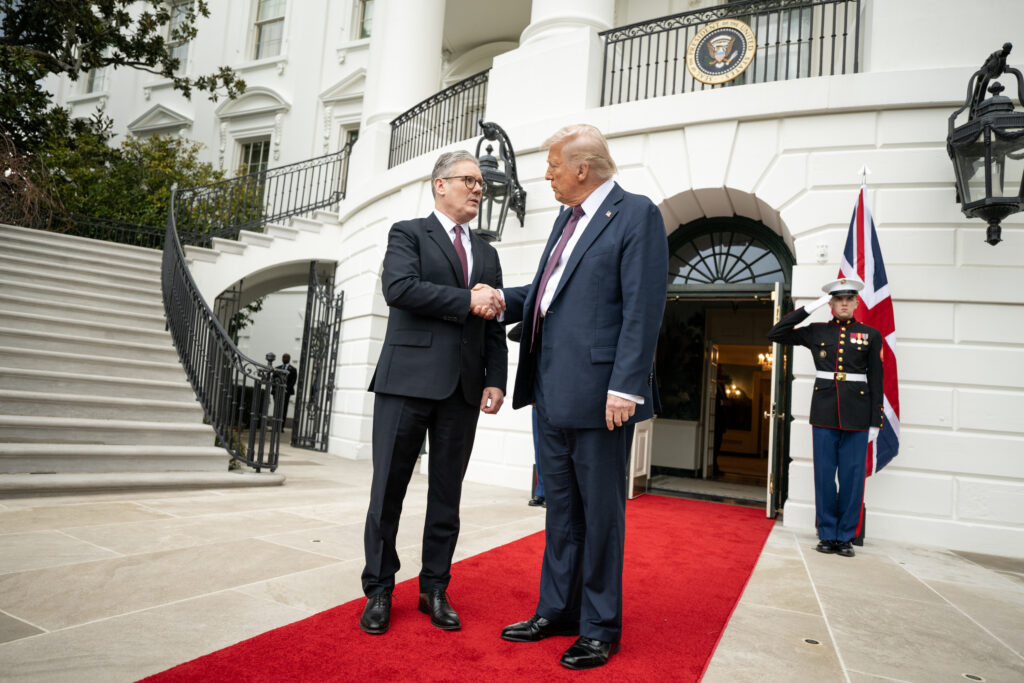
US-UK Trade Deal Breakthrough: Why It Matters
President Donald Trump and British Prime Minister Keir Starmer unveiled a landmark U.S.-UK trade deal on May 8, 2025, the first major agreement since Trump’s global tariff barrage began, slashing trade barriers and signaling a potential model for dozens of nations scrambling to negotiate with the...
Read more →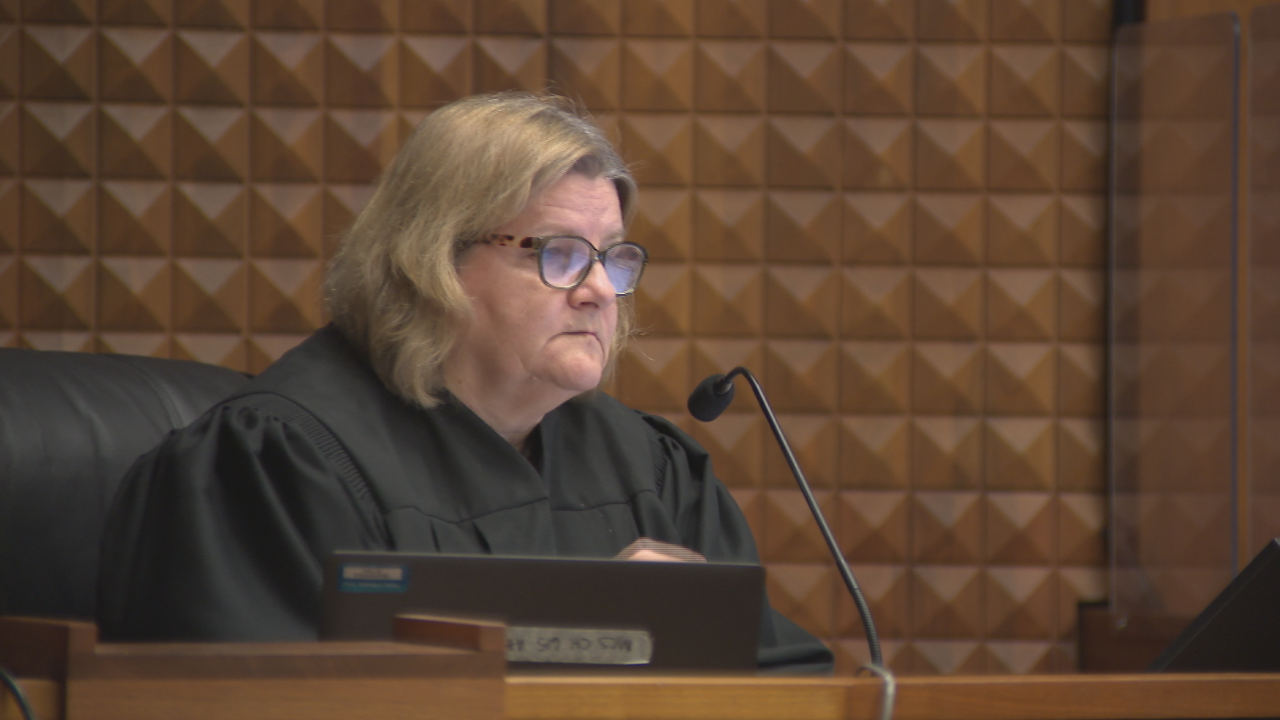
150+ Judges Condemn Trump’s ‘Embarrassing Spectacle’ Against Milwaukee Judge
More than 150 retired federal and state judges, spanning both political parties, unleashed a scathing rebuke of the Trump administration’s arrest of Milwaukee County Circuit Court Judge Hannah Dugan on April 25, 2025, labeling it an “embarrassing spectacle” that threatens the Constitution’s...
Read more →
‘Involved in the deaths of the world’s poorest children’: Gates Criticizes Musk’s USAID Cuts
Elon Musk’s cuts to the U.S. Agency for International Development (USAID), orchestrated by the Department of Government Efficiency (DOGE), have drawn criticism from Bill Gates. Gates emphasized the potentially severe consequences of these actions, particularly the increased risk of disease...
Read more →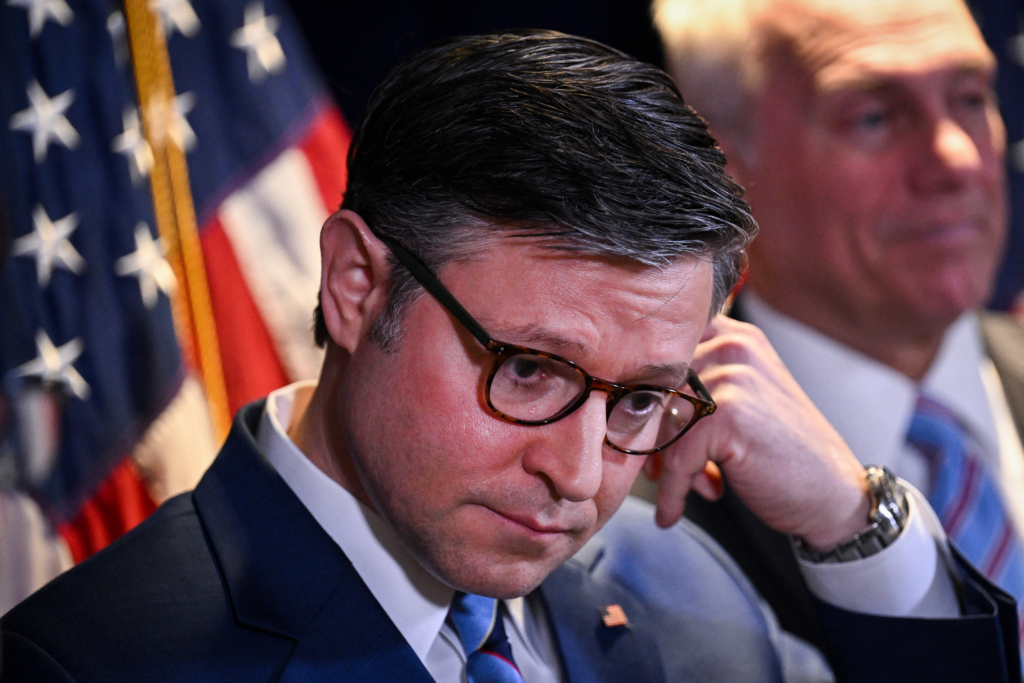
GOP’s $880 Billion Medicaid Cut Plan: Lifeline or Liability?
House Republicans, led by Speaker Mike Johnson, are pushing a budget resolution that could slash Medicaid by $880 billion over the next decade to fund President Donald Trump’s $4.5 trillion tax cut agenda, sparking fierce debate as key votes loom in the Energy and Commerce Committee. The plan puts...
Read more →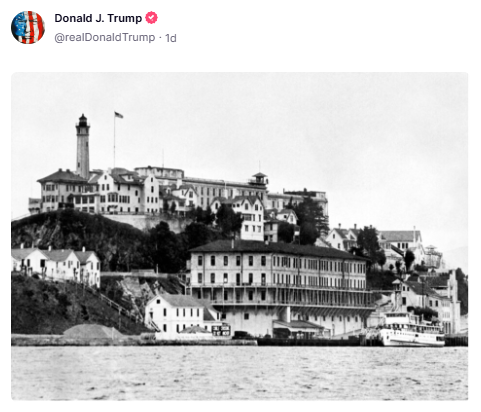
Is Trump Reopening Alcatraz?
President Donald Trump stunned the nation on May 4, 2025, announcing plans to reopen Alcatraz, the infamous San Francisco Bay prison shuttered since 1963, to house “America’s most ruthless and violent offenders.” In a Truth Social post, Trump directed the Bureau of Prisons, DOJ, FBI, and Homeland...
Read more →