
Maria Corina Machado won the 2025 Nobel Peace Prize on Friday for her work promoting democracy in Venezuela. The White House immediately denounced the decision as proof the Nobel Committee “places politics over peace.” Hours later, Machado called Trump to tell him she was accepting the award in his honor because he “really deserved it.”
Trump confirmed the conversation Friday evening, describing Machado as “very nice” and joking that he didn’t ask her to give him the prize “though I think she might have.” The exchange highlighted Trump’s ongoing fixation with winning the Nobel – a desire that’s intensified as allies claim his Gaza peace deal deserves recognition.
The administration’s schizophrenic response – condemning the Nobel Committee while celebrating that the winner credited Trump – reveals tensions between Trump’s personal ambitions for the prize and his allies’ reactions when he doesn’t receive it.
Understanding What Machado Actually Won the Prize For
The Nobel Committee awarded Machado the 2025 prize for “promoting democratic rights in Venezuela” and “for her struggle to achieve a just and peaceful transition from dictatorship to democracy.” She’s spent years advocating what she calls “ballots over bullets” while facing persecution from Venezuelan President Nicolas Maduro’s regime.
Machado was driven into hiding amid Maduro’s crackdown on dissent. Secretary of State Marco Rubio was among lawmakers who nominated her for the 2024 prize, writing that “we have rarely witnessed such courage, selflessness, and firm grasp of morality as we have in María Corina Machado.”

Trump himself called her a freedom fighter who “MUST stay SAFE and ALIVE!” before his January inauguration. The administration has deployed substantial military presence to the region ostensibly to combat narcotrafficking – though many view it as attempting to weaken or drive Maduro from power.
So Trump allies had praised Machado extensively and supported her Nobel nomination. Then she actually won, Trump didn’t, and suddenly the Nobel Committee became politically biased rather than recognizing worthy recipients.
White House communications director Steven Cheung’s immediate reaction – “The Nobel Committee proved they place politics over peace” – came before anyone knew Machado would credit Trump for the award. Once she did, the administration’s position became more complicated.
Decoding Trump’s Explanation for Why He Should Have Won
Trump told reporters Friday evening that Machado said she was accepting the award in his honor “because you really deserved it.” He then offered his own theory about why he should have received the prize: “You could also say it was given out for ’24 and I was running for office in ’24.”
That logic is creative but incorrect. The Nobel Committee awards prizes based on achievements during the previous year. The 2025 prize recognizes 2024 accomplishments. But nominations close at the end of January for each year’s prize, meaning Trump’s Gaza peace deal announced in October 2025 wouldn’t be eligible until the 2026 prize at earliest.
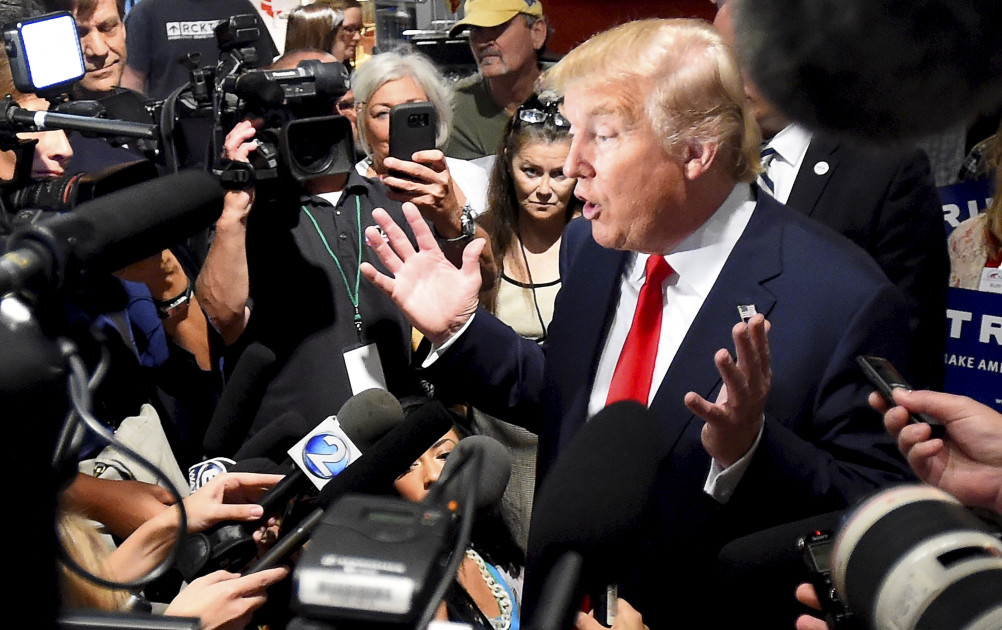
Trump’s Gaza agreement, Saudi normalization progress, and Abraham Accords expansion efforts all occurred during 2025 – after the nomination window closed for this year’s prize. His work can’t be considered for Nobel recognition until next year’s award cycle.
But Trump framed it as though he was running for office in 2024 and therefore deserved the 2025 prize for that year’s accomplishments. The confusion suggests either misunderstanding of Nobel timeline or deliberate conflation to justify his belief that he was snubbed.
His comment that “I’ve been helping her along the way” positioned himself as deserving credit for Machado’s achievement rather than accepting that her decades of democracy advocacy in Venezuela earned the prize independently of American support.
Comparing Administration Reactions to Putin’s Praise
Trump thanked Vladimir Putin hours before confirming his conversation with Machado. Putin had said Friday in Tajikistan that Trump “is really doing a lot to resolve complex crises that last for years, even decades” and questioned whether Trump deserves the Nobel but acknowledged his efforts.
“Thank you to President Putin!” Trump posted on Truth Social, including a clip of the Russian president who has perpetuated ongoing war against Ukraine and defied Trump’s own efforts to end that conflict.
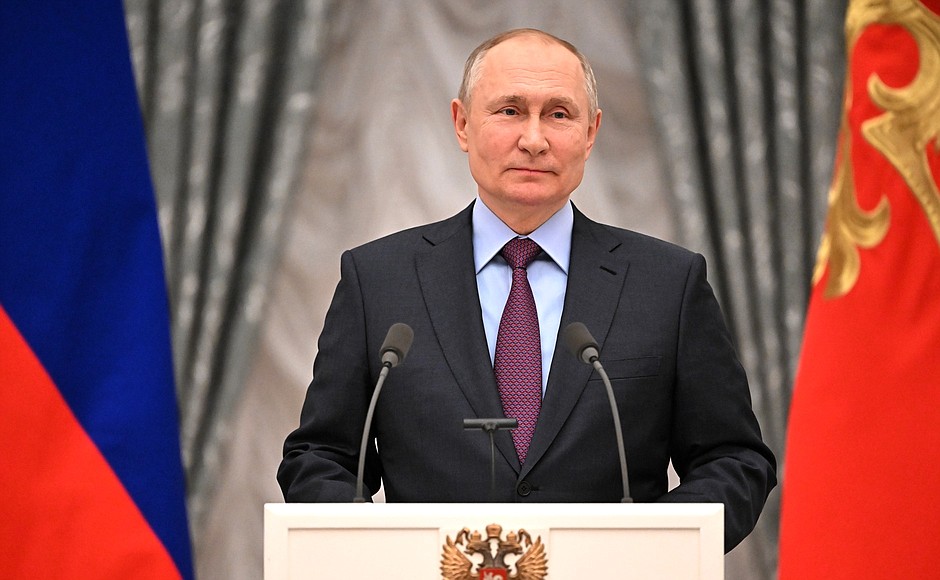
The juxtaposition was striking. Trump enthusiastically thanked Putin for praising his peace efforts while Putin actively wages war. But when the Nobel Committee awarded the prize to someone Trump’s administration had praised and supported, the White House condemned it as political rather than merit-based.
The pattern suggests Trump values validation from strongman leaders over recognition from international institutions. Putin’s compliments generated immediate gratitude. The Nobel Committee’s decision to honor someone else generated complaints about bias.
Richard Grenell, Trump’s envoy for Venezuela, declared the “Nobel Prize died years ago” after Machado’s win. That assessment apparently changed once Machado called Trump to credit him for the award – suddenly her prize had enough legitimacy to accept her dedication.
Analyzing What the Nobel Committee Was Actually Signaling
Benjamin Gedan, Venezuelan director at the National Security Council under Obama, suggested the Nobel Committee was sending messages to both the United States and Venezuelan opposition through Machado’s selection.
“The White House has been sending signals that it might use military force to topple this regime, and that it has the support of Maria Corina to do so,” Gedan told CNN. “It seems to me that the Nobel Committee would prefer that both the United States and the Venezuelan opposition continue to fight peacefully for change.”
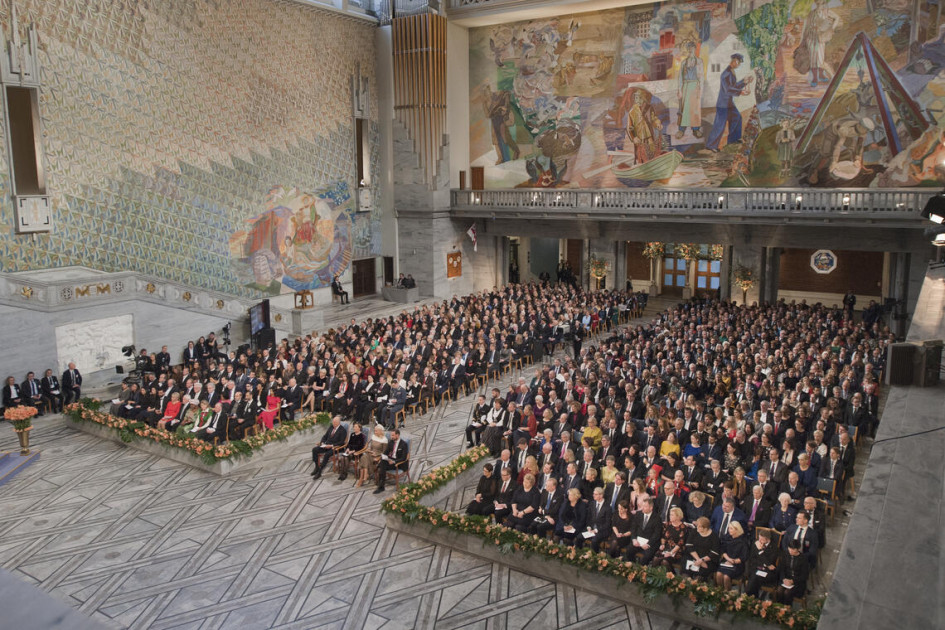
That interpretation makes Machado’s award less about snubbing Trump and more about promoting peaceful democratic transition over military intervention. The Nobel Committee historically uses prize selections to encourage specific approaches to conflict resolution – rewarding peaceful advocacy to discourage violent alternatives.
Machado’s dedication of the prize to Trump complicates that message. If the Committee intended to promote peaceful change over military force, having the winner credit Trump undermines that signal by suggesting American military presence in the region deserves recognition rather than criticism.
“I think the US reaction might reflect both things – frustration that Trump wasn’t chosen but also discomfort with this critique of US policy in the Caribbean,” Gedan said.
The administration’s initial negative reaction followed by acceptance of Machado’s dedication suggests they recognized both the implicit criticism and the opportunity to claim credit once the winner publicly thanked Trump.
Forecasting Trump’s Nobel Prospects for 2026
Trump’s 2025 Middle East peace efforts – particularly if the Gaza agreement holds during implementation – position him as legitimate candidate for the 2026 Nobel Peace Prize. His work on Saudi-Israel normalization and Abraham Accords expansion could strengthen that candidacy if those initiatives produce signed agreements.
Growing numbers of world leaders have said Trump should win the award, particularly as his Gaza peace plan gained momentum. Those endorsements matter for Nobel consideration, though the Norwegian Nobel Committee makes independent decisions about who receives prizes.
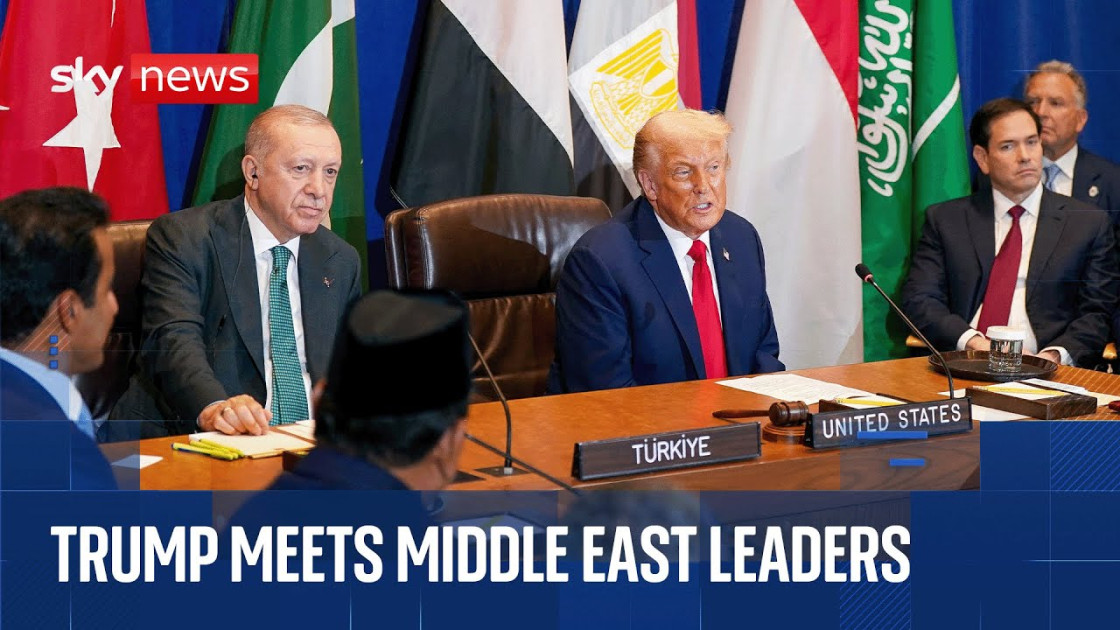
But Trump’s Gaza deal was announced in October 2025, meaning it won’t be eligible for consideration until the 2026 prize. The nomination window closes in January, so Trump’s Middle East work would need to be nominated by January 2026 for consideration in October 2026 announcement.
That timing means Trump has roughly a year to demonstrate whether his peace initiatives produce lasting results or temporary agreements that collapse during implementation. The Nobel Committee awards prizes based on achievement rather than just effort, so sustained peace rather than just announced deals will determine his prospects.
Trump’s obvious desire for the prize and his administration’s hostile reactions when others win create political complications. The Nobel Committee historically resists appearing influenced by political pressure or rewarding leaders who campaign for recognition rather than just pursuing peace for its own sake.
Obama won the 2009 Nobel Prize shortly after taking office based on aspirations rather than achievements. That decision generated criticism that the Committee awards prizes based on politics rather than accomplishment. If Trump wins for Middle East peace deals that later collapse, similar criticisms would follow.
Maria Corina Machado won the 2025 Nobel Peace Prize for decades of democracy advocacy in Venezuela. She dedicated it to Trump and said he deserved it. Trump thanked Putin for praising his peace efforts while the White House condemned the Nobel Committee as politically biased. And everyone continues positioning for next year’s prize announcement when Trump’s Gaza deal might actually be eligible for recognition – if it survives implementation challenges between now and then.