
Fifty-eight percent of Americans call Donald Trump’s first year back in the White House a failure. Fifty-five percent say his policies made the economy worse. Sixty-four percent say he hasn’t done enough about the cost of living that actually matters to them.
And here’s the number that should terrify Republican strategists heading into midterms: 42% of self-described MAGA movement members – Trump’s core base – say he should be doing more on prices.
When you’re losing your own people on the issue they care about most, the political situation isn’t just bad. It’s structural.
The Economy That Isn’t Improving
Americans picked the economy as their top concern by nearly two-to-one over any other issue. Then they said Trump is failing to address it.
Economic conditions have remained stable and negative for two years – about 30% rate the economy positively. What changed isn’t current conditions. It’s future expectations.
Just over 40% expect the economy to be good a year from now. That’s down from 56% when Trump was sworn in last January. In one year, economic optimism dropped 16 points.
The pessimism extends to Trump’s specific actions. A 55% majority say his policies worsened economic conditions. Only 32% say they’ve improved things. Most American- 64% – say he hasn’t gone far enough trying to reduce prices of everyday goods.
The political problem is obvious: Trump campaigned on fixing the economy. Voters elected him to reduce costs. One year later, most say he’s made things worse and isn’t doing enough about what matters.

When Your Own Base Says You’re Not Doing Enough
The most alarming number for Trump isn’t overall disapproval – he’s never had majority approval. It’s the erosion within his base.
Among Republicans and Republican-leaners, about half say Trump should be doing more on costs. That includes 42% of self-identified MAGA movement members saying he needs to do more.
MAGA members represent roughly 40% of GOP-aligned adults. They’re Trump’s hardcore supporters. Nearly universal approval of his overall performance. But 42% want more action on prices.
When your most loyal supporters say you’re not addressing their top concern adequately, you have a problem that rallies and rhetoric can’t solve.
A Republican from Tennessee who responded to the poll captured the conflicted support: “He’s not perfect but he’s actually getting results in what he’s doing.” That’s the defense—he’s getting results somewhere, even if not on what matters most to me.

The Trust Deficit That’s Getting Worse
Only 36% say Trump has the right priorities, down from 45% near the beginning of his term. Only one-third believe Trump cares about people like them – down from 40% last March and the worst rating of his political career.
Those numbers reveal something deeper than policy disagreement. They suggest loss of trust in Trump’s fundamental motivations.
Only 37% say Trump puts the country’s good above personal gain. Only 32% say he’s in touch with problems ordinary Americans face daily.
Here’s the telling detail: more than one-quarter of people who approve of Trump’s presidency overall don’t feel he’s in touch with their problems. You can approve of someone’s performance while believing they don’t understand or prioritize your concerns.
An independent from Oklahoma captured the sentiment: “Even if he is doing some good in areas, he comes across very self-seeking and (shows a) lack of caring about the common good of our citizens.”
That’s not partisan opposition – it’s disappointment from someone evaluating Trump’s performance. You can do good things and still appear selfish. You can achieve results and still seem disconnected from ordinary people’s struggles.
The Comparison Nobody in the White House Wants
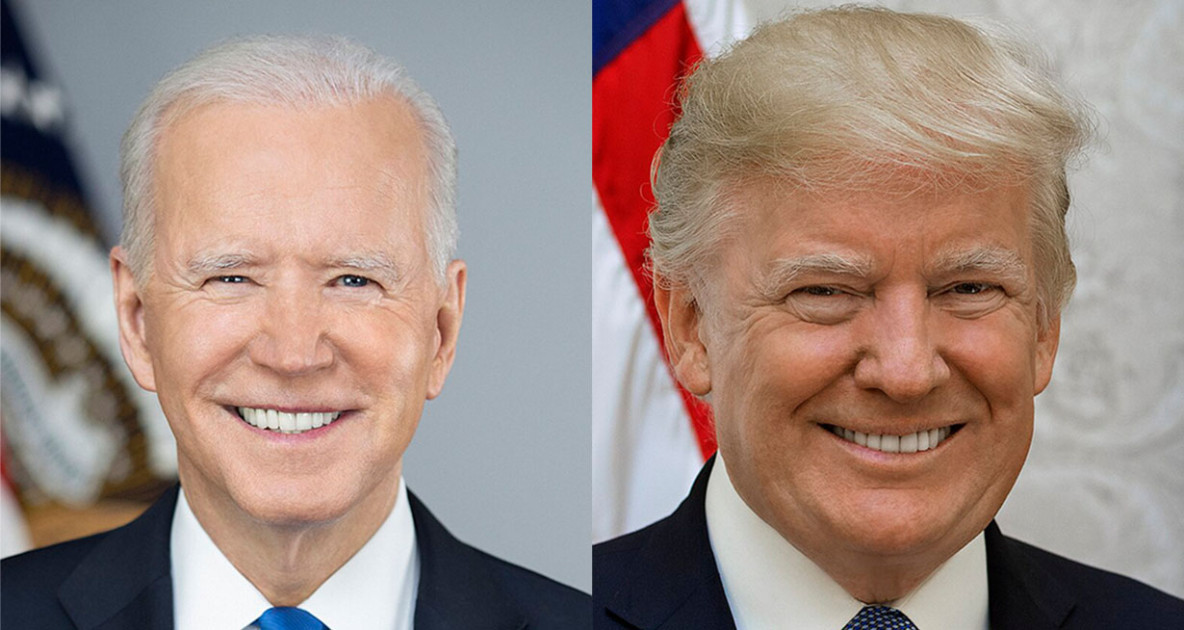
Trump now faces a political situation “not dissimilar” from Joe Biden, who struggled to convince Americans he was tackling economic concerns.
The comparison is devastating for Trump. He ran against Biden’s economic record. He campaigned on being different – a businessman who understands the economy, not a career politician detached from reality.
One year later, the same economic dissatisfaction that destroyed Biden’s presidency is destroying Trump’s approval. Different president, same problem, similar poll numbers.
The key difference: Biden had tepid support even among Democrats. Trump retains robust support within his base – nearly 90% of Republicans approve, roughly half strongly approve.
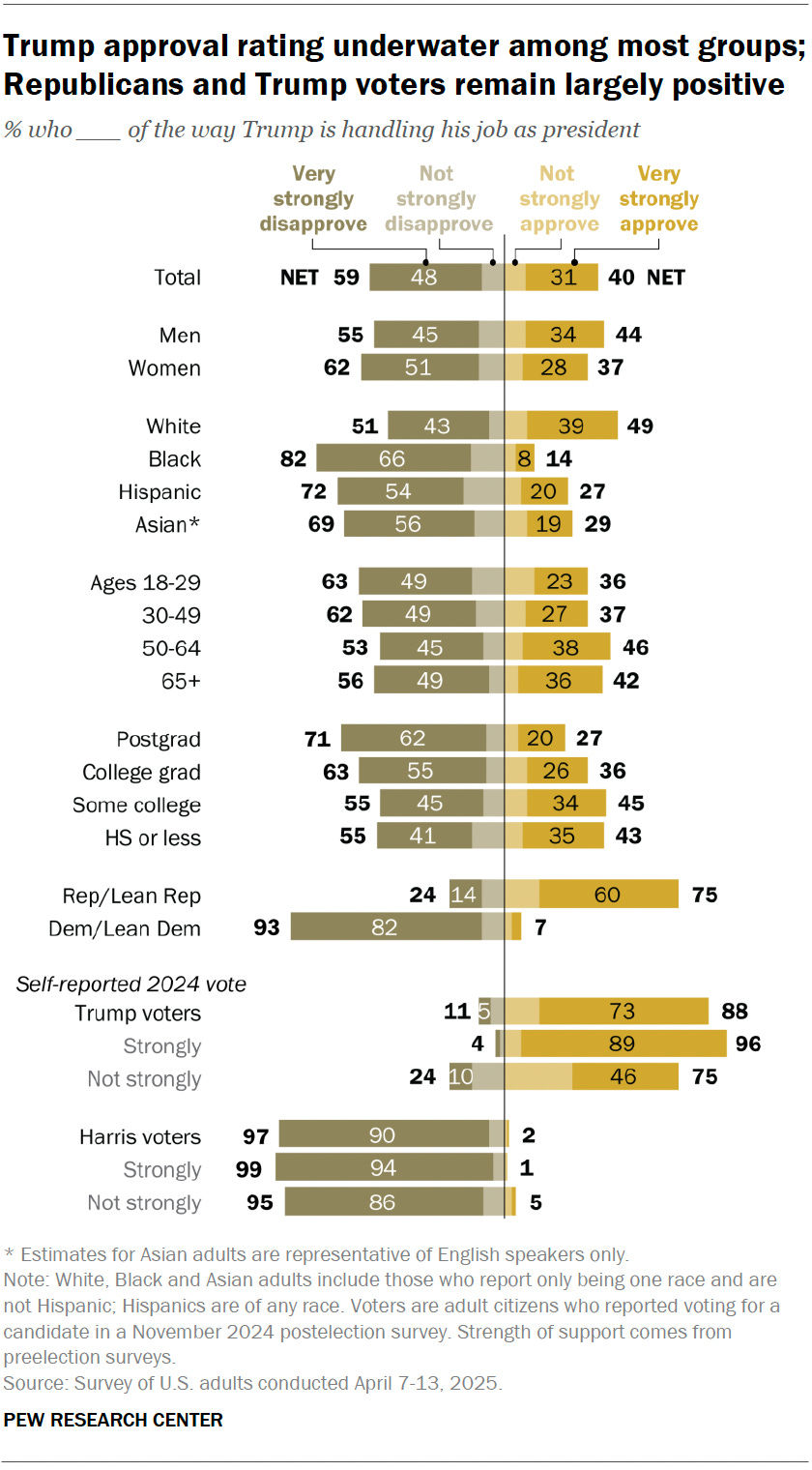
But strong base support without broader appeal creates electoral problems. You can’t win national elections or hold congressional majorities with 39% approval and 29% support among independents.
The Immigration Issue That Stopped Working
During Trump’s first term, his economy ratings regularly exceeded overall approval. Early in his second term, immigration stood out as his signature positive issue.
Now that advantage has disappeared. On every issue tested – economy, immigration, foreign policy, federal management, health care – Trump’s rating falls within 3 points of his overall 39% approval.
Immigration used to be Trump’s political weapon. When overall approval sagged, immigration approval stayed higher, proving voters trusted him on border security even if they questioned other areas.
That’s gone. Immigration approval has dropped to roughly match overall approval. The issue that defined Trump’s political identity and drove his base no longer provides political cushion.
The loss is significant. Without a signature issue where he maintains strong approval, Trump has no political refuge. Every issue produces roughly the same negative response.
The Power Problem That’s Getting Worse
Most Americans now say Trump has gone too far using presidential power – 58%, up from 52% at the start of his term.
The increase matters. Early concerns about executive overreach have intensified rather than normalized. The more people see Trump exercise power, the more they believe he’s exceeding appropriate limits.
Specific findings are worse:
- 62% say he’s gone too far changing cultural institutions like the Smithsonian and Kennedy Center
- 57% say he’s gone too far cutting federal programs
- About 50% say he’s gone too far changing how government works
These aren’t marginal concerns—they’re majority positions. Most Americans believe the president is overreaching across multiple dimensions of federal authority.
The Democracy Concern That Ranks Second
Americans call the economy their top concern. Democracy ranks clearly second. Among Democrats, it’s the top issue.
About one-quarter of Americans who disapprove of Trump cite misuse of presidential power or treatment of American democracy as their reason.
That’s not partisan noise—it’s substantive concern about constitutional boundaries. When a quarter of your disapprovers cite abuse of power as their primary objection, the problem isn’t messaging. It’s the exercise of power itself.
The polling reveals Americans see connection between Trump’s actions and democratic norms. They’re not just disagreeing with policies—they’re questioning whether the president respects constitutional limits.
The Demographic Erosion
Trump’s approval among independents: 29%. That’s catastrophic for midterm elections where independent voters decide competitive races.
Virtually no support among Democrats—expected and not politically meaningful by itself.
But 30% approval among Latinos and adults under 35, down from 41% among both groups at the start of his term. Losing 11 points among young voters and Latinos in one year creates demographic problems that compound over time.
These aren’t groups Trump dominated previously. But 30% approval versus 41% makes the difference between competitive races and unwinnable ones in diverse districts and swing states.
The Cultural Institutions Fight
Sixty-two percent say Trump has gone too far trying to change cultural institutions. That’s the highest percentage of any overreach question.
The finding suggests Americans distinguish between policy changes they may disagree with and institutional changes that feel like overreach.
You can oppose Trump’s immigration policies while accepting they’re within presidential authority. But changing the Smithsonian or Kennedy Center feels different – like using presidential power to reshape cultural institutions that should be independent.
The distinction matters politically. Policy disagreements are normal. Institutional overreach triggers constitutional concerns.
What 58% Failure Rating Actually Means
Fifty-eight percent calling Trump’s first year a failure isn’t just bad polling. It’s a political emergency heading into midterms.
Congressional majorities flip when presidents are unpopular. Midterm elections historically punish the president’s party. A 58% failure rating with 39% overall approval makes every Republican House member in a competitive district vulnerable.
Senate races tighten. House seats flip. The party in power bleeds support because voters use midterms to check unpopular presidents.
Trump’s base will turn out – they always do. But 39% approval means Republicans need near-perfect base turnout plus significant independent support to hold majorities. The 29% independent approval makes that math nearly impossible.
The Midterm Math That Doesn’t Work
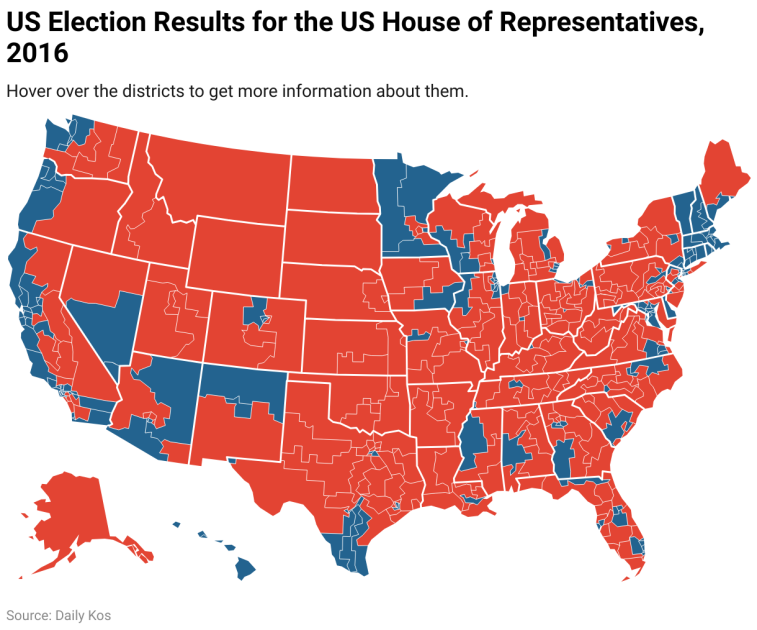
Republicans hold narrow House majority. Democrats need relatively few seat flips to retake control. Every Republican in a district Biden won becomes endangered with Trump at 39% approval.
Senate math is more complex—depends on which seats are up. But the pattern holds: unpopular presidents lose congressional seats in midterms. It’s not partisan analysis. It’s historical pattern.
The only modern presidents who gained congressional seats in midterms had approval ratings significantly above 50%. Trump at 39% faces historical headwinds that overwhelm candidate quality and fundraising advantages.
The Pride Gap
Only 35% call Trump someone they’re proud to have as president. That’s personal, not political.
Americans can approve of job performance while not feeling pride. You can think someone is effective without being proud they represent the country.
The pride gap suggests deeper problems than policy disagreement. It reflects embarrassment, disappointment, or resignation about presidential conduct and character.
You can’t easily change that through better communication or policy wins. Pride connects to how someone behaves, speaks, and represents national values. If 65% aren’t proud of their president, the problem is fundamental.
The Stamina Question
Fewer than half say Trump has the stamina and sharpness to serve effectively. For a 79-year-old president seeking to maintain political control, questions about mental and physical capacity create political vulnerability.
The concern isn’t overwhelming – still close to half think he has adequate stamina. But the doubt exists and could grow. Presidential capacity questions intensify over time, they rarely improve.
Biden faced similar questions that contributed to his political collapse. Trump is now old enough that the same concerns apply. When voters doubt presidential capacity, every verbal stumble and scheduling decision becomes evidence of decline.
What Changed in One Year
Trump’s approval ratings held around 48% last February. They declined within the first 100 days of his second term. They’ve remained in low 40s or high 30s since.
The pattern suggests initial benefit-of-the-doubt that evaporated once Trump governed. Voters gave him a chance. His actions and policies lost their support.
The erosion happened quickly – within 100 days – and stabilized at low levels. That suggests the problems aren’t temporary reactions to specific events but fundamental responses to Trump’s approach to presidency.
The Issue Trump Lost
Trump had immigration as signature issue. It’s gone. He had economy advantage in first term. It’s gone. He has strong base support—that remains.
But base support alone doesn’t win national elections or hold congressional majorities. You need swing voters. You need independents. You need some crossover Democrats in red states.
At 39% overall approval, 29% among independents, and virtual zero among Democrats, the coalition doesn’t exist for electoral success beyond deep-red areas.
What Happens in November
Midterm elections are 10 months away. Poll numbers can change. Political environments shift.
But historical patterns are strong: unpopular presidents lose congressional seats. Trump at 39% approval faces math that few presidents overcome.
Republicans will argue polling is wrong – they’ve done it before. Sometimes they’re right. But being wrong about polling repeatedly doesn’t make current polls less concerning.
The fundamentals are bad: unpopular president, wrong-track country, economic dissatisfaction, concerns about democratic norms. Those fundamentals historically predict midterm losses for the president’s party.
The Number That Tells the Story
Forty-two percent of MAGA members say Trump should do more on prices.
That’s the number that matters most. Not overall approval – Trump’s never had majority support. Not independent voters – he’s never won them decisively. Not Democrats – he’s never courted them seriously.
But his own people – the true believers, the MAGA movement members – saying he’s not doing enough on what matters most to them.
When you lose your base on your signature issue, the political situation isn’t fixable through messaging. It requires actual policy changes that produce real results people can feel.
Trump has 10 months until midterms to convince Americans – including significant portions of his own base – that he’s addressing the economy effectively. The polling suggests he’s moving in the wrong direction.
Fifty-eight percent call his first year a failure. The question for November is whether Republicans in competitive districts can survive that failure rating, or whether voters will use midterms to check a president they believe has the wrong priorities and isn’t addressing what matters.
The Constitution creates midterm elections as accountability mechanism. November will test whether that mechanism still works when a president maintains strong base support but loses everyone else.