
A government shutdown always comes with a familiar script: press conferences, finger-pointing, and the same recycled lines about “responsibility” and “priorities.” But there is one detail that cuts through the performance because it is not theoretical. It is rent. It is groceries. It is childcare. It is a missed paycheck.
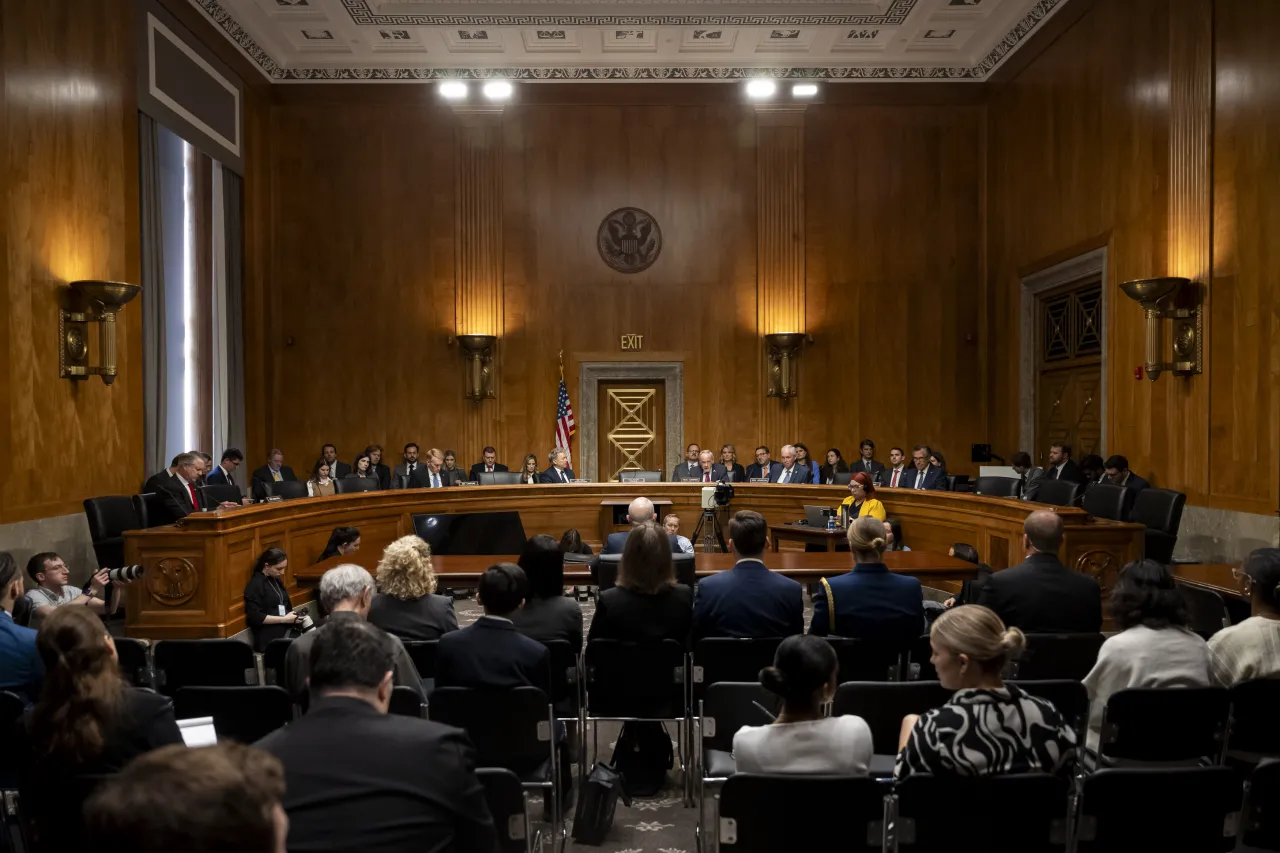
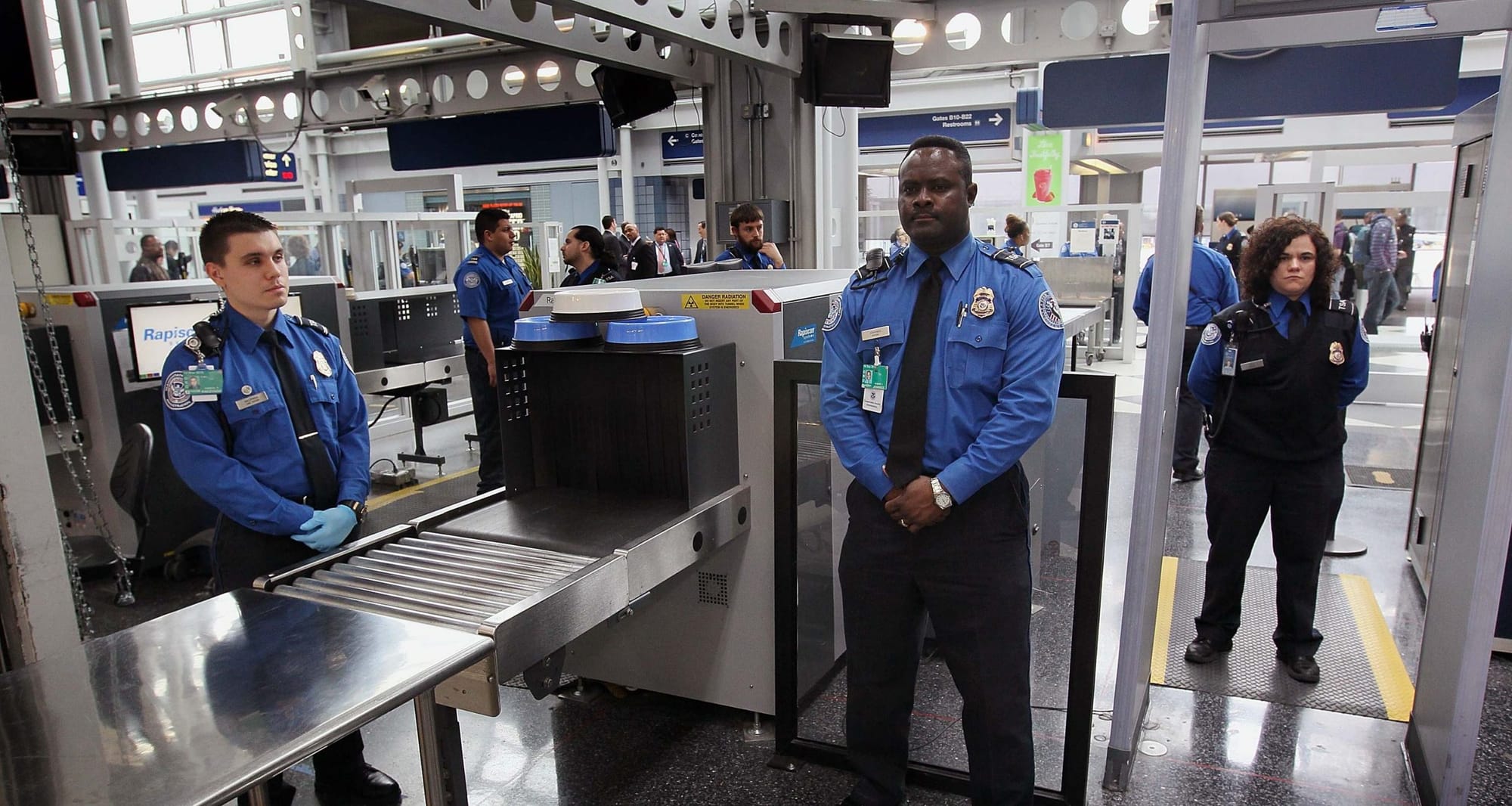
At a Senate confirmation hearing for Sen. Markwayne Mullin, President Donald Trump’s nominee to lead the Department of Homeland Security, Sen. Bernie Moreno of Ohio took aim at that human reality. Nearly 260,000 DHS employees, including Transportation Security Administration workers, have gone without pay for more than a month. Moreno called the political behavior surrounding the standoff “disgusting” and “disgraceful.”
And here is the question worth asking: when elected officials use the machinery of government as leverage, who is actually being leveraged?
Join the Discussion
Who absorbs the shutdown
Moreno’s point was brutally simple. The people missing paychecks are not the ones drafting agency policy or negotiating appropriations. They are the workforce that keeps the system functioning even when the system stops paying them.
“260,000 American citizen families who have not received a paycheck in over a month. None of those people are in charge of policy,” Moreno said. He then added the line that ought to make every member of Congress shift in their seat: “There isn't a single human being on this dais that has missed a paycheck.”
This is the hidden inequity of shutdown politics. Lawmakers can posture longer than most families can float a month without income. The consequences land on employees who cannot bargain with their mortgage the way senators bargain with a funding bill.
It is a civics problem
Shutdowns are often discussed like storms, as if they are natural events. They are not. They are choices made inside a constitutional structure that separates powers and forces bargaining.
The Constitution gives Congress the power of the purse. It gives the executive branch the duty to execute the laws. When those two realities collide in a funding impasse, the result is less a “pause” and more a distortion. Agencies continue performing essential work, but the normal exchange between labor and pay is severed.
That should bother Americans regardless of party. Not because every shutdown has a single villain, but because the incentives are warped. The pain is concentrated on employees and their families, while the political class turns that pain into political material.
Moreno’s rebuke
Moreno accused Democrats of treating the standoff like a social media strategy instead of a governing responsibility. He described parents explaining to kids why routine activities now have to be canceled, arguing that families are being squeezed so politicians can produce “a 30-second video online” to fundraise for the next election.
“They're having to tell their kids they can't send them to dance recital because they did everything right in life except got a job with the Department of Homeland Security so that a politician can make a 30-second video online to fundraiser for the next election,” he said.
That critique took on sharper edges because it is not abstract. Weeks earlier, Sen. Cory Booker posted a video on social media vowing to vote against funding DHS until reforms are made to the agency. In a shutdown, those kinds of messages can read like a badge of virtue. But the bill comes due somewhere else, in the households of the people who keep DHS running.
Peters and the dais
Moreno also trained his fire on Homeland Security and Governmental Affairs ranking member Gary Peters, accusing him of failing to keep his promise of keeping key agencies funded. According to the exchange, Peters was not paying attention. Moreno called it “incredibly disrespectful,” then pressed him directly: “You said you're going to fund all these agencies. Here's one that you haven't funded.”
This is the part of shutdown politics that rarely makes it into tidy narratives. It is not only the policy disagreement. It is the casualness with which the human cost can be treated as background noise, even in the room where the arguments are being staged.
USCIS and the irony
Moreno also homed in on an irony he says the shutdown exposes: the pressure campaign does not land only on enforcement agencies. It also hits offices tied to legal immigration.
Holding up a poster board during the hearing, Moreno pointed to U.S. Citizenship and Immigration Services and described it in personal terms: “USCIS is near and dear to my heart. That's how I became a US citizen.” He went further, arguing that the agency that allows legal immigrants into the country has been defunded. “That is insane,” he said. He cited 3,300 employees working to process legal immigrants who, in his telling, are also caught without pay.
It is fair to debate reforms. It is fair to demand accountability. But it is also worth being honest about the mechanism. A shutdown is not a scalpel. It is a blunt instrument, and Moreno’s point is that it slices through the people doing the work, including the ones processing lawful applications.
ICE, CBP, and specifics
Moreno also railed against the defunding of Customs and Border Patrol and Immigration Customs and Enforcement, demanding that critics speak with specificity about what they want to cut and why.
He focused particularly on ICE, framing the argument around criminal networks rather than slogans. “Be specific,” he urged, pushing critics to say plainly whether they want to stop funding the 7,000 special agents he described as responsible for stopping transnational criminal organizations, drug smugglers, and human traffickers.
Whether you agree with Moreno’s framing or not, the underlying point is sturdy. In a system built on accountability, clarity matters. If lawmakers believe an agency needs reform, they should articulate the reform and write it into law. Shutdown theater offers the opposite of clarity, and it makes ordinary employees the pressure point.
The mirror
The Constitution does not guarantee good faith. It assumes ambition will counter ambition. It assumes each branch will protect its prerogatives. But it does not prevent elected officials from using ordinary people as the leverage in an institutional fight.
Moreno’s outrage, theatrical as it may have sounded to some ears, forces a question that belongs in every shutdown headline: if the goal is to punish political opponents, why is the punishment delivered to the workforce?
It is also why the broader political context matters. A day before Moreno’s comments, Senate Majority Leader John Thune accused Democratic leadership of holding DHS agencies “hostage” amid negotiations for appropriations. That word is loaded, but it captures the same underlying reality Moreno was describing. In shutdown politics, the people who miss pay are the ones used to move the chess pieces.
When nearly 260,000 DHS employees go unpaid for weeks, that is not just a budgeting malfunction. It is a civics failure, and one that will keep repeating until voters demand something rarer than winning: governing.