
The First Lady’s Soft Power: An Unwritten Role in Constitutional Diplomacy
As presidents and prime ministers debate the hard edges of a peace deal for Ukraine – territory, treaties, and security guarantees – a second, quieter track of diplomacy has opened. A sealed letter was passed from an American president to a Russian one in Alaska.
Days later, a Ukrainian president arrived at the White House bearing a reply.
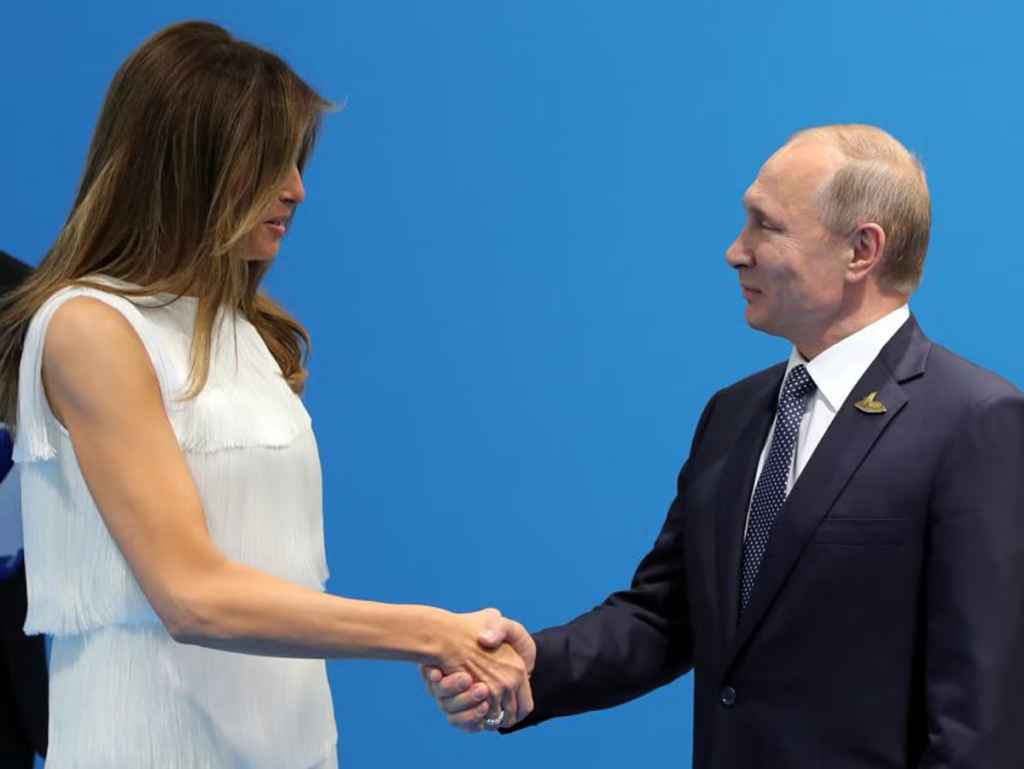
This exchange was not between heads of state, but between their wives. The emergence of First Lady Melania Trump as a personal envoy in the high-stakes negotiations to end the war is a fascinating and constitutionally significant exercise of informal, personal diplomacy.
It is a powerful reminder that in Washington, influence is wielded not only through the formal powers of the Constitution, but also through the unwritten roles that surround the presidency.
An Unwritten Office, An Undeniable Influence
The role of the First Lady is not defined anywhere in the U.S. Constitution. It is a position of immense influence that is shaped entirely by tradition and the individual who holds it. Some First Ladies have been traditional hostesses, while others, like Eleanor Roosevelt and Hillary Clinton, became powerful policy advocates in their own right.
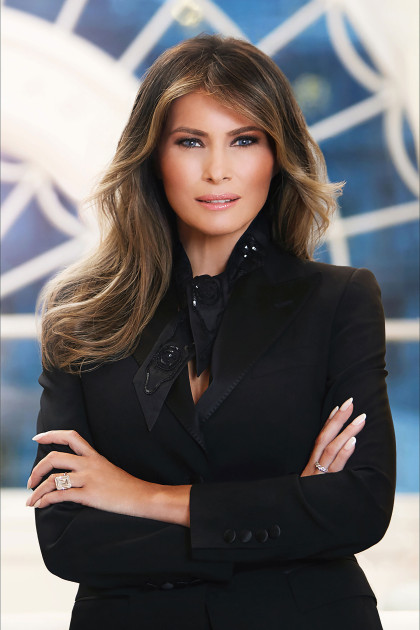
Melania Trump is now carving out her own unique role as a high-level, personal diplomat. By writing a direct appeal to Vladimir Putin, she is using the “soft power” of her position to influence a global conflict.
A Diplomatic Appeal to “Humanity”
The First Lady’s letter, which President Trump personally delivered to President Putin, was a strategic masterpiece of soft power. According to a copy obtained by Fox News, the letter never mentions Ukraine by name.
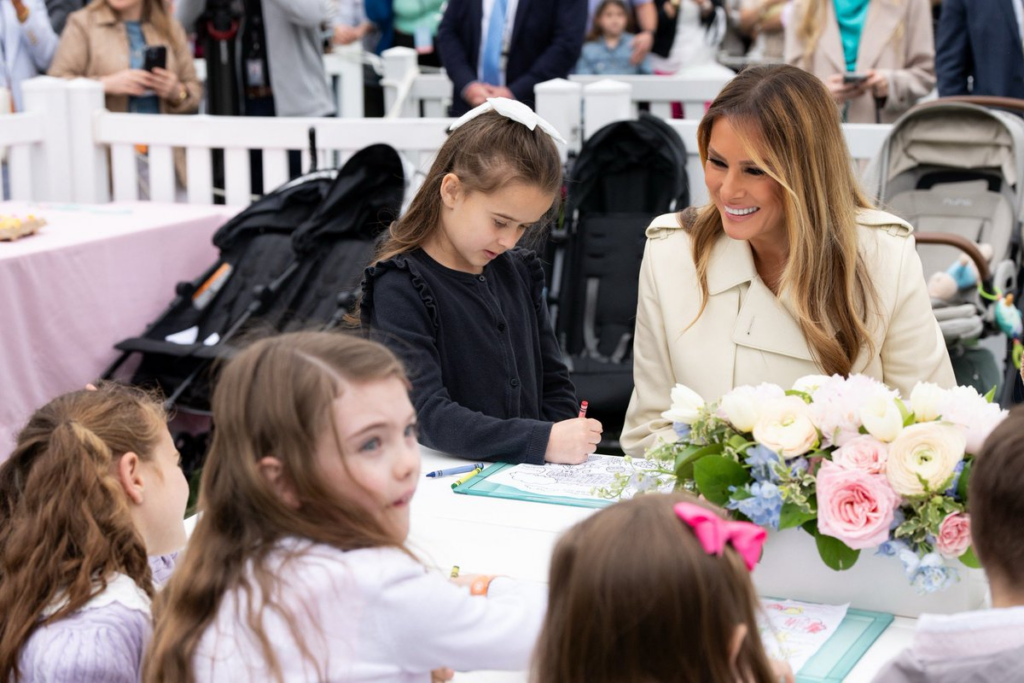
Instead, it frames the conflict through the universal and emotionally resonant lens of the suffering of children.
“Every child shares the same quiet dreams in their heart,” she wrote. “Mr. Putin, you can singlehandedly restore their melodic laughter… In protecting the innocence of these children, you will do more than serve Russia alone – you serve humanity itself.”
This is a deliberate choice to step outside the contentious political debate and appeal to a shared sense of humanity. It is a form of diplomacy designed to complement the President’s more transactional negotiations, and it has clearly had an effect.
President Zelenskyy arrived in Washington bearing a letter from his wife, Olena, thanking Mrs. Trump for her efforts on behalf of Ukraine’s children.
The “One Voice” Doctrine in Action
This episode is also a classic example of how the executive branch is supposed to function on the world stage. A long-standing principle of American foreign policy is that the nation should speak with “one voice”—that of the President.
The First Lady’s diplomatic efforts are not an independent foreign policy; they are in direct and powerful support of her husband’s stated goal of achieving peace.
This stands in contrast to the often-conflicting messages that can come from Congress or other parts of the government. In this case, the entire executive apparatus, including the East Wing, is marshaled behind a single presidential objective.
While commentators and congressional leaders debate the formal terms of a potential peace deal, the quiet, personal diplomacy of the First Lady has added a new and unpredictable dimension to the process.
Influence in our constitutional system is not always wielded through the formal powers laid out in Articles I, II, and III. The unwritten, informal role of the First Lady, when used strategically, can become a significant force in shaping both domestic and international events.