
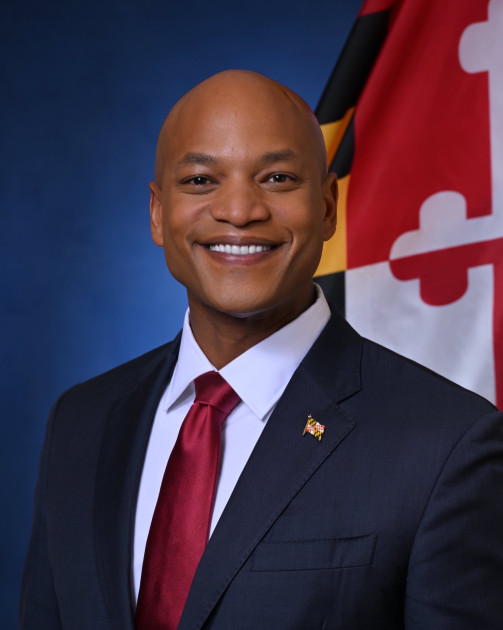
In a rare display of intra-party defiance, the Maryland General Assembly has bulldozed the objections of its own Democratic governor to force the state into a contentious debate over slavery reparations. By overriding Governor Wes Moore’s veto with supermajorities in both chambers, lawmakers have cleared the path for a new commission tasked with determining how – and if – current taxpayers should compensate the descendants of the enslaved.
This vote exposes a deep fracture within the state’s leadership regarding how to address racial disparities. While the Governor argued for pragmatic economic policies over “more studies,” the legislature has opted to open a Pandora’s box of historical grievances and potential financial liabilities.

When a Governor Says “Enough Studies”
Governor Moore’s veto was not rooted in a denial of history, but in a critique of bureaucracy. In his veto letter, he argued that Maryland has already spent twenty-five years launching commissions and study groups to examine the legacy of slavery and lynching.
His argument was one of executive efficiency: the state knows the history, and it should focus on current policies to narrow the wealth gap rather than creating another government body. However, the legislature disagreed.
“At a time of growing attacks on diversity and equity, today’s action reaffirms our shared commitment to truth-telling,” the Legislative Black Caucus stated.
What is On the Table?
The newly minted Senate Bill 587 does not immediately authorize payments, but it empowers a commission to recommend them. The scope of potential remedies is vast and financially significant.
The commission is tasked with weighing forms of reparations including:
- Official statements of apology.
- Direct monetary compensation.
- Property tax rebates.
- Child-care support and debt forgiveness.
- Higher education tuition waivers.
This moves the conversation from abstract “equity” to concrete financial transfers, a shift that inevitably triggers fierce political and constitutional debate.
The “Moral and Fiscal” Cliff
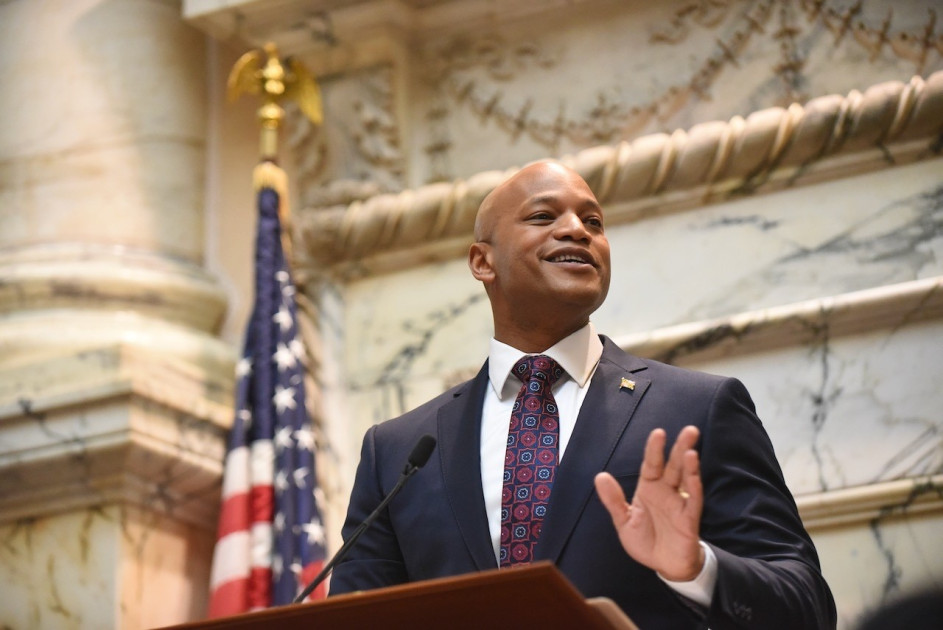
Republican opposition to the measure was blistering. Delegate Matthew Morgan characterized the commission as a vehicle for “race-bait handouts,” arguing that it betrays the unifying spirit of the civil rights movement.
“It’s immoral and it’s fiscally ruinous to this state and it sends a message… to flee Maryland,” Morgan warned.
This highlights the central tension: can a state government constitutionally redistribute wealth based on the actions of ancestors centuries ago?
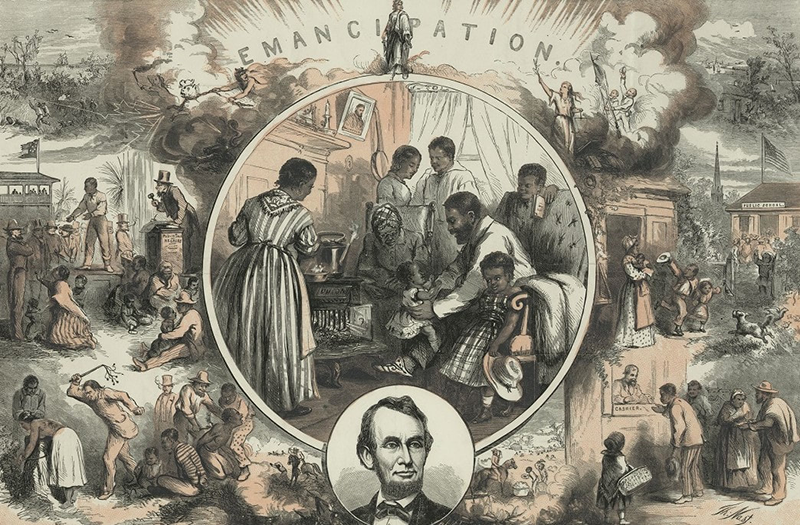
Historical Tidbit: Maryland occupies a unique space in this history as a “border state” during the Civil War. While it remained in the Union, it was a slave state, meaning the Emancipation Proclamation – which only applied to states in rebellion – did not technically free Maryland’s enslaved population until the state adopted a new constitution in 1864.
A Collision Course with the Courts?
While the commission is currently only authorized to study and report (with a final deadline of November 2027), any resulting legislation that mandates race-based cash payments will face immediate legal scrutiny.
The Supreme Court has grown increasingly skeptical of race-conscious government policies, as seen in the recent affirmative action rulings. A state program that allocates tax dollars based on race—even for remedial purposes—will have to clear the high hurdle of “strict scrutiny” under the Equal Protection Clause of the 14th Amendment. Maryland’s legislature has won the battle against their Governor, but the war over the constitutionality of reparations is just beginning.