
The Republican National Committee (RNC) has succeeded in getting the Supreme Court of the United States to review a major dispute over state laws that allow mail-in ballots to be counted if postmarked by Election Day but received days later. The case centers on whether such “grace period” rules run afoul of federal election-day statutes.
The ballot-deadline challenge could affect more than a dozen states, many of them swing states, that currently permit ballots arriving after Election Day. The RNC’s argument: the Constitution and federal statute require that the election end the day the polls close, not days later.
At stake is more than procedural timing. It is a constitutional clash over who controls when a federal election ends, how states administer mail-in voting, and what happens to ballots caught in slow mail or process delays. The question echoed by many legal observers: Can votes cast on time but counted late really count?
How We Got Here
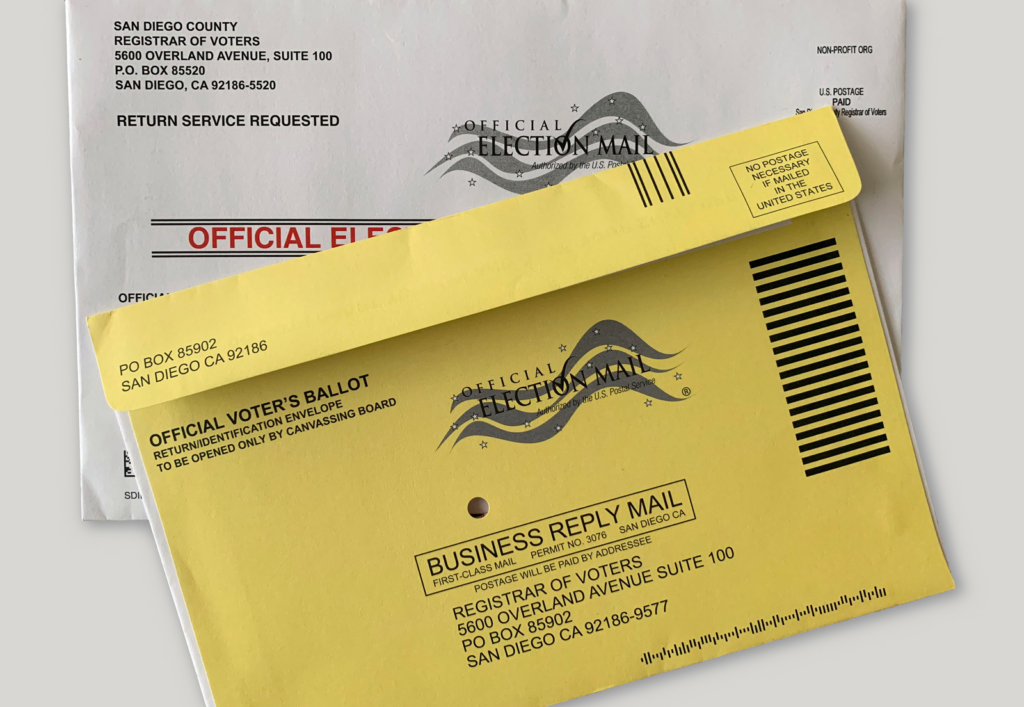
Many states expanded mail-in and early voting during the pandemic. Some of those states adopted rules that allow ballots post-marked by Election Day but arriving days later to be counted. These “grace periods” were defended as accommodating postal delays and voter access issues.
The Mississippi example is central: its law allows ballots post-marked by Election Day to be counted if received within five business days. The Fifth Circuit found that violated federal law by extending the election beyond the fixed day Congress set. The RNC then asked the Supreme Court to step in.
The state of Mississippi, and other states enforcing late-receipt rules, argue that the moment a ballot is mailed (or cast by postmark) is effectively the vote, and postal delivery after the date is simply an administrative matter—not a new vote. The RNC disagrees: counting after election day shifts the result-deadline and undermines uniformity.
“An ‘election’ is final only when the final ballots are received and the electorate, not the individual selector, has chosen.”
Key Legal and Constitutional Issues
Uniform Election Day vs. State Variation
Federal law under 2 U.S.C. § 7 sets the date for elections of federal office. The challengers argue that states cannot effectively extend that deadline by counting ballots days after. The states argue they may structure their election administration so long as ballots are cast by Election Day.
Access and Postal Realities vs. Integrity Concerns
Proponents of late-arrival windows say they accommodate voters whose ballots were post-marked on time but delayed in processing or mail. Opponents counter that delays invite uncertainty, slow results, and potentially shift race outcomes when late ballots are counted after initial tallies.
Standing and the Role of the Courts
Past challenges to late-receipt laws were dismissed on standing grounds. This case, however, has cleared at the appellate level, meaning the Court may now weigh the substantive question of ballot-receipt deadlines rather than just procedural barriers.
What Happens Next
The Supreme Court has granted review of the case for its 2025-26 term. Arguments are expected late winter or early spring, with a decision likely by June 2026—just in time to shape rules for the next major federal elections.
Should the Court strike down late-arrival counting windows, states that currently permit such practices would need to revise their mailed-ballot procedures—potentially shortening deadlines to receipt by Election Day. That could disrupt existing systems and raise access concerns for mail voters. Conversely, a decision upholding the grace periods would reaffirm current practices in many states.
In other words: one of the rules about when a valid vote turns into a valid counted vote may change dramatically. Administrators, voters, parties and the USPS will all be watching.
Why It Matters – For Democracy and the Constitution
This fight is not just procedural—it touches the foundation of how we count votes in America. At its core: when is a federal election really over, and who gets to decide? The Constitution gives states broad power over elections, but that power is not unlimited. Federal statutes and the Supremacy Clause limit how far states can diverge from national standards.
If the Court’s decision narrows late-receipt windows, voters who rely on mail-in ballots may be squeezed by delivery delays, at-home schedules, or local postal issues. If the Court affirms the grace periods, states will maintain flexibility—but critics say the threat of delayed tallies and changing results will persist. Either way, the ruling will echo into other contested election rules.
The real question isn’t whether late-arrival ballots are helpful or problematic—it’s whether America’s election system counts every valid vote while also respecting a uniform deadline that gives elections finality, transparency and public confidence.