
A quiet errand, a familiar public building, and a surprisingly unsettled constitutional question: can the federal government categorically ban firearms inside U.S. post offices?
A federal judge in Connecticut has now said yes, upholding the prohibition on guns in post office buildings and sharpening a growing disagreement among federal courts over how the Second Amendment applies to everyday federal spaces. A district court in Texas has reached the opposite conclusion, finding the ban unconstitutional. Conflicting rulings like these do not settle the question nationwide, but they can add pressure for appellate courts and, eventually, the Supreme Court to weigh in.
The Connecticut ruling
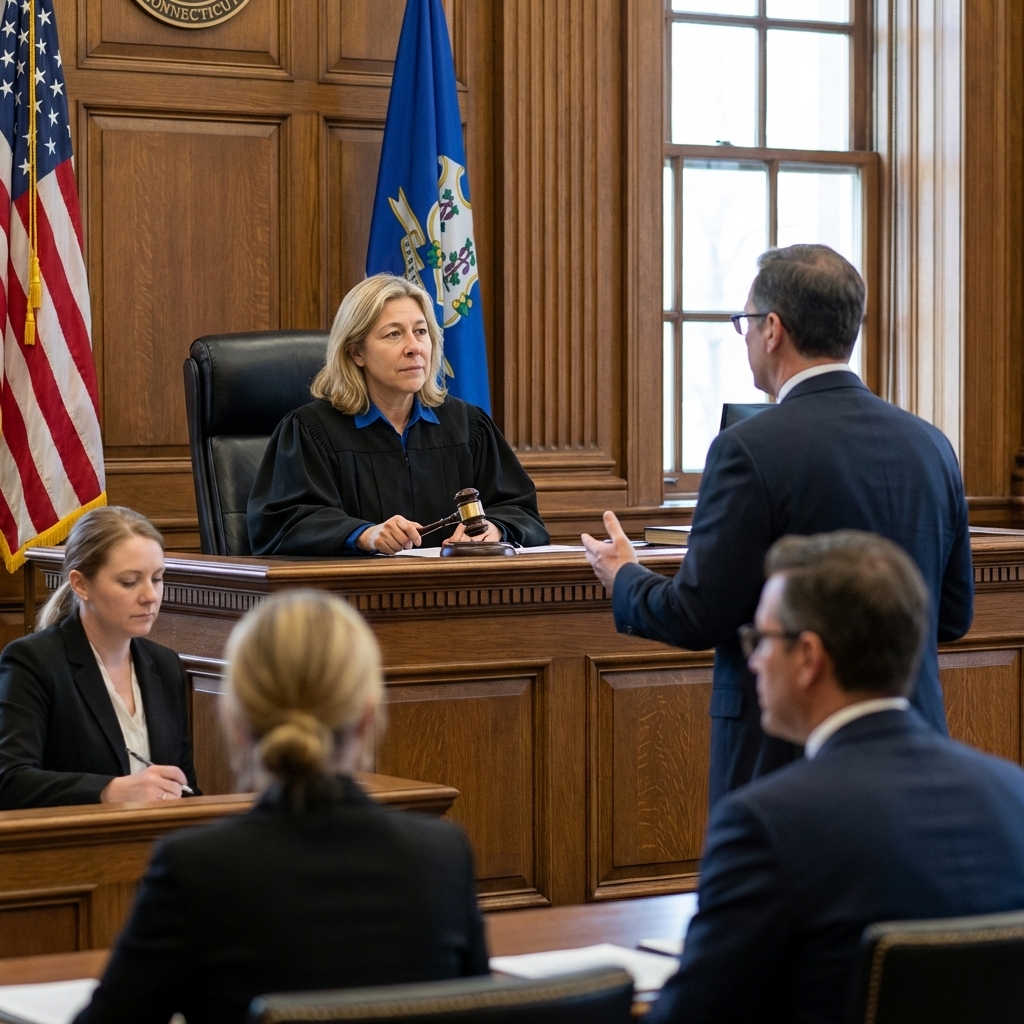
In the Connecticut case, Judge Oliver upheld the federal restriction that bars firearms in U.S. post offices. The court’s core reasoning leaned on historical tradition, concluding that restrictions on carrying weapons in crowded areas have long existed and that the post office fits within that lineage.
In plain terms, the opinion treats a post office as the kind of heavily used public setting where the government has historically been allowed to impose tighter rules aimed at safety and order.
What the challengers argued
The challenge was brought by David Nastri along with We The Patriots USA. Their position was straightforward: law-abiding citizens, they argued, should be able to carry for self-defense even when they step into a post office.
Judge Oliver rejected that argument for this particular federal location, concluding the ban does not violate the Second Amendment under the history-focused framework the court applied.
The Texas contrast
The most important practical development here is not just that one judge upheld the ban, but that another federal court in Texas found the post office gun ban unconstitutional. Even if the factual settings differ, divergence like this creates uncertainty for ordinary people and for the government. A rule that survives in one court but falls in another is a recipe for more litigation and appeals.
What a split means
Right now, this disagreement is at the federal district court level. That is significant, but it is not the same as a binding nationwide conflict. Still, it can shape where lawsuits get filed and how quickly the issue moves upward through the courts.
The key point is simple: a split is emerging, and if higher courts continue to disagree, it could help set the stage for Supreme Court review.
Real-world effects
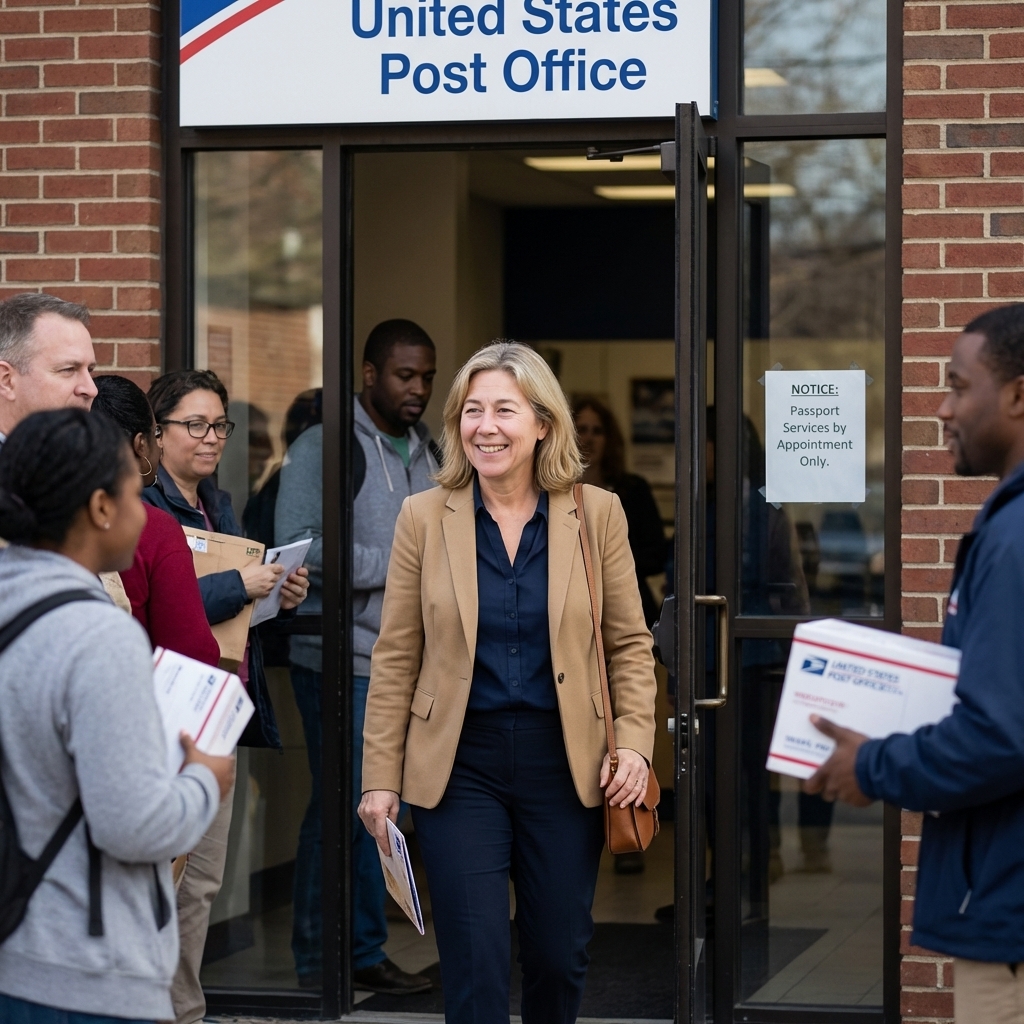
For licensed gun owners, the dilemma is practical as much as legal. The post office is a common stop, and a federal building brings federal rules. The Connecticut decision reinforces that, in at least some jurisdictions, carrying inside a post office remains prohibited.
USA Carry notes that the uneven legal landscape can leave some people with injunction protection while others remain subject to the ban. Until the courts provide a clearer, more uniform answer, the day-to-day experience of armed citizens can depend on where they are and which ruling applies.
Why this may go higher
The post office question has the ingredients that often lead to further review: a federal policy, a routine public location, and conflicting outcomes in different federal courts. For now, the takeaway is modest but important. The Second Amendment debate is not only about sweeping laws or headline-grabbing bans. It also turns on ordinary places Americans visit and whether the government can impose broad carry restrictions there.