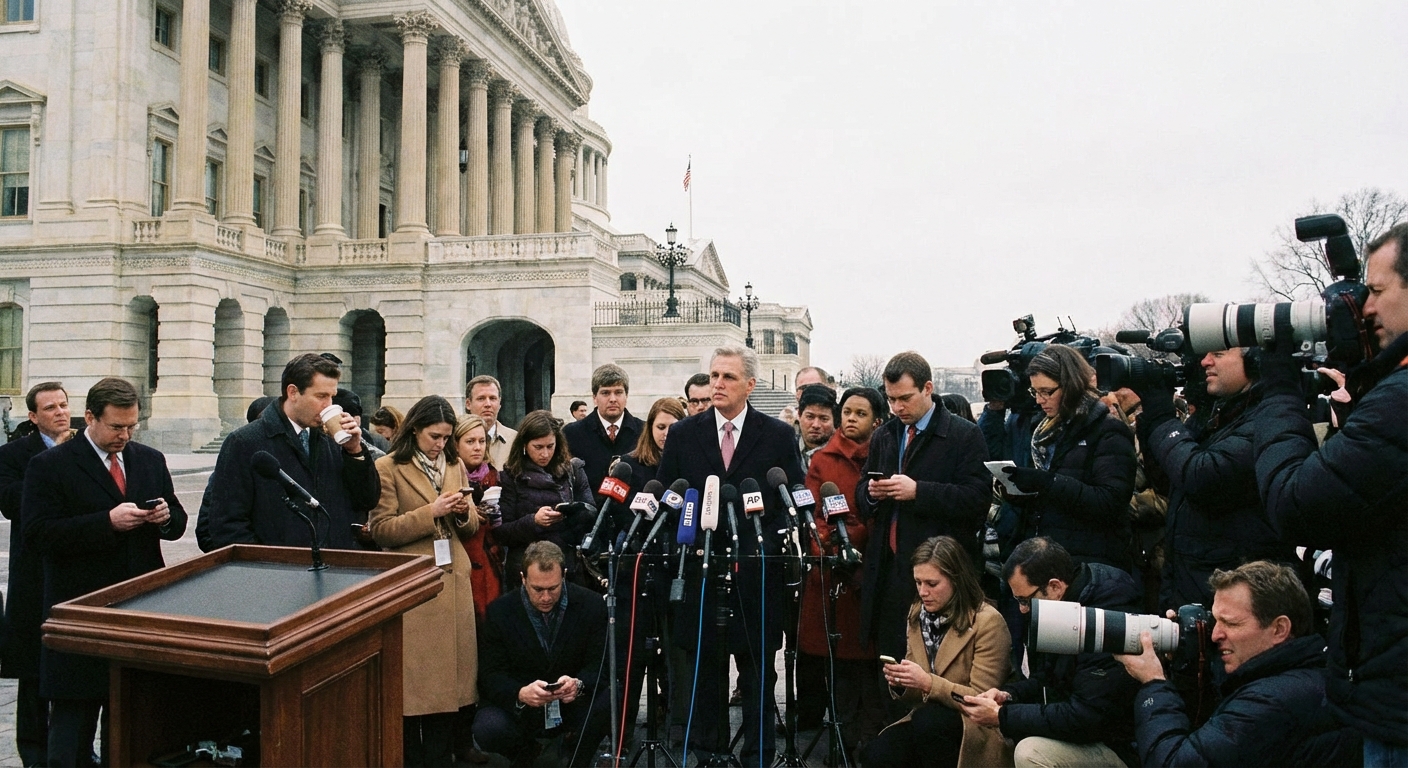
A federal courtroom in Washington, D.C. became an unexpectedly plainspoken forum on press freedom Friday, as U.S. District Judge Paul Friedman pressed the Justice Department over new Pentagon rules that would condition journalists’ access on an agreement to avoid reporting information not approved by Pentagon officials.
At issue is the government’s ability to manage sensitive defense information and the public’s ability to learn what its military and civilian leaders are doing in its name. Judge Friedman’s blunt summary of the stakes was hard to miss: “Asking a question is not criminal.”
What the dispute is about
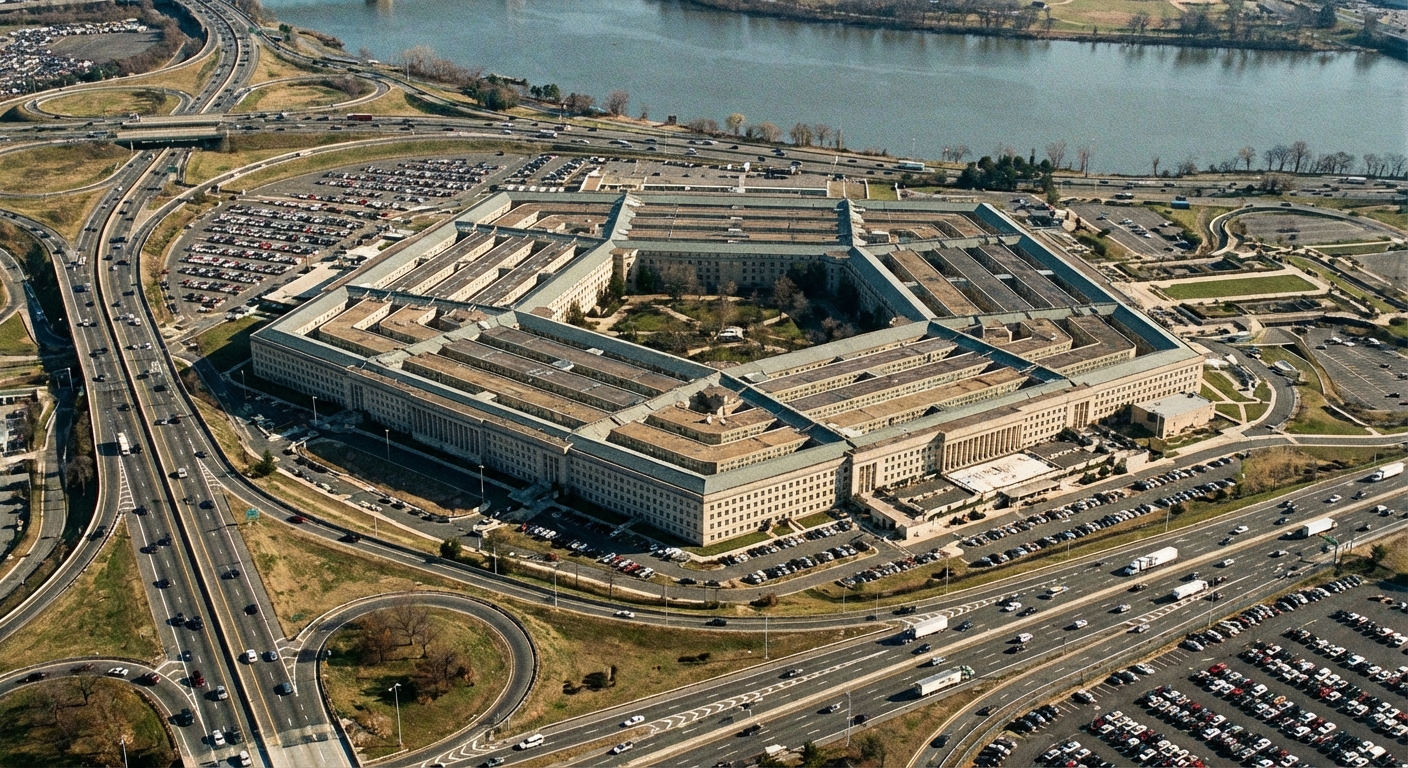
The New York Times and the Pentagon Press Association are asking the court to restore Pentagon press credentials for journalists who declined to sign a new agreement tied to “hard passes” for building access. According to arguments presented in court, roughly 300 journalists did not sign and, as a result, lost their credentials.
The challengers say the new terms do more than protect national security information. They argue the policy effectively blocks reporting on information that has not been approved by Pentagon officials, even when journalists believe it is appropriate to pursue and publish.
The judge’s concern: questions are the job
In the hearing, Justice Department lawyer Michael Bruns defended the Pentagon’s approach as a national security measure and argued that some questions asked by journalists are not protected by the First Amendment.
Judge Friedman was openly skeptical of that premise, repeatedly pushing back on the idea that merely asking can fall outside constitutional protection. He emphasized that government officials can always decline to answer.
“Since time immemorial, journalists at the White House, State Department and all over Washington have said, ‘I have a question for you,’” Friedman said. “You only have to say, I can't answer that. ... Asking a question is not criminal.”
He also placed the dispute in a broader American tradition of press scrutiny of military and national security decision-making. “Remember the Pentagon Papers, 9/11, Abu Ghraib?” he said. “Reporters have to be able to ask a question.”
Security and oversight
Friedman agreed that some information needs to be “held secure,” while also stressing that “The public has a right to know a lot of things” about what leaders are doing.
He framed the First Amendment’s purpose in civic terms: “It's more important than ever that the public have information about what the government and their elected leaders are doing,” he said, “So they can protest, or support, so they can decide based upon full and complete information about who they're going to vote for.”
“That’s what the First Amendment is all about,” the judge said.
Plaintiffs: approval-based access
David Schulz, director of Yale Law School’s Media Freedom and Information Access Clinic and counsel for the Pentagon Press Association, argued that the policy forbids journalists from asking anything about information not approved by senior Pentagon officials.
He warned the court that such an approach resembles how information control works in authoritarian states rather than in a constitutional democracy: “That may be how authoritarian regimes stay in power, but that is not how democracy works,” Schulz said.
Ted Butros, arguing for The New York Times, described the journalists’ refusal to sign as a cross-ideological stand. He said reporters from outlets as different as Fox News and the Times were effectively frozen out, telling the court, “Whether it's Fox News or the New York Times, they're now persona non grata” at the Pentagon.
He called the situation harmful for the public, particularly in wartime: “It's terrible for the American public,” he said. “It's a tragedy, especially when we're at war.”
Tip line dispute
Friedman also homed in on a controversy involving tip lines. He questioned why Pentagon leadership viewed a tip line run by The Washington Post as problematic, while not objecting in the same way to one associated with conservative activist Laura Loomer.
Bruns responded that the difference was targeting: Loomer’s tip line, he said, was a general inquiry to the public, while the Post’s was specifically aimed at military officials who may not be cleared to talk to the media.
The exchange underscored a practical concern in the dispute: how the Pentagon draws its lines, and whether those lines are applied consistently.
Why it matters
For everyday readers, the legal details can feel remote, but the practical consequence is easy to understand. Pentagon press access is one of the ways the public learns what leaders are doing, and why.
What comes next
Friedman did not issue a decision Friday, but said he would try to move quickly.
However the court rules, the hearing made one point unusually clear in plain language. In the American system, the government can refuse to answer. It cannot treat the asking itself as the offense.