
As tensions between the United States and Iran continue to escalate, recent developments have illuminated the precarious balance between national security and constitutional governance.
In a striking announcement, Department of War Secretary Pete Hegseth confirmed that an Iranian leader behind an alleged assassination plot against former President Donald Trump has been eliminated during military operations.
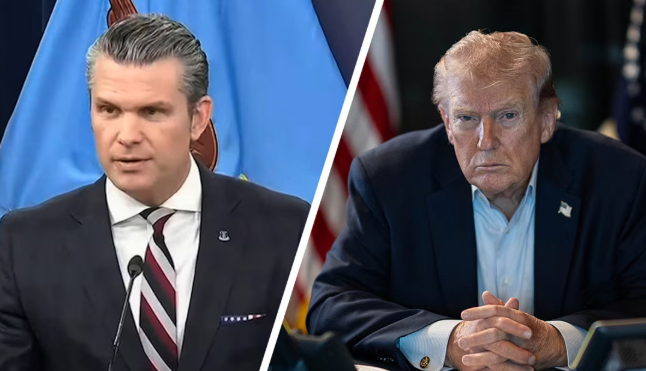
This incident raises significant legal and constitutional questions, particularly about the use of military force, executive power, and the implications for international relations.
On March 4, 2026, Hegseth declared, “Iran tried to kill President Trump and President Trump got the last laugh,” while detailing the success of Operation Epic Fury, a military action that purportedly led to the deaths of key Iranian figures, including Supreme Leader Ayatollah Ali Khamenei.
This claim, echoing a narrative of American resilience and retribution, presents a complex scenario that merits careful scrutiny through a constitutional lens.
U.S.-Iran Relations
The United States and Iran have had a tumultuous relationship since the 1979 Iranian Revolution, which overthrew the U.S.-backed Shah and established a theocratic regime.
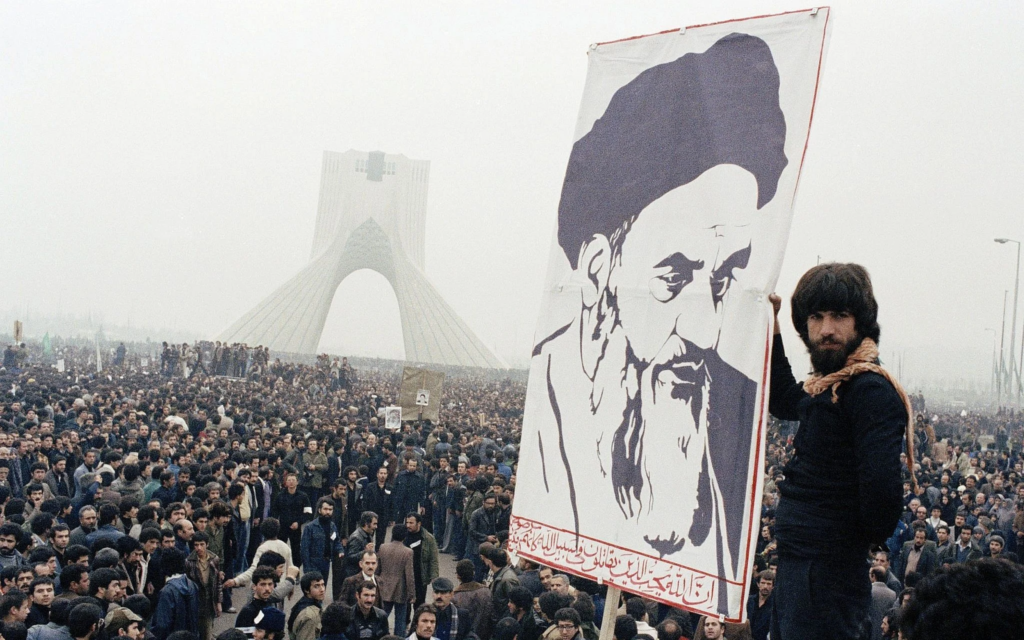
Since that time, various incidents – including the Iran Hostage Crisis and ongoing tensions surrounding Iran’s nuclear program – have shaped a narrative of mutual animosity.
The killing of Iranian General Qasem Soleimani in 2020, ordered by President Trump, marked a significant escalation in U.S.-Iran relations and set the stage for retaliatory threats from Iran.
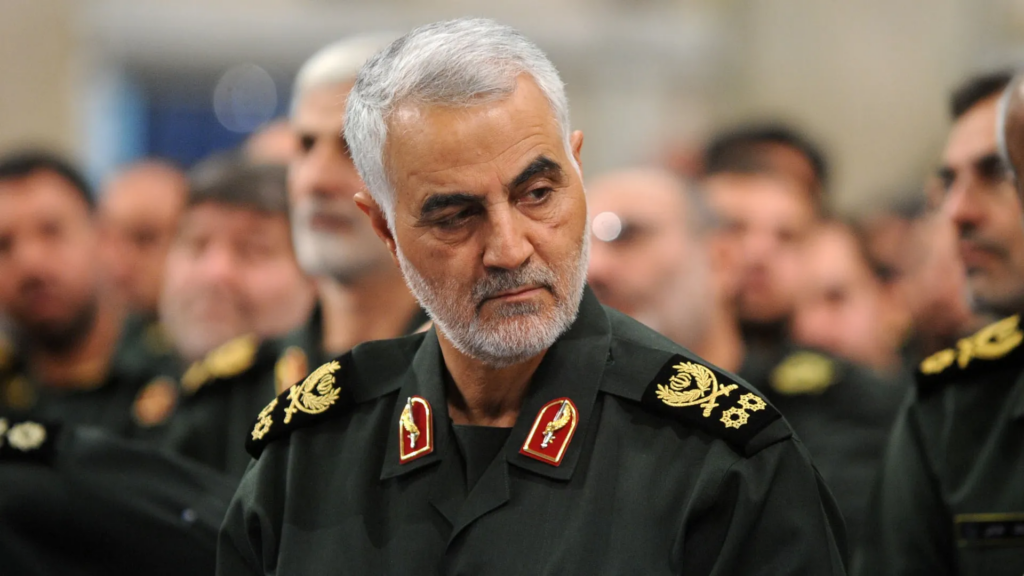
The assassination of Khamenei as part of the recent military operations raises questions about the legal basis for such actions under U.S. law and international norms.
The War Powers Resolution of 1973 requires the President to notify Congress within 48 hours of committing armed forces to military action and limits the use of military force without Congressional authorization to 60 days, unless Congress provides an extension or declares war.

The Constitutional Framework for Military Action
The U.S. Constitution grants Congress the power to declare war, a principle rooted in the desire to prevent unilateral military action by the executive branch. However, the modern interpretation of executive authority has evolved, allowing Presidents to engage in military operations without formal declarations of war under certain circumstances. The justification often cited is the need to protect national security or respond to imminent threats.
In this context, the reported assassination plot against Trump serves as a potential justification for the military response.
Hegseth’s assertion that “the leader of the unit that attempted to assassinate Trump has been hunted down and killed” implies a direct link between the actions of the Iranian regime and a perceived threat to the President’s life.
Nonetheless, the legality of preemptive strikes against foreign leaders remains a contentious issue, raising questions about the limits of executive power in military engagements.
Political Implications and Vote Math
The announcement of military success against Iran is likely to resonate with Trump’s political base, particularly as the country approaches the 2026 midterm elections. The framing of these events as a triumph in the fight against a hostile regime could play a crucial role in rallying support for Republican candidates.
However, the broader implications of military actions may also provoke backlash from those concerned about potential escalations and loss of life.
Hegseth’s statement that “America is winning decisively” contrasts sharply with the reported casualties on both sides, including the deaths of U.S. service members and Iranian civilians.
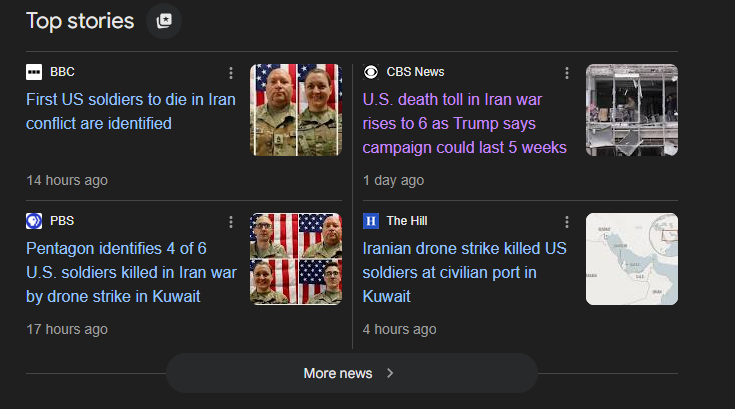
The political ramifications of military actions can often influence the electoral landscape, particularly if the public perceives these measures as reckless or detrimental to U.S. interests abroad.
The Balance of Power and Accountability
The unfolding events surrounding the assassination plot against Trump and the subsequent military actions against Iranian leadership underscore the delicate balance between national security and constitutional governance.
As the United States navigates its foreign policy in a complex and evolving geopolitical landscape, it is essential to consider the implications of executive actions on the principles enshrined in the Constitution.
“This is not a ‘mission accomplished’ situation. This is simply a reality check,” Hegseth stated, highlighting the ongoing complexities of military engagement in the region.
In the absence of clear legal frameworks and Congressional oversight, the potential for executive overreach grows. As citizens and lawmakers alike grapple with these challenges, the importance of upholding constitutional integrity in matters of national security remains paramount.
Understanding the historical context, legal justifications, and political consequences is essential for fostering a responsible and accountable approach to U.S. military actions abroad.